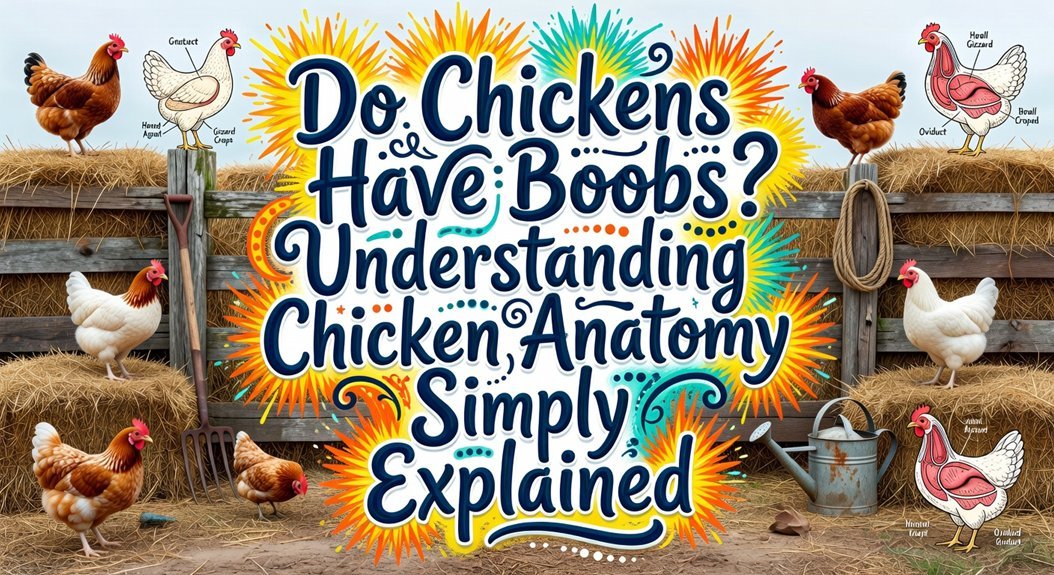
You’re staring at that package wondering if you’re buying actual boobs, but here’s the thing: chickens lack mammary glands and nipples entirely. What you’re holding is pure pectoral muscle, dense with fast-twitch fibers built for explosive wing bursts, not milk production. Obviously, selective breeding enlarged these muscles for meat, anchoring them to a lightweight keel bone. So no, they don’t have boobs, just lean protein ready for your grill. Stick around, and you’ll see exactly how butchers split that single anatomical breast into the portions you buy.
Do Chickens Have Boobs? The Quick Answer
Look, you’re standing there staring at the package, wondering if you’re about to grill up something weirdly mammalian, and honestly, that confusion is totally fair given how butchers slice things up. But here’s the thing: chickens don’t have boobs like mammals do. They lack nipples entirely because they never produce milk for their chicks. Instead, you’re holding pure pectoral muscle designed for flight in their feathered anatomy. That firm, breal texture you feel? It’s just dense muscle fiber, not glandular tissue. Retailers split one large anatomical breast into two halves, creating an illusion that tricks your eye. Obviously, birds evolved differently than cows or humans, relying on crop milk instead. So, you can fire up that grill without any weird ethical dilemmas lurking in the meat. Grab those fillets confidently; you know exactly what you’re cooking now. This biological reality confirms that chickens lack nipples since mammary glands are exclusive to mammals.
Why Chicken Breasts Are Muscles, Not Glands
Since you’re standing there squinting at the label wondering if you’re accidentally buying mammal parts, let’s clear the air before you fire up the grill. You aren’t holding glandular tissue; you’re gripping pure pectoral muscle fiber. Chickens lack mammary glands entirely, so that thick slab on your cutting board is strictly anatomy designed for movement, not milk production. Even though modern broilers barely flap, their breast muscles grow massive due to selective breeding, creating robust tissue distinct from any soft, fatty mammal equivalent. When you slice into it, you see polygonal muscle fiber organization, not secretory cells. Obviously, this means you’re cooking lean protein, not something biologically confusing. If you want tender meat without weird textures, understand that stiffness comes from hardened fibers, never glandular changes. The breast bone lies at the center of this chest muscle, anchoring the largest muscle in the chicken’s body. Now you know exactly what you’re grilling, so grab those tongs and cook with total confidence tonight.
How Pectoral Muscles Power Wing Movement
Even though your grocery store chicken isn’t exactly training for migration, those massive breasts you’re eyeing are still engineered for explosive wing movement. You might wonder how such heavy birds ever get off the ground. Here’s the thing: those white muscles pack fast-twitch fibers designed purely for sudden, powerful bursts. When a chicken scares up, these fibers burn glycogen instantly to generate massive wing thrust. It’s not about endurance; it’s all about that initial burst flight to escape danger. Obviously, your dinner won’t migrate south, but the anatomy remains. Selective breeding inflated these muscles for your plate, not the sky, making them huge yet rarely used. They contract hard and fast, pulling wings down with serious force before tiring quickly. That’s why you see short hops, not marathons. So, when you grab that fillet, remember you’re holding an engine built for lightning-quick takeoffs, even if it mostly just sits around now. Go ahead, pick it up; it’s pure, potent power waiting to cook.
Where the Keel Bone Anchors Breast Tissue
While you’re flipping those breasts on the grill, you might not realize that massive slab of meat is actually hanging off a giant, blade-like bone called the keel. This sternal crest runs right down the bird’s belly, creating that distinct pear shape you see in whole chickens. It’s not just structural; it’s the primary anchor point. The keel attachment secures the huge pectoralis muscles, which constitute nearly all the breast tissue you eat. Without this expanded surface area, those muscles would have nowhere to latch on, leaving you with skinny, flightless birds instead of plump dinners. Obviously, evolution prioritized flight mechanics, but luckily for your plate, domestication kept the muscle mass while reducing actual flying. The bone itself is pneumatic and light, yet strong enough to support locomotion. So next time you carve dinner, remember you’re slicing muscle directly off that central blade. Understanding this connection makes choosing whole birds easier, knowing exactly where your protein comes from.
What Anatomical Parts Become Chicken Tenders?
If you’ve ever stared at a bucket of tenders wondering why they’re so much softer than the rest of the breast, you’re not alone in that confusion. Here’s the thing: those strips aren’t mystery meat; they’re the pectoralis minor muscles. You’ll find them tucked right under the main breast, hugging the breastbone. When processors handle muscle harvesting, they carefully pull these thin extensions away by hand. This specific tenderloin composition makes them naturally more tender than the surrounding white meat. Obviously, they get breaded and fried to perfection, but that texture starts with anatomy. While they pack slightly more sodium than plain breast, the trade-off is pure softness. If you crave a juicy bite without chewing forever, this cut is definitely for you. Now you know exactly what you’re eating, so grab that bucket with total confidence. On an average bird, this inner fillet measures roughly 1½ inches wide and about 5 inches long.
Why Chickens Lack Nipples and Milk Production
Since you’re standing there wondering if that breast meat comes with any hidden dairy surprises, let’s clear the air immediately. Chickens lack mammary glands entirely, so they simply cannot produce milk. You won’t find nipples on a hen or rooster because those features belong exclusively to mammals. Their breast tissue consists solely of pectoral muscles used for movement, not glandular material for nursing. This distinction stems from their unique evolutionary history, which diverged sharply from milk-producing lineages. While some birds manage avian lactation through crop milk, chickens don’t possess this ability either. Instead, chicks rely completely on egg yolk reserves for early nutrition. Obviously, expecting dairy from a bird contradicts basic biology. Understanding this anatomical reality removes any confusion about their classification. Now you can grill that breast confidently, knowing it’s pure muscle with zero dairy secrets hiding inside.
How Butchers Split One Breast Into Two
Ever wonder why the chicken breast in your pan curls up while the one at the steakhouse stays perfectly flat? You’re likely cooking a whole, uneven lobe instead of two uniform halves. Butchers fix this using a precise split technique that guarantees even cooking every single time. First, you pat the meat dry for grip, then position it thick-end forward. Using a sharp knife, you perform butterfly slicing by cutting horizontally through the center but stopping just short of the other side. This opens the meat like a book. Next, you simply cut straight down the middle to create two identical cutlets. This process ensures faster cooking by reducing the thickness of the meat significantly. Obviously, this method removes the guesswork from your dinner prep. Stop fighting uneven heat distribution and start mastering your knife skills today; your future self will thank you for the perfectly seared, flat results.
3.5" High carbon stainless steel blade

UNSHARPENED ITEM:This butterfly trainer is useful for learning how to use the real thing without all the cuts and bruising to the hands. The unsharpened blade of our practice butterfly Trainer will keep you away from danger as a beginner.

StableTraining Build: Built with solid pins, copper washers, and a stainless steel frame, this trainer butterfly knife delivers stable flipping, while the spring latch keeps it closed between practice sessions
Why Retail Labels Show Four Pieces Per Pack
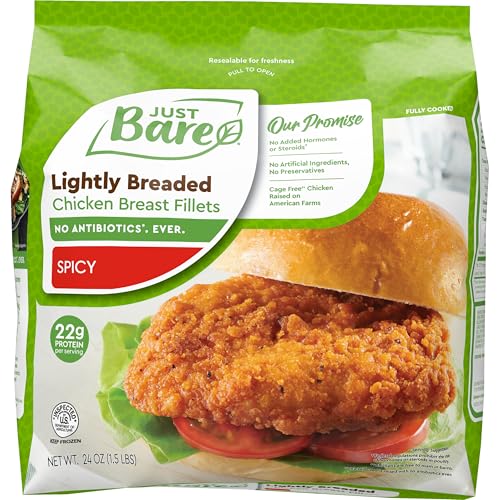
Even though you’re staring at a pack claiming four pieces, you might wonder why the math feels off when you’re trying to feed your whole crew. Here’s the thing: retailers often split one large breast into two smaller fillets, then pair them to hit that “four-piece” label. You need portion size verification before you leave the store because cutting methods vary wildly between batches. Obviously, nobody wants to shortchange their dinner guests. While federal laws ban hormones, making those labels mostly marketing fluff, the real issue remains portion consistency. Some packs deliver hearty meals, while others feel skimpy despite identical pricing. This uncertainty drives disputes at the counter daily. All right, so what’s the move? Check the weight, not just the count. If you value predictable meal planning over guessing games, inspecting the actual meat saves you from awkward shortages later. Smart shoppers verify contents immediately. Recent reports indicate that chicken breasts are now divided into four pieces, altering the expected bucket size.

Fabric: The Women'S Swimsuit Set Is Made Of Polyester And Spandex Fabric, Which Is Soft, Stretchy, And Smooth To The Touch. It Allows For Free Movement And Is Comfortable To Wear

PREMIUM QUALITY: 100% pure chicken breast jerky made in Kentucky, USA with no artificial colors, flavors, chemicals, or gluten - perfect for treating your dog or cat
How to Check a Live Hen’s Breast Health
Why does your hen look a bit off when you’re trying to figure out if she’s healthy? You’re worried, and honestly, that sharp keel bone poking out scares you. Here’s the thing: you need to check her breast muscle health immediately. Gently feel under those feathers. If it’s bony, she’s losing weight fast. Obviously, poor feather condition often tags along with this issue, signaling deeper trouble like parasites or bad nutrition. You don’t want a sick bird, so act now. Fluff up her plumage and press lightly. A healthy hen feels firm, not sharp. All right, maybe she just needs better feed, but don’t guess. This quick palpation tells you everything. If she feels thin, isolate her and boost her protein today. You’ve got this, and your flock will thank you for catching it early. Unlike meat selection where a springy texture signals a fresher product, a live hen’s breast should feel firm and fleshy rather than bouncing back or feeling sharp and bony.

MEDICATED CHICK STARTER FEED: This complete chicken feed is made with added Amprolium to aid in the prevention of coccidiosis, and contains 18% protein for weight gain, our chicken food is essential for your young birds.

SIMPLY MIX WITH WATER: Convenient powder formula that dissolves easily for quick hydration support.
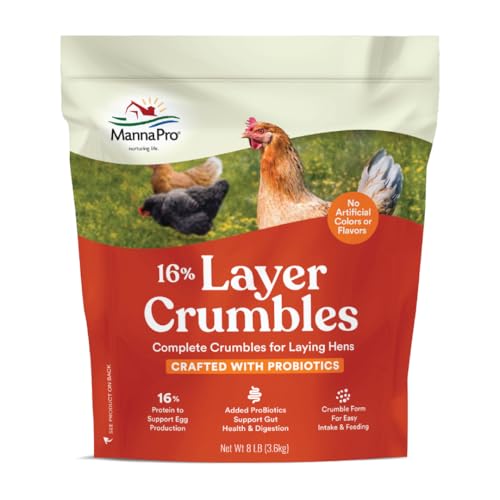
COMPLETE CHICKEN FEED FOR LAYING HENS: Manna Pro Chicken Feed delivers complete nutrition designed for laying hens, supporting strong egg production, healthy feathers, and overall wellness; balanced formula helps maintain optimal health in backyard flocks