You’re tired of guessing when your pullets will pay rent, but Leghorns don’t make you wait long. They typically start laying between 16 and 20 weeks, with industrial strains hitting 18 while heritage birds take until 22. You’ll spot bright red combs and squatting behavior right before those first small whites arrive. Obviously, you want consistent eggs, and these girls deliver nearly daily for two solid years. Stick around to see exactly how to keep them laying through winter.
When Do Leghorn Chickens Start Laying Eggs?
Ever feel like you’re staring at a calendar, wondering if your future flock is just going to eat your budget forever without giving a single egg back? You won’t wait long with Leghorns. Most start laying between 16 and 20 weeks, beating other breeds by months. Your specific timeline depends heavily on genetics influence; industrial strains hit 18 weeks while heritage birds take 22. Don’t blame yourself if they lag slightly, as lighting schedule and diet impact play huge roles too. You’ll see small eggs initially, but egg size quickly jumps to large whites. Obviously, proper egg feedage fuels this rapid production cycle. They lay nearly daily once mature, ignoring typical seasonal slumps until molt timing hits around two years later. This breed suits you if you want immediate returns without years of waiting. They’re the commercial industry’s backbone for a reason. Stop hesitating and grab these efficient layers today; your breakfast table deserves that kind of reliability starting next month.
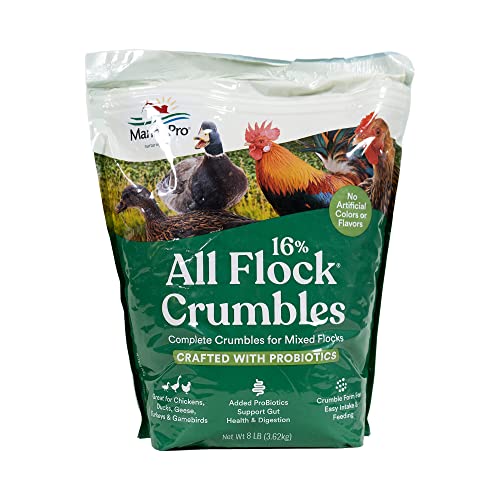
COMPLETE ALL FLOCK FEED FOR MIXED BACKYARD FLOCKS: Versatile poultry feed & all flock feed designed to support chickens, ducks, turkeys, geese, & more; a balanced bird food that simplifies feeding a diverse species in your backyard or homestead
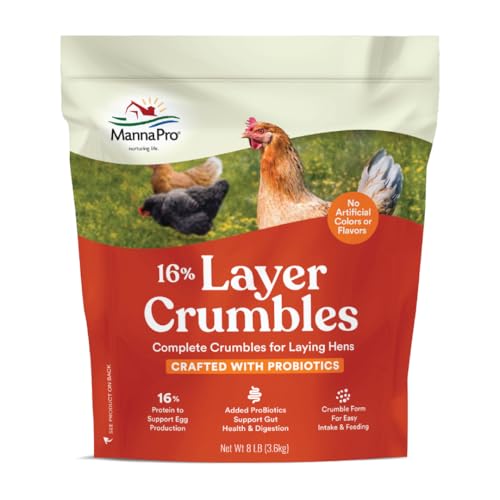
COMPLETE CHICKEN FEED FOR LAYING HENS: Manna Pro Chicken Feed delivers complete nutrition designed for laying hens, supporting strong egg production, healthy feathers, and overall wellness; balanced formula helps maintain optimal health in backyard flocks

Rich yellow yolks - A high level of xanthophyll, a coloring agent derived from marigolds, produces deep yellow egg yolks
What Signs Show Your Leghorn Pullets Are Ready?
How do you actually know your Leghorn pullets are about to start paying rent instead of just eating your feed? Watch their comb color shift from pale pink to bright red; that swelling signals hormones are kicking in. You’ll see them squat low when you approach, spreading wings like they’re ready for a rooster, not running away. Obviously, noise levels spike with frantic clucking as maturity hits. Now, check nesting frequency. If they’re lingering in boxes or leaving poop piles there, they’re scouting locations. This behavior usually aligns with 16 to 20 weeks. Don’t worry if the first shells are thin; their systems are just warming up. Once you spot these signs, you’re days away from breakfast. It’s time to stop guessing and start expecting eggs. Keep in mind that genetics and breed affect maturation speed, so your specific Leghorns may vary slightly from the general timeline.
How Many Eggs Do Leghorns Lay Per Year?
If you’re tired of guessing whether your coop investment will actually pay off in breakfasts, let’s cut straight to the numbers because Leghorns don’t mess around. You’ll typically collect 280 to 320 pristine white eggs annually, with peak hens hitting nearly one per day during their first two years. That’s way more than Rhode Island Reds manage. Obviously, your specific yield depends on quality egg feed and how well you handle seasonal variation, though they outlast most breeds even when days shorten. Industrial strains might hit six weekly, while heritage lines offer four or five solidly. They convert food efficiently, needing just 125 grams daily, so your grocery bill stays low while the basket fills up. This breed suits you if you want maximum volume without constant hand-holding. Stop wondering about potential and start counting cartons; these birds deliver reliable, high-volume production that makes your morning routine effortless and undeniably worthwhile today.


ALWAYS PREMIUM NUTRITION: Our corn-free and soy-free chicken food is a complete diet for laying hens, boasting a guaranteed minimum of 17% protein. Your feathered friends will thrive on this super premium blend, producing top-quality organic whole chickens.
Why Do Leghorns Keep Laying Through Winter?
Since you’re probably staring at a bare egg basket while the snow piles up, let’s clear up why your neighbors’ Leghorns are still clucking away when everyone else’s hens have quit. It isn’t magic; it’s smart management. You see, shorter days normally signal hens to stop laying to save energy. But Leghorns thrive under strict light control. By adding artificial light to hit fourteen hours daily, you trick their bodies into thinking spring has arrived. Now, don’t ignore winter nutrition either. Cold weather demands extra calories for warmth, so you must boost feed quality without overdoing treats. Calcium stays essential for strong shells when natural forage vanishes. Their efficient metabolism handles this balance better than heavier breeds. If you manage light and diet correctly, you’ll keep collecting fresh white eggs even during January’s chill. Ready to beat the winter slump?
How Long Do Leghorns Maintain Peak Production?
You’ve got them laying through the snow, which is great, but now you’re wondering how long this egg bonanza actually lasts before the basket starts looking sad again. Here’s the thing: your Leghorns hit their initial peak within weeks, pumping out near-daily eggs for about two years. That peak duration delivers up to 300+ eggs annually if you feed them right. Obviously, nothing lasts forever, and production decline inevitably creeps in after that first brilliant year. Once they hit their first molt around eighteen months, laying halts temporarily. By age four, you’ll see output drop to sixty percent of those glory days. Don’t panic; they still lay, just slower. If you want maximum efficiency, plan for those high-production years while they last. Ready to commit to this prolific powerhouse? Your breakfast table will thank you for years.
Do Heritage or Industrial Leghorn Strains Last Longer?
Although you’re tempted to grab the cheapest chicks at the feed store for that instant egg flood, you might regret it when they burn out faster than a cheap flashlight. Industrial strains focus purely on output, so their bodies wear down quickly. You’ll see that industrial durability is really just a myth; these birds often hit organ failure by year four. Now, consider the heritage lifespan. These guys are bred for hardiness, not just eggs. While industrial hens drop off steeply after two years, heritage Leghorns keep laying steadily into their fifth year. Obviously, you sacrifice some initial volume for longevity. If you want a sustainable backyard flock that forages well and lives up to ten years, heritage is your pick. Don’t let short-term gains trick you. Choose the strain that lasts, and your coop will thank you later.