
Most chickens don’t need a bath — they handle their own hygiene through dust bathing and preening. But when you’ve got a soiled vent, a parasite problem, or a show coming up, skipping it isn’t an option. You’ll set up three buckets — soapy water, plain rinse water, and an apple cider vinegar rinse — restrain your bird carefully, wash with the feather grain, and dry completely with a low-heat dryer. Stick around and you’ll have everything you need.
Does Your Chicken Actually Need a Bath?
Here’s the thing — before you grab the shampoo and fill up a bucket, you should know that your chicken probably doesn’t need a bath at all. Chickens are surprisingly good self-cleaners. They dust bathe, preen, and shake off dirt without your help. Obviously, that system works — until it doesn’t.
Now, here’s where bath health actually matters. Routine bathing causes real oil loss, which leads to feather damage and leaves your bird more vulnerable to cold and infection. You’ll also notice stress signs during unnecessary baths — chickens hate being wet.
Water baths are really only necessary for chickens with very dirty rear ends, sick birds that can’t self-clean, or those being prepared for poultry shows.
What to Gather Before Bathing Your Chicken
Before you dunk your chicken in a bucket and wonder why everything went sideways, gathering the right supplies ahead of time makes the whole process faster, calmer, and a lot less chaotic for both of you. Bath frequency matters, so having everything ready means you’re not scrambling mid-splash.
Here’s the thing — you’ll need warm water buckets, Dawn or baby shampoo, toothbrushes for feet and toenails, and apple cider vinegar for rinsing feathers. Feather health depends on that final rinse actually happening. Old towels, rubber shelf liner, gloves, and a hairdryer round out your kit.
Obviously, skipping prep turns a manageable bath into a wet disaster. Get your supplies staged beforehand, and you’ll actually enjoy this process. Plan to use three separate buckets — one for the soap bath, one for the apple cider vinegar rinse, and one for the final warm water rinse.

ALL-NATURAL CHICKEN DUST BATH MIX FOR HEALTHY, HAPPY FLOCKS – Provide your chickens with the ultimate hygiene solution with this premium chicken dust bath mix, specially formulated to keep them clean, comfortable. This is more natural, effective and loved by flocks instead of chicken sand solution. This is a must-have for any chicken coop, as this fine, all-natural blend mimics a natural dust bath, allowing your flock to roll, fluff, and preen even when dry soil isn't available.

Complete Kit: This chicken dust bath tub package includes 1 dust bath tub, 1 rubber hammer and 10 mounting nails, providing all hardware you need for assembly. You won’t need to buy extra tools separately, which streamlines your preparation work and lets you start using this poultry bath container right away

Use Pampered Chicken Mama Herbal Dust Bath in your coop or chicken run by adding to dust bath areas. Combine with nesting herbs in a large bin for cooped hens and roosters. Add to your flock’s favorite dust bath spot weekly for best results.
How to Set Up a Three-Bucket Wash Station
Supplies staged, gloves on, chicken side-eyeing you from across the room — now you’re ready to actually build the wash station, and this part matters more than most people expect. Grab three 5-gallon buckets and line them up side-by-side. Bucket placement isn’t overthought here — you’re just eliminating unnecessary movement while holding a wet, unimpressed bird. Now fill all three with lukewarm water. Water temperature matters because cold stresses chickens and hot burns them. First bucket gets a small squeeze of pure Dawn or Ivory. Second stays plain for rinsing. Third gets a glug of vinegar — it softens feathers and adds shine. Set your towel within arm’s reach. Feathers absorb water like a sponge, and you’ll want that towel immediately. If you’re using an automatic waterer nearby, snap the handle into place on the bucket before filling to keep it stable and accessible throughout the process.
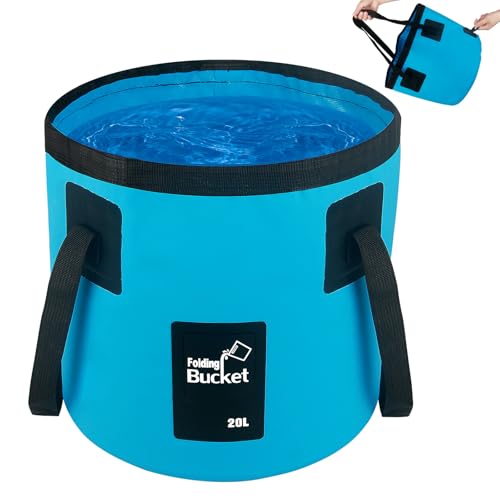
Ultra-Compact 5 Gallon Bucket:This collapsible bucket folds to a slim profile (13"L x 5"W), saving space in backpacks, car trunks, or kitchen cabinets. Weighing only 250g, it’s a lightweight camping water container, RV supply, or beach bucket. Hang this cleaning bucket on hooks or stash under sinks—perfect for decluttering small cleaning tools, household essentials, or first apartment supplies.


Dirt Trap Auto Detailing Tool (DIRTTRAP01) - Chemical Guys innovative Cyclone bucket insert traps dirt and debris at the bottom of your car wash buckets, preventing grime and light debris that can scratch vehicle paint
Restrain Your Chicken Safely Before Washing
Chasing a chicken around the yard is exactly as chaotic as it sounds, and it’s also the fastest way to give a large breed bird a heart attack — so don’t do it. Instead, gently herd your whole flock into a corner together. Singling one bird out spikes stress immediately. Once you’ve cornered your chicken, place both hands firmly over its wings and body before lifting. Wing control is everything here — a loose wing means a fractured wing, and then you’ve got a worse problem than dirty feathers. Pull the bird against your body, keeping it low to the ground for quick release if needed. Watch for blue discoloration — that’s your stress reduction alarm telling you to stop immediately and give the bird a breather. You can also use a towel to immobilize wings, keeping the bird calm and fully contained while you get everything ready for the bath.
How to Wash Your Chicken Without Damaging Feathers
Wet your chicken completely before you even think about reaching for the soap — dry feathers snap under pressure, and you’ll spend the next hour feeling guilty about it. Use warm water, work it around every feather until fully saturated, and let stubborn droppings soak before touching them. Here’s the thing — your chicken’s natural oils resist water, so patience matters for feather health.
Now, grab mild dish soap or baby shampoo. Stroke it in the direction of feather growth only. A soft sponge handles most areas; a toothbrush tackles feet and stained feathers from base to tip.
Stress reduction starts with calm, deliberate movements — rushed scrubbing damages feathers and rattles your bird. Work slowly, and you’ll both survive this. Plan to bathe your chicken at least 48 hours before any show to give its natural oil layer enough time to fully restore.

THE PERFECT CHICKEN DUST: Lixit chicken dust gives your flock the ultimate care with our high-quality dust bath. This dust is designed to promote healthy skin, feather maintenance and keeping your chicken’s pest free. Chicken dust is perfect for coops especially when there is limited dry soil available.

Our premium volcanic ash formulated chicken dust bath powder and natural chicken bath dust serves as reliable chicken feather cleaner, daily poultry care powder to keep your flock comfortable and healthy.

🥚【Plant mild care soap】Our egg soaps use mild and natural ingredients so you can enjoy a lnourishing skin care experience without any harsh chemicals. Plant extracts can cleanse and relieve skin discomfort. Hyaluronic Acid has an excellent water-locking effect and can keep the skin hydrated all the time.
Rinse Your Chicken Until No Soap Remains
Rinsing sounds simple until you’ve got a sudsy chicken and three buckets of water going cold while you second-guess everything — been there. Here’s the thing: soap residue temperature matters more than you’d think. Cold water shocks your bird and stops cutting through soap properly, so keep everything warm throughout. Now, your second bucket needs apple cider vinegar — that’s your vinegar concentration sweet spot at half a cup per tub. It kills parasites and strips leftover soap beautifully. Dunk repeatedly, squeegee with your hands, check for suds wicking off the feathers. Incomplete rinsing causes clumping, obviously. Your third bucket is plain warm water — final pass, no shortcuts. Squeeze the tail and hocks. You’re done when the water runs completely clear. Make sure to check the vent area for any remaining dirt that the rinse may have missed.

WINTER MUST-HAVE FOR CHICKEN KEEPERS – Keeps water from freezing to -10°F with included wrap; Belt fits any 2-5 gallon bucket; Perfect for chickens, turkeys, and farm birds

VERSATILE SUBMERGIBLE CHICKEN WATER HEATER: This 500-watt de-icer is designed to ensure continuous access to fresh drinking water for livestock, chickens, and wildlife. Ideal for 5 to 50-gallon containers, it's perfect for livestock tanks, water troughs, buckets, and even bird baths during the winter season.

【𝙒𝙞𝙣𝙩𝙚𝙧 𝙈𝙪𝙨𝙩-𝙃𝙖𝙫𝙚 𝙛𝙤𝙧 𝙋𝙤𝙪𝙡𝙩𝙧𝙮】-- Keep your flock hydrated all winter with this heated chicken waterer base! It prevents water from freezing in cold temperatures, ensuring your poultry stays healthy and hydrated—no more waking up early to break ice or replace frozen water. Give your chickens (and other birds) a warmer, stress-free winter.
Dry Your Chicken Completely After the Bath
Now that your chicken’s rinsed and dripping, the real patience test begins — drying a wet bird completely is genuinely more involved than most people expect, and cutting corners here is where things go sideways. Start by squeezing excess water from the feathers, then blot gently with old towels — no rubbing, or you’ll wreck delicate feather conditioning. Wrap her snugly in a fresh towel, then tuck her into a roomy carrier lined with clean shavings. One bird per box, always. Temperature monitoring matters here — you need at least 70°F outdoors, or a warm indoor room if it’s cold. Heat lamps work, but keep them two feet away minimum. Full drying takes 12 to 18 hours. Fluffy feathers mean you’re done. A pet dryer set to low speed lets you direct airflow between feathers for more thorough and even drying.
Mistakes That Damage Feathers or Stress Your Bird
Even the most well-intentioned bath can go sideways fast if you trip up on a few key mistakes — and honestly, most of them happen because people treat chickens like dogs or cats during the process.
Here’s the thing — pulling caked feathers causes feather stress and tears skin. Soak first, pick gently second. Cutting feathers? Don’t. Sharp stubs look terrible, and regrowth takes forever. Harsh soaps cause oil loss, stripping preen oils your bird needs for waterproofing and warmth. Rinse thoroughly or you’ll block natural oil restoration. Cold water chills wet birds dangerously fast — warm water only.
Now, none of this is complicated. You just need to slow down, respect the process, and treat your bird like the surprisingly fragile creature it actually is.

Efficient Ice Melting: the bird bath deicer is designed as a 9.45 inches diameter disc; The bird heater has a large heating area and high deicing efficiency
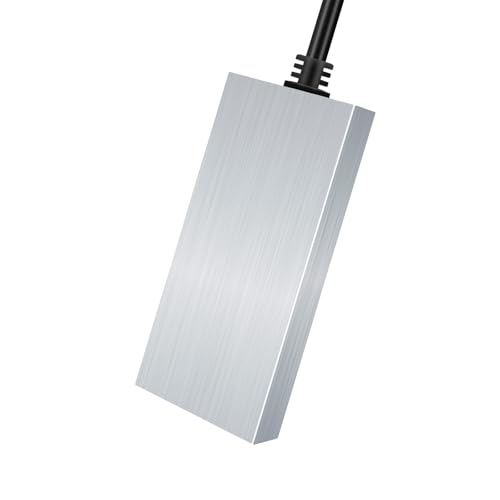
Prevents Water Freezing: No more ice in winter! This de-icer ensures livestock and poultry always have access to drinkable water, even in freezing conditions

Automatic Thermostatic Control: The Loyala Chicken Water Heater is equipped with an automatic thermostatic control, which is optimized for outdoor use in winter. It starts working at 68°F and stops working at 118°F, ensuring the optimal water temperature in cold seasons, keeping your bird bath or chicken waterer heated without overheating.
How Often Should You Bathe Your Chickens?
Knowing what not to do during a bath is only half the battle — the other half is knowing when to bother bathing your chicken at all. Here’s the thing: most chickens don’t need regular baths. Seriously. They’ve got dust bathing for that.
Your frequency guidelines are simple — bathe only when something’s gone wrong. Soiled vents, parasites, chemical contamination, injuries. That’s your short list.
Now, if you’re prepping for a show, bathe at least five days beforehand. Oil restoration takes time, and showing up with dull, stripped feathers defeats the whole purpose.
Spot-clean whenever possible. Save full baths for genuine emergencies. Your chicken’s feathers stay healthier, your stress stays lower, and honestly, everybody wins.