You’re staring at that bait station, terrified one wrong peck turns your favorite hen into a statistic. Here’s the thing: standard rat poison absolutely kills chickens with less than a paperclip’s worth of toxin. It causes fatal internal bleeding or rapid nervous system failure, leaving you with pale combs and greenish droppings. Obviously, you need locked stations and metal feed bins, not just hope. Stick around to learn exactly how to protect your flock without losing sleep over every shadow.
Will Rat Poison Kill Your Chickens?
Look, you’re probably staring at that bag of rat poison in the garage, wondering if it’s going to wipe out your flock along with the pests, and honestly, it’s a fair fear to have. Yes, standard rodenticides kill chickens just as dead as rats. Your birds peck poisoned rodents or the bait itself, triggering fatal internal bleeding from vitamin K loss. You can’t risk your poultry health by leaving toxic blocks accessible where curious beaks roam. Proper poison storage matters immensely; lock it away tight. Even “safer” options carry risks if misused, and oral antibiotics might worsen certain toxins. Obviously, you need those rats gone before they steal eggs or attack chicks, but don’t trade one disaster for another. Secure your bait stations firmly outside the coop run. Make the smart call today: protect your flock first, then handle the pests safely without gambling their lives on loose poison. Unlike rats that die in days, chickens may suffer from internal bleeding for up to ten days before succumbing to the toxin.
How Much Poison Does It Take to Kill a Chicken?
If you’re wondering exactly how little of that nasty bait can turn your prize hen into a casualty, the answer is terrifyingly small. You’d think your big rooster could handle a nibble, but he can’t. Just 1.3 grams of standard store-bought poison kills an average chicken, while highly potent formulas need only one single gram. That’s less than a paperclip’s weight! Your poison dosage calculations depend entirely on your bird’s size and the specific toxin’s strength. Smaller bantams face even higher risks from these minimal amounts. Obviously, lethal thresholds vary because some baits hit harder than others. Anticoagulants deplete vitamin K slowly, whereas bromethalin attacks the nervous system fast. Don’t assume a full stomach saves them; it often just delays the inevitable. Understanding these deadly limits helps you protect your flock before tragedy strikes. Choose safer pest control now.
What Symptoms Show Chicken Rat Poisoning?
Since you’re already worrying about that lethargic hen hiding in the corner, let’s cut straight to what rat poison actually does to her before it’s too late. You’ll spot weakness first; she stops eating, destroying her internal appetite completely. Watch for pale combs signaling dangerous internal bleeding or blood in droppings. Obviously, greenish diarrhea hits hard while extreme thirst persists despite constant drinking. Her coordination fails, leading to collapse or partial paralysis you can’t ignore. While feather loss isn’t typical, the sudden disappearance of shedding often alarms keepers wrongly, yet emaciation develops rapidly from inappetence. Severe cases bring swollen abdomens, muscle tremors, or seizures before coma sets in. Some poisons cause sudden death without warning signs, leaving you stunned. Don’t wait for every symptom; acting fast on early weakness saves lives. Trust your gut when she isolates herself.
When Do Poisoning Symptoms Appear in Chickens?
When you’re staring at a healthy flock one minute and a dying bird the next, the terrifying gap between exposure and collapse is exactly what keeps you up at night. Phosphine hits fast; signs develop within minutes, and death often follows within two days. Lead poisoning takes longer, showing greenish droppings around 36 hours post-ingestion. Mycotoxins? That latency varies wildly, from a week to over a month depending on dose. Obviously, your exposure duration dictates how quickly disaster strikes. Acute aflatoxicosis moves rapidly, while chronic low levels require specific timeframes to manifest weakness or dyspnea. You can’t ignore these timelines. If you see lethargy or ataxia, the clock started ticking earlier than you thought. Recognizing these windows helps you act before it’s too late. Don’t wait for paralysis; watch the clock closely.
Can You Save a Chicken From Rat Poison?
Can you actually pull a chicken back from the brink after it pecks at rat poison? Sometimes, yes, but you’ve got to move fast. Here’s the thing: survival often hinges on dose emergencyration and specific dosage thresholds. If your big hen ate a tiny bit while her stomach was full of fiber, she might dodge the bullet. Obviously, an empty stomach makes things much worse. You need to spot lethargy or bleeding immediately because anticoagulants work slowly, giving you a three-to-ten-day window. Rush her to a vet for Vitamin K1; speed saves lives here. Don’t wait for coma symptoms. While long-term effects remain murky, early intervention offers real hope. Trust your gut, call the pro, and give her the best shot at recovery right now.


Supports Blood Clotting: Helps counteract the effects of anticoagulant rodenticides in dogs and cats.

Formulated for Chickens, Effective for All Poultry: Designed with the nutritional needs of chickens in mind, this formula combines the right levels of all-natural selenium and vitamin E to deliver balanced antioxidant and immune support. The selenium supplement with vitamin E equally suitable for ducks, turkeys and other poultry, making it a versatile supplement for mixed backyard flocks or larger farm operations.
What Rat Poison Is Safe for Chicken Coops?
So, where do you turn when the rats are throwing parties in your coop but every poison label screams “danger” to your flock? Honestly, most poisons kill chickens just as dead as rats. You can’t risk secondary poisoning when your hens peck at dying rodents. However, Ratshot by Freezone stands out as a rare exception designed specifically for poultry areas. It uses difenacoum to target rodents while lowering toxicity for your birds. Obviously, you still need secure bait stations to keep doses contained and away from curious beaks. Don’t make this your first move; try alternative management like metal bins and treadle feeders first. If infestation persists, this product offers a safer chemical route than standard options. Just remember, no poison is truly risk-free, so use it wisely. You’ve got the info, so choose the path that keeps your flock safest tonight.

REPELS MICE AND RATS: Victor Rat-A-Way naturally repels unwanted rats and mice
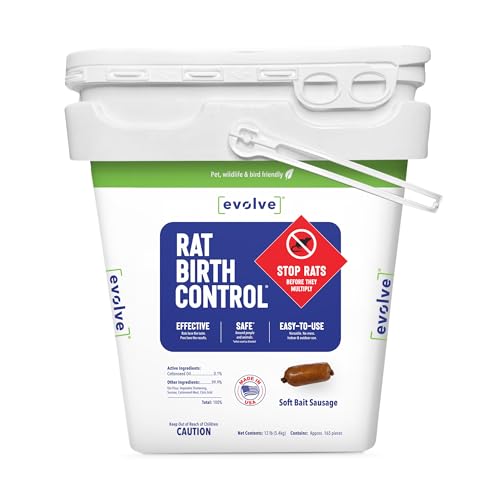
WHAT’S INCLUDED: 12 lbs (approx. 168 pieces), EVOLVE Rat Birth Control soft bait sausages

RatX Pellets are your safe and effective solution for removing rats
How Do You Prevent Rat Poisoning in Flocks?
Since you’re already sweating over whether that bait station will turn your hens into tomorrow’s tragedy, let’s cut through the noise and talk about keeping them safe without losing your mind. You don’t need poison; you need smart habits. Start with **strict feed management. Store grain in metal bins, clean spills before dusk, and use treadle feeders so rats starve while your girls eat. Obviously, leaving crumbs out is an open dinner invitation. Next, fortify your coop with 1/4-inch hardware cloth buried deep; rats squeeze through quarter-sized holes, so seal every gap. Deploy non-toxic rodent deterrents like snap traps** in locked boxes or bobcat urine around the perimeter. These methods kill pests, not pets. It’s less glamorous than poison, but it works. Stop worrying and start securing your flock today; your hens deserve that peace of mind.
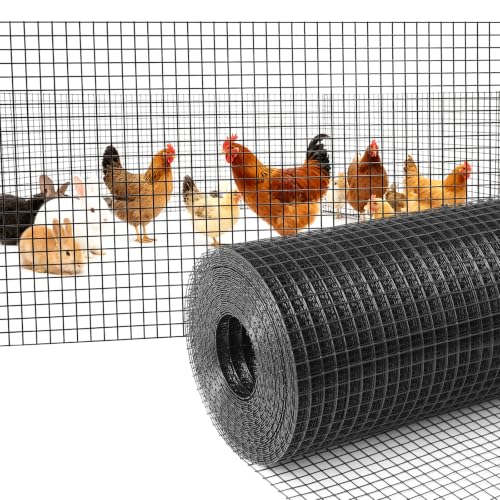
【Heavy-Duty 19-Gauge Black Vinyl-Coated Hardware Cloth (48"x100')】 Built tough! 19-gauge galvanized steel with double-layer black chicken wire resists rust and harsh weather—thicker than standard 23-gauge! Perfect for chicken wire fencing, chicken fencing, and underground gopher wire mesh—no corrosion, even in wet soil.

【Transparent PE tarpaulin】This PE transparent tarpaulin is 80% transparent and allows light to pass through. This tarpaulin keeps the greenhouse dry and is transparent enough to allow daylight to enter the greenhouse. You can easily observe your plants or animals
【Transparent PE tarpaulin】This PE transparent tarpaulin is 80% transparent and allows light to pass through. This tarpaulin keeps the greenhouse dry and is transparent enough to allow daylight to enter the greenhouse. You can easily observe your plants or animals