You’re tired of guessing which hens deliver true olive eggs instead of muddy browns. All right, here’s the fix: cross a blue-egg layer like an Ameraucana with a dark brown layer like a Marans. The blue pigment lays the foundation, while the brown overlay creates that coveted army green shade. Obviously, not every cross guarantees dark results, but specific bloodlines from Cackle or Valley Hatchery hit 250 eggs yearly. Stick with these proven genetics, and you’ll stop wondering if your coop will finally produce those stunning shells. Keep going to see exactly which lines nail the darkest hues.
What Is an Olive Egger and How Do They Lay?
If you’ve been staring at egg charts wondering how anyone actually gets that elusive olive green without a genetics degree, you’re not alone. These birds aren’t a pure breed but clever hybrids, crossing blue layers with dark brown ones. You get that unique hue because egg color genetics dictate a blue base overlaid with brown pigment. It’s simple biology, really. The blue deposits first, then the brown adds the final olive tint later in the shell gland. You’ll notice the egg shell texture stays thick and sturdy, just like their parent breeds. They lay consistently year-round, producing up to 250 eggs annually. Obviously, colors vary from mint to army green, but that’s part of the charm. If you want unique aesthetics without complex breeding plans, this hybrid fits your backyard perfectly. Just pick your chicks and start collecting. What the thing that defines this bird is not a single lineage but the specific genetic intersection of blue and brown pigment layers.

How Blue and Brown Pigments Create Olive Eggs
You’ve got the basics down, but staring at those mint and army-green shells probably still feels like trying to mix paint without knowing which tube is which. Here’s the thing: every egg starts white. Blue pigment, oocyanin, permeates the whole shell during formation, while brown protoporphyrin just coats the surface late in the process. Olive eggs happen when that brown layer sits atop the blue base. It’s a simple pig pigment interaction, really. The blue gene is dominant, so you get that colored foundation guaranteed. Then, varying brown genes dictate the final shade. Don’t worry about shell translucency confusing you; the brown doesn’t penetrate, leaving the inside white while the outside turns olive. Obviously, darker brown overlays create deeper greens. If you want specific mint or army tones, you just need to match the right brown intensity to your blue base. Ready to pick your pair? To achieve these specific shades, you must combine a pure blue layer with a dark chocolate brown layer rather than using inconsistent Easter Eggers.
Which Olive Egger Lines Produce the Darkest Shades?
While staring at a basket of muddy brown eggs might make you wonder where that promised army-green went, the secret to consistently dark shades isn’t luck—it’s genetics you can actually control. You need homozygous blue and dark brown parents to guarantee those first-generation birds lay predictable dark olive eggs. Obviously, choosing Chocolate Marans over Welsummers makes a huge difference in depth. Now, if you want visual flair, cross in speckled layers; those speckled patterns create an illusion of richer color. But here’s the thing: backcrossing intensifies hue yet risks losing the blue gene entirely. You’re trading consistency for depth unless you stick to F1 crosses from proven stock. Pea combs on chicks signal you’re on the right track genetically. Don’t gamble on random mixes when specific pairings deliver reliable results. Pick your parents wisely, and you’ll soon harvest those deep, coveted greens everyone wants.
Where to Buy Authentic Olive Egger Chicks
You’ve nailed the genetics for those deep olive eggs, but now you’re staring at a screen full of hatchery listings wondering which ones actually send you real Olive Eggers and not just muddy brown disappointments. All right, let’s fix that. For reliable online sourcing, Cackle Hatchery offers proprietary bloodlines since 2015, while Valley Hatchery guarantees a 96% olive egg likelihood. You need consistent layers? Valley documents 180-200 eggs annually. However, watch your calendar because seasonal availability dictates shipments; Cackle runs February through October, whereas Sadie-Girl Farm ships exclusively on Tuesdays for quick delivery. If you want bulk deals, Freedom Ranger drops prices dramatically for larger orders, but Myers Poultry Farm requires minimum female counts. Obviously, specialized farms like Stromberg’s detail specific weights if you care about size. Don’t gamble on random sellers when verified hatcheries provide documented traits. Pick your vendor based on your timeline and flock size, then click buy with total confidence today.

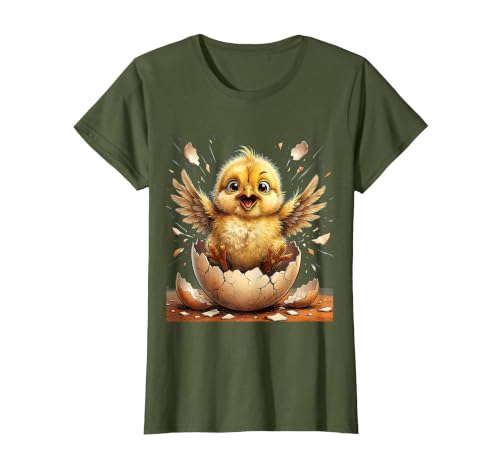
A delightful illustration of a fluffy baby chick hatching from a cracked egg, full of charm and whimsy. Perfect for Easter, spring events, farm themes, baby showers, or any occasion celebrating new beginnings and adorable animal imagery.

This hatching set of 3 silkie chicken eggs will give you a beautiful variety of chicks in just 3 weeks of incubating.
How to Breed for Consistent Dark Olive Eggs
Since you’re tired of cracking open eggs that look more like mud than olives, let’s get straight to the genetics that actually work. Cross a dark brown Marans rooster with homozygous blue Ameraucana hens for that perfect F1 start. Now, here’s the thing: F2 generations often disappoint with muddy teals unless you practice strict egg selection. You must cull light layers immediately. Backcross your best F1 hens to dark brown fathers again to deepen that shade. This repeated backcrossing drives pigment stabilization, locking in those rich, dark tones over generations. Avoid roosters carrying faint blue genes, or you’ll regret the teal dilution later. Obviously, large hatcheries skip this rigor, yielding inconsistent results. If you want true dark olives, you’ve got to do the breeding legwork yourself. Ready to commit to a flock that finally delivers those stunning, deep olive gems?
Are Olive Eggers Suitable for Your Backyard Flock?
Maybe you’re staring at that breeding chart from the last section thinking, “I don’t have time to play geneticist just to get a decent breakfast.” All right, let’s scrap the complex cross-breeding plans for a minute and talk about what happens when you just buy the birds instead. You’ll love their calm, friendly nature; they chatter quietly and rarely bully flock mates. They lay 150-200 stunning olive eggs yearly, thriving in any climate without fuss. Obviously, you still need adequate backyard space, offering four square feet inside the coop and ten outside. Don’t forget that sturdy predator protection remains essential since their dense feathers don’t stop foxes. Whether you want eggs or meat, these dual-purpose birds last up to eight years. If you crave unique eggs without the genetic headache, buying ready-made Olive Eggers is your smartest, easiest move today.

Encourages Hens To Lay Eggs In Nesting Box --- When a broody hen sees other eggs, she identifies that area as an ideal place to lay her own eggs. Place these SunGrow Wooden chicken eggs inside the nesting box to encourage hens to lay eggs in a clear, cozy area instead of on the ground or chicken coop floor.
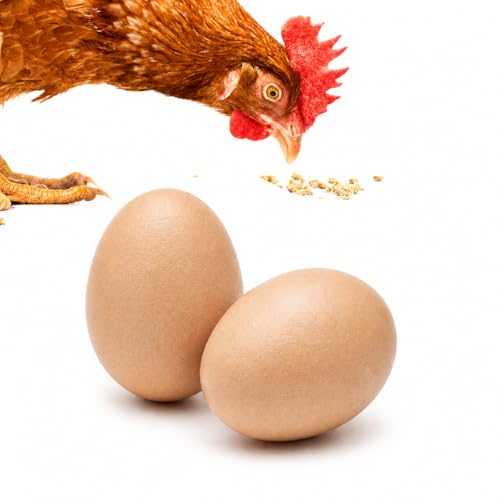
Encourages Hens to Lay Eggs in Nesting Box --- When a broody hen sees other eggs, she identifies that area as an ideal place to lay her own eggs. Place these SunGrow wooden chicken eggs inside the nesting box to encourage hens to lay eggs in a clear, cozy area instead of on the ground or chicken coop floor.

Laying Eggs Laying Seige Funny Chicken design is a fantastic choice that is appropriate for us with a humorous retro style. Show your personal style. There are many more colors available from us.
What Maintenance Do Olive Eggers Require in Winter?
Although you might think winter means shutting up shop and waiting for spring, ignoring your flock now is exactly how you end up with frostbitten combs and a silent coop. You need proper winter ventilation to stop damp air from wrecking their lungs while keeping drafts out. Moisture control is your real enemy here; wet feathers can’t trap heat, so swap bedding often. Obviously, snow won’t hydrate them, so keep water unfrozen and add dietary fats for warmth. Check combs daily for frostbite and hunt for mites hiding in the cozy coop. Your Olive Eggers are tough, but they still need dry feet and fresh air to keep laying those unique eggs. Don’t overcomplicate it—just stay vigilant, keep things dry, and your birds will breeze through the cold snap happily. Just like the hosts who faced heavy snowfall disrupting routines, you must adapt your care to ensure the flock remains comfortable despite the weather.