
To build the perfect chicken coop for 12 hens, you’ll need at least 48 square feet of indoor space and 96 square feet of outdoor run space. Use durable materials like cedar or pine, secured with exterior-grade screws and galvanized fittings. Install 1/4-inch hardware cloth for protection, guaranteeing proper ventilation with 3-4 square feet of openings. Include one nesting box per 3-4 hens and 8-12 inches of roosting space per bird. Understanding additional security and comfort features will guarantee your flock’s best health.
Essential Space Requirements and Layout Planning
The foundation of a well-designed chicken coop begins with precise space calculations and thoughtful layout planning. For 12 standard-sized hens, you’ll need a minimum coop space of 48 square feet and a run size of 96 square feet. If you’re housing large breeds, increase these dimensions to 96 square feet for the coop and 132 square feet for the run. Wyandotte chickens are excellent choices for backyard coops due to their calm temperament and consistent egg production.
Your layout must include 8-12 inches of roosting space per bird and one nesting box for every 3-4 hens. Plan your interior strategically, keeping the floor clear for movement while positioning feeders and waterers away from high-traffic areas. Don’t forget to incorporate proper ventilation and lighting without creating drafts. Using pressure-treated lumber for the frame ensures your coop will withstand years of use and weather exposure. For ideal results, exceed these minimum requirements – the extra space will reduce stress and aggressive behavior among your flock. Consider your local climate when planning, as hens in colder regions may require additional indoor space during winter months.
Selecting the Right Building Materials and Tools
Selecting appropriate materials and tools marks the difference between a long-lasting chicken coop and one that requires constant repairs. For ideal material durability, choose between softwoods like pine or hardwoods like cedar, with hardwoods offering natural rot resistance. Hardware cloth is essential and should be installed to provide proper ventilation protection. You’ll need exterior-rated plywood (3/8-inch to 7/16-inch) for flooring and walls, plus 2x4s and 2x6s for framing. Consider installing large access doors to make cleaning and maintenance easier for your backyard coop. Your coop design should include elevated roosting bars to accommodate natural sleeping preferences.
For tool efficiency, you’ll require a circular saw, power miter saw, and drill as your primary equipment. Confirm you’re using exterior-grade screws, ring shank nails, and galvanized fittings appropriate for your chosen wood type. If you’re using pressure-treated lumber, opt for stainless steel fasteners to prevent corrosion. Apply non-toxic sealants like Vermont Naturals to protect the wood while maintaining a safe environment for your hens.

Spacious 3-Zone Design: Measuring :32.48"L×20.47"W×38"H, this enclosure features three distinct areas—an activity zone, rest zone, and nesting zone—providing ample space for small pets to move, rest, and nest. It works great as a chicken coop, rabbit hutch, or bunny cage, catering to their natural behaviors

[Built for Outdoor Durability]: This chicken coop features a sturdy galvanized steel frame and exterior-grade plywood, ensuring your chicken house withstands wind, rain, and sun. Perfect as a small chicken coop or chicken cage enclosure in your yard.

[Built for Outdoor Durability]: This chicken coop features a sturdy galvanized steel frame and exterior-grade plywood, ensuring your chicken house withstands wind, rain, and sun. Perfect as a small chicken coop or chicken cage enclosure in your yard.
Building a Strong Foundation and Frame
Before constructing your chicken coop’s walls and roof, establishing a solid foundation and frame is essential for long-term structural integrity. You’ll need to choose a location 30 feet from your house and explore different foundation types, including concrete-filled trenches or brick perimeters. Position your coop to shield against cold northwest winds for optimal winter protection. Dig at least 8 inches deep, deeper for larger coops, to prevent predator access. Plan your foundation size carefully to accommodate 4 square feet per bird for optimal comfort.
For frame stability, use pressure-treated 2×4 lumber to assemble the base structure. The floor joists should be butted against stringers for maximum support. Secure vertical posts and horizontal beams, ensuring square corners throughout. You’ll need to incorporate door and window frames during assembly. Attach the frame to your foundation using 3-inch nails, and verify each wall section’s positioning. Complete the structure with a robust roof support system, integrating proper ventilation and predator-resistant mesh for ideal functionality.
Creating a Safe and Secure Enclosure
Building a secure chicken coop requires strategic planning to protect your flock from diverse predator threats. For effective predator prevention, position your coop in an open area with clear sightlines, away from dense brush and garbage areas that attract unwanted wildlife.
Installing motion sensor lights around the perimeter will help deter nighttime predators. Maximize coop security by using 1/4-inch hardware cloth for all openings, burying it 12 inches deep around the perimeter. Don’t rely on chicken wire, as it’s insufficient for keeping out determined predators. Install two-step lockable latches on all doors and verify tight seals without gaps. Cover the run with predator-resistant netting or a solid roof to prevent aerial attacks. Secure all hardware cloth with sturdy screws and washers instead of staples for maximum durability.
Store feed in sealed containers and maintain strict cleaning protocols to reduce predator attraction. Train your hens to return to the coop before dusk, when predators are most active. A well-designed coop with proper ventilation helps prevent respiratory infections while maintaining security.

Product Specification- Hot Dip Galvanized Hardware Cloth Wire Gauge:23 Opening:1/4inx1/4in Width:15inches Length:15foot.

STURDY CONSTRUCTION — 304 STAINLESS STEEL:GMOTLSE 304 stainless steel hardware cloth is made of genuine 304 stainless steel with solid welding points and strong tensile strength, ensuring the mesh holds its shape under long-term use. Even when exposed to moisture or outdoor elements, this 304 stainless steel wire mesh stays rust-free and reliable for years
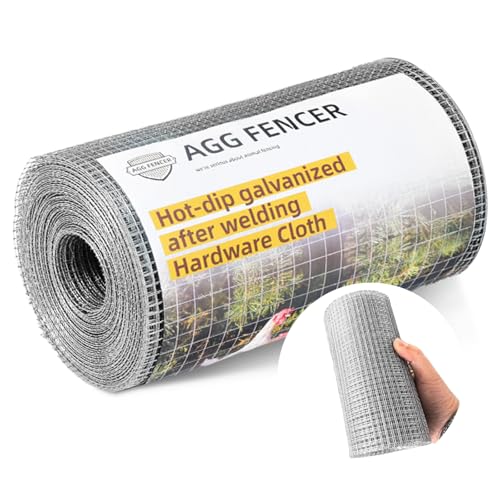
Product details: The length of this hardware cloth is 8 inches/ 20.32cm, the width is 25ft/ 7.62m, and the hole size is 1/4 x 1/4inch. It is very suitable for repairing damaged chicken coops, gaps under houses and other small-sized damaged holes
Maximizing Comfort With Proper Ventilation and Insulation
Proper ventilation and insulation work together as critical components that determine your chickens’ health and comfort throughout the year. For your 12-hen coop, you’ll need at least 3-4 square feet of ventilation openings, positioned strategically for effective airflow management. Install vents both above roosting bars and below to create pressure zones that drive air circulation. A static pressure gauge will help you monitor and adjust ventilation effectiveness.
For ideal temperature control, maintain the coop between 55°F and 75°F using a combination of insulation and ventilation. Apply foam board or reflective insulation to walls and ceiling, but don’t over-insulate. You’ll need mechanical ventilation with variable-speed fans maintaining 500 feet per minute air velocity to remove moisture and regulate temperature. In extreme conditions, integrate heaters or dehumidifiers while ensuring continuous ventilation to prevent dampness and maintain air quality. A well-designed nesting box setup integrated with proper ventilation ensures both comfort and optimal egg production.

- Built-in 2500mAh Battery for Night & Cloudy Days: 25W Solar Panel + 2500mAh Battery – All-Day Power: Upgraded 25W high-efficiency solar panel charges 30% faster than standard 15–20W models—fully charged in about 4 hours of sunlight. Built-in 2500mAh battery supports 5–8 hours of night use and slow-charges even on cloudy days to prevent downtime. In extremely low temperatures, install the controller inside a shelter to prevent battery performance issues.

【Pays for Itself via 13W DC Motor】 Cut your utility bills by 76% compared to outdated AC models. This energy-efficient DC drive runs cold without heat buildup, extending lifespan while delivering powerful ventilation. A smart investment that returns value through long-term electricity savings.

*Cool & Fresh Air: The solar powered fans can provide higher wind speeds to effectively cool and fresh the air , remove dust and odors and allow fresh air to enter. It’s an excellent ventilation solution for small greenhouse, chicken coop, shed, pet house, attic, camping, window fan, Outside & Inside. Suitable for a space of 9 square meters (6ft. x 6ft)or smaller, large space can buy more fans.
Installing Nesting Boxes and Roosting Areas
The layout and installation of nesting boxes and roosting areas require careful attention to maximize egg production and guarantee your chickens’ comfort. For your 12 hens, you’ll need 3-4 nesting boxes measuring 12-14 inches square, mounted 18 inches above the floor. Line boxes with clean, soft bedding to protect eggs and maintain proper hygiene. Your nesting box design should include a 4-6 inch front lip and a 45-degree sloped roof to prevent perching. Create a dark environment to encourage consistent egg-laying behavior. Having additional boxes available helps prevent competition when multiple hens prefer the same nesting spot.
Position roosting bars higher than the nesting boxes, allowing 8-10 inches of space per hen. Install smooth, rounded wooden perches 2-3 inches in diameter, spaced 12-15 inches apart. The roosting bar height should accommodate natural chicken behavior while discouraging hens from sleeping in nesting areas. Add curtains to boxes for privacy, and include a perch strip 6 inches from the entrance to facilitate easy access.

SUSTAINABLY SOURCED: The aspen used for our nest box pads are sourced only from forest product companies that are members of the Sustainable Forestry Initiative program.
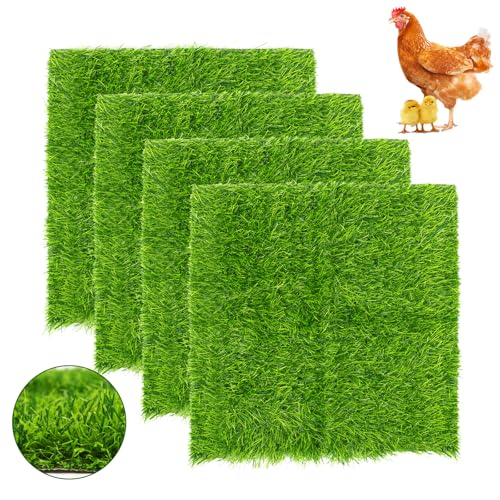
Well Made: The chicken nesting pads Made of premium PE, PP, and rubber materials, which can be reused easy to clean, saving you time and money

Complete Set for Versatile Use:This nesting pads for chicken coop set includes 8 nesting pads and 4 realistic wooden fake eggs, providing a perfect combination for daily use. It's not only great for chicken coops but also versatile enough for other small pets such as dogs, rabbits, guinea pigs
Time-Saving Features and Maintenance Solutions
When designing your chicken coop, incorporating automated systems and practical maintenance features will greatly reduce daily labor while improving overall flock health. Install automatic feeders and nipple waterers to guarantee continuous access to fresh food and water while minimizing contamination risks. Position water reservoirs outside the coop to reduce refilling frequency. The beneficial microbes naturally break down waste and bedding material, creating a healthier environment for your chickens. Consider implementing a deep litter method that only requires thorough cleaning once or twice annually. Mount droppings boards beneath roosts and use smooth, non-porous materials for easy cleaning routines. You’ll find that automatic cleaning systems, like removable floor pans and slanted surfaces, considerably decrease maintenance time. Install an automatic door with light sensors to secure your flock without manual intervention. Consider programmable feeding systems that prevent waste and LCD-controlled doors that adjust to seasonal changes. A well-designed coop should include exterior nesting boxes for convenient egg collection without disturbing the hens. These time-saving features, combined with proper space optimization, will streamline your daily coop management tasks.