
You’ll need several key supplies to raise backyard chickens successfully. Start with a secure coop providing 60-80 square feet of indoor space for 12-16 chickens, positioned 30 feet from your house. Install proper feeding equipment like hanging feeders and water management systems with nipple waterers. Stock essential health supplies, bedding materials, and predator protection measures including ¼-inch hardware cloth. Understanding these foundational elements will help you create a thriving flock environment.
Building the Perfect Chicken Coop
When starting on a backyard chicken venture, constructing a well-designed coop serves as the foundation for successful poultry raising. Your coop design should incorporate essential elements like proper ventilation, secure flooring, and predator protection. Position the structure 30 feet from your house in a well-drained area with adequate sunlight. Consider a Victorian-style design for an attractive addition to your backyard that combines functionality with aesthetics.
Start by establishing a concrete foundation and constructing a sturdy frame with quality lumber. A properly built coop can house 12 to 16 chickens comfortably with the right dimensions. Plan for 60 to 80 square feet of indoor space to ensure optimal comfort and health. Include insulation materials between wall frames to regulate temperature. Install roosting bars, allowing adequate space per bird, and provide one nesting box for every three hens. Don’t forget to add windows for natural light and ventilation, but secure them with hardware cloth. Your coop’s maintenance features should include easy-access doors for cleaning and egg collection, plus a roof overhang to protect against weather elements.

【Effortless Mobility】 This Chicken Tractor Wheels features an innovative wheeled ginger system that easily transforms your chicken coop into a mobile one, reducing the heavy labor of moving your coop. It's the perfect choice for backyard farming or DIY chicken coop building.

ALL-IN-ONE CHICK STARTER KIT: This set includes everything you need for your new hatchlings. It comes with a spacious 45" brooder, a specialized feeder, a waterer, and a cleaner designed specifically for chicks, ducklings, and other small birds to stay healthy- making it a homesteading and smallholding starter kit for home-grown and self-sustainable living

11-PIECE COMPLETE FARM SET: Includes a detailed rooster, 2 hens, chicks, 12 eggs, egg carton, ramp, fencing, and working basket to create a fully equipped chicken coop scene for immersive, hands-on farm storytelling fun.
Setting Up a Safe Outdoor Run
Creating a secure outdoor run forms an essential component of your backyard chicken setup, as it provides both exercise space and protection from predators. Start by installing pressure-treated wooden posts or T-posts around your run’s perimeter, framing with 2×4 lumber for stability. Space posts at six-foot intervals for optimal structural support. For ideal run dimensions, plan for 10-32 square feet per bird and maintain a minimum width of 4 feet.
Use 14 GA or 8-10 GA welded wire fencing secured with zip ties and poultry staples for walls, and consider a solid roof or wire covering to deter aerial predators. Install quarter-inch hardware cloth throughout the structure to prevent entry from smaller predators and snakes. Consider adding motion sensors near entry points to alert you of potential predator activity at night. Don’t forget environmental enrichment features like shade structures and dirt floors for dust bathing. Bury fencing 12 inches deep or install a hardware cloth apron to prevent digging predators, and verify all access points have two-step latches for security.
Must-Have Feeding Equipment
Selecting appropriate feeding equipment stands as a critical investment for maintaining healthy backyard chickens. You’ll need to choose feeders materials that match your flock’s size and environment – plastic offers affordability and easy cleaning, while metal provides superior durability. Consider hanging feeders to prevent contamination from dirt and droppings, or gravity-fed systems to reduce daily maintenance. Teaching children about proper chicken care and feeding can be enhanced through educational books that combine storytelling with practical farm knowledge. Treadle feeders are an excellent choice for preventing feed waste while keeping rodents and wild birds away from your chicken feed.
Your feeding techniques should incorporate proper sizing and placement. Start with smaller feeders for chicks, then upgrade to gallon-sized options as your flock grows. Don’t forget essential accessories like feed storage bins with tight-fitting lids, cleaning tools, and feeding scoops. Multi-compartment feeders allow you to offer different feeds simultaneously, while elevated mounting helps keep feed dry and minimizes pest access. Using grit containers helps ensure proper digestion and egg production in your flock.

EXTRA LARGE FEED STORAGE. The OverEZ chicken feeder allows three birds to feed at once and holds up to 50 pounds of feed to avoid recurring maintenance. With a chicken coop accessory this efficient, you’ll only have to refill every 4-6 weeks for 3-5 hens, 2-3 weeks for 6-11 hens, or every 1-2 weeks for 12-15 hens.

50LB Large Capacity for Fewer Refills – Designed for backyard chicken owners who want less daily maintenance, this large automatic chicken feeder holds up to 50 pounds of feed, helping keep your flock fed for days while reducing constant refilling and feed waste.

[12 Feeding Ports - Faster Feeding] Improve coop efficiency and reduce competition. This automatic chicken feeder features 12 ports, allowing 10+ hens to eat at once without crowding. Designed as a chicken coop feeder and poultry feeder, it helps reduce pecking-order stress so even timid hens can feed comfortably. Ideal for growing flocks and backyard chicken keepers
Water Management Systems
Along with proper feeding equipment, a reliable water management system forms the backbone of backyard chicken care. For ideal hydration essentials, install horizontal nipple waterers that minimize spillage and contamination. These systems work well with chickens, ducks, and other poultry while requiring minimal force to activate. A quality system with four leak-proof nipples provides adequate water access for most small flocks.
Choose food-safe materials like BPA-free plastic or PVC for your water filtration setup. You’ll need multiple watering stations to reduce competition among your flock. Consider bucket or barrel systems with attached nipples for small to medium flocks, as they’re cost-effective and easy to maintain. A quality bell-type valve waterer can prevent chickens from roosting on top of the system. A simple vacuum-sealed bucket system can provide consistent water flow without overflowing. In cold climates, invest in freeze-proof options with heated bases. Regular maintenance includes checking for leaks, tightening fittings, and preventing algae growth through consistent cleaning. Replace worn parts promptly to guarantee reliable access to clean water.

【Complete Chicken Watering Kit】Includes 12 horizontal poultry nipples, 12 rubber gaskets, 12 wing nuts, a drill bit, 1 installation tool,and leakproof tape. Everything you need to easily set up a durable and efficient watering system for your chickens

🐔【Leak Proof Design】:The chicken nipple waterer features a more pressure resistant tapered thread design. Simultaneously using sealing tape, rubber washer, wing nut, and other materials with good sealing properties can effectively fill the small gaps between interfaces and prevent moisture leakage. Keep the chicken coop dry and clean.

【Easy & Quick Installation】Simply screw the horizontal nipple drinkers onto the tee fittings and connect to a 1/2-inch PVC pipe. Installation is straightforward and requires no glue for assembly. Includes 15 nipples, 15 tee fittings, 15 sealing gaskets, and 1 waterproof tape. to help you easily set up an automated watering system.
Health and First Aid Essentials
Maintaining a well-stocked first aid kit is essential for addressing common health issues in your backyard flock. For effective illness detection, monitor your chickens for signs like hunched posture, ruffled feathers, respiratory distress, or changes in droppings. Stock your kit with antimicrobial sprays, wound treatment supplies, and basic tools including tweezers, scissors, and non-stick gauze. Dried herbs like oregano for antibiotics can provide natural healing support for minor ailments. Consider adding oregano oil supplements, which contain natural carvacrol compounds that boost immune function and improve intestinal health.
Keep specialized items like Vetericyn Plus, Blu-Kote spray, and Vetrap bandaging tape for treating injuries. You’ll need protective gear such as disposable gloves and supplementary items including vitamins, electrolytes, and probiotics. Include diatomaceous earth powder for natural pest control in your coop and dust baths. Set up a dedicated isolation area for sick or injured birds, and maintain easy access to veterinary contact information. Consider adding herbal remedies like basil and ginger to support overall flock health and recovery.
Bedding and Nesting Materials
The right bedding and nesting materials form the foundation of a healthy chicken coop environment. When selecting bedding options, you’ll find that pine wood shavings offer excellent absorbency and odor control, while hemp provides superior moisture management but at a higher cost. Straw remains popular for its accessibility and insulating properties, though it can harbor rodents and mold if not properly maintained. Sand provides excellent drainage and can last years with proper maintenance. Pine shavings also make an excellent choice due to their moderate absorbency levels compared to other bedding materials. Consider placing chicken wire beneath bedding materials to prevent excessive scratching and digging behaviors.
For nesting preferences, focus on materials that provide softness and cushioning to prevent egg breakage. Pine shavings and hemp are ideal choices, as they’re both low in dust and offer good moisture control. You’ll want to avoid cedar shavings in the main coop area due to potential respiratory issues, though they can be used sparingly in nesting boxes. Remember to refresh nesting materials regularly to maintain cleanliness and prevent bacterial growth.
Temperature Control and Lighting
Proper temperature control and lighting serve as critical factors in maintaining a healthy, productive chicken coop environment. You’ll need reliable thermometers to monitor internal temperatures, aiming to maintain 40-45°F for ideal health and egg production. To achieve effective thermal regulation, install thermostats or timers that automate heating devices while preventing energy waste. When temperatures drop significantly, chickens will experience reduced egg production as they divert energy to staying warm. While adult chickens can tolerate sub-freezing temps, they need protection from drafts and moisture to stay healthy.
Placing your coop in a strategic location away from harsh northwest winds can significantly reduce heating needs. Consider using flat panel heaters instead of heat lamps in cold regions, as they’re safer and provide more stable warmth. To minimize temperature fluctuations, incorporate thermal mass materials like heavy stones or concrete in your coop design. Position these on south-facing walls to maximize solar heat absorption. Don’t forget to maintain proper ventilation through adjustable vent hatches, which help control humidity while preserving warmth. Monitor humidity levels alongside temperature to prevent frostbite and respiratory issues.
Predator Protection Measures
Beyond climate control, effective predator protection stands as your first line of defense for backyard chickens. You’ll need hardware cloth with ¼-inch or smaller mesh for all openings, as chicken wire won’t stop determined predators. Install this barrier at least 6-12 inches below ground, extending outward to prevent digging. Use two-step locking mechanisms on all doors to outsmart raccoons. Guardian animals like Great Pyrenees dogs can provide an additional layer of protection for your flock. Night attacks are especially common from raccoons, who can devastate an entire flock quickly.
Your predator identification techniques should focus on recognizing local threats through tracks, damage patterns, and timing of attacks. Implement effective deterrent strategies by covering runs with sturdy netting, installing motion-activated lights, and maintaining multiple escape routes for your flock. Keep vegetation trimmed around the coop and remove potential hiding spots. Most importantly, secure your chickens inside a locked coop every night and regularly inspect for signs of attempted entry. Using welded wire mesh for your coop’s construction provides superior protection against raccoons trying to break through weaker materials.
Egg Collection and Storage Tools
Successful egg collection begins with reliable nest boxes mounted 2 feet above your coop floor, featuring a gentle 10-15 degree slope to guide eggs into protected collection areas. Install cushioning materials like Astroturf to prevent cracks during roll-off, and make certain collection trays are easily removable for cleaning. Automatic collection systems can significantly reduce labor time while improving sanitation standards.
Your egg basket options should include durable plastic or wicker containers with proper ventilation. Consider using suction cup egg pickers for hard-to-reach spaces and specialized rubber brushes for gentle cleaning. For egg storage techniques, select breathable cartons or controlled humidity containers to maintain freshness. Store eggs in cool environments between 50-70°F, and use labeled containers to track inventory. To improve efficiency, organize your collection tools strategically and consider ergonomic tools like long-reach grabbers to reduce physical strain during daily gathering.

14 Slots - The trays are sized 13.5 x 4.2 inches and 3 inches deep with 14 vacant spaces. Each space holds the eggs firmly to avoid any kind of bruise or damage
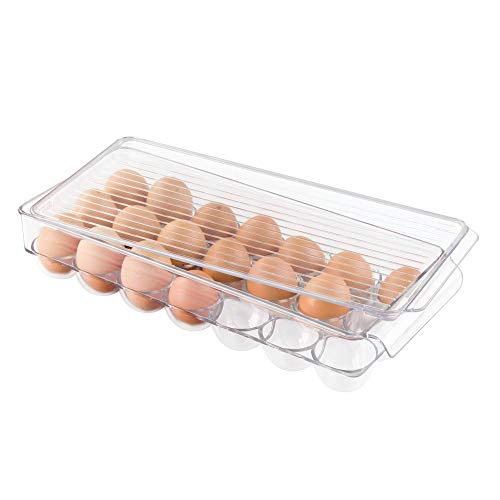
21-EGG CAPACITY WITH LID - Keep eggs fresh and protected with this Clear Plastic Egg Holder from iDesign; Stores 21 eggs in individual slots with a clear lid that makes it easy to inventory eggs at a glance and allows for easy stacking

Large Capacity:Plastic refrigerator egg trays has a length of 12.4 in,a width of 9.2 in and a height of 2.2 in.Each tray has 24 slots and can hold 24 eggs.Using this egg carton can keep every piece of your egg fresh.
Daily Maintenance Equipment
After mastering your egg collection setup, you’ll need a thorough set of daily maintenance tools to keep your flock healthy and productive. Your cleaning routine should include a small shovel, kitty litter scoop, broom, and dustpan for efficient waste removal. Keep buckets handy for transporting debris and cleaning waterers. A well-stocked first aid kit should be easily accessible during your daily maintenance checks. Keep a supply of insoluble grit available to support proper food digestion in your chickens.
For effective waste disposal, maintain a designated compost bin for manure and soiled bedding, which you can later use as garden mulch. You’ll need protective gear like gloves and masks when handling waste materials. Stock up on mild cleaning agents such as vinegar or diluted bleach solutions for safe sanitation. Don’t forget replacement bedding materials – straw, pine shavings, or sand – to maintain clean nesting areas and floor coverage. A rake helps maintain tidy runs and smooth out dust baths.

Eliminate Ammonia Instantly: Our enzymatic chicken coop cleaner neutralizes ammonia at the source for a smell-free home for chickens and ducks. A fragrance-free coop deo spray, it dissolves odors deep within wood, sand, and bedding without using perfumes
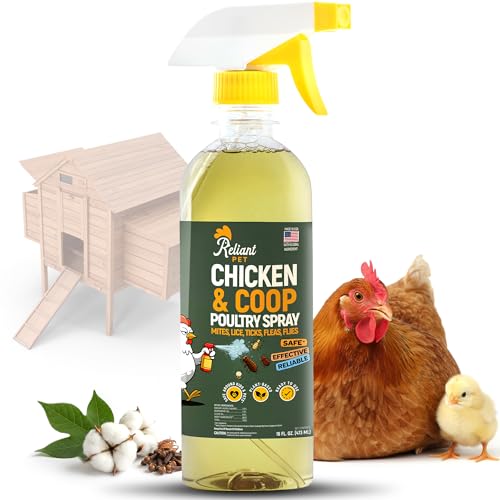
SAFE & EFFECTIVE: Our plant-based chicken mite spray delivers powerful punch without the harsh chemicals found in traditional poultry sprays. Safe to use around your entire flock when used as directed, this gentle formula is tough on mites, lice, fleas, and flies - making it the smarter, safer choice for backyard chicken keepers, small farms, and homesteaders who want real results without the risks

100% natural mineral odor eliminator for chicken coops - contains no perfumes, additives or chemicals