You’re probably wondering why your chickens are dropping tar‑like black poop and whether it’s serious. Here’s the thing: if the stools are just dark because of charcoal, iron, or black‑colored feed and the birds stay lively, it’s usually harmless; but if the poop looks glossy, sticky, or has mucus, or if the birds show weakness, loss of appetite, or a sudden drop in egg production, it signals upper‑GI bleeding, coccidiosis, or toxin ingestion and needs prompt vet care. Obviously, monitor for 24–72 hours, isolate any sick bird, and check feed for mold or toxins; if the black droppings persist beyond a day with any of those warning signs, call a veterinarian now. Keep an eye on the flock and you’ll know when to act.
What Black Chicken Poop Means & Immediate Concerns
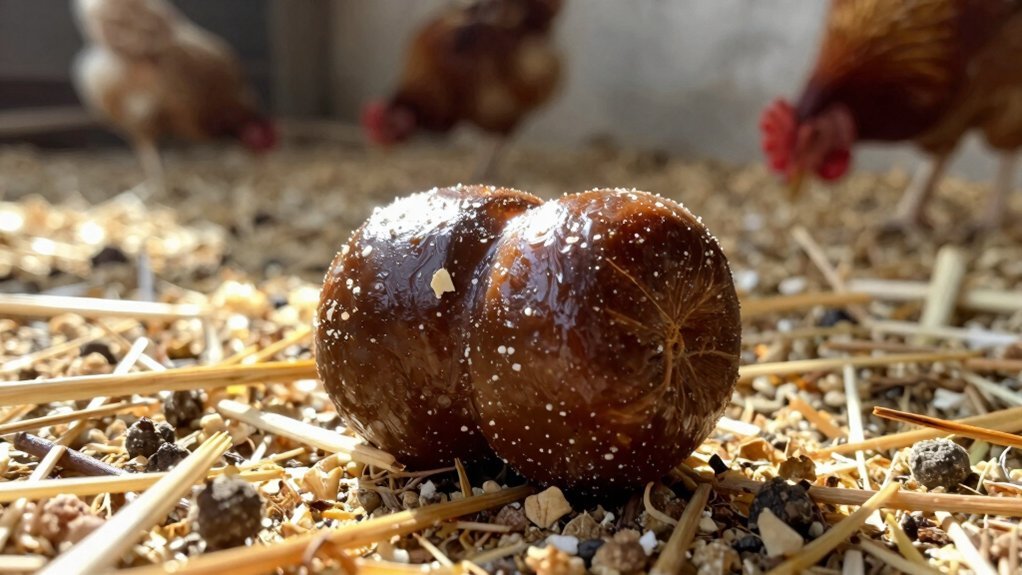
What does black chicken poop actually mean? You’re probably wondering why the droppings look like tar. The dark color usually signals digested blood—melena—coming from the upper gut, such as a gizzard ulcer or duodenal bleed. It isn’t just dietary discoloration; it’s a red flag that blood met stomach acids and turned black before exiting.
What disease could cause this? Coccidiosis, necrotic enteritis, and severe gastrointestinal bleeding often produce tar‑like stools. Bacterial overgrowth can damage the intestinal lining, leading to bleeding and the same black hue. Look for loss of appetite, lethargy, or reduced egg production—these symptoms amplify concern. Since coccidiosis is a common cause of such bleeding, treatment often involves administering Corid in drinking water to effectively eliminate the parasites. This medication works by mimicking thiamin to cause the coccidia parasites to starve, thus controlling the infection effectively. While diet can sometimes alter fecal color, dark-colored berries typically result in dark blue-black droppings rather than the true tar-like consistency of melena.
What should you do next? Monitor the flock for persistent black droppings and any accompanying weakness. If the issue lasts more than a day or you see mucus, diarrhea, or a drop in feed intake, call a vet promptly. Early intervention can prevent a minor bleed from becoming a fatal outbreak.
The presence of digested blood indicates a serious internal issue.
Non‑Disease Causes of Black Chicken Poop
You’re probably wondering why a few droppings look like tar even though the flock seems fine. The first thing to check is whether you’ve introduced a feed change. Dark pigments from charcoal, black‑soldier‑fly larvae, or iron supplements can pass straight through, turning droppings a deep brown‑black without harming the bird.
What diet tricks can cause black stools?
If you added a new mash or a herbal supplement, the pigments may stain the feces for a day or two. Even ash‑filled bedding or accidental ingestion of soot can mimic a problem.
Why does cecal variation matter?
Cecal droppings naturally appear darker and smell stronger; a single tar‑like piece often just reflects a later stage of digestion.
Takeaway
Monitor behavior, appetite, and consistency. If the birds stay active and eat normally, the color shift likely stems from diet or environmental exposure, not disease. Next, review your recent feed change and any new supplements. Since chickens are omnivores that benefit from diverse protein sources, consuming organic insects or specific dark feed ingredients like peas and barley can also temporarily alter stool coloration without indicating illness. Research indicates that feeding black soldier fly larvae is a safe, protein-rich alternative that does not negatively affect egg quality or taste. It is crucial to ensure these grubs are free from contaminants and have not been fed harmful substances like roadkill before offering them to your flock.
Digestive Bleeding That Causes Black Chicken Poop
When you see tar‑black droppings and wonder if your chickens are bleeding, you’re on the right track. The dark color means melena—digested blood from the upper GI tract. You’ll often find lesions in the crop, gizzard, proventriculus, duodenum, or small intestine. Acid and enzymes break down hemoglobin, turning it a tar‑like shade as it moves through the gut. While upper GI issues cause black stool, a yeast infection in the crop known as sour crop typically results in fluid buildup and a sour smell rather than digested blood. This condition is frequently triggered by factors such as damp or moldy feed which compromise the bird’s digestive health.
What does this look like in practice? Chickens may be depressed, eat less, and show pale combs. Weight loss and lower egg production follow because the gut can’t absorb nutrients. Persistent black droppings demand a vet visit.
How do you confirm it? Biochemical diagnostics such as fecal occult blood tests, CBCs, and serum chemistry reveal anemia and internal bleeding. A necropsy can expose gizzard ulcers or intestinal necrosis. If the lesion is severe, surgical interventions might be required to repair a perforated ulcer or remove a damaged portion of the intestine.
Takeaway: Black droppings usually signal upper‑GI bleeding; get biochemical diagnostics promptly and discuss surgical options if the vet finds a serious lesion. Next, ask yourself whether your flock shows other signs like diarrhea or emaciation, and plan a vet exam. While black poop indicates internal bleeding, distinct conditions like Vent Gleet present with external swelling and discharge around the vent rather than digested blood in the droppings.
Infectious & Parasitic Reasons for Black Chicken Poop
You’re probably wondering why those tar‑black droppings appear even when you’ve ruled out bleeding.
What parasites cause black poop?
Coccidiosis, driven by *Eimeria* oocysts, damages the gut lining so blood digests into tar‑like feces. Young birds lack immunity, so a single litter can spread oocysts through environmental transmission—contaminated litter, water, boots, or tools. While these chicken-specific parasites rarely infect humans, practicing good sanitation is essential to reduce any chance of zoonotic transmission and maintain a healthy flock. Worms such as roundworms or tapeworms irritate the gut, producing dark, greasy droppings and weakening immunity. Specific parasites like gapeworms affect the respiratory system resulting in coughing and gasping, while eye worms cause swollen, irritated eyes that may accompany other systemic signs of infestation.
How do bacterial infections fit in?
Clostridial disease and other enteritis inflame or ulcerate intestines, turning droppings nearly black. Stress, spoiled feed, or a disrupted microbiome lets harmful bacteria overgrow, often alongside coccidia.
Takeaway
If you see tar‑black poop, check for coccidia oocysts, worm eggs, and bacterial signs; clean the environment and run a fecal exam. Next, consider a targeted treatment plan using Amprolium soluble powders to effectively control the coccidiosis outbreak and restore flock health.
Warning Signs That Black Chicken Poop Is an Emergency?
Is black poop just a harmless color change or a red‑flag emergency? You’re right to wonder—black, tar‑like droppings can hide digested blood, and that’s never a good sign. Here’s the thing: if the stool appears glossy, sticky, or you see blood‑stained mucus, treat it as an emergency. Weakness, depression, loss of appetite, or a sudden drop in egg production paired with the dark poop means the bird is fighting internal bleeding or a severe digestive injury. Now, watch for hunched posture, fluffed feathers, or rapid lethargy; those are poison symptoms that demand immediate veterinary care. Call your emergency contacts—veterinarian, local animal health line—without delay. Take action now; the sooner you intervene, the better the chance of saving your chicken. Internal bleeding can also be indicated by black, tar‑like droppings that are glossy or sticky. While these specific signs point to hemorrhage, remember that bacterial infections like Salmonella can also cause severe intestinal inflammation and diarrhea that may alter droppings, requiring strict hygiene and appropriate medication to resolve. Early detection is critical because antibiotic treatment is often effective only before symptoms become severe, whereas advanced cases may not respond to medication and could require invasive options. It is important to note that despite optimal care, sudden death can still occur unexpectedly in chickens due to the complex nature of conditions like Sudden Death Syndrome.
How to Monitor Black Chicken Poop for 24‑72 h
How do I start tracking black droppings for the next few days? You’ll need a simple notebook or phone app and a pen. Log each dropping’s time, color, texture, smell, and whether a white urate cap appears. Note if it’s watery or thick, because cecal poop looks pasty and foul‑smelling.
Now, set a logging frequency of about 12‑15 entries per day, matching a healthy chicken’s output. Write each observation in real time; this prevents gaps that hide patterns. Ensure you also verify that your flock has not consumed moldy feed, as toxins from fungus can cause digestive issues and fatal liver damage that manifest in abnormal droppings. Heavy worm burdens significantly reduce health and feed efficiency, so watch for signs of internal parasites during your monitoring period. While diet often explains color changes, be aware that serious health issues can also alter droppings and require prompt veterinary attention.
All right, after 24‑72 h review the list for trend identification. Look for repeated black droppings, persistence, or any shift toward blood, mucus, or watery consistency. If the bird stays bright, eats well, and only shows occasional dark cecal drops, the cause is likely dietary.
Takeaway: Consistent, detailed logging lets you spot abnormal trends quickly, so you know when to act. Next, consider whether any other symptoms appear that might need further attention. Green droppings can indicate a dietary issue or a potential illness.
Immediate Steps When Black Chicken Poop Indicates Bleeding
Any time you see tar‑black droppings, it could be melena—digested blood from the upper gut—so you need to act fast.
What should you do first?
Now, isolate the bird. Move it to a clean, dry pen, use dedicated feeders, and keep the area warm and quiet. This limits infection isolation and stops coccidial oocysts from spreading.
How do you stop the bleed?
Check feed for mold or sharp grit that could injure the gizzard. Remove any suspected toxins and give fresh water to prevent dehydration. Offer probiotics to help gut stability while you monitor blood clotting signs like pale combs.
When must you call a vet?
If the bird shows lethargy, vomiting, or rapid drop in weight, seek veterinary evaluation immediately. Early treatment can prevent severe blood loss and improve recovery.
Takeaway: isolate, cleanse, hydrate, and act fast—then call a vet if the bird worsens.
How to Change Feed to Stop Black Chicken Poop Alarms
How do you know the feed is safe?
Do quality checks before blaming the flock. Look for mold, musty odor, clumping, or insect damage. Verify expiration dates, especially if the feed sat in warm, humid storage. Fresh fats and oils are essential; rancid oil can darken droppings fast. Compare the new label with the old one for sudden jumps in corn, protein, or fiber. Ensure the diet maintains balanced nutrition tailored to the specific life stage of your chickens to prevent digestive upset.
What’s the bottom line?
A slow, steady switch plus thorough quality checks usually stops the black‑poop alarm. If the dark stools linger after ten days, consider a vet visit. Next, think about supporting recovery with water and easy‑digest foods. Excess fiber can also cause black/gray droppings. Always ensure your flock has access to fresh water constantly to maintain digestive health and prevent issues related to dehydration or poor nutrient absorption.
Supporting Recovery With Water & Easy‑Digest Foods
You’re probably wondering why water and bland foods matter after you’ve switched feed.
How does water temperature monitoring help?
Now, you’ll notice chickens drink more when water is cool, especially in heat stress. Keep the temperature steady—around 15‑20 °C—so they sip continuously rather than gulping huge, erratic amounts. This steady intake supports kidney function and eases gut irritation.
Why use oral electrolyte administration?
Here’s the thing: diarrhea or fever drains salts, so a balanced electrolyte solution restores fluid equilibrium faster than plain water. Add the recommended dose to the drinking line, and you’ll see droppings become less watery and more formed within a day or two.
What easy‑digest foods should you offer?
All right, give plain cooked rice, scrambled eggs, or a commercial recovery mash in small portions. These foods are gentle on the gut, supply quick energy, and won’t aggravate bleeding or inflammation.
Takeaway: Cool, clean water with electrolytes plus soft, bland feed accelerates recovery. Next, monitor droppings and appetite to decide if you need a vet’s input.
When to Call a Vet for Black Chicken Poop
Understanding why black droppings worry you is the first step toward the right response.
When does black poop mean emergency?
If your bird looks lethargic, hunched, or has closed eyes, call a vet right away. Add any loss of appetite, reduced drinking, or drop in egg production and you have a clear red flag. Visible blood in the stool, even tiny specks, also demands immediate attention.
What does persistent blackening suggest?
When black droppings continue for several days without a dark‑food cause, it often points to internal bleeding, ulcers, or coccidiosis. Color analysis helps you differentiate a harmless charcoal effect from a serious gastrointestinal issue. Vent inflammation can also cause abnormal droppings.
How to act?
Take a fresh sample, note any diarrhea, swollen belly, or respiratory signs, and bring it to the vet. Prompt testing can reveal worms, parasites, or toxins before the flock deteriorates.
Takeaway: If you see any of these signs, don’t wait—call your vet now.
Next step: Gather a sample and monitor your birds for changes in behavior or egg output.