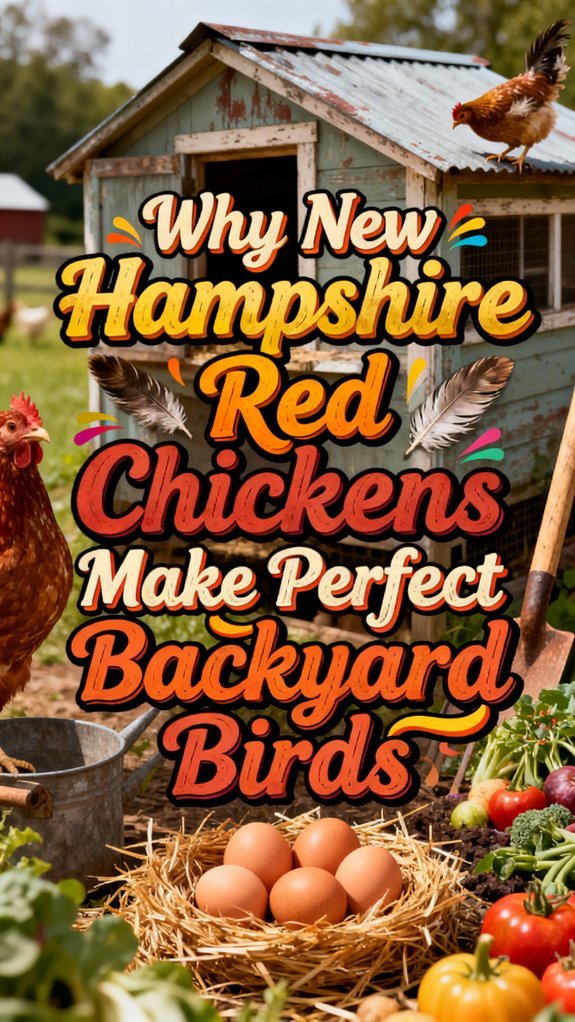
You’ll find New Hampshire Reds deliver consistent performance: 200-260 eggs yearly with large brown eggs even in winter. They’re docile, family-friendly, and moderate in noise—ideal for suburban settings. These hardy birds thrive in sub-zero temperatures and warm climates alike, requiring minimal heating infrastructure. Their active foraging behavior reduces feed costs while controlling pests naturally. As dual-purpose birds, they offer both reliable egg production and meat value. Uncover how their low-maintenance design maximizes your backyard investment.
Consistent Egg Production Year-Round
New Hampshire Red chickens excel at delivering consistent egg production throughout the year, with most flocks averaging 200-260 eggs annually—a reliability that makes them particularly valuable for backyard operations. You’ll notice that while seasonal variations do occur, these birds maintain dependable output even during winter months when many heritage breeds substantially slow production. Their egg production efficiency stems from selective breeding that prioritized year-round laying capability. Pullets reach point of lay around 20-22 weeks, establishing your supply quickly. Though cold weather slightly reduces output, you can count on New Hampshire Reds for steady performance regardless of season. This consistency guarantees you’ll have a reliable egg supply without dramatic production fluctuations that challenge other breeds. Their large brown eggs are characterized by consistent size and quality, making them equally prized by small homestead operations and commercial producers alike. Additionally, like the Australorp breed, New Hampshire Reds demonstrate a friendly temperament, which is important for backyard settings. Notably, they can produce between 5 to 6 eggs per week on average, further enhancing their appeal for egg enthusiasts. Proper coop maintenance, including deep cleaning and mite prevention strategies, ensures that your flock remains healthy and productive year-round.


PawHut 77 in. Green Wooden Chicken Coop 0.00037-Acre In-Ground w/Weatherproof Roof, Poultry Fencing and Removable Tray D51-092GN

Vibrant Outdoor Decor: Elevate your garden, patio, or yard with Caroline's Treasures Garden Flag, featuring stunning artwork that adds a pop of color and personality to your outdoor space.
Docile Temperament and Family-Friendly Nature
Beyond their reliable egg output, Hampshire Reds distinguish themselves through a calm, approachable temperament that makes them well-suited for family flocks and beginners. You’ll find these birds generally friendly and tolerant of handling when socialized early from chick stage. Their moderate noise level keeps suburban disturbance minimal, while their predictable behavior simplifies mixed-flock management. Additionally, they are known for their impressive egg-laying capabilities, averaging about 200 eggs annually, which is ideal for families seeking both companionship and utility.
Thanks to their gentle personalities, Hampshire Reds can easily be integrated into flocks with other breeds, fostering a harmonious environment. You can confidently pair Hampshire Reds with similarly robust breeds, and their fast feathering supports stable pecking-order establishment. Furthermore, incorporating herbs like lemongrass’s benefits can enhance their overall health and contribute to well-being in your backyard flock. Their moderate size—hens around 6.5 pounds—balances robustness with manageable weight for supervised lifting by children. Additionally, ensuring they have access to adequate space can reduce stress and promote healthy interactions within the flock. When integrating new members into your flock, careful monitoring of flock hierarchy ensures smooth social dynamics and reduces conflict among birds.
Source birds from reputable breeders emphasizing temperament selection, as variation exists between strains. Early chick handling reinforces docility and reduces later aggression. This investment in calm handling practices yields personable birds that respond well to routine interactions and human presence, making them ideal family companions.
Hardy Birds Built for Any Climate
Developed in early 20th century New England as reliable egg producers, Hampshire Reds inherit exceptional cold tolerance that lets them thrive where temperatures routinely dip below zero. Their rapid feathering and deep, broad body structure provide natural insulation for harsh winters while maintaining heat tolerance for warmer climates. Fresh sage, an excellent nutritional supplement, can also be beneficial for their overall health when fed appropriately. To ensure their comfort and well-being, it’s important to provide a safe, comfortable environment with adequate shelter. Additionally, offering high-energy treats during the winter can help them maintain body heat. Using pellet bedding in their coops can also enhance their living conditions by keeping the space dry and minimizing odors, which is essential for their health and comfort.
You’ll find their climate resilience stems from selective breeding for fast maturation and growth in demanding conditions, which is a characteristic of free-range chickens. These birds handle moderate confinement effectively yet prefer foraging, adapting seamlessly to free-range environments across varied weather patterns. Their calm and confident temperament makes them ideal companions for busy family yards. Their cold adaptability means you won’t need elaborate heating systems; they’ll continue laying consistently throughout winter when properly housed.
Whether you’re managing a northern homestead or southern backyard, Hampshire Reds deliver the rugged, low-maintenance performance that defines heritage breeds.

Natural Aspen Shavings:Made of natural aspen wood and processed to reduce dust, these shavings have a fresh woody scent, are fluffy and comfortable, making them ideal for chicken coop bedding

4X ABSORBENCY – Old Dominion Hemp bedding absorbs up to 4x its weight, keeping your chicken coops, small animal enclosures, and keep reptile habitats fresh. Ideal for a low-maintenance and fresh-smelling environment.

Our Product Includes: 1 lb of poplar wood shavings pet bedding, this product is compressed packaging, please rub the wood shavings with your fingers before use.
Excellent Foraging and Low Maintenance
Because Hampshire Reds possess an active, curious foraging behavior, you’ll notice they efficiently unearth insects, seeds, and vegetation across your yard or pasture—effectively supplementing commercial feed while diversifying their diet. Their ground-scratching habit reduces pest and insect populations, lowering your reliance on chemical interventions.
You’ll experience measurable feed-cost savings as their foraging partially replaces formulated feed intake. This diet diversity builds flock resilience during feed shortages or price fluctuations. Their tolerance for confinement allows flexible management—rotating grazing areas prevents yard denudation while protecting landscaping.
The natural exercise from foraging strengthens muscle tone and bone density, decreasing obesity-related welfare issues. Their alert, predator-savvy behavior during free-ranging adds another layer of protection. Combined with standard parasite control, their foraging reduces environmental pest burdens, supporting steady health and productivity with minimal supplemental inputs. New Hampshire Reds maintain consistent egg production even while expending energy on foraging activities, ensuring reliable returns alongside the benefits of reduced feed costs.

REAL VEGGIES FOR HEALTH: Crafted with real pieces of beets, peas, sweet potatoes, and broccoli, this treat provides wholesome nutrition and natural flavors that your flock will enjoy while supporting their overall health and vitality.
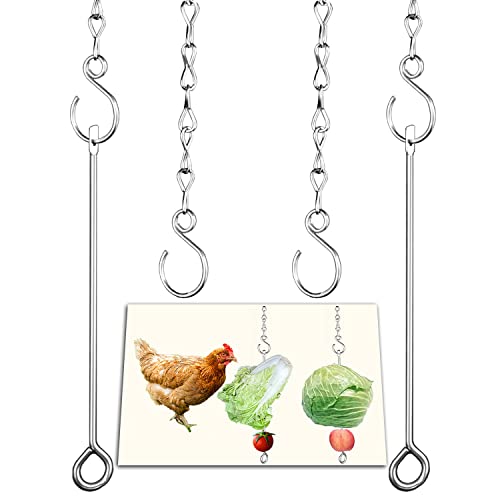
The feeder skewer built with 304 stainless steel, rustproof and safe for your favorite pets

HIGH PROTEIN POULTRY TREAT: Critter Combo Crunch provides 43% all-natural protein in a delicious insect blend, making it an ideal high-energy treat for poultry and wild birds, supporting growth, vitality, and healthy, active behavior.
Dual-Purpose Heritage Breed Value
While New Hampshire Reds excel at foraging and low-maintenance management, they’ll deliver even greater value through their dual-purpose design—meat production and reliable egg-laying combined in a single bird. You’ll appreciate their heritage significance as an American breed developed in the early twentieth century, now recognized on the Livestock Conservancy Watch list.
Their meat quality justifies selective breeding for table birds, with cocks reaching 8.5 pounds and hens 6.5 pounds. Simultaneously, hens lay approximately 220 brown eggs annually, maintaining winter production when other breeds slow. This efficiency means you’re maximizing your backyard investment—generating both protein sources without managing separate flocks. Their rapid growth and early maturity guarantee quick returns, making New Hampshire Reds economically practical for homesteaders seeking all-encompassing poultry productivity. The breed’s good mothering abilities ensure reliable incubation and chick survival rates when breeding your own flock. Additionally, their reputation as prolific layers makes them a dependable choice for consistent egg production throughout the year.