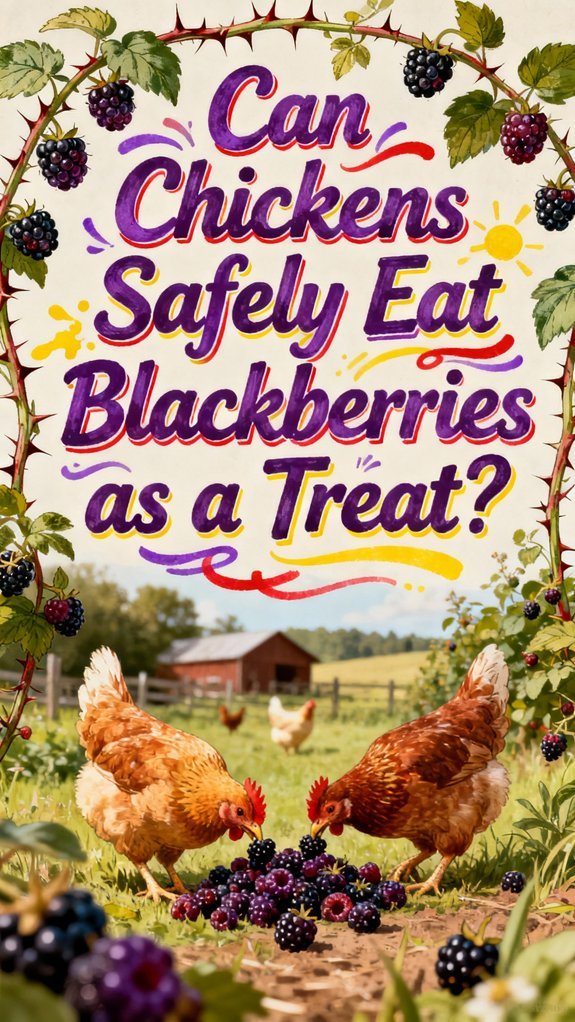
Yes, you can safely feed your chickens blackberries as an occasional treat. These berries contain valuable antioxidants, vitamins C and E, and fiber that support immune function and digestion. You’ll want to limit portions to a small handful per bird, offered once or twice weekly, ensuring they don’t exceed 10% of your flock’s total diet. Wash berries thoroughly and remove uneaten portions within 30-60 minutes to prevent mold growth. Monitor your birds for any gastrointestinal changes. Understanding the specific preparation methods and storage techniques will help you maximize these nutritional benefits.
Safety Status of Blackberries for Chickens
Blackberries are classified as safe for chicken consumption according to multiple poultry resources, with no toxicity warnings documented in standard feeding guides. You’ll find blackberry toxicity absent from poultry veterinary literature, distinguishing them from genuinely hazardous berries like elderberries. As a safe fruit option, blackberries contain valuable antioxidants that support chicken health. Interestingly, these berries, like cucumbers, are low in calories and provide essential nutrients that contribute to overall well-being. The absence of cyanide-inducing glycosides—compounds present in elderberry leaves, stems, and roots—makes blackberries nutritionally sound for your flock. You can confidently offer ripe blackberries as occasional treats without concern for poisoning, similar to how chicken crossbreeding can enhance the nutritional quality and vigor of your birds. Research confirms no adverse effects occur when chickens consume blackberry fruits in typical backyard settings. Like many common backyard plants, blackberries have been safely consumed by chickens through natural foraging behavior without documented harm. Moreover, regular consumption of safe fruits like blackberries can provide nutritional benefits that contribute to the overall health of your chickens. Additionally, incorporating fresh herbs such as basil into their diet can further enhance nutritional value and overall health. Furthermore, these delectable berries can serve as a component in homemade chicken treats that promote overall flock health. However, you should verify you’re identifying true blackberries correctly to avoid confusion with toxic plant varieties.

Grown in United States, Chile, or Mexico

Grown in United States, Chile, or Mexico

Nutritional Benefits Your Flock Will Enjoy
Because they’re nutrient-dense, blackberries offer your chickens meaningful nutritional support beyond basic caloric contribution. The fiber benefits your flock receives support gut motility and beneficial microbial fermentation, promoting digestive health. Chickens exhibit cognitive complexity that enhances their ability to engage with a varied diet, making treats like blackberries particularly beneficial. Vitamin protection comes from blackberries’ high vitamin C and E content—both antioxidants that reduce oxidative stress and strengthen immune response. You’ll also gain B vitamins (notably folate) and vitamin K, which support cellular metabolism and blood clotting functions. The minerals present, particularly manganese, contribute to enzymatic reactions and support eggshell formation. Polyphenols in blackberries demonstrate antimicrobial properties and may help reduce pathogenic colonization in your flock’s gut. These compounds also protect yolk lipids from oxidative rancidity, potentially extending egg shelf life. The high water content in blackberries aids in chicken hydration, particularly during hot weather when your flock’s fluid needs increase significantly. Keep portions moderate to preserve balanced nutrition.
How to Safely Feed Blackberries to Your Chickens
Now that you understand the nutritional advantages blackberries provide, you’ll want to make sure you’re introducing them safely to your flock. Implement proper preparation methods by thoroughly washing blackberries and crushing them to maximize nutrient accessibility. Remove any moldy berries to prevent pathogenic contamination.
Establish appropriate feeding frequency by offering blackberries once or twice weekly as occasional treats only after chickens reach maturity. Limit portions to a small handful per bird, ensuring treats don’t exceed 10% of their total dietary intake. For a flock of 60, restrict offerings to 20 cups maximum per session. Additionally, keep in mind that wild bird seed does not provide all the balanced nutrients chickens need when considering their diet.
Introduce blackberries gradually while monitoring your chickens for adverse digestive reactions. Maintain regular feed and water as primary nutrition sources. Observe consumption rates to prevent overconsumption, which may cause diarrhea or obesity in your birds. Blackberry seeds can function as grit to assist in the grinding and digesting process within your chickens’ gizzards.
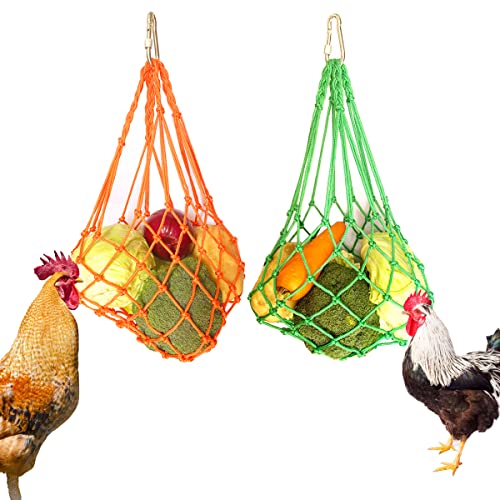
【Materials and Size】: The Vegetable net pockets are made of durable nylon, 24" in length. Big enough and durable enough to hang all kinds of fruits and vegetables such as cabbage lettuce corns tomatoes for your chickens ducks goose to eat.

【Product Size】7.1 inch Large Hanging Chicken Feeder, equipped with 16.1inch stainless steel chain ,can adjust the height of the chicken veggie treat ball to fit various sizes of chickens.

Keeps Hens Happy and Healthy: this peck toy encourages natural foraging behavior, giving your flock hours of engaging activity; By satisfying their instinct to peck, this chicken treat dispenser helps prevent boredom-related issues like feather picking and aggression, ideal for backyard chickens that spend long days in the coop
Potential Health Risks and How to Avoid Them
While blackberries offer nutritional benefits, you’ll want to understand the health risks that can emerge from improper feeding practices. Overconsumption causes diarrhea and nutritional deficiencies since blackberries lack adequate protein. You should limit treats to 10% of daily intake to prevent obesity and fatty liver disease from high sugar content. Additionally, incorporating a variety of treats, such as nutritious treats like almonds, can help provide balanced nutrition. Crested chicken breeds, known for their distinctive ornamental head feathers, can also enjoy a varied diet that contributes to their overall health. Providing a well-rounded diet, including high-protein layer feed, is crucial for maintaining the health of your flock.
Tractor Supply sells live chickens and poultry that can benefit from a well-rounded diet including treats like blackberries.
Monitor your flock for gastrointestinal issues after introducing blackberries. Loose, watery stools indicate you need to reduce portions. Achieving proper fiber balance prevents crop impaction while supporting gut health. Blackberries composed of 90% water help maintain hydration during hot weather, but this high water content should not replace balanced nutrition in your chickens’ diet.
You must inspect berries for mold or pesticide residue before feeding, as contamination causes serious health complications. Introduce blackberries gradually and observe individual reactions, as chickens display varying tolerances. Discontinue feeding immediately if adverse symptoms develop and consult a veterinarian.

PREMIUM CHICKEN FOOD FOR LAYING HENS WITH OMEGA-3: High-quality chicken layer feed made for strong egg production; fortified with chicken feed omega 3 & extra chicken feed calcium to support healthy shells & provide complete daily nutrition for your hens

MEDICATED CHICK STARTER FEED: This complete chicken feed is made with added Amprolium to aid in the prevention of coccidiosis, and contains 18% protein for weight gain, our chicken food is essential for your young birds.
COMPLETE CHICKEN FEED FOR LAYING HENS: Manna Pro Chicken Feed delivers complete nutrition designed for laying hens, supporting strong egg production, healthy feathers, and overall wellness; balanced formula helps maintain optimal health in backyard flocks
Comparing Blackberries to Other Poultry-Friendly Berries
Once you’ve established safe feeding practices for blackberries, comparing them to other poultry-friendly berries helps you select the best options for your flock’s specific nutritional needs. Blackberries excel in blackberry fiber content—approximately 7.6 grams per cup—substantially exceeding blueberries and strawberries on a per-volume basis. Their lower glycemic index (~25) minimizes blood-sugar spikes compared to alternatives. Regarding antioxidant levels, all three berries offer comparable benefits, though blackberries and cranberries demonstrate particularly robust antioxidant profiles relative to serving size. Additionally, blackberries also contain beneficial nutrients such as vitamins C and K, contributing to overall chicken health. Chickens can benefit from treats like blackberries, but it’s important to ensure that these treats do not exceed the proportional guidelines to prevent dietary imbalances. Strawberries provide superior folate, while cranberries support urinary tract health with minimal sugar. Blueberries are packed with antioxidants, vitamins C and K, and low in calories, making them an excellent complementary option to blackberries. Additionally, like apples, blackberries should be fed in manageable pieces to prevent choking. Your selection depends on nutritional priorities: choose blackberries for fiber enhancement, strawberries for low-sugar enrichment, or blueberries for balanced antioxidant delivery. Adjust portions accordingly to maintain the ≤10% treat-intake guideline.

Selected and stored fresh

Brought to you by Whole Foods Market

Watch Your Birds Flourish: Our nutritionally complete whole grain grower crumbles with 17% protein promotes strong development and growth in chickens and ducks. Corn-free. Soy-free
Practical Applications for Your Chicken Run
Understanding blackberry feeding mechanics within your chicken run’s physical design and management protocols guarantees you’ll maximize nutritional benefits while minimizing spoilage, pest attraction, and behavioral disruptions. Install elevated feeding stations 12–24 inches high to keep fruit away from soiled ground and high-traffic areas. Use shallow bowls (1–1.5 inches deep) to prevent fruit piling and trampling. Scatter blackberries in foraging trays or litter as enrichment strategies that encourage natural scratching behaviors and reduce boredom-related pecking. For larger flocks, establish multiple dispersed stations to minimize aggressive competition. It is also important to note that berries should be given in moderation to avoid digestive issues. Feeding chickens too many low-nutrient treats can lead to nutritional imbalances and health problems. Additionally, ensure that any supplemental treats, including berries, are fresh and unseasoned to support good digestion and health. Adding high-protein snacks like dried mealworms or Black Soldier Fly larvae can enhance their overall diet alongside blackberries. Remove uneaten berries within 30–60 minutes and sanitize feeding surfaces daily. Maintaining cleanliness with regular removal of soiled material prevents infestations and supports overall flock health, similar to standard chicken run maintenance protocols. Monitor body condition and egg production weekly, adjusting portions if you observe weight gain or production drops.
Storing and Preserving Blackberries Year-Round
Your flock’s year-round blackberry supply doesn’t depend solely on fresh fruit availability—preserving your harvest through multiple methods guarantees consistent nutrition and enrichment across seasons. Freezing techniques offer simplicity: arrange berries on trays overnight, then transfer to bags for up to 18-month storage at 0°F. Canning methods require adding lemon juice to achieve pH 4.6 or lower, preventing botulism, followed by pasteurization at 70°C for 20 minutes. Dehydration at 125°F for 18-20 hours creates shelf-stable products lasting one year in sealed containers. Alcohol preservation combines berries with brown sugar and spirits, requiring four to six months storage. Each method maintains nutritional value while providing convenient treat options throughout winter months. Dried blackberries can also be ground into powder for easy mixing into feed rations.

Display: 3.5-inches

BLACKBERRY CAPSULES: With premium Oregon-grown, organic blackberries. Nutrient-dense blackberries are hand-harvested at peak potency and freeze-dried in-house to retain vitality.

Promotes Digestive Comfort: Blackberry leaf extract has traditionally been used for its naturally astringent qualities, offering gentle support for digestive ease. This time-honored herb is valued for helping to maintain internal balance, especially during times of occasional digestive discomfort. A simple addition to your daily routine, it’s a trusted botanical for supporting overall digestive wellness.
Common Questions About Blackberries and Chicken Health
When you’re introducing blackberries to your flock, safety naturally becomes your first concern. You’ll want to know that ripe blackberries are non-toxic to chickens, though unripe or moldy varieties pose risks from mycotoxins. Different blackberry varieties are generally safe, but your feeding preferences should prioritize fresh, organic sources to minimize pesticide exposure. Rinse berries thoroughly before offering them. You should limit treats to 5–10% of daily intake and monitor your birds for digestive upset, particularly diarrhea from excess sugar and fiber. The high fiber content in blackberries means that while beneficial for digestion, it should be balanced with your chickens’ regular feed to prevent crop impaction. Guarantee your flock has access to grit when consuming soft fruit to prevent crop impaction. Watch for behavioral changes or reduced feed intake, which may indicate adverse reactions. Record any shifts in egg production or body condition following dietary additions.