
You can safely feed lettuce to your chickens as part of their balanced diet, but moderation is vital. While most varieties provide hydration and essential nutrients like vitamins A, K, and C, you’ll want to limit portions to 10% of daily feed intake. Choose nutrient-dense options like romaine over iceberg lettuce, which can cause digestive issues. Proper preparation and serving methods guarantee your flock receives maximum nutritional benefits while supporting natural foraging behaviors.
The Nutritional Benefits of Feeding Lettuce to Chickens
Three key nutritional components make lettuce a beneficial supplement for chickens’ diets. First, it’s rich in vitamin sources including Vitamins A, B6, C, and K, which support immune function, eye health, and bone metabolism. Second, lettuce provides essential minerals like potassium, calcium, and magnesium that contribute to metabolic processes and overall health.
The third benefit relates to digestive health, as lettuce’s fiber content supports gut motility and maintains microbial balance in the digestive system. You’ll find that lettuce’s high water content also aids hydration, particularly during warm weather. While it’s not as nutrient-dense as dark leafy greens, lettuce can effectively complement your chickens’ primary feed, offering natural hydration and dietary fiber when provided in appropriate portions. To prevent nutrient deficiencies, ensure lettuce makes up no more than 10% of your chickens’ daily feed intake.
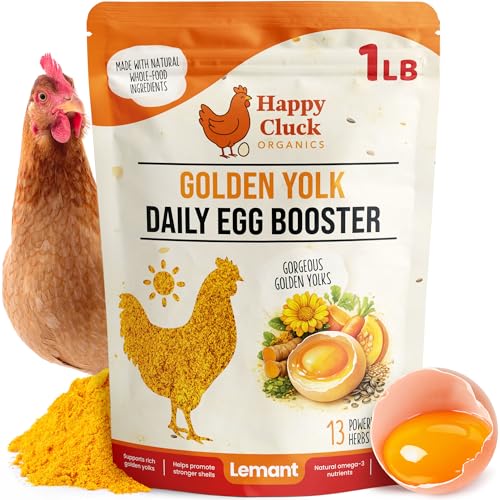
13 WHOLE-FOOD HERBS IN EVERY DAILY SCOOP - This Daily Egg Booster for Chickens packs 13 functional whole-food ingredients into every daily scoop. Each 1 LB pouch blends pumpkin powder, carrot powder, turmeric, milled calendula flowers, stabilized flaxseed, black oil sunflower meal, brewer's yeast, dual-grade calcium carbonate, kelp meal, chili flakes, rosemary extract, and standardized marigold extract into a single premium chicken vitamin and supplement for daily backyard flock nutrition.

Eat Anywhere To Supplement Nutrition: You can pour chicken nesting herbs in the chicken house; litter; nest box; feeder; dust bath area, and the chickens can eat it anytime and anywhere. Nesting herbs for chicken coop can be mixed with other chicken feeds to make a perfect snack supplement, supplementing chickens with multiple vitamins; minerals; calcium and trace elements, etc., which is beneficial to the health of chickens and improves the quality of eggs
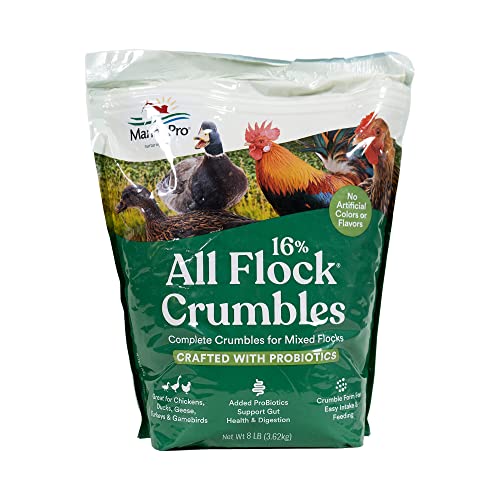
COMPLETE ALL FLOCK FEED FOR MIXED BACKYARD FLOCKS: Versatile poultry feed & all flock feed designed to support chickens, ducks, turkeys, geese, & more; a balanced bird food that simplifies feeding a diverse species in your backyard or homestead
Different Types of Lettuce for Your Backyard Flock
Five distinct varieties of lettuce offer varying nutritional profiles and benefits for backyard chickens. While iceberg lettuce provides hydration, it’s nutritionally poor and should be limited in feeding frequency to prevent diarrhea. Romaine lettuce presents a superior alternative, delivering enhanced vitamins and minerals with better texture that chickens readily accept. Red leaf lettuce contributes valuable antioxidants and promotes natural pecking behavior, while summercrisp offers both hydration and nutrients, making it an ideal summer feeding option. Bibb lettuce stands out as one of the most nutritious lettuce varieties, featuring sturdy leaves and extensive nutrient content. When selecting lettuce varieties for your flock, prioritize options beyond iceberg, focusing on types that deliver prime nutritional value while maintaining appropriate feeding frequency. Proper washing of lettuce is essential as pesticide residue can be harmful to chickens.

30 milliliters of Backyard Chicken OXY E-100 water treatment drops

【PRMIUM MATERIAL】The chicken vegetable hanging feeder is made of premium polyester material with a good loading bearing capacity to hold the weight of all kinds of vegetable. The woven rope is comfortable to touch, durable and not easy to deform.

Grow a Gourmet Green Feast of fresh greens for your backyard chickens!
Best Practices for Serving Lettuce to Your Chickens
Proper serving methods greatly impact the nutritional benefits and safety of lettuce for backyard chickens. You’ll want to introduce fresh, raw lettuce varieties in moderation, limiting portions to 1-2 cups per bird daily to prevent digestive issues. Chop or tear the lettuce into manageable pieces, and mix it with regular feed to encourage balanced consumption. Especially avoid serving iceberg lettuce, as it provides minimal nutritional value and can cause diarrhea. Most chickens enjoy hydrating vegetables as a tasty supplement to their regular feed.
Serve lettuce outdoors when possible, and remove uneaten portions promptly to maintain coop cleanliness and prevent pest attraction. Don’t add dressings, oils, or seasonings, as these additives can harm your flock. When introducing lettuce, start with small amounts and observe your birds’ response. Like with fresh berries, moderation is key to prevent digestive problems and nutritional imbalances. If you notice loose droppings or other health changes, reduce or discontinue lettuce feeding. Remember to prioritize dark leafy greens over lighter lettuce varieties for best nutritional benefits.

Plastic Flip Top Bird Small Chicken Poultry Feeder Have Easy to open, no sharp edges which not hurt their delicate skin,a lot safer than metal feedersyou can use it in a brooder, outdoor or livestock farms.
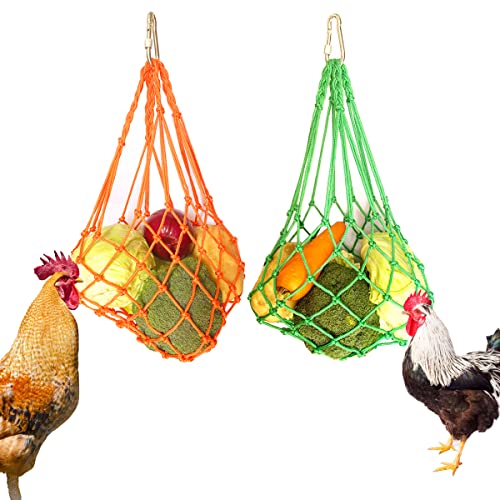
【Materials and Size】: The Vegetable net pockets are made of durable nylon, 24" in length. Big enough and durable enough to hang all kinds of fruits and vegetables such as cabbage lettuce corns tomatoes for your chickens ducks goose to eat.

Product Includes: 2 sliding top fodder trays for chickens, their cleverly designed lidded top effectively blocks dust, debris, and insects, keeping feed fresh and clean, providing a strong defense for your chicks' healthy diet
Health Considerations and Safety Precautions
While lettuce can provide supplementary nutrition for chickens, its high water content poses significant health risks that require careful monitoring. You’ll need to watch for signs of digestive balance disruption, particularly diarrhea and wet droppings, which can lead to dehydration. If these symptoms occur, discontinue lettuce feeding immediately. Hang fresh lettuce in the coop to create engaging foraging activities for your flock.
To minimize health risks, thoroughly wash all lettuce to remove pesticides and contaminants. Never feed spoiled or rotting lettuce, as it can cause severe food poisoning or botulism. Keep your flock’s worming schedule current before introducing high-water-content foods. When serving lettuce, limit portions to ½ cup for large chickens and ¼ cup for smaller ones. Choose darker varieties like romaine over nutritionally poor iceberg lettuce, and always maintain proper feed as the primary food source.
How Lettuce Supports Chicken Behavior and Wellness
Introducing lettuce into your chickens’ diet offers multifaceted behavioral and physiological benefits that extend beyond basic nutrition. You’ll observe enhanced foraging behavior when hanging lettuce heads like natural piñatas, which stimulates mental activity and reduces stress-related behaviors. This enrichment strengthens positive flock dynamics through communal feeding experiences. A balanced diet including leafy green vegetables helps prevent boredom and encourages natural pecking behaviors. Like cucumbers, low-calorie treats can be safely incorporated into their diet without disrupting nutritional balance.
The high water content and potassium in lettuce support your birds’ hydration needs, particularly during heat stress periods, while fiber promotes healthy digestion and gut motility. Essential nutrients, including vitamins A, E, and K, contribute to nervous system health, vision maintenance, and blood circulation. You’ll notice improved egg-laying performance, reduced aggressive behaviors, and better feather condition when incorporating lettuce as part of a balanced feeding regimen.
Incorporating Lettuce Into a Complete Chicken Diet
Building on the behavioral and wellness benefits of lettuce, a strategic approach to incorporation guarantees ideal nutrition in your chickens’ diet. You’ll need to limit portions to ½ cup for large birds and ¼ cup for smaller ones to prevent digestive issues. While lettuce varieties offer vitamins A, C, and K, plus essential minerals, they can’t replace protein-rich feeds and grains as dietary staples. Adding fresh asparagus stalks alongside lettuce provides an excellent boost of fiber and additional vitamins A, C, and K to support immune health.
For best feeding frequency, combine finely chopped lettuce with regular feed or hang whole heads in the run for enrichment. Consider refrigerating or freezing lettuce during hot weather for hydration benefits. To maximize nutritional impact, pair lettuce with high-protein supplements like mealworms, Greek yogurt, or sprouted grains. This balanced approach guarantees your chickens receive complete nutrition while enjoying lettuce’s benefits.

SUPPLEMENT FOR LAYING HENS: Manna Pro Omega Egg Maker is a specially crafted supplement designed to support the nutritional needs of laying hens. It helps promote overall health, productivity, ensuring your hens produce fresh, high-quality eggs.
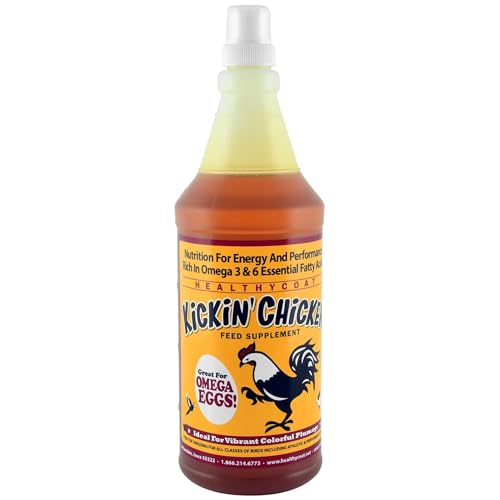
Reduces stress due to molting
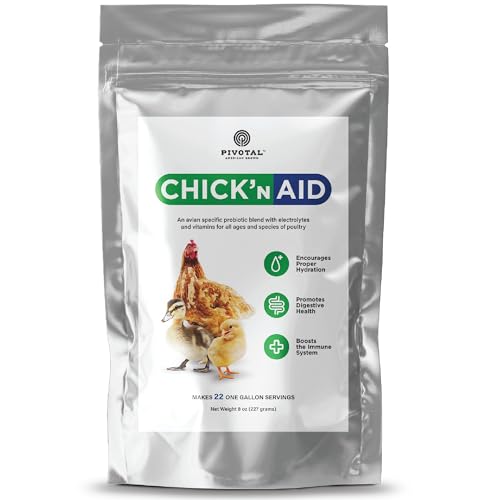
HYDRATION & ELECTROLYTE SUPPORT FOR HEAT, STRESS & RECOVERY: Formulated with essential electrolytes to help maintain hydration during hot weather, stress, transport, or reduced water intake-supporting overall flock condition and egg production
Tips for Growing Lettuce for Your Chickens
Growing lettuce for your chickens requires strategic planning and proper cultivation techniques to guarantee a sustainable food source. Start by selecting slow-bolting varieties like romaine or leaf lettuce that thrive in cool temperatures and offer extended harvesting periods. You’ll achieve ideal growing conditions by sowing seeds directly in well-drained soil with consistent moisture and partial to full sunlight. Enriching your soil with aged manure helps provide essential nutrients for optimal lettuce growth.
Implement pest management strategies through succession planting and protective measures like row covers or mini hoop tunnels. You can start seeds indoors under grow lights or use transplants for better control against pests. To maintain continuous production, space plants 10 inches apart and harvest outer leaves regularly. Consider using shade cloths during hot summers and establish designated chicken-free zones until plants mature enough for foraging.

【All-in-One Salad Grow Kit】This complete salad growing kit includes everything you need to start your own mini vegetable garden: 1 galvanized planter pot, 2 compressed coco coir growing medium blocks (RHP certified), and mixed lettuce seeds, plus an easy-to-follow instruction guide

GROW FRESH WHEATGRASS KIT: 10 days to harvest. Chickens and Ducks Love Wheatgrass. Microgreen Chicken Feed, All Natural and Full of Vitamins

【All-in-One Hydroponic Garden Kit】This Lettuce seed pod kit has everything to kickstart your hydroponic gardening journey: A packet of Red&Green Leaf Lettuce seeds, 12 grow sponges, 12 plant baskets, 12 grow domes, 12 pod labels.(Contains no plant foods)