You can safely feed your chickens radishes—all parts contain no harmful toxins. Raw or cooked radishes pose no health risks, though you’ll want to grate or chop them for smaller birds. Radishes deliver vitamin C, B-vitamins, vitamin K, and potassium, supporting immune function and hydration. Keep portions under 10% of daily intake and introduce them gradually mixed into regular feed. Monitor digestion after introducing this nutritious vegetable to optimize your flock’s wellbeing and egg production outcomes.
Safety and Edibility of Radishes for Chickens
Whether you’re raising backyard chickens or simply curious about their diet, you’ll be pleased to know that radishes are entirely safe for your flock. All plant parts—flesh, stems, seeds, leaves, and bulbs—contain no toxins harmful to chickens. The peppery compounds that deter human consumption don’t affect poultry. Both cultivated and wild radish varieties pose no health risks when raw or cooked. Additionally, it’s reassuring to know that radishes present no predator-related health risks to your chickens. Furthermore, incorporating radishes alongside high-protein treats like dried mealworms can enhance their overall diet.
Chicken preferences vary by individual bird and preparation method. Smaller chickens may avoid raw radishes due to their density and spicy taste, while larger hens typically consume them without hesitation. Grating or chopping radishes accommodates smaller birds’ preferences. The absence of anthocyanins or other toxic components makes radishes a reliable supplemental vegetable. Radishes are rich in essential vitamins and nutrients including Vitamin C, Vitamin K, and Magnesium that support chicken health. You can confidently incorporate radish varieties into your feeding program.
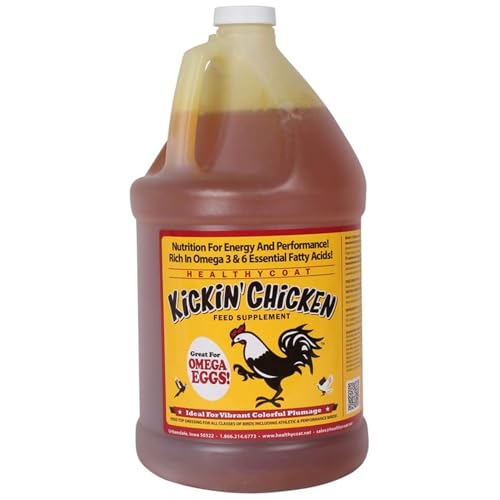

Superior calcium from Oolitic Aragonite: Provides high-quality calcium sourced from naturally occurring Oolitic Aragonite for optimal poultry nutrition
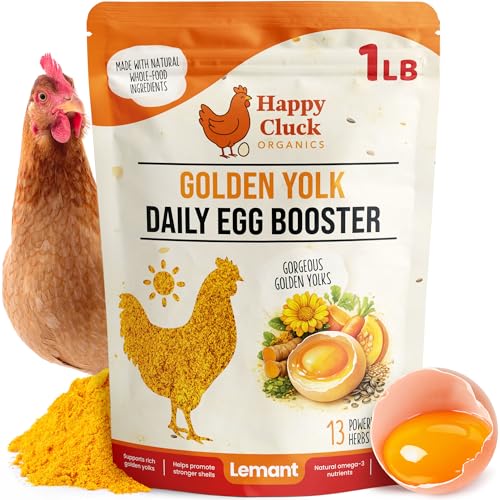
13 WHOLE-FOOD HERBS IN EVERY DAILY SCOOP - This Daily Egg Booster for Chickens packs 13 functional whole-food ingredients into every daily scoop. Each 1 LB pouch blends pumpkin powder, carrot powder, turmeric, milled calendula flowers, stabilized flaxseed, black oil sunflower meal, brewer's yeast, dual-grade calcium carbonate, kelp meal, chili flakes, rosemary extract, and standardized marigold extract into a single premium chicken vitamin and supplement for daily backyard flock nutrition.
Nutritional Benefits and Vitamins in Radishes
Now that you’ve confirmed radishes are safe for your flock, understanding their nutrient composition will help you maximize their value in your feeding program. Radishes deliver modest vitamin content, including vitamin C for immune support and B-vitamins that facilitate metabolism and red blood cell production. Their vitamin K content supports bone health and clotting function, while carotenoids contribute to vision and epithelial integrity. Additionally, incorporating apple cider vinegar into your chickens’ water can further boost their immune system and digestive health.
Mineral-wise, you’ll find potassium that aids electrolyte balance—particularly valuable during heat stress. Calcium and phosphorus levels remain too low to support eggshell formation independently. Radishes also contain bioactive phytochemicals like glucosinolates and anthocyanins that provide antioxidant and anti-inflammatory benefits. The fiber content in radishes aids in digestion and helps maintain a healthy digestive system for your flock. However, their primary role remains supplemental; they complement rather than replace formulated layer feed in meeting your flock’s complete nutritional requirements.
Proper Portioning and Feeding Guidelines
Since radishes offer supplemental rather than primary nutrition, you’ll want to establish clear portion limits that support your flock’s health without compromising dietary balance. Restrict portion sizes to just a few pieces weekly per chicken, ensuring treats don’t exceed 10% of total daily intake. This systematic approach prevents digestive upset and maintains consistent egg production.
Your feeding schedules should introduce radishes gradually, starting with small amounts mixed into regular feed to gauge flock response. Offer prepared pieces—sliced, grated, or halved—during hot weather for hydration benefits. Monitor egg quality and digestion closely after introducing this treat. Persistence with repeated offerings encourages acceptance if initial suspicion arises. Like other vegetables such as carrots, radishes should be rinsed thoroughly to remove pesticides before feeding to your chickens.

NUTRITIOUS CHICKEN TREATS FOR LAYING HENS & FLOCKS: Wholesome mix offers fun & nutrition in one tasty snack; these premium chicken treats for laying hens encourage natural pecking behavior, support strong eggs, & are a perfect choice for backyard flocks

7 GRAINS: Our scratch grains for chickens offer a high-protein, high-fiber blend of corn, wheat, milo, barley, oats, sunflower seeds, and millet, delivering essential vitamins and minerals to keep your birds healthy, energized, and thriving every day.

Premium Quality Chicken Treats: Specially formulated, high-quality chicken snacks for laying hens, ensuring only the best for your pet chickens
Potential Risks and Health Cautions
While radishes offer modest nutritional benefits, you’ll want to understand the health hazards that can accompany this treat. Pesticide residues pose a significant concern—commercially grown radishes often contain systemic residues that washing won’t eliminate. You’ll minimize risk by selecting certified organic or home-grown untreated varieties.
Digestive upset represents another key hazard. Raw radishes’ pungent isothiocyanates can irritate your chickens’ gastrointestinal mucosa, particularly in young birds. Whole bulbs present mechanical difficulty; chickens may gag or ingest oversized pieces that delay digestion. Sudden large quantities disrupt gut microflora, causing loose stools. Not all plants safe for humans prove equally safe for chickens, so understanding plant toxicity becomes essential when introducing new foods to your flock. Additionally, hens do not require a rooster for egg production, emphasizing the importance of consistent nutrition and care for overall health. Chick feed should primarily consist of balanced nutrition, as excessive radish consumption—high in water, low in calories—can dilute energy and protein intake, risking stunted growth. Cats, particularly young chicks, may pose a predation risk if they are allowed near the chickens, making vigilance crucial for their safety. Gradual introduction and moderate portions mitigate these risks effectively. It’s also important to remember that some vegetables can contain harmful compounds that negatively affect your flock’s health, similar to the way leeks do for chickens. Notably, some chickens can tolerate certain spicy foods, including chili peppers, providing more dietary variety if introduced carefully.

Produce

Support a healthy digestive system

Impact on Egg Production and Flock Health
When you incorporate radishes into your layer flock’s diet, you’ll find that the effects on egg production and overall flock health depend largely on inclusion rate, radish form, and your baseline nutrition program. Radish roots and leaves modestly enhance micronutrient intake without substantially altering macronutrient egg composition when fed as treats below 10% of total intake. However, biofortified radish sprouts and seed oil supplements demonstrate measurable impacts—selenium-enriched sprouts reduced yolk cholesterol, while seed oil improved reproductive performance and hatchability at low inclusion rates (0.5 g/kg). These compounds modulate gut lactobacilli populations, enhance immune-related gene expression, and improve antioxidant status, supporting disease resilience and nutrient absorption across your flock. Additionally, incorporating nutritious treats such as almonds into their diet can complement the health benefits provided by radishes. Providing adequate levels of calcium sources is crucial for hens to maintain their eggshell quality and overall health. Chickens will also enjoy homemade treats like baked flock blocks made from wholesome ingredients, which can further boost their overall well-being. Furthermore, providing a cozy hen house design can promote a comfortable environment that helps reduce stress among your chickens, enhancing their overall health. Radishes are nutrient-dense and help prevent illnesses ranging from colds to cancer, making them a valuable addition to poultry feed programs when properly incorporated.

🐔 Simple to Use - Add to Fresh Drinking Water Daily!

Natural ingredients: Our liquid chicken elixir formula contains Omega-3, Origanum Oil, Turmeric and essential poultry vitamins (D3, D & E). A natural alternative to artificial chicken medicine like poultry cell.

OMEGA-3 ENRICHED EGGS: This poultry supplement produces eggs enriched with omega-3 and also helps reduce the saturated fat content of the eggs.
Practical Integration Into Your Chicken Care Routine
To maximize the health benefits you’ve observed from radish supplementation, you’ll need to adopt preparation methods that accommodate your flock’s consumption capabilities and nutritional requirements. Grate or chop radishes into manageable pieces, eliminating choking hazards while facilitating consumption. Integrate radish preparation into your weekly routine by offering 1-2 servings alongside standard feed, maintaining radishes at no more than 10% of total dietary intake.
Leverage seasonal benefits strategically: increase radish provision during warm months when their 95% water content supports hydration, then reduce frequency in cooler periods. Radish greens are high in antioxidants, which further boosts immune function and disease resistance in your flock. Store fresh greens for immediate use and freeze grated portions for off-season supplementation. This systematic approach guarantees consistent nutrient delivery without disrupting your established feeding protocols or creating digestive complications from overconsumption.
Reduces stress due to molting

Eat Anywhere To Supplement Nutrition: You can pour chicken nesting herbs in the chicken house; litter; nest box; feeder; dust bath area, and the chickens can eat it anytime and anywhere. Nesting herbs for chicken coop can be mixed with other chicken feeds to make a perfect snack supplement, supplementing chickens with multiple vitamins; minerals; calcium and trace elements, etc., which is beneficial to the health of chickens and improves the quality of eggs
Supports Natural Immune Function & Nutritional Balance: Provides essential poultry vitamins and electrolyte support to help maintain normal immune function and overall vitality. Especially beneficial for weak chickens or birds experiencing seasonal stress and nutritional gaps