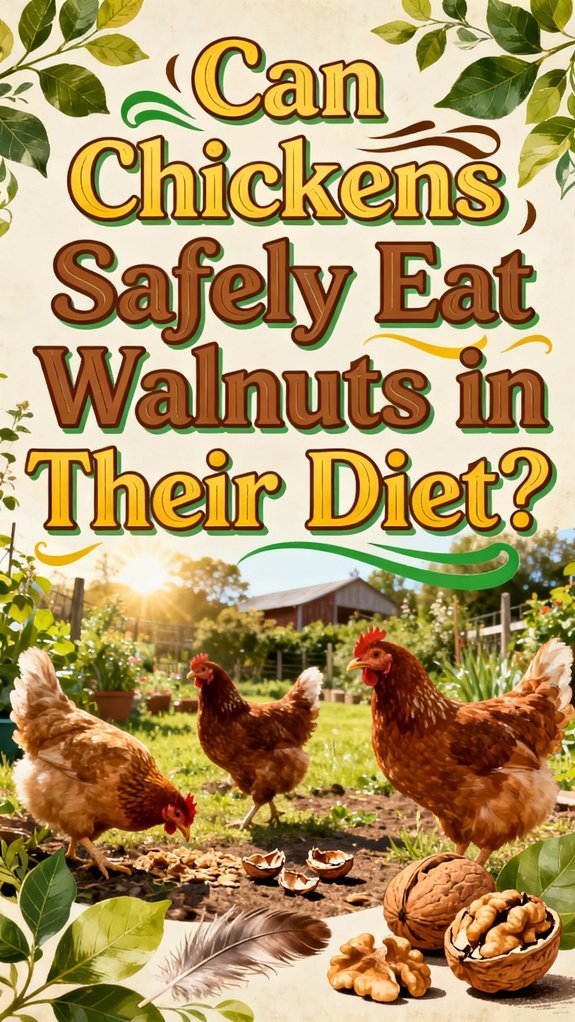
You can safely feed walnuts to your chickens when you follow proper preparation and portion control. Limit them to 5–10% of weekly caloric intake, offered 1–2 times weekly to adult birds. Remove hulls, clean thoroughly, and monitor for mold contamination, which poses serious mycotoxin risks. While walnuts provide valuable omega-3 fatty acids, protein, and minerals supporting feather quality and bone health, their high fat content requires careful moderation. Understanding the distinctions between black and English varieties, combined with proper storage protocols, guarantees you’ll maximize nutritional benefits while minimizing potential complications.
The Safety Profile of Walnuts for Chickens
While walnuts—particularly unshelled varieties and black walnuts (*Juglans nigra*)—are listed as poisonous to chickens, the actual risk they pose remains poorly documented. All parts of black walnut trees contain juglone, a compound that affects sensitive plant growth, raising questions about potential animal health implications. However, toxicity levels haven’t been definitively established in chickens through direct observation. The hull and husk appear to represent the primary hazard source rather than the nut meat itself. Practical evidence suggests that chickens naturally avoid consuming walnut shells when used as coop litter, effectively mitigating ingestion risk. Similar to how oxalic acid binds calcium in spinach and can impair nutrient absorption, juglone’s bioavailability and actual impact on chicken physiology requires further investigation. It is also important to note that avoiding toxic foods common to backyard chickens is essential for their overall health. Thus far, the risks associated with walnuts have not resulted in documented health issues in chickens, and three years of documented use without observed adverse effects indicates the danger may be overstated, though caution remains advisable pending more rigorous toxicological research. Additionally, hens typically continue laying eggs for about two years before significant declines in egg production occur, emphasizing the need for optimal nutrition during their productive phases. Furthermore, providing safe and nutritious homemade chicken treats can enhance the dietary variety and overall well-being of chickens.
Nutritional Content and Health Benefits
Despite their potential safety concerns, walnuts offer notable nutritional advantages for chickens when incorporated judiciously into their diet. You’ll find that walnuts deliver approximately 2.5 grams of alpha-linolenic acid (ALA) per ounce, providing a favorable omega-3:omega-6 ratio that can enhance egg yolk composition. The four grams of plant-based protein per ounce supports muscle maintenance and feather growth when combined with balanced commercial feed. Additionally, oregano’s immune-boosting properties can complement the benefits walnuts provide by further supporting overall health. Including walnuts alongside commercial feeds that are designed for different life stages can help ensure a well-rounded diet for your chickens.
You shouldn’t overlook walnuts’ micronutrient contributions: vitamin E and polyphenolic antioxidants reduce oxidative stress and potentially improve immune function. However, you must maintain dietary balance, as walnuts alone can’t meet complete mineral requirements. Their high fat content—65–70% of calories—demands careful portion control to prevent overweight birds and reduced laying rates. Similar to how almonds should be limited to prevent digestive issues, walnuts require measured supplementation to avoid complications. Strategic almonds and walnuts benefits emerge only through measured supplementation.
Key Vitamins and Minerals in Walnuts
Walnuts deliver a complex micronutrient profile that can meaningfully support chicken health when you understand both their strengths and limitations. Their mineral composition includes excellent copper levels (0.4–1.4 mg per ounce), substantial manganese (0.9–3.2 mg), and useful phosphorus (~98–145 mg) for skeletal development. You’ll find moderate calcium (30–89 mg) and magnesium (40–57 mg) contributing to bone function and metabolic processes. The vitamin content emphasizes B6 and folate, supporting amino acid metabolism and cellular function, though these amounts remain modest. Gamma-tocopherol provides antioxidant protection, though overall vitamin E levels stay low-to-moderate. Importantly, you should recognize that walnuts aren’t reliable sources for selenium or iron compared to specialized feeds, making them nutritional supplements rather than primary nutrient sources. Additionally, walnuts contain phytic acid, which can reduce mineral absorption in chickens and potentially limit the bioavailability of some nutrients they do provide. Crushed oyster shells are essential for consistent calcium levels in a hen’s diet, emphasizing the importance of balancing treats like walnuts with a well-rounded diet.
Omega-3 Fatty Acids and Feather Quality
Beyond their micronutrient contributions, walnuts’ fatty acid profile—particularly their alpha-linolenic acid (ALA) content at 9–14% of walnut oil by composition—offers potential benefits for feather quality that merit careful evaluation. However, you’ll find that walnuts’ effectiveness as omega-3 sources is limited compared to fish oil or microalgae. Your birds convert ALA to long-chain omega-3s (EPA, DHA) inefficiently, and these preformed compounds demonstrate stronger evidence for improving feather integrity and thermoregulation than ALA alone. While omega-3 supplementation generally reduces feather breakage and supports regrowth during molt through membrane incorporation and reduced inflammatory responses, you’d achieve more reliable results using concentrated omega-3 sources rather than whole walnuts. Consistent feeding for 2–3 weeks minimum produces measurable feather improvements. Specialized poultry feeds formulated with 20% protein and chelated trace minerals provide comprehensive nutritional support that addresses feather regrowth more effectively than single-ingredient supplements like walnuts.
Potential Risks and Side Effects
While walnuts offer nutritional benefits, you’ll need to account for several risks that emerge when feeding them to your flock. Walnut toxicity from mold exposure poses serious concerns—aflatoxins produced by Aspergillus spp. cause hepatotoxicity and immunosuppression in birds. You must inspect nuts carefully and discard any showing visible mold or musty odors. Similar to other nuts and seeds, walnuts should only be fed in moderation to prevent nutritional imbalances.
Anti nutrient concerns also warrant attention. Walnuts’ high fat content (approximately 65% by dry weight) can predispose laying hens to fatty liver syndrome and reproductive impairment when fed excessively. Additionally, tannins in walnuts reduce mineral and protein digestibility when consumed in large quantities.
Choking hazards and crop impaction threaten vulnerable birds. You should chop or crush walnuts into small pieces, particularly for chicks and bantams, to prevent gastrointestinal blockage and guarantee safe consumption throughout your flock.
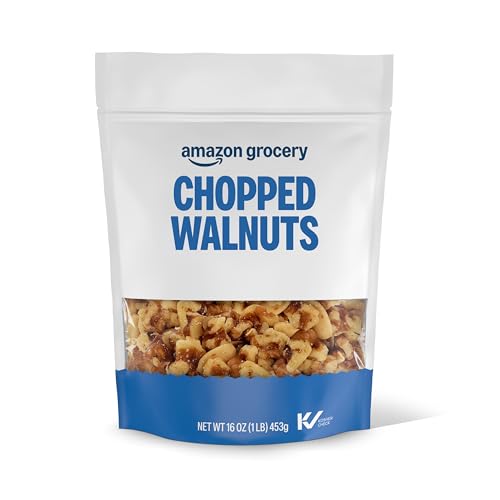
One 16 ounce bag of Chopped Walnuts
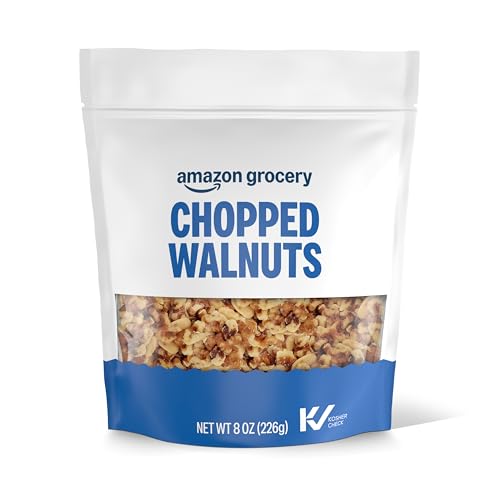
One 8 ounce bag of Chopped Walnuts

Premium Chopped Walnuts - Raw and perfectly chopped for all your baking, cooking, or snacking needs. Sprinkle them on oatmeal, salads, yogurt, or toss into your favorite recipes for a tasty crunch.
How to Properly Prepare Walnuts for Your Flock
Proper preparation requires a systematic five-stage approach: husk removal, cleaning and sorting, drying, curing, and cracking.
You’ll begin husk removal by splitting green husks through stomping or pressing between boards, then ripping husks off nuts. This step’s easier when nuts remain mostly green. Next, you’ll fill your cleaning bucket a quarter full with water to separate floaters from sinkers, keeping only the full nuts. It’s also important to ensure your chickens receive adequate grit for digestion, which facilitates the breakdown of foods like nuts in their gizzards. A balanced diet for your flock should meet nutrient needs to optimize their health and egg production.
For the drying process, you’ll pour cleaned nuts into boxes or chicken wire, using fans to accelerate evaporation. Wire cages provide security against squirrel theft while allowing proper air circulation. Important factors for effective drying include sunlight exposure, ambient air flow, and moisture levels, especially considering weather unpredictability.
You’ll then cure nuts in produce bags for approximately three weeks, maintaining consistent airflow. Finally, you’ll crack the cured nuts for your flock, testing readiness weekly after the three-week curing period concludes.

NO MORE FEED SCATTERED ON THE GROUND: This chicken feeder uses a gravity-fed port design to deliver chicken feed directly to your flock, keeping it inside the feeder, off the ground, and away from pests. The enclosed port design reduces spillage and wasted feed, making it an ideal chicken feeder option for backyard chickens.
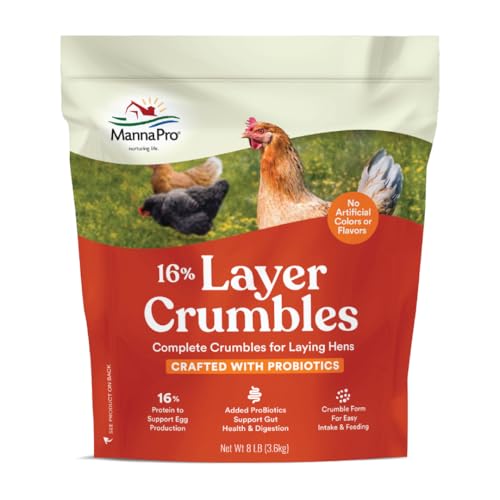
COMPLETE CHICKEN FEED FOR LAYING HENS: Manna Pro Chicken Feed delivers complete nutrition designed for laying hens, supporting strong egg production, healthy feathers, and overall wellness; balanced formula helps maintain optimal health in backyard flocks

SIMPLE FORMULA: Crafted with Corn, Milo, and Wheat for a nutritious and simple blend.
Portion Control and Feeding Guidelines
You’ll want to limit walnuts to no more than 5–10% of your laying hen’s total weekly caloric intake to prevent displacing her balanced base feed. Offer walnuts at most 1–2 times per week for adult birds, reducing frequency for juveniles or metabolically compromised birds. It’s also important to ensure that the majority of their diet consists of high-protein layer feed to meet their nutritional needs. Additionally, providing a variety of foods—including chili peppers—can offer unique health benefits to your flock. A diet that provides high-protein feed will support your hens’ growth and productivity.
Implement treat rotation by alternating walnuts with vegetables, grains, and mealworms so walnuts don’t become your primary supplemental source. This approach maintains dietary balance while preventing excess caloric intake. Since moldy walnuts can cause illness, always inspect your walnut supply for freshness before offering them to your flock. Furthermore, incorporating diverse foods like turnip greens can enhance overall nutrition, similar to how it benefits chickens.
Adjust portion sizes by bird category: standard hens receive 1–2 walnut halves; bantams receive 1 half or chopped portions; growing pullets require tiny chopped amounts only. Monitor your flock’s body condition score monthly, reducing walnut frequency if weight gain or declining lay rates emerge. Providing a balanced diet will help ensure that your hens remain healthy and productive.

PREMIUM CHICKEN FOOD FOR LAYING HENS WITH OMEGA-3: High-quality chicken layer feed made for strong egg production; fortified with chicken feed omega 3 & extra chicken feed calcium to support healthy shells & provide complete daily nutrition for your hens

MEDICATED CHICK STARTER FEED: This complete chicken feed is made with added Amprolium to aid in the prevention of coccidiosis, and contains 18% protein for weight gain, our chicken food is essential for your young birds.

Organic and Natural: Our organic chicken feed is crafted with a carefully balanced mix of high-quality ingredients to support the health of your laying hens. It’s completely corn-free, soy-free, and non-GMO, ensuring your flock gets only the best.
Black Walnuts Versus English Walnuts
Because nutrient profiles differ meaningfully between black and English walnut varieties, your choice affects the nutritional value you’re providing to your flock. Your walnut varieties comparison reveals significant distinctions: black walnuts deliver roughly 57% more protein per ounce (6.8g versus 4.3g), making them superior for amino acid supplementation. However, English walnuts contain higher polyunsaturated fats and omega-3 content (13.4g versus 10.3g per ounce), benefiting egg yolk lipid profiles and feather health more substantially.
Black walnuts excel in phosphorus and potassium levels, supporting bone strength and metabolic function. Your nutrient differences analysis shows English walnuts provide slightly more total calories and fat for cold-weather energy needs. Black walnuts are kosher certified, ensuring quality standards for supplemental feed ingredients. Neither variety poses digestive concerns at appropriate inclusion rates, so your selection depends on whether you prioritize protein enhancement or omega-3 enrichment for your birds.

Nourish to Flourish – Scratch and Peck’s black oil sunflower seeds are tiny powerhouses of natural energy, healthy fats, and key nutrients to support vibrant health and nutritious egg yolks.


Balanced Blend: No preservatives or low value fillers, this all-in-one chicken food supplement includes mealworms for chickens, poultry grit, oyster shells and black soldier fly larvae for chickens in one protein and calcium packed blend
Mold Contamination and Food Safety
While mold contamination in walnuts presents a subtle yet serious food safety concern for your flock, visible spoilage alone won’t reliably indicate the presence of dangerous mycotoxins. Aspergillus species produce aflatoxins—potent hepatotoxic and carcinogenic compounds—without always showing surface mold growth. Fusarium contamination generates trichothecenes like DON, impairing feed intake and immune function. Chickens are vulnerable to various health issues posed by moldy foods, which can be as harmful as natural predators. Penicillium colonization causes kidney damage and growth suppression. Young poultry and handlers of contaminated feed face higher susceptibility to mycotoxin-related illness. Similarly, toxic plants like rhododendron and hemlock should also be avoided to ensure the health of your chickens. Maintaining good biosecurity measures for feed storage is crucial to prevent mold contamination and protect your flock’s wellbeing. It is important to monitor for adverse reactions in your chickens when introducing new foods to their diet. Increasing daylight hours, which signal the start of egg production, may enhance their overall health and response to new diets.
Your storage conditions directly influence fungal toxins’ development. Improper humidity, moisture retention, and damaged shells create ideal environments for mold growth. Extended storage duration without temperature control substantially increases mycotoxin concentration. Mixed fungal contamination amplifies toxin potency, lowering disease thresholds.
Laboratory testing remains essential; visual inspection cannot guarantee safety. Request mycotoxin assays for aflatoxins and DON before feeding walnuts to your birds.

Durable Metal Construction: Heavy-duty galvanized steel resists rust, dents, and outdoor conditions for long-lasting feed protection.

DEAYOU pet food storage canister container can safely store your pet food where no paw can reach and keep the food fresh. It is perfect for storing dry food items such as birdseed, biscuits, feed and treats, a much better choice than leaving food in cardboard boxes or paper bags

Container Size: Fits 3 lb rotisserie chickens from Costco in a spacious and airtight design
Combining Walnuts With Other Treats
Walnuts can effectively complement your flock’s treat rotation when you strategically combine them with other foods to maintain nutritional balance and minimize health risks. Your nut mixture combinations should prioritize chopped or crushed walnuts blended into scratch mixes with grains and seeds to dilute fat content. Treat blending strategies must avoid pairing walnuts with high-fat items like mealworms or fatty scraps, which unbalance the energy-to-protein ratio. Don’t mix walnuts with high-moisture treats or sugary foods, as this accelerates rancidity and spoilage. Exclude raw peanuts, salty seasonings, uncooked beans, and walnut shells from your combinations. When increasing treat calories, pair walnuts with calcium sources like crushed oyster shell to support laying hens’ shell quality and overall health. Incorporate walnuts as a supplement to a balanced diet rather than relying on them as a primary food source for your chickens.