You can safely feed ripe plums to your chickens when you remove the pits completely—they contain amygdalin, which converts to cyanide during digestion. Wash plums thoroughly, slice them into small cubes, and offer half a plum per adult chicken once or twice weekly. Plums provide potassium, calcium, fiber, and antioxidants that support egg production and immune function. Avoid moldy or bruised fruit, and maintain treats at less than 10% of their daily diet. Understanding proper preparation techniques guarantees your flock enjoys these nutritious treats safely.
Safety Overview: Are Plums Safe for Chickens?
Plums present a paradox for poultry farmers: while the flesh and skin are nutritious treats your chickens can safely consume, the pits contain amygdalin, which converts to hydrogen cyanide and poses a serious toxicity risk. You can safely offer ripe plum flesh raw or cooked, and the skin provides additional nutritional value without toxin concerns.
The critical distinction lies in pit removal. Most plum varieties require complete pit extraction before feeding. You should wash plums thoroughly, halve them, discard pits safely away from your flock, then portion into smaller pieces. Similar to how systematic investment plans require disciplined, regular contributions for long-term wealth accumulation, establishing a consistent routine of properly preparing plums ensures the sustained health of your flock over time. Additionally, incorporating nutritious herbs like cilantro in your chickens’ diet can enhance their overall health, as it provides essential vitamins and antioxidants. It’s vital to remember that feeding chickens green onions can lead to serious health issues, emphasizing the importance of avoiding harmful foods. Furthermore, it’s beneficial to keep in mind the right hen to rooster ratio when managing your flock, as this can help maintain a harmonious environment for your chickens.
If you’re concerned about cyanide exposure, consider feeding alternatives like apples, berries, or melons. These provide similar hydration and nutritional benefits without the toxicity risk associated with stone fruit pits.
Nutritional Benefits of Plums for Backyard Flocks
Beyond their safety profile, these stone fruits deliver a remarkable nutritional package that can significantly enhance your flock’s health and productivity. Plums provide potassium, which mitigates heat stress and supports egg production during hot weather. Calcium content strengthens eggshell quality and prevents production cessation. Fiber and sorbitol improve digestive efficiency while lowering cholesterol levels in your birds.
Different plum varieties offer consistent antioxidant benefits through phenolic compounds that combat free radicals and protect cellular health. Vitamin C boosts immune function and reduces disease susceptibility. Folate guarantees normal feather and skeletal development while preventing anemia. The high fiber content in plums also aids in preventing specific conditions like coccidiosis that can compromise flock health.
When considering your flock’s dietary preferences, incorporate dried plums to maximize nutrient concentration. Research demonstrates that supplementation enhances immune-related gene expression, liver antioxidant capacity, and overall metabolic performance, particularly in heat-stressed conditions.
Understanding the Pit Danger: Cyanide Content Explained
While plums offer substantial nutritional benefits to your flock, you must understand a critical safety concern: their pits contain amygdalin, a cyanogenic glycoside that converts to cyanide during digestion. When your chickens ingest pits, amygdalin breaks down rapidly into hydrogen cyanide throughout the digestive process, creating serious cyanide toxicity risks.
Small amounts cause gastrointestinal distress, weakness, and plumage disorders. However, seed ingestion in larger quantities produces severe poisoning—your birds may experience breathing difficulties, dilated pupils, seizures, and shock within 15 to 30 minutes of consuming a lethal dose. Death often follows quickly. Fresh plums are a better option than dried plums since dried plums contain significantly higher sugar content that can affect your flock’s overall dietary balance.
You’ll find this same toxin in apricot, peach, and cherry pits. Always remove pits before feeding plums to your flock, and properly discard them separately since they don’t decompose easily.
Preparing Plums: Essential Steps Before Feeding
Before you offer plums to your flock, you’ll need to execute several preparation steps that eliminate contamination risks and ascertain safe consumption. Start by washing plums under clean running water, making sure you remove dirt and surface pollutants from all crevices. Pat them dry with a clean towel to prevent mold development. Next, removing pits is absolutely critical—cut each plum in half and extract the stone completely, as pits contain toxic compounds. Discard pit fragments in a compost bin away from chicken access. Additionally, ensure that your chickens are healthy and free from infection, as effective care for injured chickens can be crucial if any issues arise. It’s also beneficial to incorporate oregano into their diet, as it helps protect them from illnesses while enjoying fresh fruits. Furthermore, providing a safe environment by confining your chickens can promote healthier eating habits. Moreover, plums provide essential nutrients such as vitamins A, C, and K that contribute to overall chicken health. It’s important to remember that chickens rely on water for their metabolism and health, especially during periods when they are eating fruit. Finally, slice the fruit into appropriately sized pieces; smaller cubes facilitate easier consumption and reduce choking hazards, particularly for younger birds. Adult chickens receive pieces equivalent to half a plum. Like the summer and fall flavors that make roasted chicken dishes appealing to humans, the natural sweetness of properly prepared plums offers nutritional variety to your flock’s diet. This methodical approach ascertains your flock enjoys plums safely.
Portion Control: How Much to Feed Your Chickens
Now that you’ve prepared your plums safely, understanding proper portion sizes becomes essential to maintaining your flock’s health and productivity. You should feed adult chickens half a plum per bird, while baby chicks require only tiny slices to prevent choking. Layers need slightly more than broilers due to calcium demands. A balanced diet is key in ensuring that high-quality commercial feed forms the basis of your chickens’ nutrition. Additionally, like blueberries, certain fruits can provide necessary vitamins and minerals to support your chickens’ overall well-being. It is crucial to keep the coop clean and monitor for harmful mite infestations, as these pests can exacerbate any stress caused by dietary changes.
One important factor to consider is that chickens have a unique single external opening, the cloaca, through which both waste and eggs are expelled, emphasizing the need for a clean feeding environment.
Establish consistent feeding schedules to prevent overconsumption. You must limit plums to no more than 10% of your total daily feed, maintaining at least 90% high-quality commercial feed. Treats should be consumed within five minutes, preventing gorging and excessive intake. The antioxidants and Vitamin C in plums can boost your chickens’ immune systems when offered appropriately. Furthermore, fruits should be introduced gradually to avoid potential digestive issues for your flock.
Exceeding these portion sizes risks indigestion from high sugar content, potentially causing reduced egg laying and behavioral issues. You’ll maintain ideal flock health by adhering strictly to these guidelines and monitoring individual consumption patterns carefully.

COMPLETE ALL FLOCK FEED FOR MIXED BACKYARD FLOCKS: Versatile poultry feed & all flock feed designed to support chickens, ducks, turkeys, geese, & more; a balanced bird food that simplifies feeding a diverse species in your backyard or homestead

✔️ PROVIDES ESSENTIAL VITAMINS & MINERALS: Good source of bioavailable Vitamin A, Vitamin B, Vitamin D, & Vitamin E for chickens.
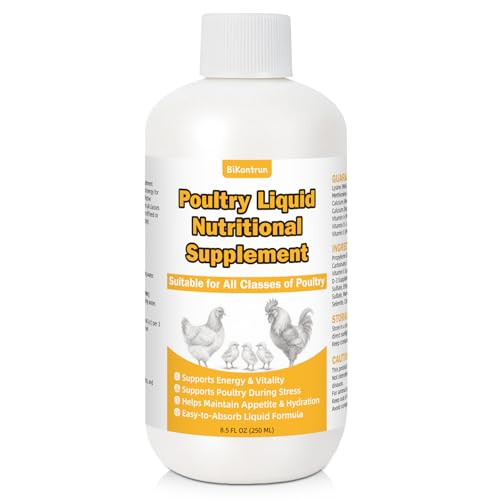
Supports Natural Immune Function & Nutritional Balance: Provides essential poultry vitamins and electrolyte support to help maintain normal immune function and overall vitality. Especially beneficial for weak chickens or birds experiencing seasonal stress and nutritional gaps
Frequency Guidelines: When and How Often to Serve Plums
Because plums’ high sugar content can disrupt your flock’s digestive system and nutritional balance, you’ll want to establish a structured feeding schedule rather than offering them daily. Limit plum feeding to once or twice weekly, maintaining a 1:9 ratio with standard feed. This frequency prevents indigestion, diarrhea, and nutritional imbalances while avoiding egg production cessation. Additionally, it’s important to note that fresh fruits can be a beneficial supplement to a chicken’s regular diet.
Your feeding frequency should adapt to seasonal variations. During hot weather, incorporate plums for hydration benefits. When birds molt or face illness, increase serving frequency temporarily to boost immunity and feather development. On other occasions, treat plums as special rewards rather than dietary staples. Similar to how carrots support eyesight with their nutritional composition, plums can contribute to overall flock wellness when offered appropriately.
Always remove pits before serving and slice fruit for quick consumption. Slice pieces should be consumed within five minutes to verify safety and freshness.
Age-Appropriate Feeding: From Chicks to Adults
As your chickens progress through different life stages, their nutritional requirements and digestive capabilities shift substantially, demanding adjustments to how you introduce and portion plums. For chicks under four weeks, you’ll provide tiny plum flesh pieces to prevent choking, though boiled Java plum beans at 25% diet replacement depressed chick growth by 24%. Additionally, incorporating fermented foods like sourdough can support their developing digestive system. During this time, chicks transition from the chick phase to the pullet stage. Between four to eight weeks, introduce small slices cautiously as their digestion develops. From eight to twenty weeks, you can increase portions to half plums, leveraging calcium for bone development and folate for anemia prevention. Adult layers benefit from slightly larger portions than broilers, supporting shell strength and egg production through enhanced potassium and calcium content. The anti-nutritional factors present in improperly processed plum varieties can similarly inhibit nutrient absorption, so ensure any alternative feedstuffs are adequately prepared before offering to developing birds. Tailor plum varieties and quantities to each developmental stage for ideal health outcomes.
Health Benefits: Immune System and Digestive Support
Beyond supporting your chickens’ growth at each developmental stage, plums deliver substantial immune and digestive benefits that fortify flock health. The vitamin C content strengthens your flock’s immune response, reducing sickness susceptibility and accelerating recovery during illness. Plums help prevent coccidiosis, a parasitic intestinal condition that threatens poultry. Additionally, similar to lemons and other citrus fruits, plums can provide important vitamins that contribute to overall poultry health.
For digestive health, insoluble fibers promote regular bowel movements and prevent constipation. These fibers work alongside vitamin C to optimize digestion. Dried plum supplementation increases volatile fatty acids, enhancing gut microbiota balance and improving tight junction genes like CLDN1 and OCLN in broilers.
Immune boosting properties stem from phenolic compounds and antioxidants that combat free radicals, while also supporting the expression of heat shock and antioxidant-related genes that enhance your flock’s stress resilience. This extensive nutritional profile makes plums a valuable addition supporting both your chickens’ immunological resilience and gastrointestinal function.
Potential Risks and How to Avoid Them
While plums offer substantial nutritional benefits to your flock, you’ll need to navigate several potential hazards to guarantee their safe incorporation into your feeding program. The primary risk factors include cyanide toxicity from crushed pits, excessive sugar content, and choking hazards. Always remove pits before offering plums, as amygdalin releases hydrogen cyanide when digested. Feeding chickens various fruits like parsnip roots can provide them with additional vitamins and fiber, and consider incorporating herbs like rosemary to enhance their overall health. Additionally, including nutritious seaweed in your chickens’ diet can further improve their gut health and immunity. Figs can be a safe treat for chickens as well, noting that high sugar content can lead to digestive issues if overfed. Limit plums to less than 10% of your birds’ daily diet to prevent metabolic disruption and digestive upset. Cut fruit into appropriately sized pieces to eliminate choking risk, particularly for chicks. Additionally, inspect plums for mold, bruising, or spoilage before feeding, and discard uneaten portions promptly. These feeding strategies effectively mitigate hazards while allowing your chickens to benefit from this nutritious treat. To ensure your flock stays hydrated while enjoying these fruits, consider adding automatic waterers to your coop setup.
Alternative Stone Fruits for Chicken Treats
Stone fruits beyond plums can safely diversify your flock’s diet when you’ve properly prepared them. Peaches, nectarines, and cherries serve as excellent alternative fruits for your chickens. You’ll find that peach and nectarine flesh provides hydration and essential vitamins after pit removal—the amygdalin in pits converts to cyanide, making them lethal in small quantities. Chickens can also enjoy treats like crackers in moderation, as long as their salt content is moderate and the treats are properly prepared. Cherries offer particularly valuable nutrients: vitamins B6, C, K, plus potassium, iron, and phosphorus. Your birds favor cherry flesh while naturally avoiding the minimal cyanide in pits. Additionally, providing treats rich in essential nutrients can enhance overall health and productivity. Notably, ensuring your chickens have a genetic basis for variation in their diet can improve their overall wellbeing. Furthermore, ensuring that your chickens have a spacious coop allows them to engage in natural behaviors, which can complement their diet. Red Sex Link hens are known for their high egg production, and a well-rounded diet will contribute to their overall health. Apricots, however, require caution; their pits and leaves contain cyanogenic glycosides causing seizures and respiratory issues. You should avoid apricots entirely or strictly limit consumption. Like other grains, cooked rice can be mixed into stone fruit treats to provide essential carbohydrates and improve digestibility. Always remove pits from all safe treats, offer them in moderation, and prevent digestive overload while your chickens enjoy varied nutrition.

3-PIECE SET FOR YOUNG ASPIRING CHEFS: Let your kids explore the joy of cooking and build their confidence of using knives with these kids knife set for real cooking. Each knife in this set is designed with blunt tips to prevent young children from accidently hurting themselves.

All-Season Netting for Garden Protection: This bird netting for garden offers year-round protection for your plants, fruits, vegetables and flowers from animals such as birds, deer, squirrels, rabbits, raccoons, poultry and other animals. The tight woven mesh design creates a strong barrier without disrupting plant growth, making it perfect for safeguarding vegetable gardens, fruit trees, flower beds, shrubs, and ponds. Ideal for protecting delicate crops such as blueberries, strawberries, and cherries, this garden netting effectively keeps unwanted critters out while supporting healthy, natural growth
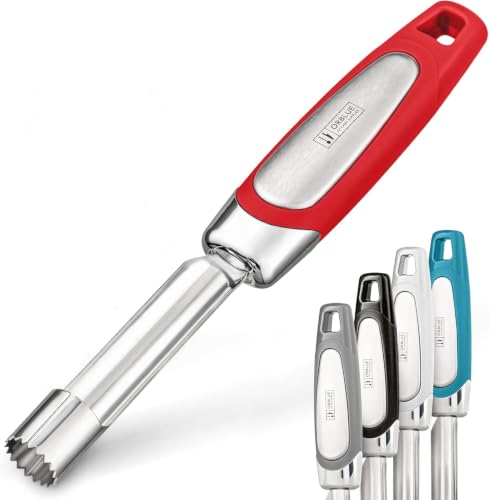
EFFORTLESS CORE REMOVAL: This apple corer's sharp, serrated tip pierces and extracts cores cleanly. A simple push, twist, and pull gets the job done, cutting your prep time in half.