You’ll maximize your flock’s productivity by choosing high-production hybrids like ISA Browns or Golden Comets, which deliver 250-320 eggs annually starting at 16-18 weeks. Heritage breeds such as Australorps offer sustained output (200-300 eggs yearly) with longer lifespans, while specialty breeds like Ameraucanas provide premium pricing through colored eggs. Dual-purpose varieties combine egg and meat production effectively. Your breed selection should align with climate conditions, space availability, and production goals to optimize year-round output and flock management success.
High-Production Hybrid Layers: Maximum Egg Output
If you’re seeking maximum egg output, high-production hybrid layers are specifically engineered to deliver—with annual production typically ranging from 250 to 320 eggs per hen under ideal management. Strains like ISA Brown, Golden Comet, and Red Sex Links achieve these benchmarks through selective hybrid genetics optimized for consistent laying. You’ll see early onset of lay between 16–24 weeks, concentrating peak productivity in the first 12–18 months. These hybrids demonstrate superior feed conversion ratios compared to heritage breeds, translating to higher eggs-per-feed efficiency. Additionally, many of these hybrids can outperform traditional breeds like Rhode Island Reds in terms of sheer egg production. Notably, ISA Browns can start laying eggs as early as 16 weeks, providing a head start in egg production. However, realizing maximum egg production demands controlled lighting (14–16 hours daily), balanced layer-specific nutrition, robust health protocols, and stress-minimized housing. Incorporating wood ash into their dust bath areas can further enhance health and pest control. Prolific laying declines naturally after the second year as hens age, so planning breed rotation helps maintain consistent flock productivity. To maximize your results, consider adding breeds like the Red Star hybrid, which is renowned for its consistent egg production and can lay up to 300 eggs a year. Furthermore, breeds such as Rhode Island Reds are celebrated for their hardiness and adaptability, making them a valuable addition for a diverse flock. Your management directly determines whether your flock achieves published egg production targets or falls short.

Healthy and Natural Growth – Our nutritionally complete whole grain layer mash with 16% protein promotes optimal health in laying chickens and ducks. Fermentable. Corn-free. Soy-free.

Watch Your Birds Flourish: Our nutritionally complete whole food pellet feed with 18% protein promotes optimal health in laying chickens and ducks. Corn-free and Soy-free formulation

ALWAYS PREMIUM NUTRITION: Our corn-free and soy-free chicken food is a complete diet for laying hens, boasting a guaranteed minimum of 17% protein. Your feathered friends will thrive on this super premium blend, producing top-quality organic whole chickens.
Classic Heritage Breeds: Reliable Long-Term Layers
Heritage breeds offer a fundamentally different laying profile than their high-production hybrid counterparts: you’ll gain modest but sustained egg production across multiple years rather than explosive early production followed by sharp decline. Reliable heritage characteristics include Rhode Island Reds, Australorps, and Barred Rocks, which typically produce 200–300 eggs annually under good management. These breeds onset lay around 18–24 weeks, with first-year output often highest before gradual annual decline. You’ll notice seasonal reductions during molt and short daylight months. Heritage hens maintain productivity longer than hybrids, though photoperiod and age naturally influence output. Their eggs often feature larger sizes, thicker shells, and diverse colors—traits that reduce breakage and command premium market prices, offsetting lower annual volumes. Unlike commercial hybrids that are frequently culled after the first year, heritage breeds retain their value across multiple production seasons. Additionally, breeds like the Australorp are celebrated for their exceptional laying capabilities and friendly behavior, making them ideal for backyard settings. Furthermore, heritage Rhode Island Reds are known for their hardy traits and consistent egg production, laying approximately 150-250 eggs per year, and can live between 5 to 8 years with proper care. Notably, breeds like the Blue Copper Marans are prized for their rich flavor and production of dark chocolate-brown eggs, providing a unique option for backyard chicken enthusiasts. Barred Plymouth Rocks, in particular, are known to produce 190 to 280 brown eggs annually, ensuring a reliable supply of fresh eggs throughout the year.
Specialty-Colored-Egg Breeds: Beyond Brown and White
While heritage breeds deliver steady production across years, specialty-colored-egg varieties offer you a distinctive market advantage through shell pigmentation that commands premium pricing. Unique egg colors derive from breed genetics controlling pigment deposition during shell formation. Blue-egg layers like Ameraucanas (~220 eggs/year) and Cream Legbars (~190 eggs/year) deposit oocyanin throughout shells, producing consistent blue tones. The blue color of eggs is genetically determined, further emphasizing the distinctiveness of these breeds. Crossing blue-layers with brown-layers yields olive-green eggs through pigment overlay—Olive Eggers average 180–240 eggs annually while maintaining hybrid vigor. Dark chocolate browns come from Black Copper Marans, producing the darkest shells available. Individual egg darkness varies with hen age and diet, with stress-free conditions promoting the most vibrant and consistent coloration. These specialty breeds, such as Ameraucanas and Araucanas, let you capture premium direct-to-consumer markets while maintaining respectable production rates, making them economically viable for small-scale operations.
Starting Lay Age: When Your Flock Begins Production
When you’re planning your flock’s production timeline, understanding when breeds typically begin laying proves essential for managing both cash flow and resource allocation. Production hybrids start earliest—around 16–18 weeks—yielding 200–320 eggs annually. Standard breeds like Leghorns begin at 16–20 weeks, while common backyard varieties (Rhode Island Reds, Plymouth Rocks) reach flock maturity between 20–26 weeks with 150–250 first-year eggs. Heritage and heavy breeds mature slower, starting at 26–36 weeks and producing 100–200 eggs initially. Additionally, some ornamental breeds like Polish chickens may start laying as late as 8 months, which requires flexibility in your planning. Your laying age expectations shift based on genetics, photoperiod exposure, nutrition quality, and environmental stressors. Notably, hens often pause laying during cold months due to reduced daylight, further complicating production schedules. Optimizing these factors accelerates sexual maturity and maximizes early production when planning your flock’s economic performance. Additionally, ensuring access to quality feed with balanced protein levels can significantly enhance egg production during the early laying phase. Furthermore, it’s crucial to provide complete layer feeds during this time to ensure hens meet their essential nutritional needs for optimal egg production. Specialty hybrids like Austra White can begin laying as early as 12 weeks, offering an accelerated timeline for producers seeking rapid returns. A well-rounded diet rich in essential nutrients helps improve the health and productivity of hens during their laying period.
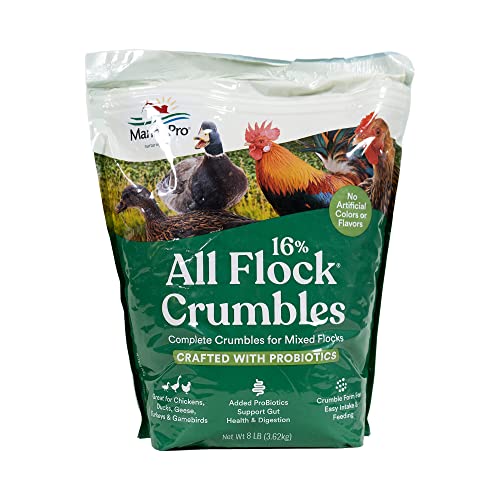
COMPLETE ALL FLOCK FEED FOR MIXED BACKYARD FLOCKS: Versatile poultry feed & all flock feed designed to support chickens, ducks, turkeys, geese, & more; a balanced bird food that simplifies feeding a diverse species in your backyard or homestead
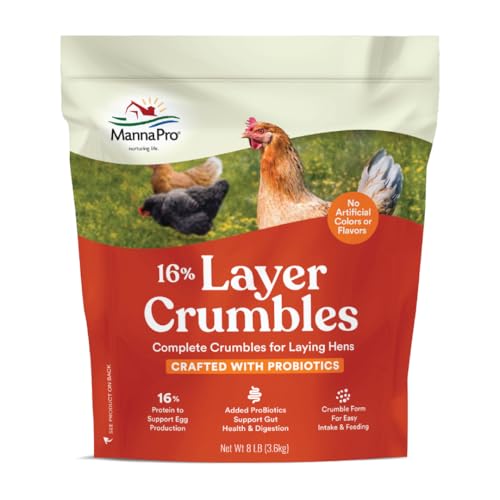
COMPLETE CHICKEN FEED FOR LAYING HENS: Manna Pro Chicken Feed delivers complete nutrition designed for laying hens, supporting strong egg production, healthy feathers, and overall wellness; balanced formula helps maintain optimal health in backyard flocks
Dual-Purpose Breeds: Eggs and Meat in One Bird
For backyard producers seeking both consistent egg supply and meat yield, dual-purpose breeds offer a practical middle ground between specialized layers and meat birds. Heritage breeds like Rhode Island Reds, Australorps, and Buff Orpingtons deliver 200–300 eggs annually while reaching 6–10 pounds dressed weight. These birds mature within 16–30 weeks, enabling efficient flock turnover and feed planning. Rhode Island Reds are particularly prized for their excellent egg-laying abilities, making them ideal for beginners and families. Additionally, Wyandottes are valued for their consistent and quality brown eggs, providing a reliable output for small-scale producers. Leghorns, specifically the White Leghorn variety, are also renowned for their prolific laying capabilities, producing 280-320 large white eggs annually. Rhode Island Reds are celebrated for their robust, hardy nature, which allows them to thrive in diverse climates while maintaining high egg production.
To keep your chickens safe from predators like hawks, it’s crucial to provide adequate protection measures alongside their feeding and housing needs. You’ll optimize returns by separating males for meat production while retaining females for layer rations. Heritage breeds typically exhibit greater hardiness and foraging ability than specialized hybrids, reducing feed costs. Consider temperament and broodiness incidence—docile, broody birds like Orpingtons facilitate natural chick-rearing, whereas active foragers demand secure housing. Track feed conversion efficiency and mortality rates to refine your management strategy and maximize productivity across both production metrics. Barred Rocks and Wyandottes provide reliable egg layers with performance in various confinement conditions, making them flexible options for different backyard setups.


High Toughness Bendable Flexible Material: The green feed trough features excellent bending resistance, allowing slight bending without cracking during carrying and cleaning. It adapts to irregular placement environments of backyard free-range breeding

Cold-Hardy Varieties: Winter Laying Champions
Cold-hardy chicken breeds shift your production strategy when winter temperatures drop below freezing and daylight hours contract. You’ll find that Chanteclers, Wyandottes, and Plymouth Rocks deliver 200-220 eggs annually, including winter months, thanks to their exceptional cold tolerance. Their specialized physiological adaptations—cushion combs, reduced wattles, and dense plumage—minimize frostbite risk while trapping body heat efficiently. Additionally, these breeds often enjoy a diverse diet that can include blueberries as a nutritious treat, enhancing their overall health and egg production. These breeds are recognized as some of the best choices for cold weather survival among backyard chicken keepers.
Brahmas and Orpingtons demonstrate similar winter resilience through thick feathering that extends to their feet. These breeds maintain consistent laying during cold seasons despite moderate overall production rates. Plymouth Rocks particularly excel, producing up to 315 eggs yearly with small combs reducing cold exposure. Installing water heaters at feeders ensures your flock has access to unfrozen water supply throughout the coldest months.
When selecting cold-hardy varieties, prioritize breeds with substantial body mass and minimal extremities exposure. This combination guarantees your flock sustains productivity throughout harsh winters while remaining comfortable and healthy.
Beginner-Friendly Breeds: Easy Management for New Keepers
Five standout breeds dominate beginner flocks: ISA Browns and Red Sex Links, Plymouth Rocks, Australorps, Sussex, and Wyandottes. You’ll find easy handling straightforward with these docile varieties—they’re calm during catching, inspection, and routine care. Their social behavior accelerates management efficiency; hybrids and Sussex strains readily approach you, simplifying daily monitoring and feeding. These breeds adapt well to both cold and hot weather conditions, making them reliable choices across different climates. Additionally, many chicken keepers appreciate their affectionate behavior that mirrors the welcoming nature of charming breeds like Silkies. Notably, the heritage breeds such as Australorps are well-known for their excellent foraging abilities, enhancing their overall performance on the farm. Furthermore, chickens like the Blue Sex Links demonstrate outstanding egg production capabilities, providing additional options for abundant egg-laying.
ISA Browns and Red Sex Links deliver peak productivity at 250–320 eggs annually while maintaining responsive temperaments. Plymouth Rocks and Australorps average 200–300 eggs yearly with exceptional docility. Sussex and Wyandottes produce 200–250 eggs consistently while displaying placid natures suited to backyard environments, with the Austra White known for its high output of 250-300 white eggs from an early age as well. The Pearl White Leghorn is also an excellent option, recognized for laying uniformly sized, high-quality eggs over an extended period.
These breeds begin laying around 16–18 weeks, establishing egg production quickly. Their combination of reliable output, predictable behavior, and manageable feed requirements positions them as your ideal foundation stock for establishing a productive, low-stress flock.
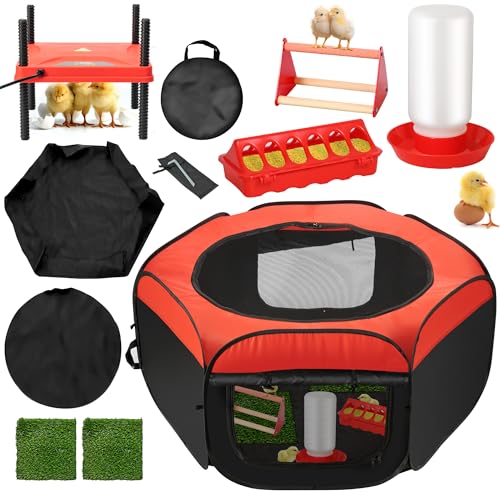
【Comprehensive Chick Starter Kit】Start raising baby chicks easily with this all-in-one brooder box kit. The set includes 1 pop up chick pen, 1 adjustable brooder heater plate, 1 chicken waterer, 1 chicken feeder, 1 chick perch, 2 cozy nesting pad,1 top cover,1 bottom pad,1 storage bag,3 peg. Whether you’re new to poultry or experienced, this kit keeps your chicks warm, fed, and safe from day one—no extra purchases needed, just more time to enjoy watching them grow.

Sliding door and ramp allows poultry to enter the raised housing area. There are timber ridges above the ramp to protects your poultry from slipping back. Your poultry can lay their eggs in the nesting box.

🐥 All-in-One Chicken Brooder Kit - Magicfly brooder box includes pen*1, brooder heating plate*1, chicken feeder&waterer*1, top cover*1, chicken perch*1, waterproof floor pad*1, peg*3, storage bag*1. Designed to support chicks during early growth stages, creating a warm and contained space that is also suitable for ducklings, small rabbits, and puppies in short-term housing scenarios.
Egg Size and Quality: What to Expect From Each Breed
While you’ve selected breeds for reliable production, egg size and quality vary considerably across strains—and these characteristics directly impact your flock’s market value and household utility. Rhode Island Reds and Cinnamon Queens consistently produce large brown eggs averaging 50 grams with excellent shell quality. Isa Browns outperform most breeds, yielding 300-350 large eggs annually at similar weights, though they demand higher protein diets to maintain egg weight. Regularly implementing natural mite control measures can help ensure your hens remain healthy and productive. Additionally, creating alternative chicken-friendly zones can help keep chickens occupied and reduce their tendency to interfere with your gardens. Orpingtons deliver fewer eggs—175-200 yearly—but maintain large sizing suitable for premium markets. Olive Eggers distinguish themselves through medium-to-large olive-green eggs weighing 42-50 grams, offering ornamental appeal despite lower production volumes. Barred Plymouth Rocks produce approximately 200 large brown eggs annually with consistent year-round production except for minor drops during winter and moulting periods. Your breed selection should balance egg weight consistency against production targets and market preferences specific to your operation.
Seasonal Production Patterns: Understanding Your Flock’s Rhythm
Understanding your flock’s production rhythm requires recognizing that daylight length—not temperature—drives the ovulation cycle and determines your annual egg output. Spring egg laying accelerates as days lengthen, yielding 5-6 eggs per hen weekly. Your summer peak coincides with 16-hour daylight, maintaining maximum production before broody interruptions arrive. The addition of breeds such as the Silver Spangled Hamburg can enhance your flock’s productivity due to their consistent egg production.
Fall molting typically reduces output to half during October-November, though first-year hens continue laying. Winter slowdown drops production to 2-4 eggs per hen weekly without supplemental light. Implementing 14-16 hour artificial lighting sustains winter productivity. Preferred breeds for backyard flocks including Buff Orpington, Barred Rock, and Black Sexlink maintain reliable laying patterns across seasonal transitions.
Strategic flock rotation staggers hen ages for consistent year-round production. Since peak laying spans six months to two years before declining, introducing new layers annually compensates for aging hens. This systematic approach leverages daylight influence to optimize your backyard operation’s egg supply.
Selecting the Right Breed: Matching Your Goals to Your Flock
Now that you’ve grasped your flock’s seasonal production rhythm, breed selection becomes your next critical lever for optimizing performance. Your primary goal—whether egg maximization, dual-purpose production, or show quality—directly determines breed viability. Commercial hybrids deliver 250–300+ eggs annually; heritage layers produce 200–280; dual-purpose breeds yield 150–220 eggs yearly. Incorporating DIY enrichments like toys and obstacle courses can further enhance the overall well-being of your hens, indirectly supporting consistent egg production. Moreover, implementing a strategy for coccidia treatment can help maintain their health, ensuring steady egg-laying.
Beyond output, evaluate breed temperament and flock compatibility. Calm, docile breeds like Orpingtons suit family environments and mixed flocks. Conversely, flighty commercial layers require experienced handling and secure housing. Broody-prone breeds reduce egg output but enable natural chick production when desired. Purebred laying breeds breed true and provide sustainable flock options across multiple generations.
Match climate adaptability to your region: cold-hardy breeds feature small combs and heavy plumage; heat-tolerant Mediterranean breeds possess larger combs and lean bodies. Consider space constraints and foraging propensity—large, active breeds need expansive runs; confined systems suit low-forage birds.