Yes, you can safely feed your chickens dandelions as a nutrient-dense supplement. They’re rich in vitamins A through K, minerals like calcium and iron, and prebiotic fiber that supports gut health. Source them from chemical-free areas, introduce gradually at 5–10% of daily intake, and monitor for digestive issues. Stick to 2–3 times weekly. You’ll want to understand which plant parts are safest and how proper storage extends their availability year-round.
Nutritional Benefits of Dandelions for Your Flock
When you’re looking to optimize your flock’s health, dandelions offer a nutrient-dense supplement that addresses multiple physiological needs. This plant delivers extensive dandelion nutrition through high concentrations of vitamins A, B-complex, C, D, E, and K, directly supporting immune function, metabolism, and bone development. You’ll benefit from substantial mineral content—calcium strengthens eggshells, while iron, zinc, and potassium enhance oxygen transport and electrolyte balance. The flavonoids and tannins elevate your flock’s antioxidant capacity, reducing oxidative stress at the cellular level. Additionally, inulin fiber functions as a prebiotic, improving intestinal villus height and nutrient absorption efficiency. Dandelion’s anti-inflammatory properties further support gastrointestinal health by reducing inflammation within the digestive tract. Furthermore, these beneficial effects on chicken health can be complemented by incorporating homemade treats like dandelion-infused flock blocks. Research demonstrates that incorporating dandelions increases body weight gain, egg production, and yolk color enhancement. This chicken health optimization occurs through measurable improvements in feed utilization and metabolic performance, as dandelions are also rich in essential nutrients that provide further benefits to your flock’s well-being.

Eat Anywhere To Supplement Nutrition: You can pour chicken nesting herbs in the chicken house; litter; nest box; feeder; dust bath area, and the chickens can eat it anytime and anywhere. Nesting herbs for chicken coop can be mixed with other chicken feeds to make a perfect snack supplement, supplementing chickens with multiple vitamins; minerals; calcium and trace elements, etc., which is beneficial to the health of chickens and improves the quality of eggs
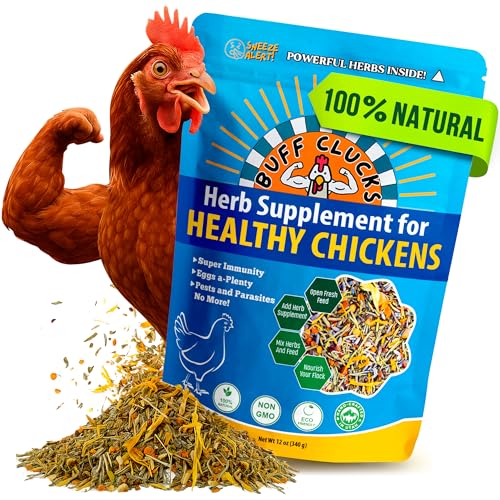
Herbs For Happy Hens: Packed with ingredients of oregano, basil, garlic, rosemary, red pepper, lavender, and calendula, this herbal chicken treat helps support your chickens. Supports strong immune systems, vibrant feathers, and calm nesting.
Which Parts of the Dandelion Plant Are Safe to Feed
Every part of the dandelion plant offers nutritional value to your flock, though each requires specific handling considerations to maximize safety and palatability.
You can offer leaves and flowers raw or dried, as they’re readily consumed and enhance egg yolk coloration. Tender young foliage proves more palatable than coarse mature growth. Stems are edible but should be cut or shredded to prevent choking, particularly for chicks. Roots, though nutritionally valuable for digestive support, taste bitter and benefit from cooking or wilting to improve acceptance. The calcium in roots strengthens both bones and eggshells in laying hens.
Follow these feeding guidelines: leaves and flowers constitute 10–20% of total diet, roots serve as occasional supplements, and mature seed heads warrant rare offering. Harvest all dandelion parts from untreated areas only, avoiding pesticide contamination. Store dried material properly to prevent mold development.
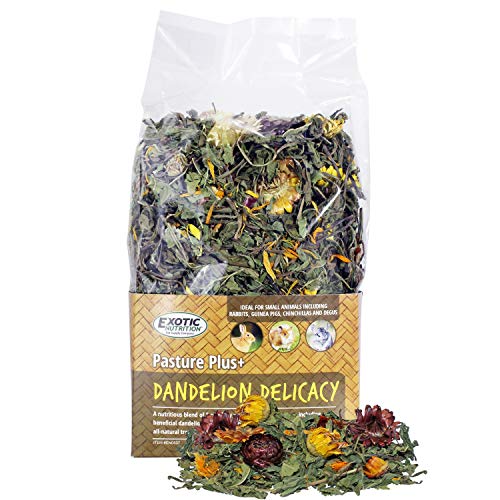
✔ HEALTHY - Rich in essentials minerals and oils, this tasty all-natural treat is a favorite among herbivores.

A whole dandelion, organic, natural, including the dandelion root, dandelion leaves, dandelion flowers, dandelion peduncle.

UPGRADED COMPRESSION LINER: No more chafing from traditional mesh.Our silky-smooth, lightweight, and breathable liner offers a snug yet non-restrictive fit. Blocks sand from sticking or sneaking in, wicks moisture to keep kids cool.
Health Advantages Supported by Research and Experience
Beyond basic nutrition, dandelion supplementation can enhance your flock’s growth, production, and health through mechanisms supported by controlled research. You’ll see improved body weight gain and egg production when you include dandelion at defined dosages—studies document statistically higher final weights and increased laying performance. These health enhancements stem partly from improved nutrient absorption; dandelion’s bioactive compounds strengthen intestinal morphology by increasing villus height and the villus:crypt ratio. You’ll observe shifted cecal microbiota favoring beneficial bacteria, which reduces intestinal pH and enhances nutrient uptake. Additionally, dandelion’s polysaccharides function as prebiotic substrates, supporting feed utilization in laying hens. The tannins and isoflavones in dandelion work synergistically to enhance antioxidant function and strengthen immune responses in your chickens. Studies have shown that the introduction of dandelion can also help reduce the risk of obesity-related health issues, similar to the effect observed with other treats like peanut butter. Antioxidant compounds reduce lipid oxidation in meat quality. However, you should maintain low inclusion rates—excessive amounts can produce counterproductive effects—and expect responses to vary by breed and dandelion form.
How to Safely Incorporate Dandelions Into Your Chicken’s Diet
Understanding dandelion’s documented benefits means little if you can’t safely deliver them to your flock—the gap between potential and practice hinges on proper sourcing, preparation, and integration. Source plants from chemical-free areas, avoiding herbicide-treated lawns and roadsides where residues accumulate. Select young leaves and flowers for peak nutrition and palatability. Wash all harvested material thoroughly to eliminate contaminants before feeding confined birds. Introduce dandelions gradually as supplemental treats—limit them to 5–10% of daily intake to maintain balanced nutrition. Chop larger pieces to prevent choking hazards. Scatter dandelions in your run to stimulate foraging behavior and encourage natural feeding patterns. The inulin content in dandelions supports digestive health by promoting beneficial gut bacteria growth in your chickens. Monitor flock response closely, adjusting frequency based on consumption and overall health metrics. Store harvested greens within 24–48 hours or dry them for extended preservation.
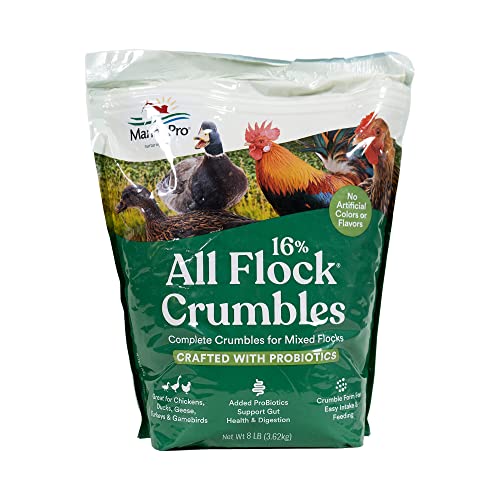
COMPLETE ALL FLOCK FEED FOR MIXED BACKYARD FLOCKS: Versatile poultry feed & all flock feed designed to support chickens, ducks, turkeys, geese, & more; a balanced bird food that simplifies feeding a diverse species in your backyard or homestead

Organic and Natural: Our organic chicken feed is crafted with a carefully balanced mix of high-quality ingredients to support the health of your laying hens. It’s completely corn-free, soy-free, and non-GMO, ensuring your flock gets only the best.

ALWAYS PREMIUM NUTRITION: Our corn-free and soy-free chicken food 25lb (chicken feed 25 lb bag) is a complete diet for laying hens, boasting a guaranteed minimum of 17% protein. Your feathered friends will thrive on this super premium blend, producing top-quality organic whole chickens.
Potential Risks and Safety Considerations
While dandelions offer nutritional benefits, you’ll need to navigate several safety considerations to protect your flock’s health. Chemical contaminants pose the primary concern—pesticides and herbicides accumulate in chicken bodies, causing organ damage, reproductive issues, and neurological problems. You must cease all weed killer applications where your chickens access vegetation. Additionally, chickens can enjoy fresh vegetables like pumpkin, which can provide beneficial nutrients without additives.
Avoid human preparations entirely. Dandelions cooked with salt, butter, or oils trigger digestive troubles, sodium poisoning, and fatty liver disease. Additionally, excessive supplementation exceeds safe limits. Research indicates 0.5 g/kg represents the recommended maximum; higher doses elevate stress and compromise meat quality through increased water loss. Furthermore, toxic foods like chocolate can pose serious health risks if ingested accidentally by your chickens. Be sure to also consider nutritious additions like beets and their greens, which can be a safe supplement to your chickens’ diet.
Finally, proper plant identification remains critical. Toxic weeds like buttercup and foxglove closely resemble dandelions. Verify identification before offering any wild greens to your flock. When selecting safer greens for your chickens, dandelion leaves and beet greens provide excellent calcium absorption without the oxalate complications found in spinach.

ALWAYS PREMIUM NUTRITION: Our corn-free and soy-free chicken food 50lb (chicken feed 50 lb bag) is a complete diet for laying hens, boasting a guaranteed minimum of 17% protein. Your feathered friends will thrive on this super premium blend, producing top-quality organic whole chickens.

Healthy and Natural Growth – Our nutritionally complete whole grain starter mash with 17% protein promotes strong development and growth in chickens and ducks. Fermentable. Corn-free. Soy-free.

Healthy and Natural Growth – Our nutritionally complete whole grain layer mash with 16% protein promotes optimal health in laying chickens and ducks. Fermentable. Corn-free. Soy-free.
Storage and Preparation Methods for Year-Round Feeding
To maintain consistent nutrition throughout the year, you’ll need to preserve dandelion greens during peak growing seasons when fresh harvesting isn’t possible. Freezing techniques involve quick-blanching for 1–2 minutes followed by ice-water shock, then packing loosely into vacuum-sealed bags for up to 12 months. Dehydration methods require drying leaves at 57°C until crisp, then storing in airtight, light-blocking containers for extended shelf stability. Canning procedures follow standard leafy-green protocols using pressure canning for year-round availability. Dandelion leaves are more nutritious than popular greens, making them an excellent choice for supplementing your flock’s diet. Additionally, feeding chickens a variety of vegetables, including dandelions, can enhance their overall health and nutrition. Calcium is critical for ensuring that hens maintain strong bones and produce high-quality eggs, which can be supported alongside the inclusion of dandelion greens. Furthermore, adding natural remedies like VetRx can help treat any health issues that may arise in your chickens. To ensure a balanced diet, consider the importance of nutritional formulations that cater to your chickens’ specific needs. Beyond these preservation strategies, winter production through pot-forcing crowns in moist sand or coldframe cultivation provides fresh leaves during dormant months. Combining these approaches guarantees your flock receives nutritious dandelion supplementation consistently.

Compatible with All Desktop Vacuum Sealers: These vacuum sealer bags are designed to work with all traditional desktop vacuum sealer machines. Simple to operate and convenient to use. (Note: These bags do not feature an air valve and are not compatible with handheld vacuum sealers.)

HEAVY DUTY AND PUNCTURE PREVENTION - 200 pack of 8 by 12 inch precut bags with embossed channels to increase suction, with a cutter box for cutting and storage, keep fresh without freezer burn or dehydration
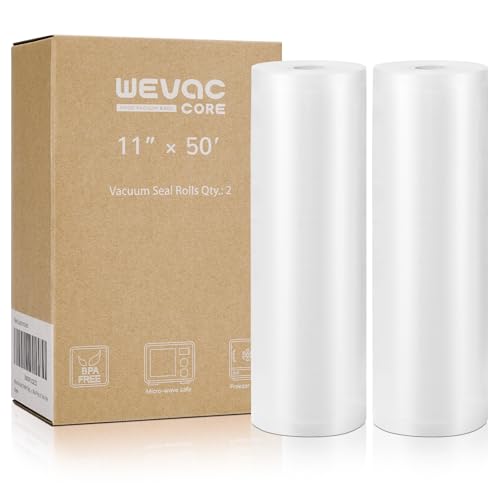
HEAVY DUTY AND PUNCTURE PREVENTION - 2 pack of 11 inch by 50 feet rolls with embossed channels to increase suction, keep fresh without freezer burn or dehydration
Signs of Problems: When to Limit or Stop Feeding Dandelions
Because dandelions contain compounds that can accumulate in your flock’s system, you’ll need to monitor for specific warning signs that indicate toxicity or adverse reactions. Symptom identification is critical for early intervention. Watch for gastrointestinal distress including diarrhea, loss of appetite, and abdominal swelling. Chickens and ducks have different dietary needs, so it’s essential to understand how dandelions fit into their overall nutrition. Neurological signs like lethargy, incoordination, and dilated pupils warrant immediate attention. Respiratory changes—labored breathing or rapid shallow breathing—signal moderate toxicity progression. You’ll also observe systemic weakness, pale combs indicating anemia, and organ dysfunction. Different parts of dandelions may contain varying toxin levels throughout the plant’s growing cycle. Establish dietary limits by offering dandelions only 2-3 times weekly as treats, never exceeding 10% of daily intake. Upon detecting any adverse symptom, immediately stop dandelion feeding and consult your veterinarian to prevent further accumulation and organ damage.
What the Science Currently Shows About Dandelion Supplementation
Scientific research on dandelion supplementation in poultry reveals measurable benefits rooted in the plant’s nutritional and phytochemical composition. You’ll find that controlled trials consistently document improved feed conversion, enhanced egg production, and reduced abdominal fat across broiler and layer studies. These gains correlate with strengthened intestinal barrier function—dandelion bioactives increase tight-junction protein expression and promote villus development, optimizing nutrient absorption rather than providing direct caloric value. Dandelion polysaccharides effectively regulate the caecal microbiota, which supports the overall health and productivity improvements observed in supplemented flocks. Additionally, incorporating dandelions in the diet of chickens can enhance their egg production due to the prevalence of beneficial compounds found in this nutritious plant. Chickens that receive balanced nutrition are better equipped to take advantage of such natural supplements. Studies have also shown that certain nutrient-rich fruits can be included in a chicken’s diet for additional health benefits. Furthermore, like grub worms, dandelions provide essential nutrients that can improve the overall health of your flock.
However, supplement dosing critically determines outcomes. Whole-leaf preparations show benefits at low g/kg levels, while purified extracts require 300–500 mg/kg ranges. You should recognize that variability across breed, age, and baseline diet necessitates individualized optimization. Heterogeneous responses underscore that dandelion’s effectiveness depends on precise formulation and targeted application to your specific flock’s needs.