You’ll create balanced scratch grain feed by mixing cracked corn, oats, and wheat in a 1:1:1 ratio as your foundation. Add protein sources like mealworms or fish meal, then incorporate calcium through oyster shells. Limit scratch to just 10% of your chickens’ daily intake to prevent nutritional displacement. Store your mixture in rodent-proof containers and use it within three months. The specifics of seasonal adjustments and ingredient combinations reveal how you’ll optimize your flock’s health and egg production.
Understanding Base Grains and Core Ingredients
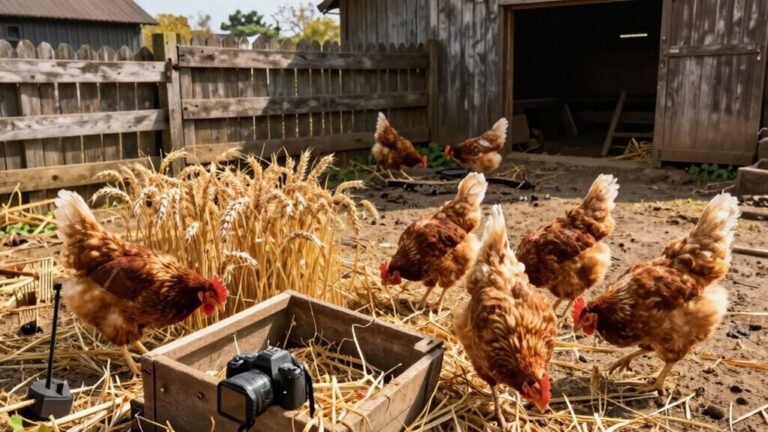
Because scratch grain feed forms the foundation of any homemade mix, you’ll want to understand how each ingredient contributes to your flock’s nutrition and foraging behavior. Corn varieties like cracked or whole kernel serve as your primary energy source due to high starch content, though their low protein means they shouldn’t dominate your blend. Additionally, corn is a common energy-rich carbohydrate that can safely be fed to chickens in moderation. Wheat types and oats provide fermentable carbohydrates, fiber, and superior protein compared to corn alone, while essential nutrients found in these grains support overall health. Large particle calcium such as oyster shells can also be included in the diet to help maintain strong eggshells and bone health for your chickens. Barley offers similar benefits while promoting natural pecking behavior, making it an excellent choice for healthy backyard chickens. Additionally, incorporating grains rich in high-protein layer feed can further enhance the nutritional quality of your chickens’ diet. Together, these grains create nutritional balance and encourage foraging without excessive fat accumulation. Choose cracked corn over whole kernel to reduce waste and promote engagement. Remember that scratch should be limited to no more than 10% of your chickens’ daily food intake to prevent nutritional imbalances and maintain health. Store all grains in dry, ventilated, rodent-proof containers to prevent mold and pest contamination.

[WHAT'S INCLUDED]: High-quality cracked corn in a 50 pound bag. 100% edible with no debris. Perfect for chickens, turkeys, doves, cardinals, jays, quail, deer, squirrels and other backyard wildlife. Scatter on ground or fill feeders year-round
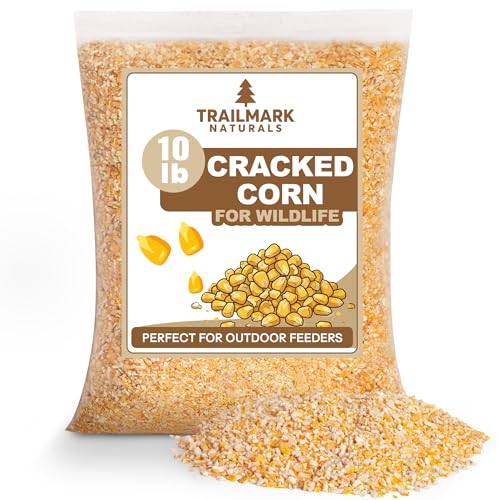
High-Energy Bird Food for Outdoor Feeders: This 10 lb bag of cracked corn is perfect bird food for outside feeders, attracting wild birds like cardinals, doves, and sparrows with a natural, energy-rich snack.

PREMIUM SCRATCH FEED FOR POULTRY: A nutritious, natural blend of cracked grains; featuring vibrant USA-grown purple corn to support healthy growth, strong development, and overall wellbeing for chickens, ducks, and backyard flocks.
Simple Recipes and Common Ratios
Now that you’ve grasped how individual grains contribute to your flock’s nutrition and behavior, you’ll want to put that knowledge into practice with proven ratios that deliver consistent results. The most versatile scratch grain formula uses a simple 1:1:1 ratio of cracked corn, oats, and wheat—easy to scale and nutritionally balanced for year-round feeding. For winter conditions, boost corn to 50–60% to increase caloric density when your flock needs extra energy. When incorporating high-fat ingredients like sunflower seeds, limit them to 5–10% of your total mix to enhance palatability without creating nutritional imbalances. It’s crucial to remember that chicken scratch should supplement, not replace, your primary layer feed or meat feed to ensure your chickens receive complete balanced nutrition. Additionally, including safe human foods like fruits and vegetables can provide essential vitamins and minerals to your chickens; for example, bell peppers are beneficial due to their high vitamin content. Providing unlimited access to a complete feed can help ensure they eat according to their needs and maintain good health. Incorporating whole grains into your flock’s diet not only promotes healthy growth but also improves feather quality, making it an essential practice for successful chicken keeping. These evidence-based ingredient ratios guarantee you’re providing targeted nutrition while maintaining treat-feeding guidelines that support long-term flock health.
Boosting Nutrition With Protein and Seeds
Strategic protein supplementation transforms scratch grain from a simple treat into a targeted nutritional tool that addresses your flock’s elevated demands during molting, cold weather, and breeding seasons.
You’ll optimize results by rotating protein sources—insect larvae, cooked eggs, and fish meal deliver complete amino acid profiles. Black Soldier Fly larvae offer sustainable, calcium-rich options; dried mealworms provide concentrated supplementation at under 10% of daily calories. The Oyster Strong System ensures that calcium particles are effectively absorbed alongside increased protein intake to maintain eggshell integrity.
For seed types, black oil sunflower seeds and field peas supply accessible plant-based protein around 25–30% and 20–25% respectively. Limit oilseeds as occasional toppers due to high fat content affecting pellet stability. Always maintain adequate calcium alongside protein increases to preserve eggshell quality and prevent nutrient imbalances that compromise performance.

BSFL from KBM Feeders are rich in Protein and Calcium.

【High-Protein Superfood】- Our black solider fly larvae for chickens are non-GMO and pure natural. Packed with protein, making them an ideal supplement for poultry, reptiles. They promote healthy growth and development for laying hens.

【High-Protein & Rich in Calcium】Naturally packed with protein and calcium, our Black Soldier Fly Larvae rich in calcium, it contains at least 85x more calcium than dried mealworms, and with a great source of protein 45%.
Nutritional Balance and Dietary Guidelines
While scratch grain delivers concentrated energy and enrichment, it’ll only serve your flock well when you maintain rigorous macronutrient balance across their complete diet. You should limit scratch to 10–25% of total daily intake to prevent displacement of nutrient-dense layer feed. Monitor nutrient proportions carefully: guarantee your hens receive 15–18% crude protein daily, adequate calcium from oyster shell or limestone, and sufficient trace minerals that grains alone cannot provide. Incorporating complete layer feed ensures that your hens are supported with essential vitamins and minerals that promote optimal egg production. Additionally, maintaining optimal protein levels helps to sustain overall health and egg production efficiency. When hens begin laying eggs, transitioning them to layer feed with 16-18% protein can further enhance their nutritional intake.
Providing grit for digestion is also important, as it aids in grinding food and enhances nutrient absorption, contributing to your hens’ overall well-being.
Make dietary adjustments based on production metrics. If egg quality declines or body weight rises, reduce scratch inclusion immediately. Conversely, during peak lay, you may decrease scratch further to prioritize layer pellet consumption. Homestead Layer should complement your scratch grain to ensure complete nutrition for your flock. Provide free-choice grit and supplemental calcium alongside any scratch feeding to support ideal eggshell formation and skeletal health throughout your flock’s laying cycle.
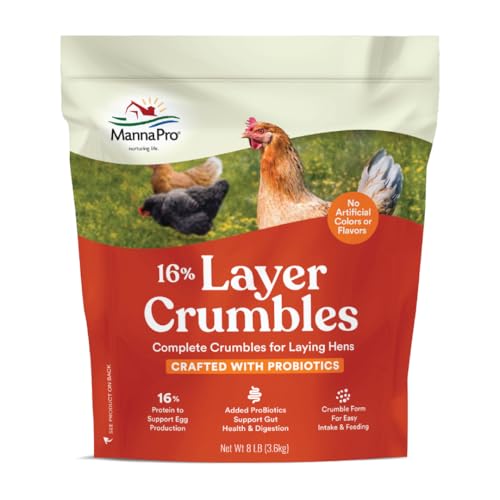
COMPLETE CHICKEN FEED FOR LAYING HENS: Manna Pro Chicken Feed delivers complete nutrition designed for laying hens, supporting strong egg production, healthy feathers, and overall wellness; balanced formula helps maintain optimal health in backyard flocks

PREMIUM CHICKEN FOOD FOR LAYING HENS WITH OMEGA-3: High-quality chicken layer feed made for strong egg production; fortified with chicken feed omega 3 & extra chicken feed calcium to support healthy shells & provide complete daily nutrition for your hens
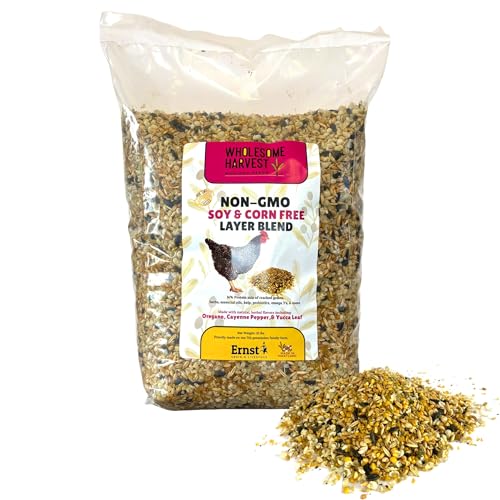
LAYER BLEND: Our Non-GMO layer mash is a complete feed fortified with minerals and additional calcium, ensuring quality eggshells. This blend of grains includes probiotic for digestive health and higher omega 3 levels from linseed (flax) oil. Ideal for supporting your flock's overall health and egg-laying productivity.
Mixing, Storing, and Feeding Your Scratch
Once you’ve determined your scratch formula based on your flock’s nutritional needs, proper mixing, storage, and feeding protocols become essential to maintaining feed quality and preventing nutrient imbalances.
For mixing techniques, combine ingredients by weight in clean, food-grade containers, inspecting all grains and seeds for mold and insect damage beforehand. Add powdered additives last and blend thoroughly for even distribution. Proper mixing ensures that nutritious ingredients like pumpkin seeds and sunflower seeds are evenly distributed throughout the batch for consistent nutrition.
Your storage solutions should include sealed, rodent-proof bins kept in cool, dry conditions away from sunlight. High-oil ingredients reduce shelf life considerably; use these mixtures within one to three months. Implement first-in, first-out rotation and check periodically for infestation.
When feeding, offer scratch after pellets at roughly 10% of daily caloric intake. Scatter-feed to encourage natural foraging behavior and prevent selective eating that compromises nutrition.

This Food Storage Container is made of BPA-free PP material, comes with a serving cup.

【HIGH-QUALITY PP MATERIAL】- The bin on wheels adopts high-quality and PP material. With a lightweight and strong sealing, not easy to be dirty, easy to store food.

Large-Capacity Storage: This rice storage container has a 13.2 gal / 50 L capacity for family and commercial use. It is suitable for stocking dry goods for large households, restaurants, or cafeterias
Creative Add-Ins and Seasonal Variations
Beyond your base scratch formula, you can customize your flock’s feed by incorporating nutrient-dense seeds, dried fruits, and health-enhancing additives that target specific nutritional gaps or health concerns. Flax seeds, chia seeds, and pumpkin seeds provide omega-3 fatty acids, protein, and antioxidants respectively. Dried cranberries and raisins supply vitamins and natural sugars. Adding these ingredients can also serve as homemade chicken treats that contribute to overall flock health. To ensure your garden isn’t a target for free-ranging birds, consider implementing effective physical barriers like sturdy fences around your gardening space. Additionally, creating enclosures for chickens can provide a safe environment where they can thrive without the threat of hawks. Ameraucana chickens are especially well-suited for free-ranging due to their friendly temperament, making them an excellent choice for backyard settings.
Cabbage is another excellent addition to offer your chickens regularly for both nutritional benefits and fun enrichment. For creative combinations, add minced garlic to prevent parasitic diseases or cayenne pepper to improve circulation. During winter months, increase scratch grains and high-calorie seeds to meet elevated energy demands in cold weather. Summer variations shift toward garden trimmings, dandelion greens, and sprouted grains that reduce grain dependency. Fresh sprouts from lentils or cover crops like clover provide seasonal ingredients that optimize nutrition while reflecting environmental availability and your chickens’ changing metabolic needs. Remember that scratch grains should comprise no more than 10% of your birds’ diet to ensure they continue consuming their complete feed and maintain balanced nutrition.

FRESH GREENS YOUR FLOCK WILL ACTUALLY EAT - Grow a dense mat of carotenoid-rich microgreens from four clean seeds: alfalfa, clover, sunflower, and wheatgrass. Feed it straight from the tray in 8 days. Live nutrition, no pellets, no processing.

All-in-1 Chicken Treats for Laying Hens: This chicken snack is a mix of corn, oats, sunflower seeds, oyster shells and wheat. A supplemental layer feed for chickens, it packs 5% calcium, 16.15% protein, and omega-6's to support health and egg production
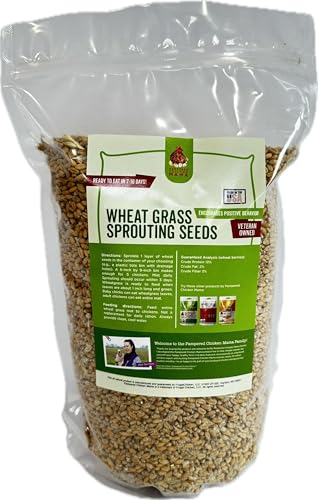
Easy to grow chicken forage seed mix of wheat grass berries. Ready to eat in just a few days. Add water, cover your chicken forage seed mix, and watch the grass grow! Great as a tortoise pasture mix and as a cat grass, as well.
Avoiding Common Mistakes and Safety Concerns
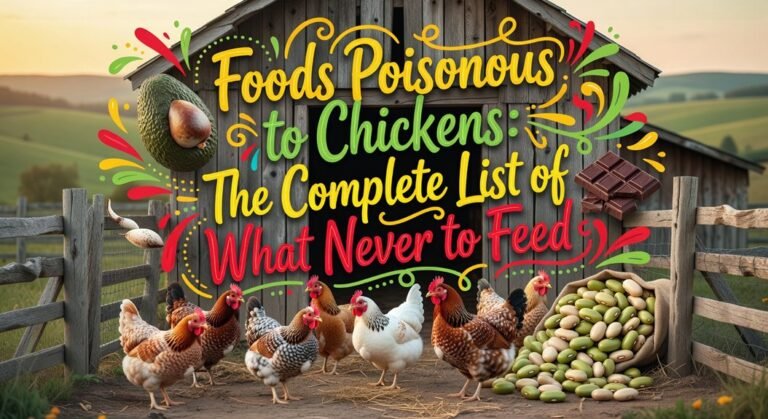
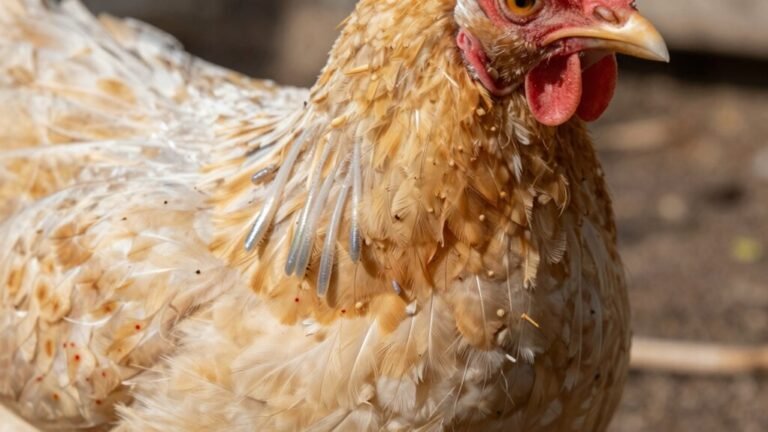
Even with the best intentions, many chicken keepers inadvertently compromise their flock’s health by mismanaging scratch grain portions, selecting inappropriate ingredients, or neglecting hygiene protocols. You’ll want to limit scratch grain to 10% of your birds’ total diet—exceeding this causes protein and mineral deficiencies that tank egg production and immune function. Nutritional deficiencies in particular can lead to poor feather condition and loss, which can manifest as feather loss around the neck area. Additionally, pests like lice can infest chickens, exacerbating health issues and feather loss. Regarding safety considerations, you must exclude moldy feed, raw potatoes, avocados, chocolate, and high-oxalate plants like rhubarb leaves. Chickens should not be fed processed foods such as cat food, as it can lead to health issues over time due to nutritional imbalances. You shouldn’t feed kitchen scraps on the ground; instead, use a dedicated dish and remove uneaten portions within 20 minutes to prevent parasitic infections and pest attraction. Additionally, grit should be available free choice to support proper digestion and nutrient absorption in your chickens. These scratch grain mistakes prove easily avoidable when you prioritize proper portions, ingredient selection, and sanitation practices.