Yes, weasels attack and kill your backyard chickens with devastating efficiency. Their slender bodies squeeze through gaps as small as a quarter-inch, while sharp canines deliver lethal puncture wounds to the neck and skull. You’ll find distinctive paired bite marks and often beheaded birds left largely uneaten. Long-tailed weasels target adult chickens, while least weasels focus on chicks. Their high metabolic rates drive constant hunting behavior, resulting in multiple kills. Understanding their physical adaptations and hunting techniques reveals critical protection strategies.
The Weasel Species Targeting Poultry
Several weasel species across North America regularly target backyard poultry, with the long-tailed weasel (Mustela frenata), stoat or short-tailed weasel (Mustela erminea), and least weasel (Mustela nivalis) most frequently implicated in coop kills. You’ll find that regional variation influences which weasel species predominate in your area. Long-tailed weasels demonstrate capability against adult chickens and chicks alike, while stoats primarily attack smaller birds like bantams and young stock. Furthermore, weasels often leave their prey largely uneaten, allowing for easier detection of their presence after an attack. Additionally, ensuring that chickens receive nutrient-rich treats can help maintain their overall health and resilience against predators. Starting with a small flock of 3 to 6 chickens can enhance their social structure, which may also contribute to their well-being. Using multiple deterrents such as securing the coop and providing ample natural cover can further protect your chickens from these weasel threats. Bantam chickens, with their smaller size, may be especially vulnerable to predator attacks from weasels. The least weasel, despite its diminutive size, kills chicks and small fowl through persistent biting. Mink and related mustelids occasionally contribute to poultry losses, particularly near water sources. Weasels can enter through openings as small as 7/8-inch, making even seemingly secure coops vulnerable to intrusion. Understanding which weasel species inhabit your region helps you anticipate potential poultry interactions and implement targeted prevention strategies for your flock.

Prevent Predators:2 roll chicken coop predator proof apron total about 11-5/8in W x 65 ft L, expertly designed to effectively block predators.Extending the wire mesh to the bottom of the coop prevents predators from digging their way in
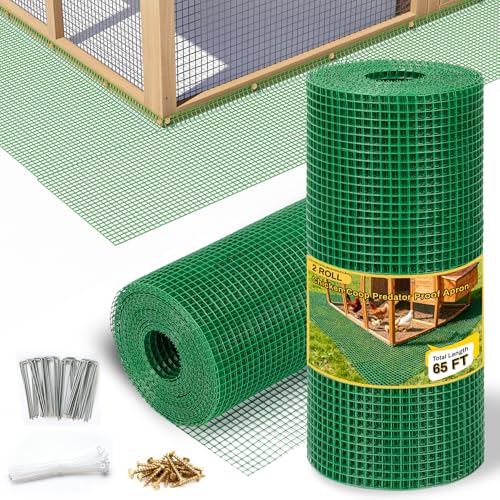
Keep Out Predators: This chicken predator apron is designed to prevent predators from digging under the chicken coop.Place wire mesh around the bottom of the chicken coop to effectively prevent predators from burrowing their way in.

Spacious Chicken Coop for 4-6 Chickens::Designed with ample interior space, this large chicken coop comfortably houses 4–6 hens, ducks, or small animals. The integrated nesting area provides a cozy and secure environment for laying and resting, keeping your backyard flock active and stress-free.
Physical Adaptations That Enable Attacks
Knowing which weasel species threatens your flock is only half the battle—understanding how they’re physically equipped to infiltrate coops and kill poultry is what lets you design effective defenses. Weasel anatomy enables remarkable predatory efficiency. Their slender, elongated bodies squeeze through gaps as small as a quarter, bypassing standard poultry wire. Short legs and long necks reach into nest boxes and roosting crevices. Sharp canines deliver lethal puncture wounds to the neck and skull base with minimal strikes. Muscular forelimbs grip struggling birds while flexible spines allow body contortion around prey. A high metabolic rate—requiring up to half their body weight daily—drives frequent raids. Their bold and aggressive nature as predators means they often kill multiple birds in a single visit, even if they cannot consume all the prey immediately. Acute olfaction, keen hearing, and night-active behavior support stealthy attacks on roosting flocks, often resulting in multiple kills per visit.
How Weasels Hunt and Kill Chickens
Your chickens’ movements and sounds trigger a weasel’s predatory response with remarkable efficiency. Once activated, the weasel’s hunting instinct prevents it from stopping until no prey remains. The attack employs a precise technique: two penetrating bites to the back of the neck using elongated teeth. This method creates a bloodless entry that’s often mistaken for blood-sucking behavior. You’ll frequently encounter victims with missing heads or exposed intestines, evidence of the weasel’s systematic feeding pattern. Weasel hunting intensifies when females raise kits, driving them to kill multiple chickens for future consumption and survival. The three species of weasels in North America—the long-tailed, short-tailed, and least weasel—all possess the physical and behavioral traits that make them formidable chicken predators. In addition to weasels, chicken owners must also be cautious of other predators like skunks that can target vulnerable birds in their coops. Ameraucana hens, being late bloomers, usually don’t start laying eggs until they’re between 17 to 22 weeks old, so it’s crucial to protect them until they are established layers. Chickens should be monitored for potential allergies to various foods in their environment, as this can impact their health. Implementing sturdy postings and secure materials is essential for effective protection, as weasels can easily exploit vulnerabilities, similar to how possums can access chicken coops by squeezing through small openings. Understanding this predatory sequence underscores why robust chicken defense requires more than standard wire fencing. Your protection strategy must account for the weasel’s ability to exploit vulnerabilities systematically.

20.8-Inch 3-Frame Chicken Tunnel: Creates a 63 in long route with a 20.8 x 20.8 in cross-section. Its compact profile fits beside coops, fences, and raised beds while giving hens a defined path for outdoor roaming

20.8-Inch 3-Frame Chicken Tunnel: Creates a 63 in long route with a 20.8 x 20.8 in cross-section. Its compact profile fits beside coops, fences, and raised beds while giving hens a defined path for outdoor roaming
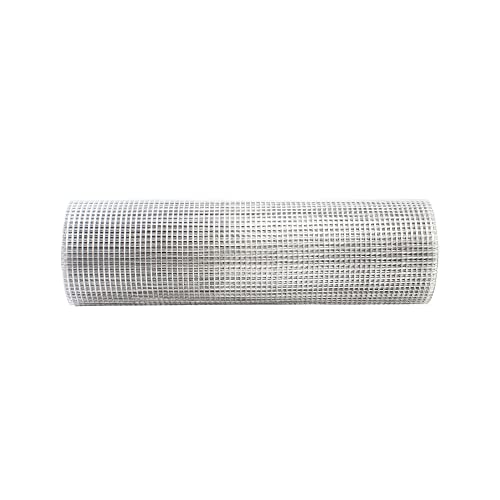
1. Ultra-Fine Hardware Cloth for Small Animal Exclusion: 1/4" welded grid blocks snakes, mice, and egg-stealing weasels. Critical for securing chicken coop foundations, beehive bases, and crawl space vents.
Recognizing Weasel Attack Damage
When you find dead chickens in your coop, the pattern of damage’ll tell you whether a weasel’s responsible. Look for small puncture wounds or paired weasel bite marks concentrated at the neck base and skull—distinctive signatures of mustelid predation. You’ll notice beheaded birds with largely intact bodies, unlike foxes or coyotes that consume entire carcasses. Additionally, in a balanced diet, chickens benefit from nutrient-rich treats like vegetables and greens. To keep your chickens healthy and supported, regularly provide opportunities for them to engage in dust bathing, which is a natural and enriching behavior. Fast-growing plants such as mustard greens can serve as an excellent source of nutrition for your flock. In certain environments, chickens can also act as sentinel animals to help monitor the presence of diseases carried by mosquitoes, showing their versatile role in a backyard ecosystem. Multiple tiny claw scrapes on wings and backs indicate the animal restrained its prey during killing. It can also be beneficial to implement physical barriers to keep chickens safe from potential predators. Examine whether the bird’s been moved short distances and cached in corners or crevices rather than dragged away. The absence of large drag trails and minimal flesh consumption further confirm weasel activity. Weasels may attack an entire flock once inside a poultry house, which is why identifying these specific damage patterns is crucial. This identifying carcass damage pattern proves invaluable for confirming predator identity and implementing targeted protection strategies.

Keep every hen you have at sunrise: predator lights for chicken coop that work the way a flock guardian does, two red eyes flashing at 4 Hz through the night, so a fox or raccoon finds the run already claimed and moves on

Advanced Predator-Eye Deterrent Technology: Stop nighttime invaders before they breach your perimeter. This coyote deterrent uses powerful, flashing red LEDs to simulate the glowing eyes of a larger predator, instantly triggering a flight response in coyotes, raccoons, foxes, and skunks. It provides 24/7, non-lethal protection for chicken coops, gardens, and yards—no traps, chemicals, or harm required.

Animal Deterrent with Red LED Predator Eyes: Our device utilizes a powerful combination of flashing red LED lights that mimic the intimidating eyes of a large nocturnal predator. This proven visual scare tactic effectively disorients and frightens animals like deer, raccoons, coyotes, foxes, and skunks without harming them
Securing Your Coop Against Weasel Intrusion
Because weasels can compress their bodies through openings as small as one inch, you’ll need to implement multiple layers of physical barriers to prevent intrusion. Start with hardware cloth installation: use 1/2-inch mesh for ventilation areas and the bottom three feet of your run. Bury 1/4-inch hardware cloth beneath the coop’s perimeter to block digging predators. A safe and healthy coop also promotes better egg production, which underscores the importance of securing your chickens against potential threats. Most losses occur at night due to predators like raccoons being sneaky and persistent and can carry diseases such as roundworm and rabies, highlighting the benefits of maintaining a secure environment for your diverse flock. Additionally, hawks often pose a predation risk to free-ranging chickens, so creating covered runs can help prevent attacks.
Perimeter reinforcement requires sinking welded wire fencing several inches into ground trenches around your coop’s base. Secure the fencing bottom with 2×6 boards screwed firmly in place. Cover the entire run top with 1-inch welded wire, using heavy-duty U-shaped nails to attach it securely to posts spaced eight feet apart. For additional stability, add support with additional 2×2 boards to reinforce the structural integrity of your installation. Inspect all edges, eaves, and doors for gaps larger than 7/8 inches—weasels exploit even small openings.

【High quality raw materials】Our hardware cloth chooses the strength, toughness and ductility of low carbon steel wire as the inner core. This determines the basis of the high quality of our products.

Galvanized After Welding: Hot-dip galvanized after welding coats every welded joint, so the heavy duty mesh resists rust and breakage far longer than pre-galvanized wire in rain, soil, and sun.Thicker wire builds a sturdier fence that resists bending and animal push-through

【Material】Made of low-carbon steel wire, with galvanized interior and black vinyl exterior for double rust resistance. It withstands outdoor elements, Rugged and Hard-wearing.
Trapping and Removing Problem Weasels
While fortifying your coop creates a strong defensive barrier, a weasel that’s already breached your defenses or established a den nearby requires active removal. Select appropriate trap types based on your control objectives: extra-small live cage traps for capture, or size #110 Conibear traps for quick lethal removal where permitted. Implement effective baiting strategies using fresh meat, chicken liver, or live rodents to exploit carnivorous preferences. Position traps along confirmed travel routes, den entrances, and areas with visible droppings or fur. Conceal traps with natural materials and stabilize them on level ground. Place bait at tunnel trap far ends to guarantee proper trigger activation. Since weasels are most active at dusk and dawn, schedule your trap checks during these optimal times for maximum effectiveness. Check traps daily, verify local regulations before deployment, and coordinate with wildlife authorities regarding humane protocols and disease risks.

Humanely Captures Animals – Ideal for trapping rabbits, skunks, and squirrels

【Suitable Size and Shape】: Humane rat trap size is 10.5* 5.5* 4.5". The outdoor mouse traps are cuboid, which is easy for rats to enter and ensures the best use of space. The squirrel trap is designed to reduce the incidence of capture errors and ensure that only the target rodent is captured.

FOLDABLE & SPACE-SAVING DESIGN: Unlike bulky fixed traps, this trap folds flat for easy storage and transport, suitable for homeowners, farmers, or pest control professionals who need a trap that won't take up space when not in use
Understanding Weasel Behavior and Habitat
To effectively protect your chickens, you’ll need to understand what drives weasel predation and where these animals thrive. Weasels’ high metabolisms demand they consume 40% of their body weight daily, compelling them to hunt continuously. They’ll kill more prey than they can eat, storing excess for later—a behavior that poses significant risks to your flock.
These solitary predators are highly territorial and aggressively defend their ranges using scent marks and vocalizations. Weasel communication includes barks, hisses, and chirps that establish boundaries and coordinate hunting. You’ll find weasels in diverse habitats—forests, fields, and agricultural areas near structures like barns. Their adaptability to changing environments and non-hibernating nature means they’re active threats year-round, making your chicken coop a prime target. Weasels commonly inhabit abandoned burrows or nests under trees or rockpiles, positioning them dangerously close to residential chicken coops and farm structures. Chickens, when properly cared for, can enjoy a nutritious diet, including fresh vegetables like lettuce, enhancing their health and resilience against predators. Additionally, providing nutritious supplements like shrimp can further support their overall well-being and help them better withstand threats.