
You can safely feed your chickens both fresh and cooked okra in moderation. Okra delivers potent antioxidants, vitamins C and K, and essential minerals that enhance immune function and digestive health. Limit servings to 5–10g per bird, 2–3 days weekly, as excessive consumption may cause gastrointestinal upset. Wash thoroughly, cut into bite-sized pieces, and cool cooked okra before serving. Both forms retain comparable nutritional profiles, though raw okra offers superior hydration benefits. Understanding the nuances of proper preparation and timing can optimize your flock’s dietary outcomes.
Nutritional Benefits of Okra for Chickens
When you supplement broiler diets with okra, you’re introducing a source of phenolics, flavonoids, and vitamin E that function as potent antioxidants. This okra composition directly reduces oxidative rancidity in meat while extending shelf life. The immune benefits become evident through elevated lysozyme and IgM markers, indicating enhanced humoral immunity in supplemented broilers compared to controls. Dried okra fruit powder (DOFP) demonstrates measurable systemic health improvements, including lower blood stress markers like creatinine and urea. Additionally, you’ll observe improved survivability rates and reduced abdominal fat deposition when okra’s antioxidant activity modulates metabolic enzymes. The high fiber content of okra further supports digestive health and nutrient absorption in poultry systems. These bioactive compounds work synergistically to support overall poultry health, making okra a functionally valuable dietary additive for optimizing production outcomes in commercial broiler operations.
Key Vitamins and Minerals in Okra Pods
Because okra pods deliver a concentrated package of micronutrients essential for poultry health, understanding their vitamin and mineral composition is critical for optimizing supplementation strategies. You’ll find substantial vitamin C content—13–26% daily value per 100 g—supporting immune function alongside notable vitamin K1 levels benefiting blood clotting. Beta-carotene provides additional antioxidant support through provitamin A activity. Chickens can thrive with a well-balanced diet that includes quality feed along with treats like okra to enhance their nutrient intake.
Mineral absorption improves when you recognize okra’s rich potassium concentration (300–340 mg/100 g) and appreciable calcium, magnesium, and phosphorus content. Iron and zinc presence contributes meaningfully to trace-mineral supply. Low natural sodium makes okra valuable for sodium-restricted diets. Okra also contains beneficial antioxidants including polyphenols and flavonoids that help combat free radical damage in poultry.
You should note that bioavailability varies based on processing methods. Cooking reduces antinutrient levels like phytate and oxalate, enhancing mineral accessibility while potentially diminishing heat-sensitive vitamin C. Cultivar selection and growing conditions create significant nutrient variability across okra sources.
How Okra Supports Digestive Health
Beyond micronutrient delivery, okra’s structural composition—particularly its soluble fiber content—directly influences how your flock’s digestive system functions. The mucilage you’ll find in okra pods forms a gel-like consistency during digestion, slowing gastric emptying and extending nutrient absorption windows. This fiber type softens stools while simultaneously bulking them, reducing hemorrhoid risk and promoting regularity. Additionally, chickens can safely eat fresh or cooked peas as a nutritious treat, which can complement the benefits of okra. Furthermore, like persimmons, okra is a nutritious treat that can be offered to chickens seasonally, enhancing their dietary variety. Chickens can also benefit from various sentinel animals that provide useful information about their health environment. Importantly, a balanced diet including commercial chicken feed ensures that chickens get essential nutrients along with treats like okra.
Providing chickens with adequate, clean water access is vital for their digestive system and overall health. Your chickens benefit from both soluble and insoluble fiber types working synergistically. These fiber types move stool through intestines efficiently, decreasing diverticulosis risk and maintaining colon health. Okra’s prebiotic properties feed beneficial bacteria like Lactobacillus and Bifidobacterium, fostering microbiome diversity that reduces inflammation and bloating. Additionally, soluble fiber limits alpha-glucosidase activity, supporting gradual carbohydrate absorption and improved insulin sensitivity. The natural demulcent properties of okra’s mucilage further soothe the intestinal lining, creating a protective barrier that reduces irritation and supports overall gut barrier integrity in your flock. These digestion benefits make okra a functional addition to poultry nutrition.
Safety Concerns and Potential Toxins
While okra’s digestive benefits are well-documented, you’ll want to understand the potential safety considerations before incorporating it into your flock’s diet. Okra contains trace solanine, oxalates, and fermentable carbohydrates that warrant moderation when feeding. At typical inclusion levels, toxicity levels remain low, though excessive amounts may cause gastrointestinal upset or metabolic concerns. Potential hazards include calcium-binding effects from oxalates and fructan-induced diarrhea. Fresh pods are generally safer than seeds, which lack robust poultry-specific data. You should avoid pickled or heavily seasoned okra due to sodium and additive risks. Mixing okra with other feeds can enhance its palatability and make it a more appealing treat for your chickens. Since formal dose-toxicity thresholds for chickens haven’t been established, conservative feeding practices—limiting okra to occasional treats—provide the safest approach for your flock’s long-term health.
PREMIUM QUALITY FREEZE DRIED CHICKEN: Selected high quality chicken is vacuum freeze-dried at ultra-low temperature to maintain the nutrition and taste
Raw Versus Cooked Okra: Which Is Better?
Should you serve your flock raw or cooked okra? Both forms deliver equivalent nutritional benefits for your chickens. Raw okra preserves water content for superior hydration, particularly valuable during hot weather. Cooked okra maintains fiber, protein, and antioxidant profiles effectively, supporting digestion and gut health identically to raw preparations.
Vitamin retention differs minimally between forms. Both raw and cooked okra provide intact vitamins A, C, and K essential for vision, immunity, and blood clotting. Antioxidants remain bioavailable regardless of preparation method. Research demonstrates that okra’s bioactive components enhance nutritional profiles and offer antioxidant benefits that support overall flock health.
Your choice depends on practical considerations. Raw okra suits immediate feeding without preparation time. Cooked okra integrates readily into mixed feed rations. Either option guarantees your chickens receive consistent digestive support, immune enhancement, and oxidative stress reduction without compromising safety or nutritional efficacy.
Other Forms of Okra to Consider
Now that you’ve settled on raw or cooked okra for your flock, you’ll want to explore alternative forms that can fit different feeding scenarios and nutritional goals. Canned okra offers convenience but requires thorough rinsing to remove excess sodium and preservatives. Dried okra concentrates nutrients and fiber, extending shelf life for winter feeding, though you’ll need to control inclusion rates carefully to avoid disrupting feed balance. Homemade chicken treats can also be made using okra to create nutritious snacks that keep your birds entertained. Okra seeds provide concentrated protein and bioactive compounds like antioxidant enzymes; however, their higher fat content demands monitoring for excess abdominal fat deposition. Research has demonstrated that okra powder supplementation can enhance blood antioxidant enzyme levels and improve overall metabolic parameters in broiler chickens under heat stress conditions. Additionally, incorporating dark leafy vegetables into their diet alongside okra can further improve yolk quality. Okra byproducts—stems, pods, and hulls—represent economical waste reduction but require validated inclusion limits. Each form serves specific purposes when incorporated thoughtfully into your birds’ overall diet rather than replacing formulated feed entirely.

Campbell's Chunky Soup: One (1) 18.8 oz can of Campbell’s Chunky Chicken and Sausage Gumbo

Twelve (12) 10.5 oz cans of Swanson Canned Chicken and Dumplings With White and Dark Chicken Meat

Campbell's Chunky Soup: Twelve (12) 18.8 oz cans of Campbell’s Chunky Chicken and Sausage Gumbo
Recommended Serving Sizes and Frequency
Portion control forms the foundation of safe okra integration into your flock’s diet. You’ll want to limit okra to 10-20% of total diet volume, with serving sizes between 5-10g per adult chicken per meal. Your frequency recommendations should cap okra at 2-3 days weekly, never exceeding 3-5 servings per bird weekly. Additionally, like cabbage, okra can be offered as a fun snack or enrichment for your chickens’ enjoyment.
For practical application, divide one cup of raw okra among ten birds to prevent overfeeding. Monitor your flock’s intake closely during the initial observation period—introduce okra once weekly and observe for 48 hours before adjusting frequency. Adjust serving sizes seasonally, increasing during summer months and reducing in winter. Solanine can be harmful to chickens if they consume toxic parts of certain plants, so ensure that okra is prepared appropriately. Like Church’s Chicken’s 3g of protein per serving, okra provides modest nutritional contributions that should be balanced with other feed sources to meet your flock’s complete dietary requirements. These evidence-based guidelines protect against digestive complications while delivering nutritional benefits.

Essential Support - Providing 1,600 mg of okra fruit extract per serving, our Okra Fruit is a rich source of soluble fiber, including gums and pectins, for powerful wellness support.*
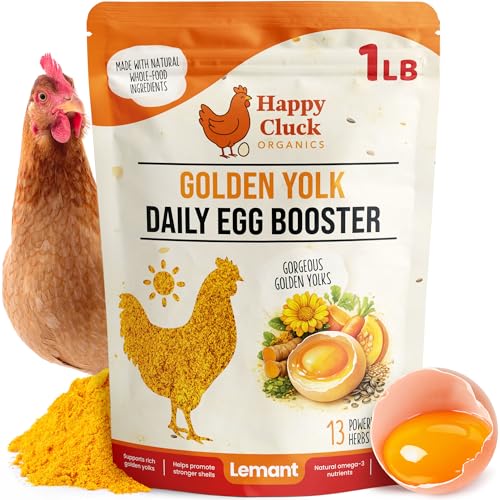
13 WHOLE-FOOD HERBS IN EVERY DAILY SCOOP - This Daily Egg Booster for Chickens packs 13 functional whole-food ingredients into every daily scoop. Each 1 LB pouch blends pumpkin powder, carrot powder, turmeric, milled calendula flowers, stabilized flaxseed, black oil sunflower meal, brewer's yeast, dual-grade calcium carbonate, kelp meal, chili flakes, rosemary extract, and standardized marigold extract into a single premium chicken vitamin and supplement for daily backyard flock nutrition.
Reduces stress due to molting
Preparation and Serving Tips for Your Flock
Once you’ve established appropriate portion sizes and feeding frequency, proper preparation becomes your next priority to maximize nutritional delivery and guarantee food safety for your flock. You’ll want to wash okra thoroughly under running water, then trim the ends to remove tough parts. For okra chopping techniques, cut pieces into small, bite-sized segments that prevent choking hazards. You can serve okra raw to retain maximum vitamin C, or briefly boil it to soften the texture. Cooling cooked okra completely before offering it is crucial, as Silkies are especially sensitive to temperature changes due to their unique feathering characteristics. Additionally, okra is rich in nutritional benefits, providing essential vitamins and minerals that support your chickens’ well-being. Regarding okra serving methods, introduce small amounts mixed into regular feed first, monitoring your chickens for 48 hours. Gradually increase quantities over one week if no adverse reactions occur. Additionally, it’s essential to provide a reliable water supply system to keep your chickens hydrated while they enjoy their fresh treats. Store fresh okra refrigerated in perforated bags for up to five days, or freeze chopped pieces for extended preservation. Raw okra provides high fiber content that supports digestive health and overall flock nutrition.
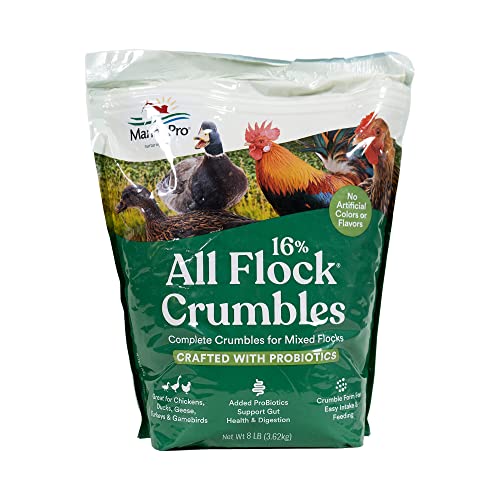
COMPLETE ALL FLOCK FEED FOR MIXED BACKYARD FLOCKS: Versatile poultry feed & all flock feed designed to support chickens, ducks, turkeys, geese, & more; a balanced bird food that simplifies feeding a diverse species in your backyard or homestead
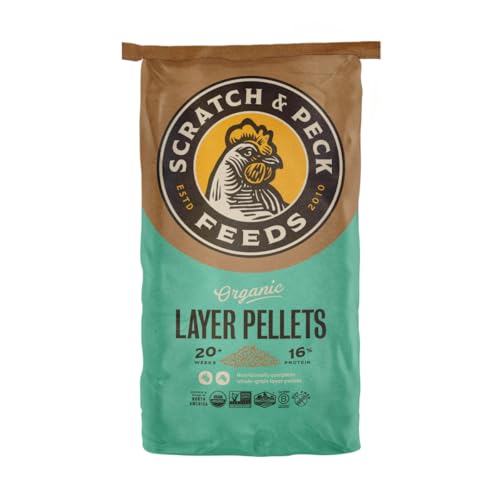
Nourish to Flourish - Our premium pellet feed for laying chickens and ducks is packed with cracked grains and whole food ingredients, free from soy, medications, and fillers. This natural feed supports healthy egg production and flock vitality.

Healthy and Natural Growth – Our nutritionally complete whole grain starter mash with 17% protein promotes strong development and growth in chickens and ducks. Fermentable. Corn-free. Soy-free.
What Backyard Keepers Report About Okra Feeding
Backyard chicken keepers consistently report enthusiastic flock responses to okra supplementation across multiple forums dating back to 2014. Your okra feeding experiences will likely mirror documented observations: rapid consumption when okra enters the coop and vigorous pecking behavior directed at pods and seeds. Chicken preferences strongly favor okra over alternative garden wastes, particularly among young flocks aged 3-6 months. You’ll observe successful consumption of raw okra despite its sticky seed composition, with no reported bill adhesion issues. Keepers note that oversized pods require slicing into half-inch pieces for accessibility, while younger chickens readily devour mature seeds from tougher varieties. Grilled okra preparation offers an alternative method that enhances palatability and may reduce the slimy texture concerns some keepers experience with raw pods. It’s important to remember that while okra can be a healthy addition, it should make up only a small portion of the chickens’ diet, similar to how cooked rice can be safely fed in moderation. Cucumbers, for example, are another low-calorie treat that chickens can enjoy. Consistent reports document moderate okra inclusion producing no adverse health effects, though you should limit feeding frequency to prevent over-reliance on treats rather than balanced nutrition. Additionally, keepers have noted that providing natural thermal mass through certain feeding practices can help maintain warmth for chickens during colder months.