You shouldn’t feed rhubarb leaves to your chickens—they’re moderately toxic due to high oxalic acid concentrations that disrupt calcium metabolism and can cause acute renal failure. The stems, however, pose minimal risk when offered occasionally in moderation. Your flock’s susceptibility depends on body weight, age, and individual variation, with smaller breeds facing greater danger. Clinical signs include diarrhea, tremors, lethargy, and pale combs. Understanding the specific mechanisms behind this toxicity and implementing proper prevention strategies can help protect your birds from accidental exposure.
What Makes Rhubarb Leaves Toxic to Chickens
Because rhubarb leaves contain multiple toxic compounds, they pose a genuine health risk to your flock. The primary culprit is oxalic acid, which binds calcium in your chickens’ bloodstream and forms insoluble calcium oxalate crystals. These crystals accumulate in the kidneys, triggering acute renal failure—the most serious consequence of leaf consumption. This risk increases when chickens consume large quantities of leaves, as the toxic compounds are highly concentrated in this plant part. Additionally, a balanced diet rich in essential nutrients is crucial for improving your chickens’ overall resilience against such toxins. Notably, even small amounts of toxic parts can pose a risk to their health. Regular monitoring and proper nutrition can help ensure chicken well-being amidst dietary risks. Moreover, it’s important to keep in mind that toxic plants can inadvertently contaminate other feed sources.
Beyond oxalic acid, rhubarb leaves contain additional harmful substances including anthraquinone glycosides, tannins (5-10% concentration), aloeemodin, and physcion. This toxic cocktail can damage both kidneys and liver tissue. Toxicity levels vary depending on growth stage, seasonal factors, and environmental conditions like drought. Importantly, the leaves concentrate far higher toxin levels than stems, making leaf consumption particularly dangerous for your birds. Healthy hens may tolerate some toxins better than those with underlying health problems, which means younger or compromised chickens face increased risk from rhubarb leaf ingestion.
Understanding Oxalic Acid and Its Effects on Poultry
Oxalic acid—the primary toxin in rhubarb leaves—operates through a specific biochemical mechanism that disrupts calcium metabolism in your chickens. When you expose birds to dietary intake of oxalic acid, it binds dietary calcium, forming insoluble compounds that precipitate in the kidneys. Your poultry, classified as non-ruminants, demonstrate heightened sensitivity to oxalates compared to ruminants because they lack rumen bacteria capable of degrading oxalic acid. Research shows that oxalic acid supplementation reduces eggshell calcium content considerably and depresses feed intake at elevated concentrations. Safe soluble oxalate levels for your chickens remain below 0.5%, substantially lower than the 2.0% threshold for ruminants, establishing poultry’s vulnerability to oxalate accumulation and subsequent nutritional deficiencies. Studies on oxalic acid toxicity demonstrate that mortality occurs at dietary levels exceeding safe thresholds, indicating that even moderate concentrations can produce severe physiological damage to sensitive species like poultry. Furthermore, ensuring adequate calcium sources in your hens’ diet is essential to counteract the effects of oxalic acid.
Clinical Signs of Rhubarb Poisoning in Backyard Flocks
When your chickens ingest rhubarb leaves, they’ll display clinical signs that reflect the compound’s multisystem toxicity—manifesting across renal, respiratory, gastrointestinal, and neurological systems simultaneously or in succession. You’ll observe gastrointestinal distress first: diarrhea, vomiting, and inappetence within hours. Providing quality species-appropriate feed is essential in maintaining overall flock health and resilience against toxins. It’s important to remember that certain plants can pose hidden dangers to your flock. Respiratory compromise follows, presenting as labored breathing and potential respiratory failure, similar to how onion toxicity affects chickens through harmful compounds. Neurological symptoms emerge as tremors, ataxia, and dilated pupils develop. Your flock’s poultry behaviors shift dramatically—lethargy replaces normal activity, weakness progresses toward paralysis, and affected birds may collapse suddenly. Acute renal failure develops concurrently as oxalate crystals bind calcium, precipitating in kidney tissue. Toxicity may change throughout a plant’s growing cycle, meaning rhubarb leaves harvested at different times of year may pose varying toxin levels to your flock. Purplish discoloration of combs and wattles indicates circulatory deterioration. Monitor for sudden mortality, as severe poisoning cases progress rapidly toward organ failure without intervention.
Rhubarb Leaves Versus Stems: Which Parts Are Dangerous
How do rhubarb leaves and stems differ so dramatically in their toxicological profiles? The answer lies in oxalic acid concentration. Rhubarb leaves contain substantially higher oxalate levels than stems, making toxic plant identification critical for your flock’s safety. You’ll find leaves classified as moderately toxic, capable of causing liver damage and acute renal failure through kidney crystal deposition. Stems, conversely, pose minimal risk despite containing lower oxalic acid concentrations.
Understanding this distinction helps you leverage rhubarb benefits safely. You can offer stems—the commonly consumed vegetable part—without documented poisoning concerns. However, you must strictly prevent leaf ingestion. Your chickens may attempt eating leaves despite toxicity, so vigilant management around rhubarb plants remains essential for protecting your backyard flock from serious harm. Environmental factors affecting oxalic acid levels mean that oxalate concentration can vary significantly between plants grown in different conditions, further emphasizing the importance of cautious management practices.

COMPLETE STARTER FEED FOR CHICKS: Specifically formulated for chicks from hatching to 16 weeks, this non-medicated chick starter feed delivers balanced nutrition and essential nutrients to support strong, healthy early growth and development.
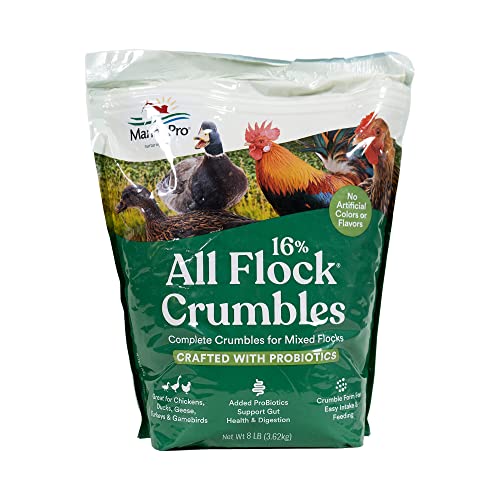
COMPLETE ALL FLOCK FEED FOR MIXED BACKYARD FLOCKS: Versatile poultry feed & all flock feed designed to support chickens, ducks, turkeys, geese, & more; a balanced bird food that simplifies feeding a diverse species in your backyard or homestead

PREMIUM CHICKEN FOOD FOR LAYING HENS WITH OMEGA-3: High-quality chicken layer feed made for strong egg production; fortified with chicken feed omega 3 & extra chicken feed calcium to support healthy shells & provide complete daily nutrition for your hens
Dose, Body Weight, and Individual Chicken Susceptibility
Because toxicity risk scales directly with body weight and ingested quantity, you’ll need to understand the LD50 threshold of 375mg/kg—the dose at which 50% mortality occurs—to assess your flock’s actual danger level. A 2.7kg Australorp requires 200-300g rhubarb leaves to reach this threshold, while a lighter 2kg Leghorn needs only 150-240g. This dose variability highlights breed-specific vulnerabilities; smaller chickens face amplified risks per kilogram of body weight. Younger birds show heightened susceptibility due to lower mass. Additionally, monitoring chicken health can help ensure early detection of any potential issues arising from their environment or diet, including risks associated with being sentinel animals. This makes it crucial to understand that some foods, like sunflower seeds, can be safely consumed in moderation to support overall health. Providing a balanced diet that includes Vitamin B is essential for optimal development and can help mitigate some health issues related to stress or toxic exposure. Beyond LD50, individual variations in toxin sensitivity and plant oxalate concentration create unpredictable outcomes. Since rhubarb leaves contain significantly higher oxalate concentrations (0.59-0.72%) compared to stalks (0.39-0.54%), the plant part consumed determines actual toxin exposure levels. Lethal exposure demands substantial ingestion exceeding typical daily feed volumes, yet monitoring for lethargy, weakness, and incoordination remains essential after any significant exposure. Furthermore, providing nutrient-rich feeds like hemp seeds can bolster your flock’s overall health and resilience against dietary toxins. Additionally, offering homemade chicken treats can help provide a variety of nutrients that support health and well-being in your flock.
Evidence From Veterinary and Toxicology Sources
Multiple veterinary and toxicology sources confirm that rhubarb’s primary toxic threat to your chickens stems from soluble oxalates concentrated in the leaves, which bind calcium and precipitate as insoluble calcium oxalate crystals in the kidneys and urinary tract. The toxicology literature documents acute renal failure in multiple species following oxalate ingestion, with clinical signs—salivation, vomiting, anorexia, lethargy—appearing within hours. Veterinary recommendations from the ASPCA and Merck Veterinary Manual emphasize decontamination and supportive care protocols including IV fluids and renal parameter monitoring. Additionally, providing safe environments for chickens can mitigate risks associated with various hazards, including access to toxic garden plants. Poultry-focused toxicology resources explicitly classify rhubarb leaves as hazardous to chickens. However, poison-control databases lack chicken-specific dose thresholds, requiring case-by-case veterinary assessment and individualized treatment decisions for suspected exposures. Long-term exposure risks from rhubarb ingestion can compound the damage to kidney function over time, similar to the chronic effects documented with other toxic garden plants. Given their omnivorous nature, chickens may be tempted to consume unsafe plant matter, which can increase the likelihood of ingesting toxic substances like rhubarb leaves.
Anecdotal Reports From Chicken Keepers: What We Know
While scientific literature establishes rhubarb leaves as a documented toxin in poultry, anecdotal reports from chicken keepers reveal a pattern of apparent resilience that complicates risk assessment. Your keeper observations document multiple instances where chickens consumed rhubarb leaves without visible illness—three hens stripped entire plants within minutes, and others nibbled vegetation during garden access without reported adverse effects. However, these anecdotal experiences shouldn’t override documented oxalic acid toxicity. The absence of observed symptoms doesn’t confirm safety; you’re likely witnessing subclinical effects or individual variation in susceptibility. Near-miss incidents highlight how easily accidental ingestion occurs in mixed environments. While keepers report resilience, the Barred Rock roosters’ consensus recommendation remains vigilance—avoid deliberate rhubarb leaf feeding despite anecdotal survivorship. Certain garden plants can also pose risks, so be cautious about what you allow your chickens to forage. It’s essential to limit kitchen scraps to safe options like vegetables and fruits to ensure proper nutrition for your flock.
Risk Factors That Increase Vulnerability in Your Flock
Not all flocks face equal risk from rhubarb exposure—vulnerability depends on intersecting environmental, individual, and physiological factors that you’ll need to assess for your specific setup. Your birds’ age, body mass, and breed considerably influence toxin susceptibility; chicks and lightweight breeds develop clinical signs at lower intake levels than heavy breeds. Free-range systems amplify environmental hazards by increasing foraging behavior near garden areas where rhubarb plants concentrate oxalates and anthraquinones. Chickens are omnivores and may inadvertently consume harmful plants while foraging. Furthermore, during a molting period, chickens require heightened nutrition to support feather regrowth and could be more susceptible to toxins like those found in rhubarb. Proper feeding methods can also impact their overall health, making it essential to provide a nutritious diet. Post-hatch care is crucial since young chicks particularly need companion chicks to stimulate social behaviors, which can also aid in healthy development. Pre-existing health conditions—hepatic, renal, or gastrointestinal disease—severely compromise your flock’s detoxification capacity. Nutritional deficiencies, particularly low dietary calcium and magnesium, exacerbate oxalate absorption. Additionally, concurrent medications or toxin exposures produce additive nephrotoxic and hepatotoxic effects, greatly elevating poisoning risk in vulnerable individuals. Rhubarb leaves contain particularly high concentrations of oxalic acid, which accumulates in tissues and poses greater danger than the stalks alone. In cases of compromised health, the body’s ability to detoxify toxins is significantly impaired, further complicating exposure scenarios.
Practical Prevention Strategies for Your Backyard
Because preventing rhubarb toxicity in your flock requires multiple intervention points, you’ll want to implement layered physical barriers that restrict access while maintaining your birds’ welfare. Your fencing strategies should include hardware cloth barriers at least 4 feet high with buried bases to prevent both climbing and digging. Elevate rhubarb beds on raised platforms that exceed chicken reach, or relocate plants to completely enclosed structures like greenhouses. Supplement chicken barriers with natural deterrents—scatter citrus peels or apply cayenne pepper dust to discourage pecking. Motion-activated sprinklers startle birds from vulnerable zones effectively. Designate chicken-free garden sections using solid wooden panels, separating toxic plants entirely from free-range areas. While many hens instinctively avoid consuming toxic plant material, monitoring remains essential during free-ranging periods. Combine these approaches systematically for thorough protection.
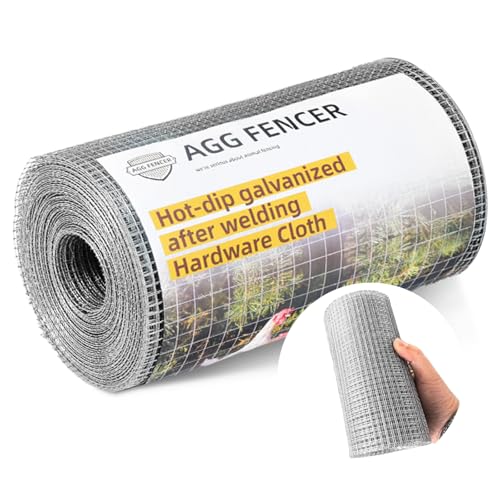
Product details: The length of this hardware cloth is 8 inches/ 20.32cm, the width is 25ft/ 7.62m, and the hole size is 1/4 x 1/4inch. It is very suitable for repairing damaged chicken coops, gaps under houses and other small-sized damaged holes
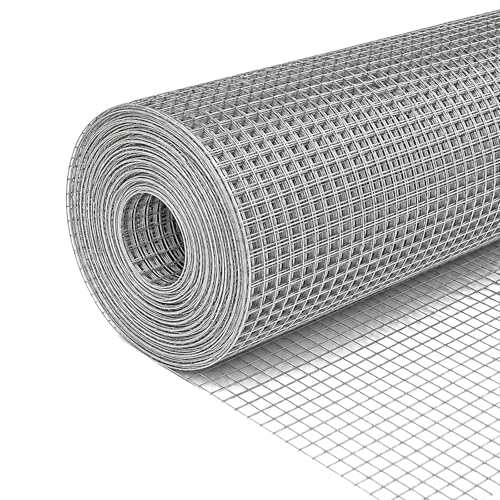
Hardware Cloth 1/2inch for Chicken Coop – 16 inch x 50 ft welded wire mesh made from 23-gauge galvanized steel hardware cloth. Provides reliable strength and flexibility for chicken wire fencing, garden protection, and general outdoor use

[Heavy Duty Material]: Gbekery Hardware cloth is crafted from high-quality, robust materials. And The size of the chicken wire is 16 inch×50 ft and 1/2 inch×1/2 inch thickness.
When to Seek Veterinary Help and Emergency Response
Even with robust prevention measures in place, rhubarb ingestion can still occur, and you’ll need to recognize when your chicken requires immediate veterinary intervention. Contact your veterinarian immediately if you observe diarrhea, vomiting, lethargy, or loss of appetite—these symptoms indicate gastrointestinal distress from oxalate toxicity.
Severe neurological signs demand emergency protocols. Seizures, tremors, incoordination, dilated pupils, or respiratory distress require urgent veterinary consultation. These manifestations signal advanced poisoning affecting multiple organ systems.
Monitor for renal failure indicators: increased urination paired with excessive thirst, pale combs and wattles suggesting anemia, or jaundice indicating liver involvement. Isolate the affected bird immediately and remove toxin sources. Blood tests are necessary to detect oxalic acid and other toxic residues in poultry that may not present visible symptoms.
Observe your chicken for 24-36 hours post-exposure. Young birds face elevated mortality risk during this critical window. Even asymptomatic chickens may sustain internal organ damage warranting blood tests for confirmation.
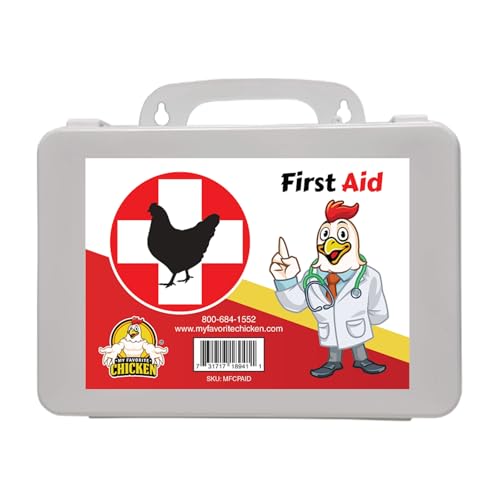
Elevate flock safety with a complete first aid kit designed specifically for backyard poultry owners, combining 15 expert-recommended tools and medical solutions in one chic, waterproof hanging case that keeps supplies organized, dry, and ready for fast action.

🐾Premium Pet First Aid Care: Elevate your pet care with our 95-piece Everlit Care Pet Medic First Aid Kit. Each item is intricately selected and vet-approved, ensuring your furry friends receive top-tier, professional-grade medical treatment. Delve into a tapestry of high-quality supplies that transcend basic pet care needs for optimal pet health and safety.

30 Pieces in carrying case - Everything you need to practice techniques and dissecting skills.