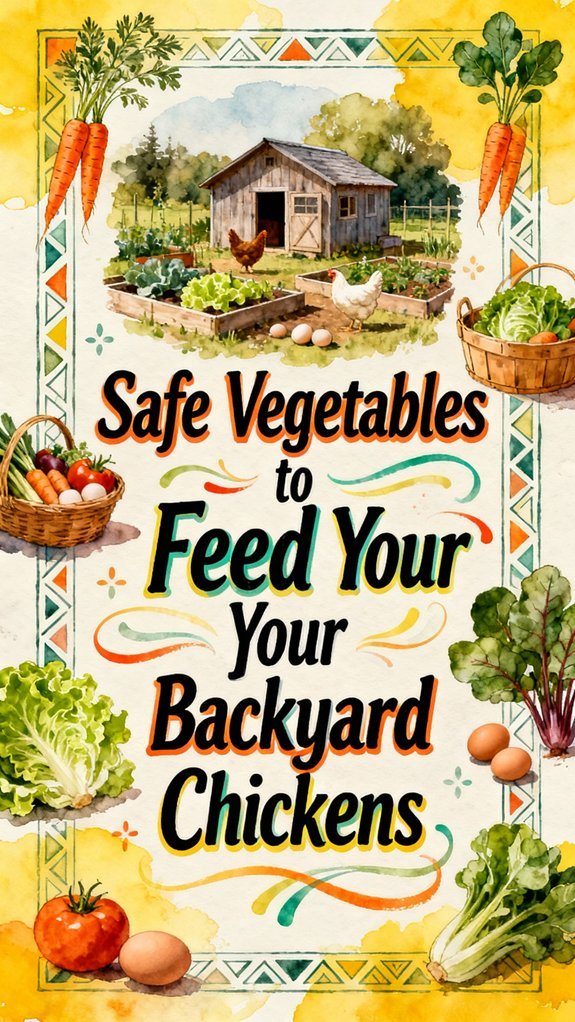
You can safely feed your backyard chickens leafy greens like kale and Swiss chard, cruciferous vegetables like broccoli, and root vegetables including carrots and beets. Squashes and pumpkins provide concentrated micronutrients for egg quality. You’ll want to avoid nightshades like raw potatoes and green onions due to alkaloid toxins. Rinse all vegetables, remove moldy portions, and chop them into bite-sized pieces. Limit vegetables to treats rather than complete feed replacements. Understanding preparation methods and monitoring your flock’s reactions will help you optimize their nutrition safely.
Leafy Greens for Optimal Health
When you’re raising laying hens, leafy greens aren’t just treats—they’re nutritional powerhouses that directly impact your flock’s health and egg quality. Dark varieties like kale, dandelion leaves, and Swiss chard deliver vitamins A, C, and K alongside essential minerals that enhance nutrient absorption and support eggshell formation. You’ll notice darker, richer yolks when your hens access these greens regularly. Furthermore, breeds like the Rhode Island Red are known for their hardy nature, which can be bolstered by a diet enriched with nutrients from greens. Rotating leafy variety prevents oxalate buildup—a concern with spinach—while maintaining mineral availability. Limit greens to 10% of total diet to avoid nutrient dilution from complete feed sources. Introduce new varieties gradually and monitor acceptance. Fresh, chopped greens encourage natural foraging behavior, reducing boredom while boosting immune function and heat stress relief through their high water content. Additionally, many chickens enjoy a variety of other safe vegetables, like parsnip roots, which can offer nutritional benefits when fed appropriately. Regular access to foraging greens also lowers instances of aggressive behavior and feather pecking through environmental enrichment and increased physical activity. Furthermore, incorporating proper nutrition from diverse plant sources can enhance overall flock health and egg production.

Selected and stored fresh

Brought to you by Whole Foods Market

Brought to you by Whole Foods Market
Cruciferous Vegetables as Nutritious Treats
While leafy greens form the foundation of your chicken’s vegetable intake, cruciferous vegetables deserve equal consideration for their distinctive nutritional profile and health-promoting compounds. These vegetables—broccoli, cauliflower, Brussels sprouts, and kale—contain glucosinolates that convert to isothiocyanates during digestion, offering immune-boosting and parasite-repelling properties. You’ll find they’re packed with vitamins C, K, and folate alongside fiber that supports digestive health. Chickens can also enjoy cabbage, which provides additional nutrients and serves as a fun snack. Additionally, incorporating collard greens into their diet can enhance their overall health due to the vitamins and fiber they provide.
The health benefits extend beyond basic nutrition. Glucosinolates show links to reduced cancer risks in studies, while vitamin K content supports bone health and blood clotting. Fiber stabilizes blood sugar and lowers cholesterol levels. Some chickens may experience gas or bloating when consuming large amounts of these vegetables.
For ideal results, employ proper cooking methods. You should steam or roast these vegetables to preserve their nutrient density. Offer them cooked to reduce digestive discomfort, incorporating them as treats alongside your flock’s main feed.
Root Vegetables and Tubers
Root vegetables and tubers offer your flock essential micronutrients and fiber that complement their primary layer feed, though you’ll need to balance their carbohydrate content with adequate protein intake. Carrots provide beta-carotene for deeper-colored yolks, while beets deliver antioxidants and vitamin C, making them a nutritious addition to a chicken’s diet. Additionally, these nutrient-rich options can support optimal egg output, which is crucial for maintaining consistent egg production. You can serve radishes and turnips raw or cooked; their greens supply calcium and additional micronutrients. Sweet potatoes offer complex carbohydrates and vitamin A precursors safely in both raw and cooked forms. Garlic in small amounts can be beneficial for immune health and help repel parasites like ticks and mites from your flock. Furthermore, you might consider adding water-rich foods such as cucumbers to your chickens’ diet, as these can help keep them hydrated.
Apply these tuber feeding guidelines: chop or grate root vegetables to improve accessibility and reduce choking risk. Introduce strong-flavored varieties gradually to assess acceptance. Avoid potatoes entirely—their solanine content poses toxicity risks. Discard any moldy or spoiled sections. Treat root vegetables as supplements rather than primary nutrition sources to maintain balanced egg production and flock health.

Watch Your Birds Flourish: Our nutritionally complete whole grain grower crumbles with 17% protein promotes strong development and growth in chickens and ducks. Corn-free. Soy-free

【High-Efficiency Chopper】 This feed processing chopper features a powerful 1800w motor with a rotational speed of up to 2800 rpm. With a processing capacity of 300–500 kg per hour, it rapidly chops fresh vegetables and forage into uniform pieces, significantly reducing feed preparation time on the farm

REAL VEGGIES FOR HEALTH: Crafted with real pieces of beets, peas, sweet potatoes, and broccoli, this treat provides wholesome nutrition and natural flavors that your flock will enjoy while supporting their overall health and vitality.
Squashes, Gourds, and Pumpkins
Beyond root vegetables, squashes, gourds, and pumpkins supply your flock with concentrated micronutrients and bioactive compounds that support egg quality and immune function. These vegetables deliver vitamins A, B, C, and E alongside essential minerals like calcium, iron, and magnesium. Additionally, fresh pumpkin is a beneficial and nutritious treat that chickens can safely enjoy.
You’ll optimize health benefits through versatile feeding techniques. Serve pumpkins raw, cooked, halved, or chopped—your chickens naturally grind whole seeds using gizzard grit. Freeze cut pieces for year-round treats. The seeds contain cucurbitacin, a compound that paralyzes parasites, though research in chickens remains limited. Free-choice feeding of pumpkin or squash seeds during spring and fall supports periodic deworming of your flock.
Incorporate these as treats rather than dietary staples. Provide insoluble grit to facilitate seed digestion. Avoid decorative or moldy specimens. Beyond nutrition, you’ll reduce boredom and behavioral issues while supporting overall flock health.

✔️MADE WITH SIMPLE CHICKEN FEED INGREDIENTS: ground pumpkin seed, oregano, and other herbs. Easy to add to mix with chicken feed, scratch grains, rooster feed, grit, and other treats.

PREMIUM SNACK: Crafted to provide your flock with both nutrition and flavor excellence. Made with the finest ingredients and packed with wholesome goodness, this blend will have your chickens eagerly clucking for more.

COMPLETE STARTER FEED FOR CHICKS: Specifically formulated for chicks from hatching to 16 weeks, this non-medicated chick starter feed delivers balanced nutrition and essential nutrients to support strong, healthy early growth and development.
Nightshades and Restricted Vegetables
Unlike the nutritious squashes and root vegetables that safely supplement your flock’s diet, nightshade plants (Solanaceae family) contain alkaloid toxins—including solanine and tropane alkaloids—that damage your chickens’ nervous and gastrointestinal systems. You must avoid feeding raw potatoes, green potatoes, potato sprouts, and potato peels, which concentrate glycoalkaloids. Tomato stems, leaves, and unripe fruit are toxic; only ripe fruit in moderation is safe for consumption. Additionally, feeding chickens green onions can lead to health issues, including digestive upset and lethargy. Avoiding toxic foods is crucial for maintaining a healthy flock, but don’t let that distract you from ensuring their health with the right diet. Green tomatoes, eggplants, and pepper plants pose significant nightshade toxicity risks, leading to clinical signs such as diarrhea, incoordination, weakness, dilated pupils, and respiratory distress. Long-term exposure to these harmful foods can lead to anemia over time, making consistent dietary vigilance essential for flock health. To further ensure your chickens’ safety, avoid toxic parts of plants like avocado, as these can cause serious health issues. For safe feeding practices, remove all plant vegetative tissue, discard green or spoiled portions, and secure compost piles from bird access. Prevention through plant restriction remains your most effective strategy.
Preparation Methods for Maximum Safety
Now that you’ve identified which vegetables are safe for your flock, proper preparation becomes your next line of defense against foodborne pathogens, toxins, and physical hazards. Your cleaning techniques should include rinsing all vegetables under running water and scrubbing root vegetables with a brush to eliminate soil and parasite eggs. Remove moldy portions entirely, as mycotoxins can harm birds. Additionally, ensure that your hens are healthy and well-fed, as proper nutrition plays a crucial role in their overall health and egg production. Not only does including quality feed such as USA-made mealworms benefit their diet, but it also contributes to stronger immune systems and better egg quality. Chickens should be kept in a predator-proof environment to reduce stress, which can impact their appetite. Incorporating spicy foods can safely add some variety to their diet, as chickens are not affected by capsaicin. When considering vegetables like turnips, remember that both raw and cooked turnips are safe options, though cooking them can make them more appealing. Follow preparation guidelines by chopping fibrous vegetables into bite-sized pieces and grating hard roots to improve digestibility. Steam dense vegetables like sweet potatoes to soften fibers and increase nutrient availability. Never add seasonings, salt, or oil. Cool cooked items before serving. Introduce new vegetables gradually to allow your chickens’ digestive systems to adjust and prevent digestive upset. Limit vegetables to 10–20% of daily intake, rotate varieties, and monitor your flock’s body condition and egg production for dietary adjustments.
Balancing Vegetables With Complete Feed
While vegetables offer valuable nutritional supplements, they shouldn’t replace your flock’s complete feed, which provides the 18–20% protein and balanced micronutrients that birds need for peak health and egg production. You’ll achieve ideal nutrient balance by maintaining vegetable ratios as treats rather than dietary staples. Limit kitchen scraps and garden produce to supplementary feeding away from the coop, preventing over-reliance on treats that disrupt complete feed consumption. For best results, give complete feed in the morning before allowing your chickens to free-range and forage for vegetables.
Dark leafy greens like kale and spinach deliver concentrated vitamins A, C, and K without excessive carbohydrates. You can offer these more frequently than sugar-rich fruits. Prioritize complete feed as your foundation, using vegetables strategically to enhance nutrition while preserving the precise nutrient profile your chickens require for sustained productivity.

MEDICATED CHICK STARTER FEED: This complete chicken feed is made with added Amprolium to aid in the prevention of coccidiosis, and contains 18% protein for weight gain, our chicken food is essential for your young birds.
Prebiotics and Probiotics - Supports immune and digestive health
Monitoring Your Flock for Adverse Reactions
Because chickens can’t communicate discomfort verbally, you’ll need to actively observe physical and behavioral changes following vegetable introduction to distinguish between harmless preferences and genuine health concerns. Watch for early warning signs within 12–48 hours: reduced feed intake, soft droppings, respiratory changes like coughing, or skin redness. Additionally, consider keeping an eye out for signs of feed efficiency which can be affected by the introduction of new vegetables. It’s essential to remember that peach pits are toxic to chickens and should never be fed, regardless of their nutritional benefits. Document reaction signs systematically by maintaining a daily flock health log that records vegetable type, quantity offered, and abnormal observations. Including treats like fresh pineapple can also enhance your chickens’ diets, but moderation is key. It’s important to note that introducing new food items can potentially affect flock dynamics, leading to increased pecking or aggression among birds. Also, be cautious with certain foods like spoiled or moldy feed, as they can lead to health issues such as sour crop.
Implement gradual introduction schedules with small amounts over several days to detect sensitivity thresholds. Use individual or small-group trials when introducing novel vegetables to limit exposure if adverse reactions occur. Similar to how allergies involve symptoms like swelling and rashes in humans, chickens may display visible physical manifestations when experiencing adverse reactions to new foods. Monitor both immediate reactions (30–120 minutes) and delayed responses up to 48 hours post-exposure, since non-IgE-mediated responses present later.