You’ll first isolate your injured chicken and thoroughly clean the wound with saline or dilute Betadine, controlling bleeding with styptic powder. Shake the Blue-Kote container vigorously, then spray 4–8 inches from the lesion with light, controlled coverage. Apply morning and night, ensuring you’ve dried the area completely before each application. Wear gloves to avoid gentian violet staining. Monitor wound healing twice daily for the initial 48–72 hours, watching for infection signs. Store the flammable spray away from heat sources. Understanding the specifics of post-application flock management yields ideal recovery outcomes.
Understanding Blue-Kote and Its Benefits
Blue-Kote is a topical antiseptic spray formulated with gentian violet, a semi-permanent violet dye that delivers antifungal and antibacterial activity against common superficial pathogens, combined with isopropyl alcohol or ethanol as a solvent that provides rapid surface antisepsis through protein denaturation. This dual-component formulation creates sustained antimicrobial action: gentian violet maintains localized antimicrobial effects while alcohol reduces surface microbial load immediately. You’ll benefit from Blue-Kote’s physical barrier effect, which forms a drying, penetrating coating that reduces moisture and diminishes pus formation. The product also masks blood and damaged tissue appearance, effectively deterring cannibalism and pecking behavior among flockmates while repelling flies. The proven safety record of Blue-Kote, established over 65 years on the market, demonstrates its reliability as a trusted treatment for various types of poultry and livestock. You can apply it conveniently via spray without restrictive dressings that limit bird mobility.

Formulated for surface wounds, minor cuts and skin abrasions

EFFECTIVE AGAINST BACTERIAL INFECTIONS Most Common in Skin Lesions of Horses, Cattle and Dogs

SAFE COMPOUND: Spray with no antibiotics for chickens features a safe & natural formula for pets, combining Colloidal ‘Nano’ Silver (50 PPM) with Deionized water – free of artificial additives.
Preparing Your Chicken and the Affected Area
Before you apply any topical treatment, you’ll need to properly prepare your chicken and the affected area to maximize therapeutic efficacy and minimize infection risk. Isolate the injured bird in a quiet, safe environment to reduce stress and prevent further pecking injuries. Use blunt-tipped scissors to carefully trim feathers surrounding the wound, then remove debris and loose feathers with gentle flushing using a 12cc syringe and warm saline solution or dilute Betadine. Apply styptic powder to control bleeding from minor wounds. Once hemorrhage ceases, cleanse the area thoroughly 2-3 times daily with chlorohexidine 2% or hydrogen peroxide for minor cuts. Additionally, ensuring that antibiotics such as water-soluble antibiotics are not improperly used on your flock promotes responsible care. Guarantee complete dryness post-cleaning. Having a proper first aid kit assembled in advance with essential supplies ensures you can respond swiftly to injuries when they occur. This systematic preparation eliminates contaminants and establishes ideal conditions for Blue-Kote application, enhancing antimicrobial efficacy and promoting expedited healing.
Applying the Antiseptic Spray Correctly
Once you’ve prepared the wound site, you’ll want to shake the container thoroughly to guarantee even product dispersion before beginning application. Hold the aerosol can upright and position the nozzle opening 4-8 inches from the lesion, applying light coverage only to the affected area. For technique tips requiring precision, utilize the dauber applicator bottle on targeted spots instead of broad spraying.
Apply minimal product since the formulation penetrates deeply into tissue. Additionally, consider treatment consistency as it is crucial for ensuring effective healing and preventing further complications. Allow the blue dye to spread slightly across the wound for complete coverage confirmation. If blood becomes visible during treatment, reapply immediately to maintain protective barrier integrity. However, this product is not intended for cats and should only be used on species specified by the manufacturer. Consider nighttime application on roosting chickens to minimize movement and stress during the healing process.

SOOTHING RELIEF: This chicken wound spray is suitable for birds and chickens with various skin issues, aiding in chicken wound care by helping to heal irritations and prevent infections. Safe for birds to peck and lick during and after application, this silver spray for wounds can be applied to all skin and feather areas, including the head, beak, feet, and wings. Thoroughly saturate the affected area using the spray or stream option, which allows for application from up to 6 feet away.

NATURAL AND NON-TOXIC FORMULA: Made from natural essential oils, Premo Poultry Spray is a safe alternative to harsh chemicals like permethrin and mite dusts. Veterinarian and farm approved. Apply directly on all poultry. Treat your entire flock, pens, roosts, coops, nest boxes, and yards. Enjoy peace of mind knowing that your chickens and other poultry is protected naturally and safely
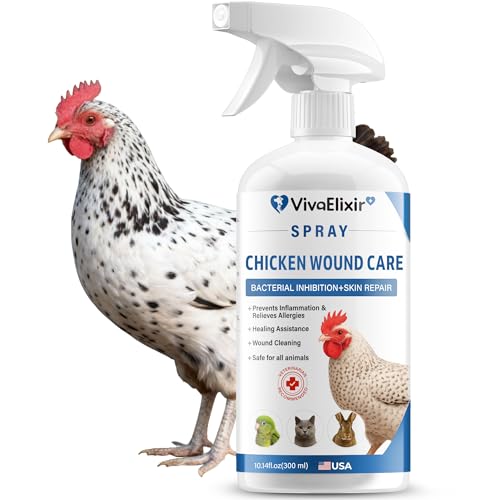
Healing Aid and Skin Repair Hypochlorous Promotes rapid healing of wounds, cuts, pecks, and skin irritations. Helps reduce redness and swelling, promoting natural healing in poultry and birds.
Establishing a Treatment Schedule
To maximize healing and prevent secondary complications like pecking-related wound reopening, you’ll need to establish a consistent treatment regimen based on wound severity. Dr. Naylor recommends applying Blu-Kote morning and night or as required until healing occurs. Your treatment frequency depends on injury severity; minor wounds may heal after a single application with monitoring, while significant wounds demand twice-daily dosing. Chickens have limited flight capabilities, usually able to only fly short distances of 8 to 10 feet, which may help them evade some minor threats when healing.
Critical reapplication tips include cleaning and drying the wound thoroughly before each application. Chickens can safely consume spicy foods and thus may benefit from the additional nutrients in diets that include hot peppers. Spray from 4-8 inches distance using light application technique. Reapply immediately if blood becomes visible or the wound reopens. The purple dye helps visualize complete coverage of the treated area. The first few days prove most critical for preventing cannibalistic behavior, particularly in environments where secure coops are necessary to protect against stressors. Additionally, ensure your chickens are receiving a balanced diet including nutrient-rich foods, as this can support overall healing. Discontinue treatment if redness, irritation, or swelling persists or increases, and consult your veterinarian for deep or puncture wounds.

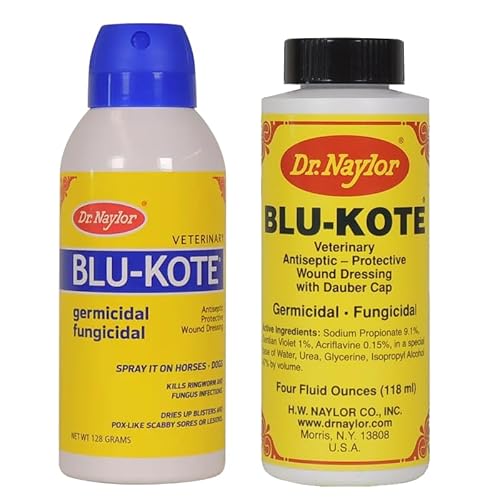
TRADITIONAL ANIMAL WOUND DRESSING - Blu-Kote is an animal first aid neccesity and has been used by generations of animal owners as a fast acting and effective animal wound dressing. The time tested product helps wounds close quickly and heal properly.

The Products And Techniques Are Natural And Complementary To Veterinary Medicine
Monitoring Your Chicken’s Progress
After you’ve established your treatment regimen, vigilant observation becomes your primary tool for detecting healing progress or identifying complications that require veterinary intervention. Implement twice-daily inspections during the initial 48–72 hours post-treatment, then shift to once-daily checks if the wound remains stable. Your progress tracking should include objective measurements: document wound dimensions, photograph the site using consistent lighting and angles, and assess epithelialization percentage. Monitor clinical signs including activity level, appetite, respiratory status, and behavioral changes. Evaluate the surrounding tissue for heat, swelling, or discharge indicating infection. Additionally, be aware that changes in behavior can occur due to stress from discomfort or irritation, which is similar to symptoms seen in mite infestations. Regular nesting materials such as pine shavings in the coop can also promote overall hen comfort, aiding in their recovery. Increase observation frequency to every 4–6 hours if you detect spreading redness, foul odor, or systemic illness signs. Continue daily assessments for 7–14 days minimum until complete epithelialization occurs. Regular behavioral observations aid in identifying changes in normal flock behavior that may indicate complications from the injury or treatment response.
Safety Guidelines and Precautions
While Blue-Kote can effectively promote healing in minor chicken wounds, you’ll need to follow strict safety protocols to prevent adverse effects. Your application precautions include cleaning and drying the affected area thoroughly before spraying from 4-8 inches distance with light, controlled application. Shake the can well and hold it upright during use. Chickens can be susceptible to external parasites such as lice, which is important to monitor alongside any injuries. Regular monitoring for other health issues, such as respiratory infections, can also help ensure the overall well-being of your flock, especially when considering chickens’ diets that include nutritious treats like mulberries. It’s also vital to be aware that certain bedding materials, like pine shavings, can contribute to respiratory issues in chickens.
Animal-specific restrictions require you to monitor your flock closely after application, as pecking behavior may intensify. You’ll want to prevent other birds from accessing treated areas. Wear gloves during application to avoid staining and skin contact with gentian violet dye, which carries documented cancer risk concerns. Blue-Kote contains chemicals known to California to cause cancer and reproductive harm, so protective equipment is essential during handling.
Store Blue-Kote away from heat sources and open flames, as the contents remain extremely flammable under pressure. Never puncture or incinerate the aerosol container.