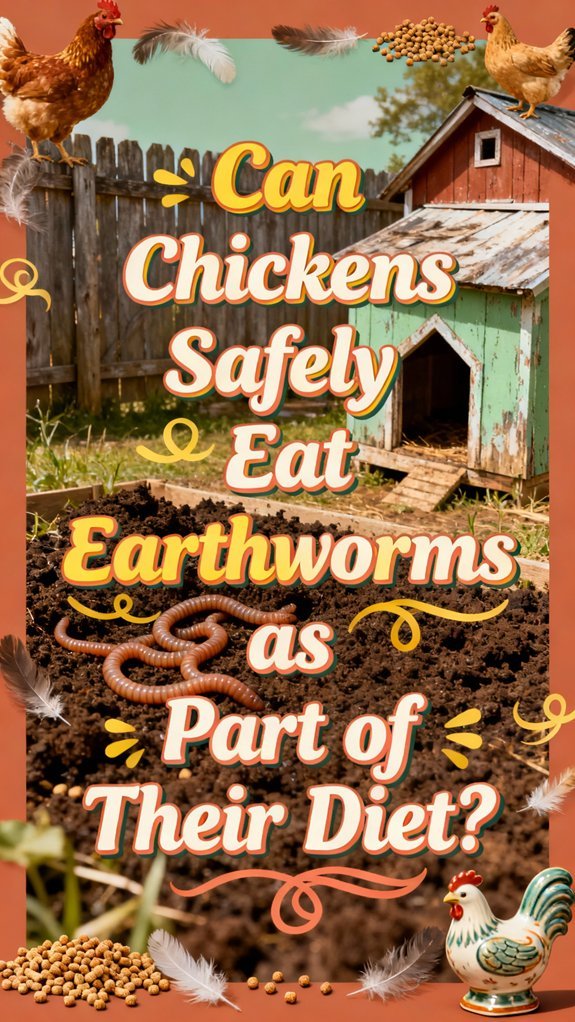
You can safely feed your chickens earthworms as a nutritional supplement containing 60-70% protein on a dry matter basis, comparable to fish meal. They’re rich in lysine, methionine, calcium, phosphorus, and B vitamins that support muscle development and feather regeneration. Mature chickens can consume 75-100 worms daily. However, you’ll want to source them from uncontaminated origins, implement proper feeding methods, and establish deworming schedules to mitigate parasite risks and heavy metal bioaccumulation concerns that deserve closer examination.
Nutritional Benefits of Earthworms for Chickens
Earthworms pack a nutritional punch that’ll transform your flock’s health, boasting 60-70% protein on a dry matter basis—a level comparable to fish meal in commercial poultry feeds. You’ll notice improved muscle development, feather regeneration during molting, and elevated serum protein levels in your laying hens.
Your chickens’ll benefit from superior protein profiles featuring higher lysine and methionine content than traditional meat or fish meal sources. These essential amino acids support growth, enzyme production, and hormone synthesis. The nutritional synergy deepens with 2-3% minerals, including calcium and phosphorus for bone strength and eggshell formation. Farming practices often include earthworms to ensure optimal nutrition for poultry operations. Additionally, including dried mealworms in their diet can enhance overall health and immune function.
You’re also providing crucial vitamins like niacin and B12 for nerve function. Long-chain fatty acids and fiber content support digestion while decreasing triglycerides and cholesterol levels, ultimately enhancing egg production consistency and shell thickness throughout your flock.

Premium Quality Chicken Treats: Specially formulated, high-quality chicken snacks for laying hens, ensuring only the best for your pet chickens
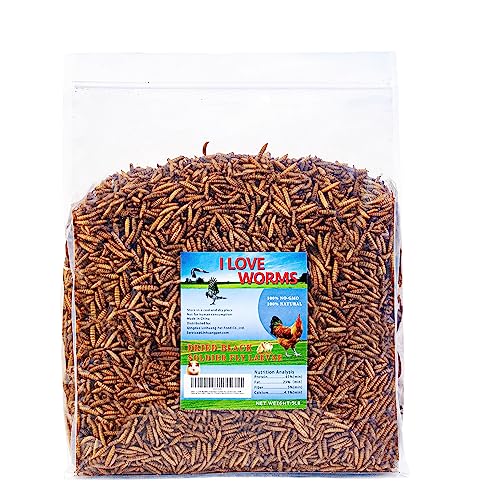
Black Soldier Fly Larvae is rich in calcium, it’s contain at least 85x more calcium than dried mealworms and with over 41% protein, this high protein treats allows your chickens to eat healthier, lay bigger eggs and produce more, the best chicken treats for laying hens

Mealworms are more favorable to insect-eater like bluebirds, robin, titmice, and chickadees.Seed-eater like american goldfinch,finches & sparrows,mourning dove will visit mealworms occasionally,so does oriole and seed&insect-eater like cardinal and blue jay.Hummingbirds don't eat mealworms.
How Many Worms Should Chickens Eat Daily
Your mature flock will consume 75–100 earthworms per day, translating to roughly 1,050–1,400 worms over a two-week period per bird. This worm consumption rate aligns with your chickens’ natural foraging behavior and nutritional requirements. Additionally, providing grit for digestion is essential as chickens rely on it to effectively break down their food, making it vital to their overall health and digestion. You’ll find that one earthworm supplies 7 grams of protein, effectively supplementing your birds’ wheat-based diet to meet the 17% protein requirement for layers. Your daily intake strategy should integrate worms as a moderate supplement rather than a primary feed source.
You’re balancing nutrition by combining approximately ½ cup of standard feed—providing 15% baseline protein—with earthworm supplementation. This approach guarantees you’re delivering complete nutrition while preventing dietary imbalances. Furthermore, ensuring your flock has access to the appropriate type of grit appropriate to their age is crucial for preventing digestive problems. You’ll maintain peak health by keeping worm consumption consistent yet moderate within your birds’ overall balanced diet. Red wigglers and European Nightcrawlers are nutrient-dense options that provide the most calories, proteins, fats, and minerals for your flock.

Live, healthy red wiggler earthworms

Red Wigglers Live Worms - Direct from the Source! Family Owned and Operated Local Worm Farm Since 2018!

Quality Worms! - 250+ (1/4lb) Red Wigglers Live Worms - Professionally Processed indoors! - Cleaned, health verified, moisture, worm bedding, proper weight, worms for composting and worms for garden!
Safe Feeding Methods and Best Practices
Now that you’ve established the appropriate daily worm intake for your flock—75–100 earthworms per bird—managing how you deliver these worms becomes equally important for maintaining flock health and preventing nutritional imbalances.
Distribute worms over litter or in shallow feeders to enable proper portioning and prevent rapid gorging. This approach guarantees weaker birds access adequate nutrition without dominant birds monopolizing the supply. Offering earthworms as supplemental treats within a dedicated feeding station maintains consistency with safe daily allowances. Red wrigglers, the suitable earthworm species, thrive in vermicomposting systems and provide optimal nutritional value for poultry when harvested from well-managed bins. Incorporating this feeding strategy can complement their overall diet, which should include commercial feeds specifically formulated for their life stages and provide quality nutrition to support egg production. Additionally, feeding chickens with food-grade diatomaceous earth may further enhance their overall health by assisting in digestion and parasite control. Furthermore, providing homemade chicken treats can help ensure they receive a range of essential nutrients while keeping them entertained.
For safe delivery, implementing quarantine and rinsing protocols when substrate history remains uncertain is crucial for minimizing pathogen transfer risks. This processing step considerably reduces pathogen and contaminant transfer risks. Never offer worms as your flock’s primary diet; reserve them exclusively as supplements to formulated layer or grower rations. Monitor consumption patterns to confirm each bird receives appropriate portions aligned with their individual nutritional requirements.

The Best Worms for Composting: Our Red Wiggler worms are harvested from worm beds that are decades old and may contain different earthworm species. Diversity is superior because they work all layers of the compost, not just the top few inches, giving you a better compost in a shorter amount of time

The Best Worms for Composting: Our Red Wiggler worms are harvested from worm beds that are decades old and may contain different earthworm species. Diversity is superior because they work all layers of the compost, not just the top few inches, giving you a better compost in a shorter amount of time

Growing Your Own Earthworm Supply at Home
Cultivating a home vermicomposting system gives you direct control over worm quality, quantity, and health while reducing dependency on external suppliers. You’ll establish ideal conditions by selecting red wigglers, stocking 100-500 worms per square foot, and maintaining proper bedding—a mix of shredded cardboard and two-thirds topsoil with one-third organic matter. Your worm farming success depends on consistent feeding every 3-5 days using vegetable scraps, coffee grounds, and untreated materials while avoiding citrus and meats. Chickens naturally hunt and eat variety of bugs including worms, making this an excellent supplement to their diet.
Maintain a dark, moist environment with adequate drainage and weekly bedding aeration. The compost benefits accumulate as worms convert kitchen waste into nutrient-rich castings, creating sustainable feed for your chickens while simultaneously producing high-quality soil amendment for your garden. Red wigglers thrive in 55°F to 77°F temperatures, so monitor your bin conditions to ensure optimal breeding and productivity.
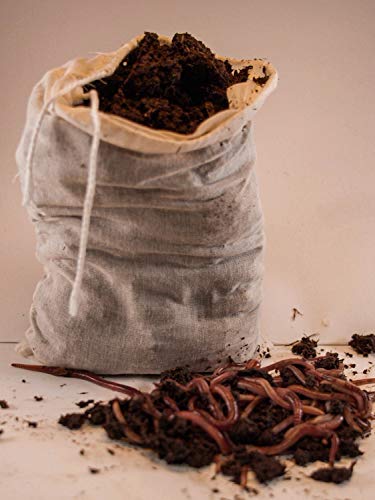
Red Wiggler Live Premium Pure Red Wigglers (50 Count)
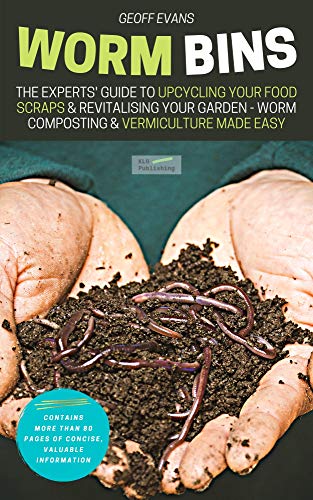

Complete Starter Kit – Just Add Worms We provide everything you need to succeed: a 2.5-gallon bin, a coco coir bedding brick, a perlite drainage bag, and a spigot for brewing tea. Includes two full-color setup and feeding guides to ensure your "worm residents" stay happy and healthy from day one.
Cost Considerations and Economic Feasibility
While vermicomposting systems offer nutritional benefits for your chickens, you’ll want to understand the economic dynamics that make home earthworm production viable. Production costs remain manageable at residential scales since you’re leveraging kitchen scraps as substrate, eliminating feed expenses. Your primary investment involves initial bin setup and minimal labor separating earthworms from vermicompost. Additionally, chickens with strong maternal instincts like Silkies may benefit from the added protein in earthworms during their broody periods.
The economic feasibility strengthens when you recognize multiple revenue streams: you’ll harvest earthworm meal for supplemental poultry feed while generating high-quality organic fertilizer. This dual-output model maximizes resource efficiency on limited space. Unlike commercial operations where labor-intensive separation drives costs prohibitively high in developed countries, your small-scale operation capitalizes on low overhead and self-directed effort, making home earthworm production economically sound for backyard chicken operations. Large-scale production of earthworms remains technically feasible for those considering expansion beyond residential vermicomposting systems.
Parasites and Disease Risks Associated With Earthworms
The economic advantages of home vermicomposting can’t override a critical concern: earthworms harbor parasites that’ll infect your chickens through natural foraging behavior. Earthworms serve as transport hosts for multiple helminth species—Heterakis, Ascaridia, Capillaria, and tapeworms—that mature after ingestion. These infections cause reduced feed efficiency, poor weight gain, decreased egg production, and intestinal damage including hemorrhage and nutrient malabsorption. Heavy burdens trigger anemia and secondary disease vulnerability. Recent research has identified PFAS accumulation in eggs from free-range hens consuming earthworms contaminated with these persistent chemicals. Toxic foods such as avocado skins can further exacerbate the health risks chickens face when foraging.
Your disease prevention strategy should include routine fecal egg counts and targeted worming schedules aligned with pasture turnout and seasonal intervals. Young stock face elevated susceptibility due to limited acquired immunity. Free-range systems substantially increase parasite transmission risk. Implement rotational grazing and maintain biosecurity protocols to minimize environmental contamination and reduce your chickens’ exposure to infective stages concentrated in earthworms.
Heavy Metal Contamination and Environmental Concerns
Beyond parasitic threats, earthworms from poultry-amended soils present a secondary contamination pathway you can’t ignore: heavy metal bioaccumulation. Your chickens ingest earthworms containing elevated cadmium, zinc, mercury, and lead—metals that accumulate through the soil-earthworm-poultry chain. Research documents significant increases in cadmium (p ≤ 0.01), zinc (p ≤ 0.05), and mercury (p ≤ 0.001) in earthworms from manure-amended soils compared to controls. Poultry litter contributes substantial annual heavy metals: 1,858 tons of zinc, 643 tons of copper, and 48 tons of lead in England/Wales alone. Soil contamination from mining sites, roadside emissions, and long-term manure applications concentrates these metals bioavailable to earthworms. Studies from mining-surrounding areas reveal that chickens consuming contaminated poultry face heightened exposure risks through the food chain pathway. You’re fundamentally feeding your flock pre-concentrated pollutants when sourcing earthworms from compromised environments.
Earthworms as a Supplement, Not a Primary Feed
Given that heavy metal contamination poses genuine risks when you source earthworms from compromised soils, you’ll find that strategic supplementation—rather than wholesale replacement of conventional feed—maximizes earthworms’ nutritional benefits while minimizing exposure to accumulated pollutants. Additionally, using earthworms can enhance growth and egg production** similar to the performance benefits observed with automatic waterers that improve hydration efficiency. Chickens, much like baby chicks**, can also exhibit growth traits over time that reflect the quality of their feed, including earthworm supplementation.
Offering varied healthy treats is also essential for ensuring optimal nutrition and satisfaction among your chickens. You’ll achieve measurable production gains by incorporating earthworm integration at 1–3% of total diet by weight. This inclusion rate enhances growth and egg production without destabilizing nutrient ratios. When you use earthworms for protein sourcing at these modest levels, you preserve the formulated feed’s energy and micronutrient balance.
Avoid replacing substantial portions of commercial feed unless you reformulate the entire diet with a poultry nutritionist. You’ll need to supply supplemental grit and calcium to support digestion and shell quality. Like mealworms, earthworms provide essential protein that contributes to overall chicken health and vitality. Monitor body condition and egg parameters closely; adjust inclusion if performance declines.
How to Source Safe and Clean Earthworms
Since you’ve determined that earthworms are safe at 1–3% dietary inclusion, sourcing them from uncontaminated origins becomes your primary concern. For worm sourcing and safe procurement, select red wigglers (Eisenia fetida) from reputable local nurseries or online suppliers that document their feeding practices. Verify that worms weren’t raised exclusively on animal manures, which pose theoretical disease risks to your flock. Additionally, choose a chicken breed that excels in egg production capabilities, as a healthy diet can support optimal laying performance. Incorporating olive oil in moderation has been shown to improve antioxidant levels and resilience to environmental stress in chickens. Many hatcheries, like Cackle Hatchery, offer breed recommendations suited for varied environments and purposes. Avoid wild-caught earthworms for young chicks, as they can transmit intestinal parasites; delay earthworm feeding until adulthood when you’ve established a worming schedule. Rinse harvested worms to remove excess organic matter before offering them to your birds. Check supplier documentation about worm diet history to exclude potentially contaminated feeds, ensuring your flock receives genuinely safe supplementation. Incorporating routine deworming practices into your flock management schedule will further protect your birds from parasitic infections that could be introduced through earthworm consumption.

Red Wigglers Live Worms - You will receive your wiggly worms alive or We'll Replace Your Order!

Live, healthy red wiggler earthworms
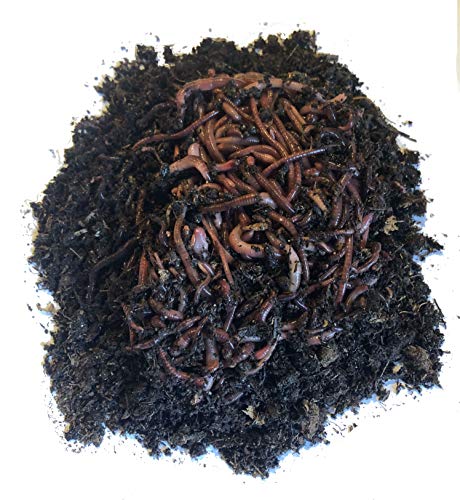
NUTRIENT-RICH COMPOST PRODUCTION: WWJD Worms red wriggler live worms for composting can transform organic matter into nutrient-rich compost - providing an abundant source of quality worm castings for gardens, and farms. These compost worms improve soil fertility by delivering essential nutrients to plants.
When to Deworm Your Flock and Health Monitoring
Once you’ve secured clean earthworms from reputable suppliers, you’ll need to establish a deworming schedule that protects your flock from parasites they may encounter through worm consumption and other exposure routes. Implement deworming schedules at least quarterly, adjusting frequency based on your flock’s housing, pasture access, and history. Monitor clinical signs including visible worms in droppings, poor weight gain, diarrhea, and reduced egg production—these warrant immediate fecal monitoring. Conduct fecal egg counts two to four times yearly to guide treatment options and assess worm burden, as treatment with approved dewormers is essential for effective management. Post-treatment fecal checks confirm efficacy. Additionally, maintaining a flock that includes Rhode Island Reds can help ensure steady egg production while keeping your birds actively foraging. Maintain detailed records of test results, treatments, and withdrawal times. This evidence-based approach enables trend analysis and optimizes future deworming protocols for your specific flock’s needs. Regular deworming perceived as a long-term investment in poultry health ensures sustained productivity and reduces the risk of severe infestations that could compromise your flock’s welfare.