You’ll find that chickens sleep using unihemispheric vigilance—one brain hemisphere rests while the other stays alert for predators. They roost vertically on perches, gripping with their toes, and typically need 7–8 hours nightly, though seasons affect duration. Chickens cycle through non-REM and REM sleep phases, with the outer eye remaining open on their alert side. Their sleep quality depends on roost height, spacing, and social hierarchy. Understanding these mechanisms reveals how you can optimize your flock’s rest environment for better health outcomes.
The Sleeping Position of Chickens
When roosting overnight, chickens adopt a characteristic vertical posture with their feet gripping a perch and their head tucked toward their shoulders—a configuration that enables stable balance without conscious effort. Their toes lock automatically around the perch diameter, typically 4.5–5 cm or wider, distributing weight across both feet and keel bone for comfort and stability.
However, you’ll observe that sleeping positions vary by age and breed. Heavier broilers and younger birds frequently adopt ground resting positions, including lateral tucked postures or side-lying arrangements in nest areas. During daytime napping, you’ll notice shorter resting bouts involving crouched or sitting positions rather than full roosting posture. Dark, sheltered spaces encourage these ground resting behaviors, reducing disturbances and promoting relaxation in birds you’re managing. Artificial brooders that mimic natural conditions create dark, warm shelters where chickens can rest undisturbed and achieve the restorative sleep necessary for growth and cognitive development.
How Chickens Stay Alert During Sleep
While roosting positions establish physical stability, chickens have evolved a remarkable neurological adaptation that allows them to monitor their surroundings without fully surrendering consciousness. This unihemispheric vigilance enables one brain hemisphere to sleep while the other remains active, with each eye connecting to its opposite hemisphere. Your bird can keep its outer eye open for predator detection while the inner eye closes, allowing the corresponding brain side genuine rest. Additionally, when chickens engage in foraging during the day, they are motivated by a desire to maintain their overall health, which can be supplemented by homemade chicken treats.
Interestingly, this unihemispheric slow-wave sleep also enables chickens to engage in both REM and non-REM sleep patterns while remaining partially alert. In much the same way that various chicken breeds exhibit unique characteristics, Silkie chickens also display distinctive plumage colors that contribute to their charm and appeal.
This independent eye-brain control creates simultaneous wakefulness and sleep. The open eye links directly to the awake hemisphere, continuously scanning threats. Meanwhile, the closed eye corresponds to the sleeping hemisphere, facilitating recovery. You’ll observe chickens appearing both alert and resting simultaneously—a sophisticated survival mechanism that permits constant threat monitoring while maintaining essential sleep. Birds positioned on the edge of the roost take turns as sentries watching the flock, adding an additional layer of protection during vulnerable resting periods.

Small Chicken Perch with Swing Sets: The chicken swing is designed for 8-10 Chick and measures 38.9"L X 39.3 W" X 27.4 H. It features 4 perches and 2 swings, providing ample space for hens to rest, exercise, and enjoy a fun. This spacious design promotes healthier behavior and physical well-being, leading to higher-quality eggs. Compatible with any metal chicken coop, it offers a harmonious.

Square Chicken Roosting Bar:The unique square design prevents rotation,ensuring chickens stand stably.The widened, thickened perch has a flat surface, reducing toe pressure and protecting sensitive feet.The larger base area offers more solid support

Customizable Width & Height: Koutemie chicken roosting perch is designed with an adjustable screw mechanism, allowing you to effortlessly modify both the width and height to perfectly fit your coop’s unique requirements. Whether you have young chicks or mature hens, this perch ensures optimal comfort for chickens of all ages and sizes
How Much Sleep Do Chickens Need
Sleep duration in chickens varies dramatically across seasons and management conditions, driven primarily by photoperiod. During summer’s shorter nights, you’ll observe your birds sleeping approximately 6–8 hours nightly. Conversely, winter nights in high latitudes extend sleep to 14–16 hours when artificial light remains absent. To help ensure chickens stay warm during the colder months, it’s essential to implement strategies like using the deep litter method, as this can provide additional insulation and warmth in the coop.
Effective management of chickens includes ensuring optimal environments to prevent issues like lice infestations, which can disrupt their sleeping patterns and overall health. Your management choices considerably influence these seasonal variations. Implementing artificial lighting reduces nighttime sleep duration and disrupts natural rest patterns. However, you’re balancing competing demands: sustained egg production requires 14+ hours of daily light, yet industry welfare guidelines recommend maintaining at least 4–6 consecutive darkness hours for broilers. Chickens in flocks with established roosting routines tend to consolidate their sleep more efficiently than those without consistent schedules.
Individual variation complicates precise recommendations. Breed, age, and flock routine all produce substantial differences in sleep hours. Older birds typically nap more during daylight, incrementally increasing total daily rest compared with younger adults.
Understanding Chicken Sleep Cycles
Beyond the total hours your chickens rest lies a more intricate physiological story—they don’t experience sleep as a monolithic state but rather cycle through distinct phases, each serving specific neurological functions. Your birds alternate between non-REM slow-wave sleep, which consolidates memories and provides deep rest, and REM sleep, characterized by rapid eye movements and brief vocalizations lasting seconds to minutes. Maintaining a safe and clean coop environment is essential, as mites can disrupt sleep and significantly impact their overall health. Chickens exhibit a preference for elevated perches, which further enhances their sense of safety and protection.
Additionally, ensuring your birds have proper nutrition and care can positively impact their overall health and thus their sleep quality. What makes chicken sleep particularly remarkable are their sleep adaptations to predation risk. You’ll observe uni-hemispheric slow-wave sleep, wherein one brain hemisphere remains alert while the other rests—one eye stays open, monitoring for danger. Environmental influences considerably shape these cycles; edge-positioned roost birds employ more unihemispheric sleep than centrally-located flock members. Your chickens rotate positions throughout the night, distributing sentinel duty while maintaining collective security. This roosting behavior is instinctively guided by their preference for high and safe places, which influences both their sleep quality and safety during vulnerable nighttime hours.
Daily Sleep Patterns and Roosting Behavior
As daylight fades toward dusk, your chickens’ circadian rhythms trigger a predictable behavioral sequence culminating in roosting. Your flock demonstrates synchronized preparation behaviors—preening, vocalizations, and displays—before settling for the night. Roosting preferences reflect both physiological needs and social hierarchy. Your dominant hens claim elevated perches first, securing positions that protect them from ground predators while improving bone strength and feather condition. Breeds such as the Anatolian Shepherd are often utilized to ensure that these perches remain safe from potential threats. Subordinate birds follow in order, using higher perches to escape daytime harassment. Flock dynamics guarantee established groups secure adequate roost space collectively. The absence of companionship can cause chickens to become stressed, leading to a decline in their overall well-being, emphasizing the importance of social interaction for their health. Additionally, providing a safe and comfortable environment encourages your flock to exhibit their natural roosting behavior during the night. Furthermore, ensuring adequate ventilation in the coop helps maintain a comfortable temperature, promoting a restful sleep for your chickens. Chickens thrive in well-maintained coops, which is key for their overall health and productivity. Your chickens return nightly to identical spots, exhibiting strong site fidelity. Even after escaping or roaming during the day, your chickens demonstrate strong site fidelity by returning to their regular roosting spots at night. You’ll notice younger or newly introduced members occasionally resist roosting initially. Locking your coop before sundown prevents outdoor roosting attempts and protects your flock from nocturnal predators.

Unlike round bars that roll under weight, our 1.5-inch flat square solid cedar wood gives hens a secure grip, reducing toe strain and supporting natural roosting posture. Based on structural testing, each tier safely holds up to 50 lbs, comfortably accommodating 8-10 standard hens without crowding.

Chicken Perch for Coop Set: Crafted with a stable triangular frame design, this set includes 6 smoothly pine wooden sticks, each pre-slotted for hassle-free installation. The complete kit comes with a matching screwdriver and screws, providing everything you need for quick, tool-free setup

【Chicken Perch with Ladder & Swing】This chicken activity center features a chicken perch chicken ladder and a chicken swing, which are important chicken toys for coop. It also functions as a great chicken enrichment, providing an area for chickens to have fun and satisfy their flying needs. Furthermore, its versatile design also suits other animals such as parrots, ducks, and pigeons.
Creating the Ideal Roost Environment
Because your chickens spend roughly one-third of their lives roosting, the physical environment you provide directly impacts their health, safety, and flock dynamics. You’ll want untreated, rounded wood perches approximately 4.5–5 cm in diameter to maximize grip and comfort. Position roosts at heights under 1 meter, maintaining 8–12 inches from coop walls to prevent crowding. Guarantee 8–12 inches of linear spacing per standard bird, with 12–18 inches between parallel bars to minimize droppings contamination. Installing secure hardware cloth at the bottom of the coop can help protect against predators during roosting, ensuring a safer environment for your hens. Additionally, providing high-protein treats can promote healthy feather growth, contributing to overall well-being. It’s important to keep good ventilation in mind, as proper air circulation helps prevent respiratory issues among your flock, which can be exacerbated by coryza in chickens. To support strong bones and overall health, ensure your hens are getting adequate calcium intake in their diet. Install removable droppings boards beneath roosts for efficient hygiene practices and daily waste management. Place perches away from feeders and nesting boxes, and locate them to avoid drafts. Adequate ventilation controls moisture and ammonia, supporting respiratory health while maintaining ideal flock comfort throughout roosting periods. Mimicking these natural roosting behaviors reduces stress-related issues such as aggression and feather pecking within your flock.

Ideal Size for Small Parrots Each platform: 3 inches in diameter × 0.6 inches height — designed for Conures, Cockatiels, Budgies & Lovebirds to perch comfortably without crowding.
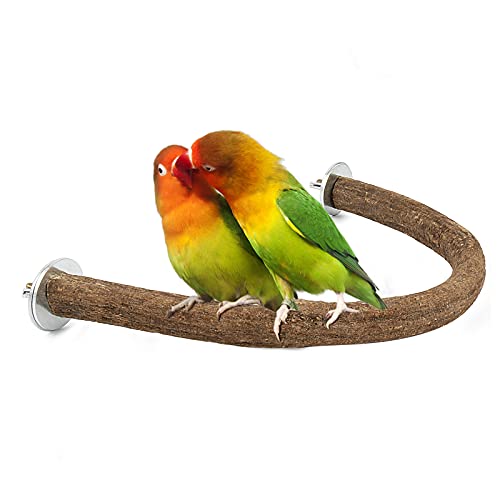
Safe Natural Wood for Healthy Beak & Feet: 100% natural, non-toxic wood supports gentle chewing and healthy beak maintenance. Provides a stable, comfortable perch for parakeets, cockatiels, lovebirds, budgies, and small conures.

2" Square Perch Built for Chicken Feet — The 2-inch wide square perch matches chicken foot anatomy better than round bars, giving heavy breeds like Orpingtons a flat, stable surface that reduces foot fatigue during long roosting. Deepened screw embedment locks each board in place to prevent flipping or tipping — a common failure point on cheaper perches. Hand-tighten only; avoid power drills as they can strip screws or crack the wood.
The Role of Hierarchy in Sleep Positioning
Within your chicken coop, roosting positions aren’t randomly distributed—they’re actively contested and maintained according to flock hierarchy. Dominant birds secure central, elevated perches that maximize sleep security and thermal benefits, while subordinates occupy peripheral or lower positions. To ensure that every bird gets adequate rest, it’s essential to provide enough indoor coop space to accommodate all flock members comfortably. This positional dynamics directly impacts rest quality: higher-ranking individuals achieve deeper non-REM and REM sleep, whereas lower-ranking birds maintain vigilant, unihemispheric sleep patterns. Additionally, a well-structured environment supports a more peaceful flock, similar to how Wyandotte chickens are valued for their dual-purpose traits.
Roost competition intensifies stress levels during huddle behavior, particularly in cold conditions when perch space becomes scarce. Limited linear footage forces ranking impact to escalate, creating territorial disputes and nocturnal displacement events. Lower-ranking birds often experience sleep quality impacted by noise and temperature fluctuations resulting from their less secure positioning. Your perch preferences and dominance hierarchy establish social structure that permeates every roosting cycle. Understanding these positional dynamics helps you design coop environments with multiple tiers and adequate spacing, reducing rank-driven conflict and promoting equitable sleep distribution across your flock.
How Darkness and Light Affect Chicken Sleep
Light exposure fundamentally governs your chickens’ sleep-wake cycles through photoperiod regulation—the interplay between daylight and darkness that drives circadian rhythms and melatonin production. Your flock requires 8 hours of uninterrupted darkness daily to maintain ideal sleep quality and melatonin regulation. Chickens benefit from insect consumption as part of their diet, which helps promote overall health and vitality, further supporting their sleep needs. Additionally, regular access to a consistent diet such as that provided by prolific layers like Rhode Island Reds can enhance their wellbeing, ultimately aiding in better sleep. Continuous or excessive artificial lighting elevates stress hormones like corticosterone, compromising rest. When you manipulate light duration beyond 16 hours, you risk sleep disturbances and inflammatory responses. Providing artificial light to extend daylight hours in winter can help maintain both egg production and sleep quality. Red and blue light colors minimize nocturnal stress, while harsh white light increases aggression. Strategic photoperiod manipulation—using low-intensity supplemental light (10-20 lux) in mornings rather than evenings—supports natural roosting without disrupting circadian rhythms. Conversely, sudden lighting changes confuse your birds’ internal clocks, degrading sleep architecture and overall welfare. Additionally, ensuring a balanced diet with nutritional formulations can further enhance your chickens’ overall health and sleep quality.

🐓【3-Color Dimmable Lighting & 4 Brightness Options】 This solar-powered chicken coop light offers three adjustable lighting modes—Daylight White + Warm White, Daylight White, and Warm White—plus four brightness levels to create a a soothing, glare-free environment for your flock. this lamp provides calm and comfortable illumination that supports your poultry’s natural rhythms—no harsh lighting, just happy chickens.

𝐁𝐎𝐎𝐒𝐓𝐒 𝐖𝐈𝐍𝐓𝐄𝐑 𝐄𝐆𝐆 𝐏𝐑𝐎𝐃𝐔𝐂𝐓𝐈𝐎𝐍: Adding chicken coop lights for winter provides extra light to your chicken coop, extending the perceived daylight hours. This helps maintain and boost egg production, especially during the shorter days of winter.

🐓【 Gentle 3000K Warm Light】Soft yellow warm illumination creates a calming environment for poultry without disrupting natural routines. No harsh glare for animal comfort
Signs of Healthy Sleep in Your Flock
Recognizing the markers of restorative sleep in your flock requires systematic observation of behavioral, physiological, and neurological indicators that collectively signal sleep quality and overall welfare. Monitor your birds’ consistent roost selection, which demonstrates comfort with coop layout and social hierarchy stability. Observe their tucked-head posture and unihemispheric eye closure—indicators of deep sleep stages. You’ll notice low murmurs during settling and prolonged nighttime quiet correlating with uninterrupted sleep cycles. Track sleep duration around 7–8 hours nightly, adjusting for seasonal variations. The ability of chickens to maintain unihemispheric slow-wave sleep allows them to keep one brain hemisphere alert for predators while the other rests. Interestingly, larger breeds like Brahmas can exhibit good winter egg-laying ability due to their hardiness, which may contribute to better overall sleep patterns. Assess physical markers: bright eyes, smooth plumage, stable body weight, and normal egg production upon waking reflect adequate nocturnal rest. Identify sleep disorders through persistent wide-open eyes with tense posture, fragmented rest patterns, or absence of compensatory recovery sleep following prior disruption.

【CHICKEN-APPROVED COMFORT】 Natural solid wood perches satisfy roosting instincts, no more hot feet in summer, cozy warmth in winter. Not only does it provide chickens with a natural resting environment, but it also helps trim their beaks and claws, strengthens their leg and foot muscles, provides them with a place to play, and encourages them to learn to fly.Happy hens lay better!

𝐏𝐫𝐨𝐦𝐨𝐭𝐞𝐬 𝐍𝐚𝐭𝐮𝐫𝐚𝐥 𝐁𝐞𝐡𝐚𝐯𝐢𝐨𝐫&𝐏𝐡𝐲𝐬𝐢𝐜𝐚𝐥 𝐄𝐱𝐞𝐫𝐜𝐢𝐬𝐞 With swings and 4 chicken roosting bars at different heights, this chicken perch setup promotes natural climbing,balancing,and perching behaviors.Chickens stay physically engaged, reduce boredom and develop better coordination and leg strength
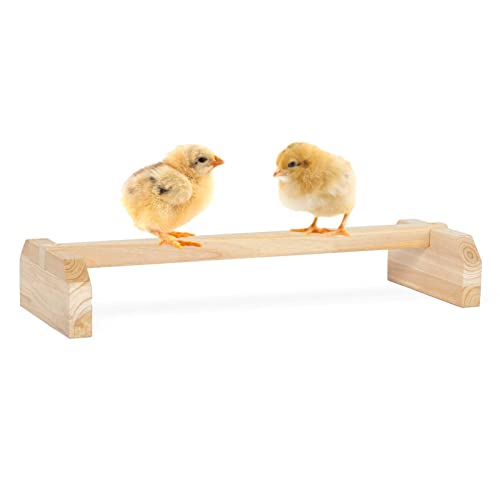
Fun Toys for Chicks:Our chicken perch trains chicks to perch, providing solid support indoors or in coops.It ensures security and allows fun activities