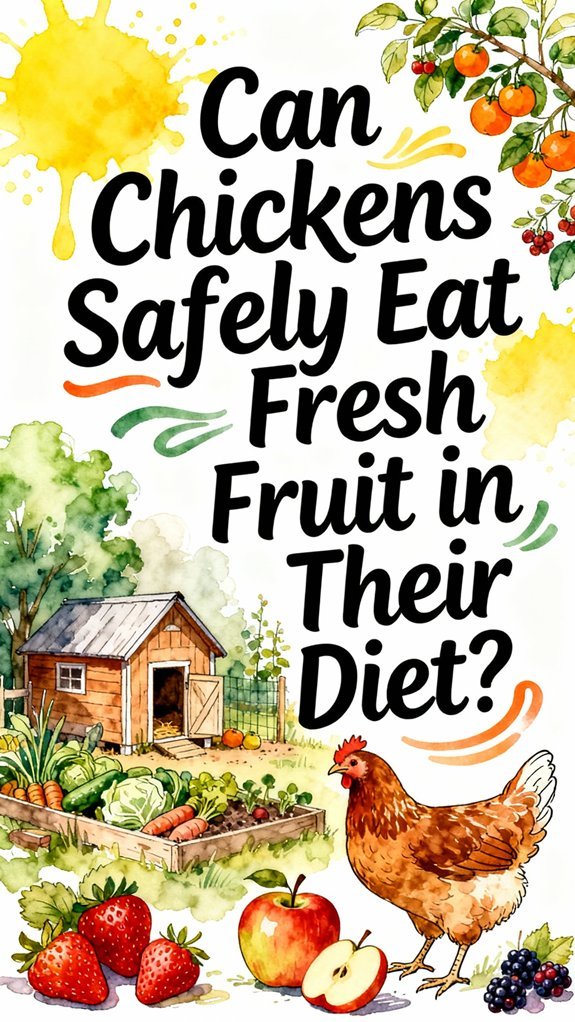
You can safely feed your chickens fresh fruit as a supplement to their balanced layer feed. Limit fruit to 10–12 grams daily per bird—roughly 10% of their total intake—offered 2–4 times weekly. Remove seeds and pits from apples, avoid toxic fruits like avocados, and always rinse produce thoroughly. Prepare fruits in small, chopped pieces to prevent choking. While fresh fruit provides beneficial carbohydrates, fiber, and antioxidants, improper portions can disrupt nutrition and reduce egg quality. Understanding which fruits are safe and how to prepare them correctly guarantees your flock stays healthy.
Nutritional Benefits of Fresh Fruit for Chickens
When you’re incorporating fresh fruit into your chickens’ diet, you’re introducing simple carbohydrates that provide quick energy through fructose, glucose, and sucrose—though the specific sugar content varies greatly by fruit type, with high-sugar varieties like grapes and bananas delivering considerably more calories than low-sugar options such as berries. You’ll also gain fiber content from peels and pulp, which influences digestive transit time and nutrient absorption. Fresh fruits supply vitamin C and beta-carotene precursors supporting immune function, while antioxidant benefits derive from polyphenols and flavonoids that reduce oxidative stress. These compounds promote gut health through prebiotic-like effects, modulating your flock’s microbiota composition. Additionally, certain berries are nutritious treats rich in antioxidants and vitamins that chickens generally enjoy. The essential foundation of your feeding program should prioritize balanced chicken feed containing 15-18% protein before introducing any fruit treats. However, you must maintain fruit at ≤10% of total diet to prevent protein dilution and preserve balanced nutrition.

PREMIUM SNACK: Provide your feathered friends with a delicious and wholesome snack experience. Packed with protein-rich mealworms and real fruit, these treats offer a perfect balance of nutrition and flavor for your flock.

NUTRITIOUS CHICKEN TREATS FOR LAYING HENS & FLOCKS: Wholesome mix offers fun & nutrition in one tasty snack; these premium chicken treats for laying hens encourage natural pecking behavior, support strong eggs, & are a perfect choice for backyard flocks
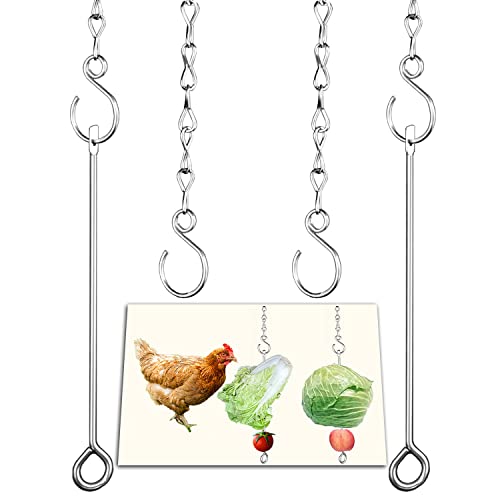
The feeder skewer built with 304 stainless steel, rustproof and safe for your favorite pets
Safe Common Fruits and How to Prepare Them
Several safe fruit options can enhance your flock’s diet while providing essential nutrients and enrichment opportunities. You’ll want to master proper fruit preparation techniques to maximize safety and nutritional value.
For apples, remove seeds and cores due to cyanide content, then slice flesh into small pieces. Chickens can safely enjoy this nutritious treat as a snack when served in moderation. Berries like blueberries, strawberries, and raspberries offer antioxidants; serve fresh or frozen in handfuls 2-3 times weekly. Chickens can consume blueberries and mashed ripe bananas in small amounts to limit excess sugar intake. Additionally, hydration from fruits can be beneficial for maintaining your chickens’ health.
Watermelon provides hydration and vitamins—cut flesh into chunks and avoid seeds for young chicks. Grapes require slicing to prevent choking; feed in moderation due to sugar content. Ripe tomatoes are also safe to include, though you should avoid unripe tomatoes that contain solanine, which can harm your flock.
These safe servings support ideal chicken health when prepared correctly and offered appropriately throughout the week.

REWARD THEM WITH HEALTHY TREATS: Made with real pumpkin, chicken, and cranberry, these healthier dog treats deliver balanced nutrition and amazing flavor; A tasty and wholesome way to show your pup love while supporting digestion and everyday well-being

Tasty, Nutritious Treat

IRRESISTIBLE FLAVOR FOR PICKY CATS: Even the fussiest felines can’t resist the flavorful blend of real chicken and blueberry; With a rich, satisfying crunch and crave-worthy taste, these treats are sure to keep your cat coming back for more every time
Toxic Fruits and Parts to Avoid
While safe fruits enhance your flock’s nutrition, you’ll want to be equally vigilant about toxic varieties and dangerous fruit parts. Apple, pear, apricot, and cherry pits contain amygdalin, which converts to cyanide when crushed—posing acute toxicity risks. You’ll also avoid avocado entirely, as persin in the flesh, skin, and pit causes myocardial and respiratory damage. Additionally, certain nightshade plants like green tomatoes and potato peels contain solanine glycoalkaloids that trigger gastrointestinal and neurological signs. Just as with green onions, it is essential to recognize that some fruits and their toxic parts can have cumulative toxic effects on chickens. Even the flesh of avocado carries trace amounts of persin, making it crucial to proceed with caution if ever offered. Pokeweed, a common plant, can be particularly dangerous for chickens, as all parts are toxic and can lead to severe health issues. Never feed moldy or fermented fruit; mycotoxins like aflatoxins cause liver damage and immunosuppression. Keeping your chickens in a clean environment with proper bedding can further support their health, as using hemp bedding helps reduce harmful ammonia fumes that could exacerbate respiratory issues. A balanced diet with appropriate fruits prevents nutritional imbalances that could compound the effects of accidental toxic exposure. Remove all harmful components before feeding, compost toxic materials away from your run, and discard any visibly spoiled produce. These precautions prevent sudden death and serious illness in your birds.
Feeding Frequency and Proper Portioning
Once you’ve identified which fruits are safe for your flock, you’ll need to establish a feeding schedule and portion strategy that maximizes nutritional benefits without disrupting their primary diet. Maintain ideal feeding frequency by offering treats 2–4 times weekly or daily in small amounts. Implement strict portion control by limiting fruit to roughly 10–12 grams per bird daily—approximately 10% of total caloric intake. Use the small-piece method: distribute 1–2 tablespoons of chopped fruit per bird per session. For weight-based calculations, remember that one small grape equals 1–2 grams and one apple slice equals 5–10 grams. This approach prevents nutrient dilution, maintains consistent egg production, and preserves balanced layer feed as your flock’s nutritional foundation, since chickens require a balanced layer feed containing 16-18% protein and at least 2.75% calcium rather than relying solely on supplementary treats.

Natural Ingredients: Our Freeze Dried Yogurt Treats Made with 70.5% fermented milk, 21% chicken breast, and 8% real fruit; no fragrance, coloring, or preservatives

✅ LARGE CAPACITY & IDEAL SIZE – 65mm (2.6-inch) diameter scoop bowl holds 80ml (≈2.82 oz or 5.3 Tbsp), perfect for making extra-large ice cream balls, cookie dough portions, melon balls, meatballs, mashed potatoes, rice, and more. Perfect for parties, baking, or family meals.

FROM FREEZER TO OVEN - This silicone ice cube tray with lid makes meal preparation more efficient and simple, perfect for freezing soups, sauces and other dishes where you choose portioned portions, it can withstand temperatures from -8F° to 428F°,Oven, microwave, dishwasher safe
Food Safety Practices for Fruit Treats
Because fruit can harbor pathogens and contaminants that threaten flock health, you’ll need to implement rigorous hygiene protocols throughout preparation, storage, and serving. Guarantee fruit cleanliness by rinsing whole fruits under running water immediately before use, never with soap or bleach. Designate separate cutting boards for produce to prevent cross contamination from raw animal products. Additionally, it’s important to ensure the cleanliness of fruit peels, such as banana peels, which should be washed thoroughly to avoid pesticide exposure. Chickens benefit from a diet that is balanced and nutritious, so it’s essential to only offer fruit as a treat. It may also be beneficial to provide alternative zones for your chickens to keep them from foraging near the fruit you are preparing. Sanitize knives and work surfaces with hot soapy water between tasks, and wash your hands thoroughly before and after handling fruit.
Furthermore, make sure to monitor the levels of salt content in any additional treats provided to your chickens to prevent health issues related to excess sodium. Refrigerate prepared fruit within two hours (one hour above 90°F) in sealed containers at 40°F or below. Use separate utensils and serving dishes for fruit treats versus raw or cooked animal products. Discard any fruit showing mold, fermentation, or spoilage signs immediately, as contamination can spread throughout batches. Watermelon, a safe and hydrating treat, is a great example of fruit that can benefit your chickens when served properly. Foodborne illness symptoms may not appear until several days after consumption, so prevention through proper storage and handling is critical for protecting your flock’s health.
How Fruit Affects Egg Production and Quality
Fresh fruit influences both egg production rates and quality metrics through multiple physiological pathways, with effects that depend heavily on inclusion level and processing method. You’ll find that carotenoids from fruit enhance egg pigmentation by depositing in yolk tissue, creating more intensely colored yolks. The fructose and sugars provide metabolic energy supporting egg formation, though they can’t replace balanced protein and lipid sources. At low-to-moderate inclusion levels (3–10% of diet), you’ll typically observe minimal production impacts. However, higher inclusions risk reducing shell strength and egg mass. In addition, hens and cockerels differ in dietary needs, which may influence how fruit affects their health. Processing methods matter greatly: boiled or dried fruit produces better outcomes than raw fruit by reducing antinutritional factors. Carotenoid supplementation also increases immunoglobulin A levels, which supports immune function in laying hens beyond the direct benefits to egg quality. You should carefully balance inclusion levels to optimize both production and quality without compromising nutritional completeness.
Impact on Body Condition and Weight Management
When you incorporate fruit into your chickens’ diet, you’ll observe measurable changes in body weight, feed intake, and overall condition through interconnected metabolic and nutritional mechanisms. Fruit peel benefits include antioxidant effects that enhance physiological performance, improving feed conversion ratios markedly at 25-50% supplementation levels. You’ll notice that 25% banana peel replacement yields daily weight gains comparable to standard rations while improving feed efficiency through bioactive compounds that enhance bile acid function. Additionally, providing treats such as homemade chicken treats can further boost their nutritional intake and promote general well-being. However, you must exercise caution with excess fruit, as overindulgence causes obesity, digestive interference from high fiber content, and nutrient deficiencies. Similar to how diet quality influences bird chick health more significantly than quantity alone, the nutritional composition of fruit supplements matters more than the volume provided to chickens. It’s important to remember that certain fruits, like peaches, can offer beneficial nutrients when kept in moderation and free from harmful parts, like pits, maximizing growth performance without compromising body condition through balanced nutrient absorption and metabolic efficiency. Furthermore, just as with pine shavings in chicken coop bedding, using moderation and careful selection of fruits can prevent potential health issues related to dietary toxins.
Using Fruit as Enrichment and Foraging Activity
Beyond optimizing growth and body condition, fruit serves as a powerful behavioral tool that stimulates the full spectrum of natural chicken behaviors—foraging, problem-solving, and social interaction. You’ll observe increased pecking and exploration when you scatter or hang fruit pieces, activating their foraging behavior instincts. For cognitive enrichment, you can freeze chopped fruit in muffin tins or load puzzle feeders with berry pieces, promoting investigatory behaviors and problem-solving persistence. The nutrient synergy of combining fruits with protein sources found in chicken feed enhances both cognitive function and sustained engagement during enrichment activities. Additionally, chickens can safely enjoy iceberg lettuce in moderation, as it is hydrating and not toxic. Maintaining a clean coop environment by preventing rodent infestations near feeding areas is crucial to ensure that chickens are safe and healthy. Chickens can also enjoy the nutritious benefits of carrots as part of their diet, which can complement the fruit offered. Cucumbers, like many fruits, can also contribute to keeping chickens hydrated, making them a refreshing option, especially in hot weather. Chickens also benefit from fresh greens like kale which can be provided alongside fruit to boost their overall nutrient intake. Spatially distributing fruit across your run manages social dynamics by reducing monopolization and lowering aggression among subordinate birds. You’ll find low cost methods highly effective: string apple slices into garlands, embed fruit in leaf litter, or create DIY PVC dispensers. These approaches sustain engagement while minimizing expense and idle time.

【TURN KITCHEN SCRAPS INTO FEED — CLOSE THE LOOP BETWEEN YOUR KITCHEN AND COOP】 Most backyard keepers already compost or feel guilty tossing veggie scraps, bread ends, and fruit peels. This feeder gives those scraps a better destination: straight to your flock. Load the tray with whatever came out of today's kitchen or garden, drop it in the coop, and watch nothing go to waste.It's the simplest way to build a real kitchen-to-coop cycle: your scraps become feed, your feed becomes eggs, your eggs come back to the kitchen. Sustainable keeping doesn't have to be complicated.

REAL VEGGIES FOR HEALTH: Crafted with real pieces of beets, peas, sweet potatoes, and broccoli, this treat provides wholesome nutrition and natural flavors that your flock will enjoy while supporting their overall health and vitality.
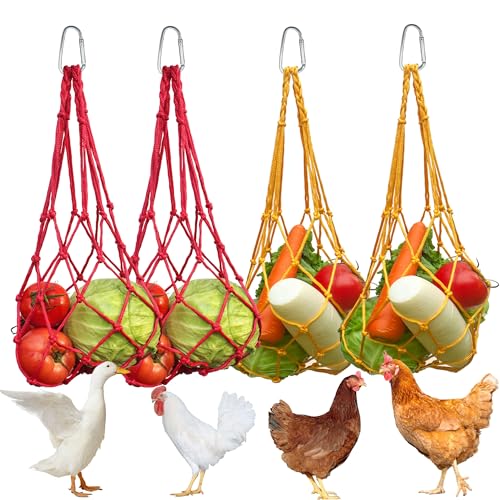
HIGH QUALITY MATERIAL: The vegetable net compartments are 23.6" long and composed of durable nylon. It is reusable, washable, wear- and tear-resistant, and UV-proof. The striking two colors can have a greater recognition rate and give the hens a different kind of foraging experience.
Special Considerations for Young Chicks
Since chicks’ nutritional requirements differ fundamentally from adult chickens, introducing fruit demands careful timing and portion control. You’ll want to avoid fruit treats entirely during the first month to prevent confusion with starter feed, which remains your chicks’ dietary foundation through 18 weeks.
Once you shift to grower feed at 6-8 weeks, you can gradually introduce soft fruits like mashed bananas or finely chopped apples. During chick development, fruits supplement vitamins and minerals but never replace balanced commercial feed. Limit treats to small portions 2-3 times weekly to prevent nutritional disruption and soft eggshells later. Fresh fruits like strawberries and bananas provide vitamins and minerals but should be fed sparingly to avoid overfeeding treats. Additionally, introducing chopped fruits can help prevent choking hazards in young chicks.
Your feeding practices should prioritize the mandatory 18-20% protein starter crumbles. When you do introduce fruits, offer only amounts your chicks consume within minutes, then remove uneaten portions immediately.
Signs of Toxicity and When to Seek Veterinary Care
Although many fruits offer nutritional benefits, certain varieties contain compounds that can poison your chickens, and recognizing early warning signs is critical for survival. You should monitor your flock for toxic symptoms including depression, inappetence, respiratory distress, seizures, and abnormal droppings. Onions and garlic can also pose a risk to chickens’ health, leading to symptoms such as anemia and lethargy. It’s important to note that other members of the allium family, like leeks and shallots, can also be harmful to chickens. Cyanide poisoning from fruit pits causes heart issues and weakness. Persin from avocados triggers increased heart rate and difficulty breathing. Oxalates from spinach and rhubarb damage kidneys and cause tremors. Storing feed in dry areas prevents mold contamination that produces aflatoxins, another serious threat to flock health. Additionally, avoiding dangerous foods like avocado skins can help prevent toxicity. Feeding chickens a diverse diet, including safe fruits, can enhance their overall health and well-being while ensuring they receive adequate nutritional balance.
Seek immediate veterinary intervention if you observe multiple signs simultaneously or rapid symptom progression. Contact your veterinarian if birds show neurological changes, severe gastrointestinal distress, or respiratory compromise. Early treatment greatly improves survival rates. Document which fruits your chickens consumed and provide this information to your veterinarian for accurate diagnosis and targeted treatment protocols.