Yes, you can safely feed salmon to your chickens when you follow proper protocols. Cook the salmon thoroughly, remove all bones, and offer it once weekly at 5% of their daily ration. Source wild-caught or sustainably farmed salmon from reputable suppliers to minimize parasites, pathogens, and contaminants like PCBs. Monitor your flock for digestive changes. There’s much more to understand about maximizing these nutritional benefits while protecting your birds’ health.
Nutritional Benefits of Salmon for Chickens
Because salmon contains complete, high-quality protein with a dense amino-acid profile, it’s an effective protein supplement for poultry diets. Fish-derived proteins typically analyze at 60–65% crude protein on a dry-matter basis, greatly exceeding grain feeds. You’ll find that salmon raises dietary lysine and methionine—amino acids often limiting in conventional poultry rations—which directly support growth and egg albumen quality. Additionally, higher-quality protein is essential for ensuring your chickens can thrive and produce nutritionally-rich eggs. It is crucial to remember that although salmon is nutritious, it should only be given to chickens in moderation to prevent potential health issues associated with excessive protein intake.
Adding salmon to their diet also helps improve boredom busters for chickens, as they can engage in natural foraging behavior while enjoying this nutritious treat. Beyond protein quality, you gain omega-3 enrichment through EPA and DHA transfer into egg yolks and bird tissues. This omega-3 enrichment produces nutritionally enhanced eggs while potentially improving immune responsiveness and stress resilience in your flock. Research on aquaculture feed has demonstrated that poultry by-products like hydrolyzed salmon can significantly enhance health metrics and production efficiency in livestock systems. Additionally, a balanced nutrition approach that includes salmon can help ensure your chickens receive all required nutrients for optimal health and productivity. Moreover, including species-appropriate amounts of salmon in their diet can further support their overall well-being and egg production.
Additionally, you’ll benefit from fat-soluble vitamins, including vitamin D and vitamin A precursors, plus bioavailable selenium and B-vitamins that enhance laying performance and metabolic function when properly formulated into complete diets.
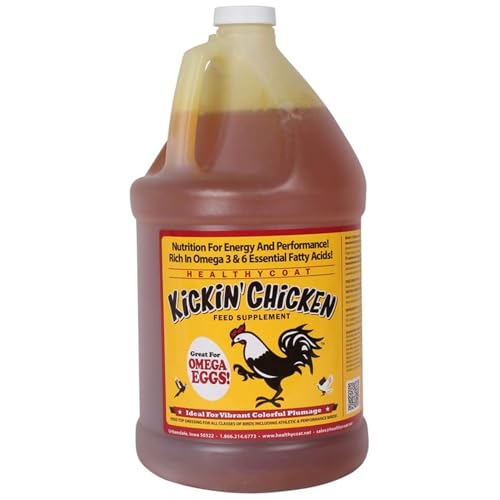

Superior calcium from Oolitic Aragonite: Provides high-quality calcium sourced from naturally occurring Oolitic Aragonite for optimal poultry nutrition
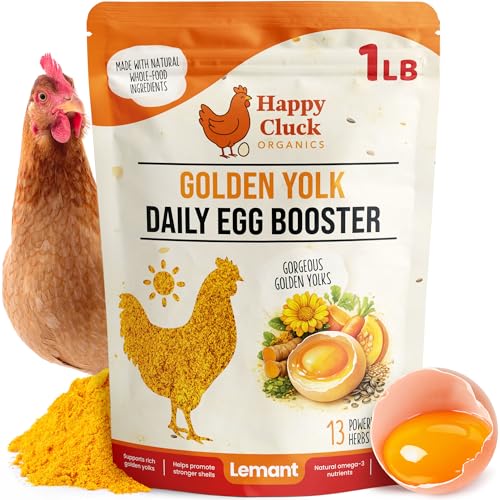
13 WHOLE-FOOD HERBS IN EVERY DAILY SCOOP - This Daily Egg Booster for Chickens packs 13 functional whole-food ingredients into every daily scoop. Each 1 LB pouch blends pumpkin powder, carrot powder, turmeric, milled calendula flowers, stabilized flaxseed, black oil sunflower meal, brewer's yeast, dual-grade calcium carbonate, kelp meal, chili flakes, rosemary extract, and standardized marigold extract into a single premium chicken vitamin and supplement for daily backyard flock nutrition.
Safety Concerns: Parasites, Pathogens, and Spoilage
While salmon offers substantial nutritional advantages for your flock, you’ll need to carefully weigh these benefits against significant safety risks inherent to both farmed and wild salmon sources. Farmed salmon harbor anisakid roundworms and tapeworms that cause anisakiasis and diphyllobothriasis in infected birds. Crushed eggshells provide essential calcium needed for strong skeletal development, making it important to consider your hens’ overall nutrition as well. Additionally, the presence of toxic foods can exacerbate health issues within your flock, thereby necessitating careful dietary management. Sea lice infestations, prevalent in overcrowded farm conditions, introduce additional parasitic threats. Bacterial pathogens like Salmonella contaminate improperly handled salmon, particularly concerning for young chickens exhibiting high mortality rates. Furthermore, it is critical to ensure that salmon is given in moderation to avoid health complications, as chicken diets primarily rely on quality feed. Notably, ensuring a clean environment can further enhance your chickens’ overall health and reduce the chance of disease transmission. It is vital to ensure that salmon remains within recommended salt levels to prevent health complications in your flock. Chemical contaminants—PCBs at seven times higher levels in farmed varieties—accumulate in your birds’ tissues. When establishing feeding guidelines, implement strict parasite management by sourcing only thoroughly cooked, properly handled salmon. Raw or undercooked salmon poses unacceptable health risks, potentially introducing pathogens and parasites directly into your flock. Salmonella bacteria shed through stool can contaminate feed and water sources, spreading infection throughout your chicken population within 8 to 72 hours of initial exposure.

DELICIOUS PINK SALMON: Chicken of the Sea canned salmon contains high quality cuts of boneless, skinless wild salmon that are perfectly seasoned with a hint of salt and packed in spring water for a delicious, clean flavor

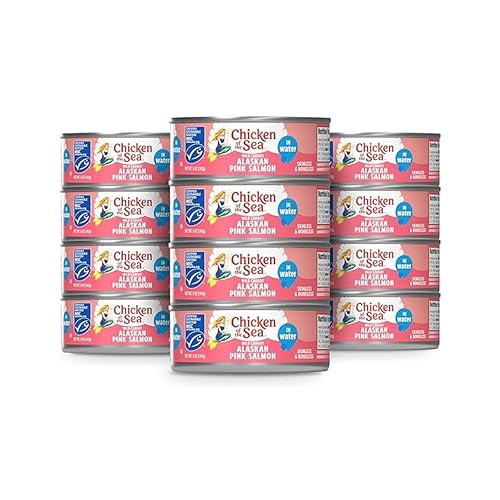
DELICIOUS PINK SALMON: Chicken of the Sea canned salmon contains high quality cuts of boneless, skinless wild salmon that are perfectly seasoned with a hint of salt and packed in spring water for a delicious, clean flavor
Bones, Choking Hazards, and Digestibility
Salmon bones present a nuanced safety profile for your flock that requires careful management rather than outright avoidance. Different bone types carry varying choking risks. Large, sharp bones pose significant dangers, while smaller, cooked bones soften considerably and become safer for consumption. You should remove large or problematic bone types before feeding salmon to your chickens. Properly designed roosting spaces can also promote a more relaxed feeding environment, reducing the likelihood of aggressive behavior during mealtime. Cooked salmon bones digest more readily than raw variants, reducing potential digestive tract injuries. Additionally, nutritional needs of chickens should be met primarily through their regular feed, which supports healthy digestion and overall well-being. Natural foraging behavior can also play a role in how well chickens manage different types of bones. Chickens are generally more adept at handling softer material as they progress through the chick stage of development, making small bones less of a concern. Breaking fish into small pieces minimizes choking hazards substantially. Your chickens will typically discard larger bones naturally, though you shouldn’t rely on this behavior alone. Furthermore, fish such as salmon can provide chickens with nutritional benefits when served in moderation. Fish can be served cooked to maximize digestibility and safety for your flock. Observe your flock while they eat bone-in fish, and debone salmon entirely when uncertainty exists regarding bone safety, ensuring the best protection for your birds.

DELICIOUS, WILD CAUGHT SALMON: Our wild caught pink salmon packets contain high quality cuts of boneless, skinless wild salmon. Perfectly seasoned with a hint of salt and packed in spring water, our pink salmon uses only simple ingredients. It’s also gluten-free and contains no preservatives.


DAILY DISH CHICKEN BONE BROTH - Veterinarian-formulated liquid meal topper made with only human grade ingredients to help support your pet’s overall health. These natural broths are a great way to add flavor and nutritional value to dry, freeze-dried or dehydrated foods.
Proper Frequency, Portions, and Feeding Methods
Feeding salmon to your flock demands careful calibration of frequency, portion size, and preparation to maximize nutritional benefits while minimizing metabolic stress. Limit salmon to once weekly maximum, treating it as a supplement rather than a dietary staple. Your feeding frequency prevents odd-smelling eggs and digestive upset.
For portion control, cap fish meal at 5% of daily ration. Since fully grown chickens consume 4 ounces total feed daily, offer salmon in bite-sized pieces totaling roughly ¼ pound weekly. Chop salmon thoroughly and cook it to eliminate pathogens. Mix cooked portions into regular layer feed to maintain commercial feed as your primary nutrition source. Salmon’s omega-3 fatty acids support healthy feather development and strengthen immune function in your birds.
Monitor your flock closely, reducing portions if you observe runny droppings or declined egg production.

QUICK & EASY BONDING: Bonding moments with your kitty are now quick & easy with this single-served handheld lickable spoon

IRRESISTIBLE PUREÉ: Tastefuls Purées have a soft and silky texture that cats love, with a high moisture content to boost hydration
Reduces stress due to molting
Contaminant Risks and Safe Sourcing Practices
Beyond portion control and preparation methods, you’ll need to evaluate the quality and origin of salmon you’re offering your flock, as farmed and wild sources harbor distinct contaminant profiles that can accumulate in your birds’ tissues and eggs. Farmed salmon typically contain elevated levels of persistent organic pollutants (PCBs, dioxins), brominated flame retardants, and antibiotic residues compared to wild counterparts. Your contaminant awareness should extend to heavy metals like mercury and cadmium, which pose neurotoxic risks at chronic exposure levels. Implement sourcing guidelines prioritizing wild-caught or sustainably farmed salmon from reputable suppliers. Verify processing standards to eliminate microbial hazards such as Salmonella. Biosecurity measures are crucial to minimizing Salmonella entry risks through contaminated feed sources. Source only from facilities maintaining rigorous quality documentation and testing protocols, ensuring your birds’ long-term health and feed safety.

Raw Nutrition Meets Kibble Convenience: Open Farm RawMix combines bone broth-coated kibble with freeze-dried raw chunks for a nutrient-rich meal your large breed dog will love; no thawing, no mess, just shelf-stable raw nutrition in every bowl. Proteins include G.A.P. (Global Animal Partnership) certified Harvest Chicken and Homestead Turkey, raised with no added antibiotics or hormones, plus a whole-prey protein profile featuring nutrient-dense organ meats for complete, traceable nourishment

WILD-CAUGHT SALMON: Chicken of the Sea Pink Salmon Cans contain high quality cuts of boneless, skinless wild salmon. Perfectly seasoned with a hint of sea salt and packed in water, our pink salmon uses 100% simple ingredients. It’s also gluten-free and contains no preservatives.
Taste of the Wild Pacific Stream with SMOKE-FLAVORED SALMON dry dog food; REAL FISH is the #1 ingredient; high-protein (32%) to help support bones, joints and LEAN, STRONG MUSCLES