You can safely feed your chickens fresh figs as occasional treats, offering one fig (~50-60g) up to three times weekly. However, you’ll want to avoid dried figs due to their concentrated sugars (47.9g per 100g) and high caloric content, which can cause digestive upset and nutritional imbalances. Critically, you must keep all fig tree parts—leaves, stems, and sap—away from your flock, as they contain ficin, a proteolytic enzyme that irritates mucosal surfaces. Proper preparation and portion control are essential for safe enjoyment. Understanding the specific risks and best practices will help you protect your flock’s health.
The Safety Profile of Fresh Figs for Chickens
Fresh figs are widely regarded as safe treats for chickens, with no strong evidence of acute toxicity or poisoning when fed in typical treat amounts. You’ll want to avoid feeding Ficus tree leaves, stems, or sap, as certain species contain irritating compounds that can harm poultry health.
When you introduce fresh figs to your flock, monitor individual birds for unusual droppings, decreased appetite, or lethargy, since some chickens may exhibit sensitivity. You shouldn’t offer overripe or fermenting figs, as these can cause mild digestive upset and attract pests to your coop.
Fresh fig safety depends on proper sourcing and preparation. The high water content in fresh figs provides excellent hydration for chickens, particularly during hot weather months. You can confidently include fresh figs as occasional treats while prioritizing your birds’ complete nutritional requirements through formulated feed.

Delicious Fruit: Figs are a sweet and nutritious fruit with a unique flavor and texture.

Delicious Fruit: Figs are a sweet and nutritious fruit with a unique flavor and texture.
Understanding Dried Figs and Their Concentrated Nutrients
While fresh figs offer safety and modest nutrition for your flock, dried figs present a concentrated nutritional profile that demands careful consideration before feeding. When you remove moisture from figs, you amplify nutrient density considerably. Dried figs contain 249 kcal per 100g compared to raw figs’ 74 kcal, while fiber concentration triples from 2.9g to 9.8g per 100g. Mineral content intensifies dramatically: calcium reaches 162mg, potassium climbs to 680mg, and iron jumps to 2.03mg per 100g. Additionally, incorporating homemade chicken treats into their diet can provide beneficial nutrients that complement treats like dried figs. Moreover, treats like dried figs can serve as an excellent way to promote foraging behavior, encouraging chickens to engage their natural instincts. However, sugar concentrates to 47.9g per 100g—nearly triple raw levels. This nutrient concentration makes dried figs more potent nutritionally but also more calorie-dense and sugar-rich, requiring portion control when incorporating them into your chickens’ diet. The high fiber content in dried figs can aid digestive health in poultry, though excessive amounts may lead to digestive disturbances. It is important to remember that treats like dried figs should be fed sparingly alongside a balanced diet to avoid nutritional imbalances in chickens. Additionally, providing species-appropriate feed is essential to ensure your chickens receive a well-rounded diet. Offering treats such as dried figs in moderation ensures chickens can still access their primary diet while enjoying nutritional treats that support their health.
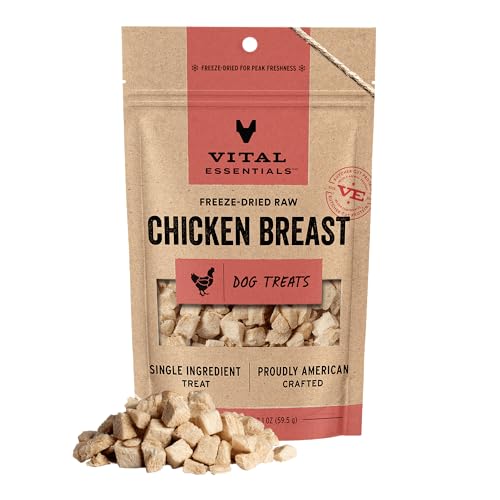
FREEZE-DRIED RAW CHICKEN BREAST DOG TREAT: Vital Essentials Freeze Dried Dog Treats pack more protein than industry standard into every bite to deliver the peak vitality your dog deserves. Our natural freeze-dried raw dog treats are made from responsibly sourced, premium butcher cut chicken breast.

FREEZE-DRIED RAW CHICKEN BREAST DOG TREAT: Vital Essentials Freeze Dried Dog Treats pack more protein than industry standard into every bite to deliver the peak vitality your dog deserves. Our natural freeze-dried raw dog treats are made from responsibly sourced, premium butcher cut chicken breast.

FREEZE-DRIED RAW CHICKEN BREAST DOG TREAT: Vital Essentials Freeze Dried Dog Treats pack more protein than industry standard into every bite to deliver the peak vitality your dog deserves. Our natural freeze-dried raw dog treats are made from responsibly sourced, premium butcher cut chicken breast.
Nutritional Benefits Your Flock Can Enjoy
Because figs concentrate essential nutrients when dried, they can deliver meaningful micronutrients and macronutrients to your flock when you offer them judiciously. Fig nutrients include potassium, which supports electrolyte balance and muscle function—particularly valuable during heat stress. You’ll find trace minerals like iron, manganese, and selenium that complement your balanced feed, along with B vitamins that enhance metabolic processes. Dietary fiber in figs promotes healthy gut motility and digestion. Fig health benefits extend to modest calcium and phosphorus contributions, though these shouldn’t replace your layer’s primary mineral sources. The antioxidant compounds in figs, especially from fig seeds and leaves studied in controlled trials, may bolster your flock’s overall wellness when incorporated appropriately into their diet. While figs offer nutritional value, it’s important to remember that figs lack substantial nutrition compared to other fruits and vegetables, so they should complement rather than dominate your chicken’s diet.

PREMIUM GOURMET FIGS: A marriage of the fertile soils and unique climate in Izmir, Turkey creates the most tender, nutrient-rich, organic and vegan figs on earth. Sunny Fruit Dried Figs are also meticulously sun dried for ideal sweetness.

PREMIUM GOURMET FIGS: A marriage of the fertile soils and unique climate in Izmir, Turkey creates the most tender, nutrient-rich, organic and vegan figs on earth. Sunny Fruit Dried Figs are also meticulously sun dried for ideal sweetness.

Non-GMO, sulfite-free, vegetarian, vegan and all-natural
Proper Preparation Methods for Fig Treats
How you prepare figs before offering them to your flock directly determines their safety and nutritional value. Start with thorough fig washing under cool running water to eliminate surface dirt and pesticide residues. For dried figs, rehydrate them in water for 10–20 minutes if choking concerns exist for smaller birds, then drain completely. Always trim fruit from stems cleanly, removing attached twigs or bark that contain ficin—a compound causing gastrointestinal irritation. Chop larger figs into bite-sized pieces to prevent choking and monopolization by dominant birds. For fig storage, use airtight containers in cool, dry environments to prevent mold growth and insect contamination. Discard any figs showing sticky fermentation or off-odors, as spoilage causes digestive upset. Avoid commercial dried figs containing added sugars or sulfites. California produces 100% of dried figs in the United States, making locally-sourced figs an excellent choice for supplementing your flock’s diet with minimal environmental concern.
Recommended Portion Sizes and Feeding Frequency
To maximize nutritional benefit while minimizing metabolic disruption, you’ll need to calibrate fig portions carefully against your flock’s total daily intake. Offer one fresh fig (~50–60 g) per bird as an occasional treat, ensuring it doesn’t exceed 5% of daily feed by weight. For dried figs, limit servings to 1–2 pieces per bird due to their concentrated sugar content. Implement strategic treat scheduling by offering figs 1–3 times weekly rather than daily, rotating designated treat days to prevent habitual overconsumption. Portion control remains critical: allocate treats by individual bird count to prevent dominant birds from overfeeding. Moreover, similar to certain bedding materials, figs should be offered in moderation to avoid respiratory issues in your flock that can arise from overconsumption of rich treats. Chickens can safely enjoy figs as a nutrient-rich snack, boosting their diet with essential vitamins and minerals. Additionally, provide adequate hydration as it helps maintain their overall health alongside treats. Young chickens are particularly prone to try various foods due to their developing taste preferences and natural curiosity, and co-housing chickens and pigs can further enhance their foraging behavior by encouraging a varied diet. The goat cheese and herbs used in poultry recipes can also be incorporated into supplementary treats for your flock when combined appropriately with safe ingredients. Monitor your flock’s body condition and egg production closely after establishing your fig-treat regimen, adjusting frequency downward if you observe weight gain or production changes.


Potential Health Risks and Sugar Concerns
While figs offer nutritional value as an occasional treat, their sugar concentration and the metabolic effects of excessive simple sugars warrant careful consideration in your feeding regimen. High sugar impacts on your flock’s health are significant: repeated intake displaces essential proteins and amino acids critical for egg production and growth. Overweight birds from excess calories develop reproductive issues and reduced laying performance. Dried figs pose particular risk due to concentrated sugars and rapid gut absorption, potentially causing loose droppings or dirty vents. You should recognize that sugary treats alter your birds’ microbiota and can mask nutritional deficiencies by reducing balanced diet consumption. These health implications extend to biosecurity concerns, as sugar attracts ants and rodents to housing areas. Additionally, fig tree leaves contain toxic sap and should be kept away from your flock to prevent poisoning. Limit fig portions accordingly.
Digestive Issues From Excessive Fig Consumption
The health consequences of excessive fig consumption manifest most visibly through digestive disturbance, which can develop rapidly once your birds ingest large quantities of these sugary fruits. You’ll typically observe diarrhea within 12–48 hours, driven by osmotic shifts that pull water into the intestine. The proteolytic enzyme ficin irritates mucosal surfaces, triggering vomiting and intestinal distress. Additionally, ensuring proper coop insulation can help mitigate stress on your chickens during their recovery phase. Dried figs pose particular concern—their concentrated fiber and density can cause crop impaction within 24–72 hours if consumed without adequate grit. Your birds may also exhibit reduced feed intake and lethargy as early indicators of gastrointestinal compromise. Dysbiosis occurs when rapid substrate changes alter gut fermentation, compounding inflammation, and gut microbiota dysbiosis can adversely affect insulin signaling and glucose metabolism, leading to broader metabolic dysfunction beyond immediate digestive recovery. You should immediately remove figs, provide electrolyte solutions, and offer bland feed to support fig digestion recovery.
Toxic Fig Tree Parts to Avoid
Beyond the fruit itself, multiple components of fig trees pose serious hazards to your chickens. You’ll want to keep them away from the leaves, which contain ficin—an enzyme that irritates the throat and crop, causing vomiting and diarrhea. The milky sap present in leaves and twigs damages skin and triggers digestive distress when ingested. Fig bark is equally dangerous; even small quantities cause serious health problems due to its ficin content. Feeding chickens toxic plants such as fig tree components can lead to significant health issues. In addition, the toxicity of certain plants in your garden can further enhance the risk to your flock’s health.
Understanding fig tree toxicity helps you protect your flock. The stems, though technically safe, present choking hazards due to excessive fibrous material. Twigs contain that same irritating sap you’ll find elsewhere. Similar to how moldy food produces mycotoxins, the toxic compounds in fig trees accumulate and cause poisoning when consumed by poultry. Vaccination against Marek’s Disease in chickens is also important when considering overall flock health, as various health issues can compound stress on your birds. When considering fig parts to avoid, prioritize keeping chickens entirely away from the tree itself. Stick exclusively to ripe figs when supplementing their diet.
How to Protect Your Chickens From Fig Tree Hazards
Since fig trees pose multifaceted hazards to your flock, you’ll need to implement a thorough protection strategy combining physical barriers, supervised access, pest management, landscape modifications, and ongoing monitoring. Install chicken wire around tree bases and secure stakes to prevent ground access. Deploy nets over entire trees while positioning your chicken tractor away from roots. Monitor your flock’s behavior daily, harvesting ripe figs early to eliminate temptation. Prune low branches to reduce leaf and sap contact. Maintain tree management practices by checking wire integrity weekly and adjusting barriers seasonally as growth changes hazard reach. Like many common backyard plants, fig trees require careful evaluation rather than assumption of universal toxicity, as chickens exhibit natural foraging behavior that allows them to selectively choose between safe and unsafe foods when properly supervised. Combine these layers for extensive chicken safety, ensuring your birds remain protected from fig tree toxins and debris exposure year-round.
Best Practices for Incorporating Figs Into Your Flock’s Diet
While figs can supplement your flock’s diet with hydration and modest micronutrients, you’ll need to carefully balance their nutritional profile against your birds’ core dietary requirements. Limit figs to occasional treats—no more than several times weekly—since their 16–19 g sugar content per 100 g risks obesity and gut dysbiosis if overused. Offering bite-sized pieces mixed into scratch grains can encourage foraging without excessive single intakes. Additionally, incorporating herbs with immune-boosting properties like oregano can enhance their overall health. It’s important to ensure that all feed offered is free from mold contaminants to avoid health risks associated with moldy food. Providing a high-protein diet is essential to support your chickens’ growth and health.
Remove uneaten portions within 30–60 minutes to prevent fermentation and mold growth. Furthermore, incorporating nutritious treats like almonds can enhance their overall diet while providing essential vitamins and minerals. Consider fig variety and treat alternatives like vegetables, seeds, or insects that provide comparable benefits without sugar concentration. Dried figs require portion reduction due to nutrient density and warrant inspection for spoilage. Prioritize formulated feed to maintain essential protein, calcium, and vitamin A/D levels your birds need for ideal health.