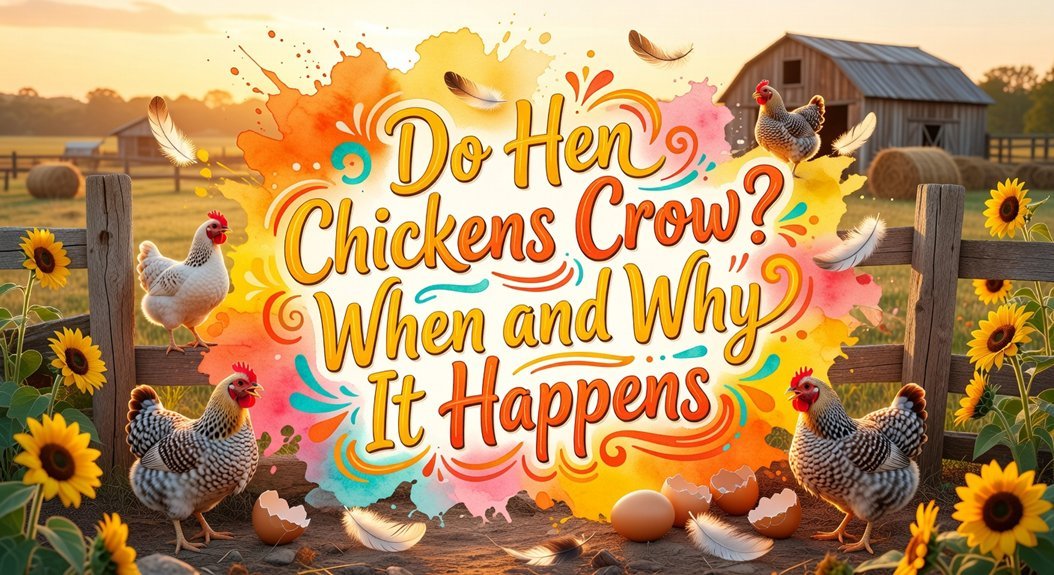
Yes, your hen can absolutely crow — and you’re not imagining things. It happens when hormones shift, dominance kicks in, or a rooster disappears from the flock. Sometimes a damaged ovary boosts testosterone enough to trigger a full-on crow. It’s more common in certain breeds like Sebrights, but it can happen to almost any hen. It’s usually harmless, not a health crisis. Stick around, because there’s a lot more to unpack here.
Can Hens Actually Crow?
Here’s the thing — if you’ve got a flock without a rooster and you’re suddenly hearing something that sounds suspiciously like crowing at dawn, you’re probably not losing your mind. Hens can absolutely crow. Despite all the crowing myths tied to cultural symbolism painting roosters as the sole noise-makers, your hen didn’t get that memo.
Now, it’s not super common, but it’s documented across breeds and ages. Some hens produce weak, screechy attempts. Others nail a full rooster-style crow that’ll genuinely fool you. You’re not dealing with a sick bird or a strange anomaly — you’re just watching normal chicken behavior play out.
Once you understand that, everything else about your flock suddenly makes a lot more sense. In fact, a tiny hen crowing like a rooster is something that has been observed and even caught on video, proving this behavior is real and not just the stuff of legend.
Why Hens Crow: Hormones, Dominance, and Aging
So why exactly does your hen sound like she’s auditioning for a rooster role at 5 a.m.? Here’s the thing — it usually comes down to three culprits: hormonal triggers, dominance behavior, or age-related shifts.
Now, if your left ovary were damaged, your right gonad would activate, producing testosterone and suppressing estrogen. That’s literally what happens to your hen. Male traits follow fast — crowing, bigger comb, different plumage.
Obviously, no rooster means your dominant hen steps up, crowing to establish hierarchy and protect the flock. Mimicking a rooster’s crow can also serve as a predator warning signal for the rest of the flock.
All right, aging matters too. After two to four years, hormone balance tips toward androgens, especially during non-laying periods.
Understanding which cause applies to your hen makes the next decision — whether to intervene — surprisingly straightforward.
Is a Crowing Hen a Sign of Illness?
When your hen starts crowing, the first question most backyard keepers ask is whether something’s actually wrong with her — and honestly, that concern makes total sense. Here’s the thing: crowing alone isn’t automatically a red flag. A hormonal imbalance can trigger crow-like behavior without any illness attached, especially in older or dominant hens.
Now, where you should pay attention is when crowing comes packaged with other symptoms. Honking sounds suggest a respiratory infection. A pale comb, stunted growth, or zero egg production alongside crowing? That combination warrants a vet visit, not just a Google search.
Obviously, crowing by itself is usually just your hen being her assertive self. But if symptoms stack up, trust your gut and get her checked out. Stunted growth paired with crowing could point to a pituitary gland problem that’s disrupting her hormone production entirely.
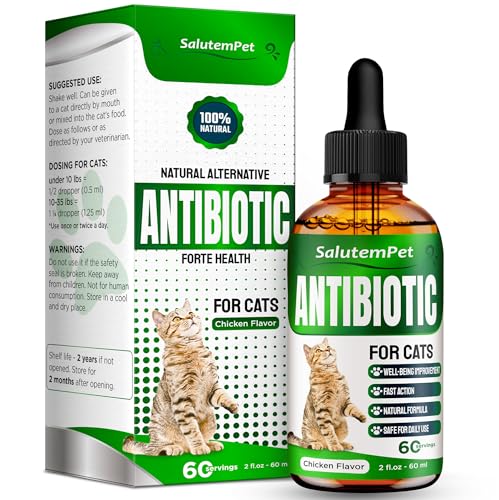
NATURAL ANTIBIOTICS FOR CATS: Formulated with a blend of beneficial and completely safe extracts from plant pomace, this ensures that your cat gets the most critical components with no harm to its body.

🔸ORGANIC INGREDIENTS: Pau D'Arco, Olive Leaf, Cranberry, Thym, Oregano, Echinacea Purpurea, Wormwood, and Eleutherococcus! Total naturalness! Our cat Antibiotics are not GMOs!

✅ COUGH NATURAL MEDICINE FOR DOGS & CATS - Natural kennel cough treatment at home that may provide breathing, upper respiratory support and boost immunity naturally. Our dog and cat cough relief drops effectively relieve coughing and wheezing with natural herbal ingredients and strengthen pets' overall health!
Breeds and Traits That Make Some Hens More Likely to Crow
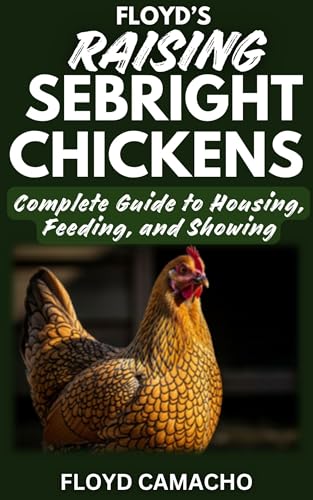
If you’ve ever watched a hen strut around like she owns the place and then let out a crow, you might’ve assumed something was off — but sometimes, it’s just breed. Sebright hens crow regularly, and it’s completely woven into their breed genetics. No illness, no drama — just Tuesday. Longcrower hens take it further; they’re literally bred to crow, producing offspring with extended crows lasting up to 20 seconds. Here’s the thing — dominance hierarchy plays into this too. Remove a rooster, and a genetically predisposed hen steps up fast. Now, if you’re raising Sebrights or Longcrowers, expect crowing — it’s not a flaw, it’s a feature. Understanding your breed beforehand makes that first crow feel obvious instead of alarming. The Serama, known for its sharp, rapid crow, is one of the smallest breeds in existence yet carries one of the most distinctive and bold vocalizations among all chicken breeds.
What to Do When Your Hen Starts Crowing
A crowing hen doesn’t have to be the end of your backyard flock setup — but you do need a plan, because ignoring it usually means a noise complaint from next door before the week’s out. Here’s the thing about noise mitigation: you’ve got real options. Start simple — overnight isolation in a pet carrier limits neck-stretching, cutting the crow fast. Sprinkle kelp on her feed for hormonal balancing if dominance behavior’s driving it. Now, reshuffling the pecking order by introducing new birds often knocks a crowing hen back down the hierarchy naturally. For crowing etiquette in tight neighborhoods, a no-crow collar exists — obviously not glamorous, but effective. Pick your approach based on urgency, and you’ll keep both your flock and your neighbors.

【Safe & Comfortable Fit】 The No Crow Rooster Collar is designed to reduce crowing volume without choking your rooster. Made from durable nylon, it allows normal breathing, eating, and drinking. Adjust gradually for comfort and routinely check tightness—fits snugly with room for one pinky finger.

Rooster Belt just suppose to keep them quiet by restricting air expulsion but by no means should it choke or make him uncomfortable.

Quality Material: Made of quality nylon and magic tape, it is safe and durable