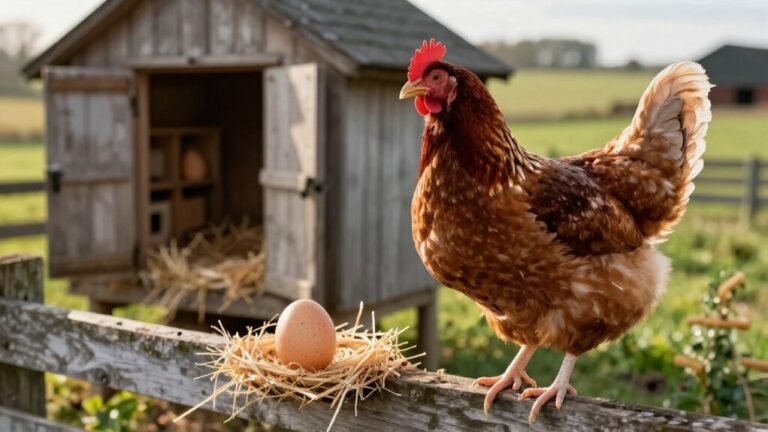
Ever felt like assembling a chicken coop could be a DIY nightmare? You’re not alone—most kits promise “easy” but end up a a toolbox full of mystery parts and a weekend of frustration. Now, imagine a snap‑together metal frame that clicks together with just a screwdriver, rust‑resistant powder coating, and pre‑drilled holes, or a cedar kit that feels like a weekend project for a beginner, complete with stainless steel fasteners and natural charm. Both options keep the learning curve shallow, yet they differ: the metal frame is sleek, low‑maintenance, and perfect for modern yards, while the cedar kit offers rustic appeal and a bit more hands‑on building love. If you crave speed and durability, the metal frame’s your match; if you enjoy a little woodwork and want a warm look, the cedar kit fits. Either way, you’ll avoid the usual headaches and get a coop that actually works, so you can focus on the chickens, not the screws.
| Farm Animal Chicken Coop Building Blocks Set (190 pcs) |  | Beginner-Friendly Build | Piece Count: 190 pieces | Included Chickens: 20 chickens | Material: ABS plastic | VIEW LATEST PRICE | Read Our Analysis |
| Skylety 9-Piece Easter Chicken Figurine Set |  | Ready‑to‑Play Set | Piece Count: 9 pieces | Included Chickens: 1 rooster, 1 hen, 2 chicks | Material: PVC | VIEW LATEST PRICE | Read Our Analysis |
More Details on Our Top Picks
Farm Animal Chicken Coop Building Blocks Set (190 pcs)
If you’re hunting for a set that lets kids dive straight into building a farm scene without a steep learning curve, the Farm Animal Chicken Coop Building Blocks Set (190 pcs) is a beginner‑friendly build. You’ve probably felt the frustration of tiny pieces that never click, and this set solves that with smooth‑finished ABS bricks that snap together reliably. It comes with a multicolor coop, 20 chickens, and 10 eggs, so you can create a lively barnyard in minutes. The 3.8 × 3.1 × 4‑inch footprint fits nicely on a tabletop, and the detailed manual guides you step‑by‑step. All right, if you already own LEGO or Mega Bloks, you’ll appreciate its compatibility with major brands, letting you expand your existing collection. The MOC (My Own Creation) design encourages teamwork and spatial reasoning—great for kids 8 + and for parents who want an educational playtime. The only trade‑off is that the set focuses on a farm theme, so if you’re looking for castles or space stations you’ll need another kit. But for a quick, colorful farm build that integrates with other scenes, this one’s a solid, confidence‑boosting choice. Now, picture the kids arranging chickens around the coop, laughing as they uncover the eggs hidden inside—easy, fun, and educational. Go ahead and add it to your cart; you’ll feel good knowing you’ve picked a set that delivers on promise without the hassle.
- Piece Count:190 pieces
- Included Chickens:20 chickens
- Material:ABS plastic
- Assembly:Manual assembly required
- Age Recommendation:8+ years (144 months)
- Dimensions:3.8 × 3.1 × 4 in
- Additional Feature:MOC building set
- Additional Feature:Compatible with major brands
- Additional Feature:Enriches existing collections
Skylety 9-Piece Easter Chicken Figurine Set
You’ve probably been hunting for a quick, mess‑free way to add some farm‑yard charm to your Easter décor without spending hours assembling anything, and the Skylety 9‑Piece Easter Chicken Figurine Set is exactly that ready‑to‑play set you need. You want something that looks real but won’t break when a curious kid knocks it over, and this PVC set delivers vivid, hand‑painted chickens, a sturdy house, and a nest with three eggs—all waterproof and fade‑resistant. At 10 × 5.9 × 3.4 inches and under nine ounces, it fits on any tabletop or bookshelf without crowding space. You’ll appreciate the no‑assembly promise, especially if you’re short on time or patience. This set shines in classrooms or birthday parties, sparking storytelling and farm‑themed role‑play for kids 6 and up, though you’ll need to keep an eye on toddlers because the pieces are small. The gift‑box presentation makes it a sweet present for Easter, birthdays, or even a quirky addition to a garden décor. If you’re after a durable, decorative, and educational mini‑farm that’s instantly ready, this is the one for you. All right, go ahead and add it to your cart—you’ll have a charming, hassle‑free Easter display in minutes.
- Piece Count:9 pieces
- Included Chickens:1 rooster, 1 hen, 2 chicks
- Material:PVC
- Assembly:No assembly required
- Age Recommendation:6+ years (72 months)
- Dimensions:10.04 × 5.91 × 3.35 in
- Additional Feature:Realistic painted details
- Additional Feature:Waterproof, corrosion‑resistant PVC
- Additional Feature:Decorative gift‑box packaging
Factors to Consider When Choosing a Chicken Coops for Dummies
You’re probably wondering why every chicken coop feels like a puzzle of material, size, and assembly, and you’re right to be cautious. Now, think about whether the wood or plastic matches your backyard’s climate, how many birds you’ll house, and if you can swing a hammer without a manual that reads like a novel—durability, ease of build, and the learning curve all matter. Here’s the thing: if you need a coop that’s sturdy, fits your space, and teaches kids a bit about caring for animals, pick the one that balances those trade‑offs, and you’ll feel confident without second‑guessing.
Material Compatibility and Compatibility
Material compatibility can feel like a chemistry class you never signed up for, but it’s really just about making sure the bolts, wood, and roof all get along without rusting, warping, or cracking. You’ll notice the frustration of cheap nails rusting through pressure‑treated posts, so pick galvanized or ceramic‑coated fasteners that match the wood preservative. All right, now look at expansion rates: metal roofing expands more than pine framing, so stagger your screw spacing and use washers to avoid pulling the panels apart. If you choose cedar, its acidity can eat at ordinary steel, so a stainless steel bracket or a plastic barrier saves you future repairs. Verify sealants bond both wood and metal—polyurethane works well, but epoxy can be overkill. This approach keeps your coop sturdy, low‑maintenance, and ready for the next flock without surprise failures.
Size and Scale Options
You’ve probably stared at a bunch of coop specs and felt the panic of “Will this actually fit my flock?”—that’s the real hurdle before you even think about paint or fasteners. You need at least 2‑4 sq ft of floor per bird, so a four‑chicken start means an 8‑sq ft interior. Add a run that’s double that size, and you won’t be crowding them. Roosts are next: 8‑12 inches per bird, so plan a 4‑foot bar for four hens. Nesting boxes? One per 3‑4 hens, each a 12‑inch cube, so a single box will do for a small flock. Now think ahead—pick a coop 25‑50 % larger than your current count to dodge a rushed upgrade. Height matters, too; you’ll want a door tall enough to step in without ducking, and a roof that clears your tallest bird. If your yard is tight, a rectangular footprint works best; if you have space, a square gives you more flexible expansion. All right, choose the shape that fits your yard, add a little extra room, and you’ll avoid the panic later.
Ease of Assembly Process
Simplicity is the secret sauce when you’re staring at a box of lumber and wondering if you’ll ever get that coop together without a PhD in carpentry. You’re probably worried about a mountain of parts and a toolbox you don’t own. All right, look for clear, step‑by‑step instructions with big diagrams—those visual cues cut errors in half. Now, pre‑cut, pre‑drilled pieces mean you’ll only need a screwdriver and maybe a drill, not a table saw. A modular, interlocking design keeps the build logical; you’ll snap panels together instead of wrestling with random boards. Obviously, fewer fasteners equal less frustration, so count the bolts before you buy. This one’s for you if you want a weekend project, not a semester‑long course. You’ll finish confident, coop standing, and ready for chickens without a sweat.
Durability and Material Quality
When the sun beats down on a cheap plastic coop and it starts cracking like a dry twig, you know you’ve bought a bargain that’s about to break. Your chickens deserve a sturdier home, so focus on UV‑resistant materials like HDPE; it won’t turn brittle after a summer of blazing rays. All right, check the fasteners—galvanized or stainless steel is a must, otherwise rust will eat through joints and waste will accelerate decay. Wall panels should be at least 0.5 inches thick; thinner sheets flex and dent under wind or a curious rooster. Now, the roof: look for high tensile strength measured in PSI so heavy snow or fallen branches won’t sag. Low thermal expansion coefficients keep the frame from warping when temperatures swing. If you live in a windy, wet climate, prioritize stainless steel and thick HDPE; if you’re in a mild zone, a solid HDPE with galvanized screws may suffice. Choose wisely, and your coop will last seasons, not weeks.
Educational Value and Play
Ever wonder why a chicken coop can feel like a backyard science lab instead of just a shelter? You’re probably tired of buying toys that never teach anything useful. The thing is, a well‑designed coop becomes a hands‑on classroom. You’ll measure lumber, cut panels, and follow step‑by‑step plans, which sharpens your tool skills and project‑planning instincts. All right, now think about the daily chores: feeding, collecting eggs, cleaning. Those routines teach responsibility and give you a real‑time lesson in animal husbandry and nutrition. Watching chicks grow lets you explore life cycles, biology, and even basic genetics. This isn’t just a shelter—it’s a living experiment. If you love learning by doing, pick a coop with clear assembly instructions and easy access panels; you’ll get the educational payoff without the hassle.
Aesthetic Design and Themes
You’ve probably spent a few evenings scrolling through endless coop pictures, wondering why some look like chic garden sheds while others scream “barnyard chic,” and you’re stuck wondering which style will actually blend with your yard without turning heads into a snort. You’re overwhelmed by rustic timber, sleek metal, and pastel-painted options, each promising “the perfect vibe.” All right, let’s cut through the noise. If you love a low‑maintenance look, a metal‑frame coop with powder‑coat paint fits you—it’s durable, resists rust, and pairs well with modern landscaping. If you crave cottage charm, a reclaimed‑wood design adds warmth but needs annual sealing. For a playful pop, pastel panels work, yet they fade faster in sun. Obviously, match the theme to your house’s architecture and your willingness to upkeep. Choose the style that feels like an extension of your garden, not a costume. Then you’ll know exactly which coop to order, confident and content.