You worry that cookie crumb harms your flock, and honestly, it might. Chickens can’t taste sweetness anyway; they lack the gene, so you’re just feeding them empty texture while risking gut chaos and fatty liver disease. Obviously, chocolate is a hard no due to lethal toxins, but a little syrup in feed? That’s different. Research shows precise amounts actually help growth. You need to know which treats boost health versus which spike metabolism, and the next section breaks down exactly what your hens can safely peck at.
Do Chickens Actually Taste Sweetness?
Ever wonder why your flock ignores that fancy sweet treat you tossed them? It’s not pickiness; they literally can’t taste it. You see, sweet receptor genetics in chickens lack the T1R2 gene entirely, so sugar tastes like nothing to them. While humans savor sweetness instantly, your birds rely on umami and bitter detection instead. Their taste bud development starts early, yet most buds sit deep in the throat, not on the tongue. They hatch ready to eat but miss out on sugary joy completely. Obviously, offering candy confuses them since they don’t perceive that flavor profile at all. They might crunch it for texture, but the sweet sensation? Gone. So, stop wasting money on sugary snacks they can’t appreciate. Focus on protein-rich treats they actually crave instead. Your wallet and flock will thank you for making that smart switch today.

High Calcium Chicken Grubs: Compared to traditional dried mealworms, our BSFL dry powder insect feed boasts 85x calcium. This high calcium content enhances eggshell strength and promotes bone health in your hens, ensuring they lay sturdy eggs. Perfect for supporting robust egg production and overall poultry well-being.

High Nutrition: WormsFarm dried black soldier fly larvae are better snacks for hens since they include more calcium and insect protein than mealworms, which would enhance egg quality and encourage molt progress

Premium Quality Chicken Treats: Specially formulated, high-quality chicken snacks for laying hens, ensuring only the best for your pet chickens
How Excess Sugar Damages Chicken Health
You might think tossing them a candy bar is a harmless treat since they can’t even taste the sweetness, but that missing flavor receptor doesn’t stop the sugar from wrecking their insides. Your flock’s digestive system craves grains and bugs, not syrup. When you feed them sweets, you disrupt their healthy gut bacteria, causing diarrhea and low energy. Obviously, obesity follows quickly, ruining feather quality and mobility. Here’s the thing: excess sugar triggers serious liver toxicity, spiking enzymes that signal fatty liver disease. This metabolic chaos weakens their immune system and slashes egg production over time. You don’t want stunted growth or poor health lurking in your coop. Protecting your birds means skipping the candy aisle entirely. Choose natural treats instead to keep your hens lively and laying well. It’s a simple swap that saves their lives. Unlike humans with thousands of taste receptors, chickens possess only 250‑350 taste buds located mainly at the back of the throat, meaning they cannot detect sweetness even if it harms them.

HUMAN-GRADE: If you wouldn’t eat it, why would you feed it? From the ingredients they’re made with to the kitchens they’re made in, our treats meet strict USDA standards fit for human consumption.

100% RAWHIDE FREE - Keep your dog healthy and safe with chicken chew sticks that are 100% rawhide and collagen free. Your dog deserves the real thing, not by-products and imitations!

HUMAN-GRADE: If you wouldn’t eat it, why would you feed it? From the ingredients they’re made with to the kitchens they’re made in, our treats meet strict USDA standards fit for human consumption.
What Research Reveals About Sugar in Feed
Although you’ve probably heard that sugar is a no-go for your flock, the actual research on feed formulations tells a slightly more nuanced story that might surprise you. Studies show adding five percent sugar syrup actually lowers blood cholesterol in broilers while maintaining solid growth rates. You’ll find that sucrose digests far easier than starch, easing your birds’ digestive load considerably. This efficient sugar metabolism means glucose fuels egg production and tissue growth without the usual fuss. Obviously, we aren’t talking candy bars here; specific feed formulation using syrup can replace costly corn and fat effectively. Researchers even note improved feed conversion ratios with alternative sugars like glycerine during critical growth windows. So, if you’re wrestling with high feed prices, consider these controlled sweet additions a smart, science-backed trick. It’s not about treating them to dessert, but optimizing their diet for better health and your budget.
Why Candy and Chocolate Must Be Avoided
Why would you risk your flock’s life on a leftover brownie when the science screams “no”? You’d never feed them poison on purpose, yet hidden chocolate lurks in vanilla cakes and cookie dough. Here’s the thing: chickens can’t metabolize theobromine or caffeine like we do. These compounds trigger rapid heart failure, seizures, and death within hours. Dark chocolate packs the highest cocoa toxicity punch, but even white chocolate isn’t safe. Their tiny bodies reach lethal doses from just a few chips. Obviously, no treat is worth watching your hens suffer cardiac arrest. Don’t gamble with holiday leftovers or mysterious desserts. Keep all sweets locked away completely. Your flock trusts you to spot dangers they can’t. Make the smart call today: banish chocolate forever. It’s not just risky; it’s fatal. Choose safety, not sweets.

grain free - pet 'n shape natural chicken hide twists are made from 100% natural chicken breast wrapped delicately around a savory rawhide chew

100% RAWHIDE FREE - Keep your dog healthy and safe with chicken chew sticks that are 100% rawhide and collagen free. Your dog deserves the real thing, not by-products and imitations!

FREEZE-DRIED RAW CHICKEN BREAST DOG TREAT: Vital Essentials Freeze Dried Dog Treats pack more protein than industry standard into every bite to deliver the peak vitality your dog deserves. Our natural freeze-dried raw dog treats are made from responsibly sourced, premium butcher cut chicken breast.
Which Natural Sweet Treats Are Safe?
Since you’ve just locked away the chocolate, you’re probably staring at your flock wondering what’s actually safe to give them without playing Russian roulette with their digestive systems. All right, here’s the thing: you can absolutely offer natural fruit like seedless apples, berries, or chopped watermelon for hydration. Just remove those toxic seeds first; obviously, nobody wants a sick hen. Now, consider Yogurt treats. The live bacteria support gut health, and freezing them with strawberries creates perfect summer snacks. However, don’t overdo it, or you’ll face messy diarrhea issues. You might even mash bananas with eggs for quick pancakes or mix peanut butter with oats for protein balls. These options balance sweetness with actual nutrition, unlike that candy you hid earlier. So, grab some blueberries or whip up a frozen yogurt batch today. Your girls will thank you, and you’ll stop worrying instantly.

Training Treats for Dogs - Our dog and puppy treats are perfect for rewarding well-behaved furry friends


ALL NATURAL: Our bite-sized Chicken Apple Sausage treats are made with antibiotic-free chicken and real apples; Soft and chewy, they’re ideal for training and rewarding all good dogs - especially small dogs
How Much Sugar Can Layers Safely Eat?
Look, you’re probably holding a bag of treats and wondering exactly how much sugar your layers can handle before things go south, but here’s the hard truth: there isn’t a safe daily limit because science simply hasn’t found one. Your hen’s sweet metabolism processes carbs wildly differently than yours, so human guidelines don’t apply. When you add sugar, you wreck the critical feed‑ratio needed for shell strength and protein balance. This imbalance triggers immediate metabolic‑stress, taxing their tiny pancreas and disrupting nutrient absorption. Consequently, egg‑quality drops fast as essential calcium gets diluted by empty calories. Experts recommend zero added grams because standard formulations target pure grain energy, not sweets. Obviously, a tiny fruit fiber is fine, but pure sugar? That’s a no-go. Stick to forage and grains to keep your flock producing 300 eggs yearly without the risk of overload.

COMPLETE STARTER FEED FOR CHICKS: Specifically formulated for chicks from hatching to 16 weeks, this non-medicated chick starter feed delivers balanced nutrition and essential nutrients to support strong, healthy early growth and development.
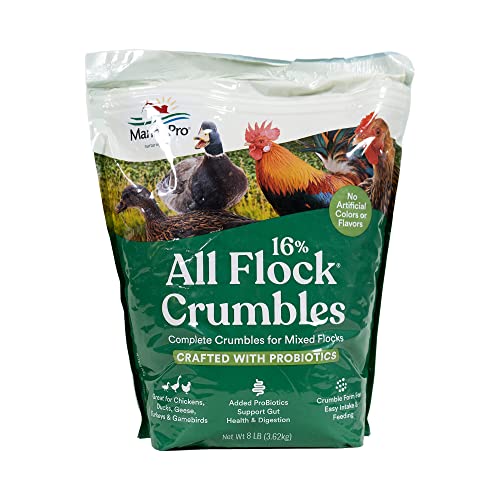
COMPLETE ALL FLOCK FEED FOR MIXED BACKYARD FLOCKS: Versatile poultry feed & all flock feed designed to support chickens, ducks, turkeys, geese, & more; a balanced bird food that simplifies feeding a diverse species in your backyard or homestead

PREMIUM CHICKEN FOOD FOR LAYING HENS WITH OMEGA-3: High-quality chicken layer feed made for strong egg production; fortified with chicken feed omega 3 & extra chicken feed calcium to support healthy shells & provide complete daily nutrition for your hens
Does Sugar Cause Fat Buildup in Hens?
So, does tossing your hens a little sugar actually turn them into feathered balloons? Honestly, it depends entirely on their overall diet balance. You might worry about fat, and rightly so, because excess energy from carbohydrates often stores directly as body fat. This happens especially when protein levels drop too low, forcing their systems to convert surplus glucose via de novo lipogenesis. However, interesting studies show specific sugar syrup diets didn’t spike blood glucose or alter normal sugar metabolism in laying hens. In fact, those same diets considerably reduced yolk cholesterol levels while maintaining steady egg production. Obviously, gorging on high-calorie scraps causes obesity, straining joints and risking fatty liver syndrome. But moderate, balanced inclusion acts differently than unchecked overfeeding. You need to watch their total calorie intake closely rather than fearing sugar alone. Choose balanced feeds over scratch mixes to keep your flock healthy and happy without the guesswork.
What Symptoms Show Sugar Overload?
Although you might think a sweet treat is harmless, watching your hen huddle with ruffled feathers and a squishy, swollen crop tells a different, uglier story. You’ll notice her breath smells sour, almost disgusting, while liquid or gas escapes her beak when you gently press that distended area. She stops eating, loses weight rapidly, and regurgitates undigested food because her system can’t handle the fermentation happening inside. This isn’t just a tummy ache; it’s full-blown sugar toxicity triggering severe metabolic overload. Her crop stays full overnight, fostering dangerous fungi growth that disrupts natural bacteria balance. Obviously, white patches in her mouth signal things have gone too far. Don’t wait for hypoglycemia to set in before acting. Check her crop every morning; if it’s not empty, isolate her immediately. Trust your gut and intervene now to save your flock from this preventable, painful mess.