While possums can visit your chicken coop, they don’t typically pose a serious threat to healthy adult chickens. These nocturnal creatures primarily scavenge for eggs, fallen feed, and already deceased birds rather than actively hunting live poultry. You’ll face greater risks from predators like raccoons or foxes. However, it’s still important to secure your coop with hardware cloth and proper latches – understanding the real risks will help you implement the most effective protection measures.
Understanding Possum Behavior Around Chicken Coops
While opossums are often misunderstood creatures, their behavior around chicken coops follows distinct patterns that chicken owners need to recognize. These nocturnal mammals frequently seek shelter in coops, particularly during harsh weather conditions, leading to potential opossum nesting scenarios that require your attention.
What’s particularly significant is their complex relationship with chickens. You’ll find that opossums can display varying levels of chicken coexistence, sometimes sharing space without immediate aggression. However, don’t let this peaceful behavior deceive you. When food sources become scarce, opossums may target eggs and occasionally attack chickens, especially during nighttime hours. They’re opportunistic feeders who’ll assess your coop’s vulnerabilities, often entering through unsecured openings. Using a gentle nudge with a stick can help safely remove them from your coop when discovered. Understanding these behavioral patterns is essential for implementing effective protection measures.

Prevent Predators:2 roll chicken coop predator proof apron total about 11-5/8in W x 65 ft L, expertly designed to effectively block predators.Extending the wire mesh to the bottom of the coop prevents predators from digging their way in

Effective Nighttime Protection: Keep unwanted animals away with this solar-powered repeller. Designed to work at night, the dual red LED lights mimic the eyes of a predator to deter nocturnal predators and protect your garden yard farm and livestock

Material and size: The size of the hardware cloth is 16 inch×50 ft and 1/2 inch×1/2 inch thickness, adopt 19 guage hot-dipped galvanized material
Signs of Possum Activity Near Your Flock
Recognizing four distinct signs of possum activity around your chicken coop enables early detection and prevention of potential threats. Through paw print identification, you’ll notice their distinctive five-toed tracks, including a thumb-like toe on hind feet. Droppings differentiation is essential; look for cat-like scat with pointed ends near the coop or frequent pathways. You’ll find evidence of climbing attempts through claw marks on fencing and coop structures, often accompanied by minor digging activity around the perimeter. Watch for signs of raids, including damaged eggs with messy remains and potential injuries to birds, particularly neck and bowel lacerations. To confirm possum presence, examine your property for environmental attractants such as accessible pet food, water sources, or fallen fruit that may draw them to your coop area. Like rats, possums are attracted to accessible food sources around coops, making it essential to secure feed storage and minimize waste. To protect your flock, consider installing chicken wire underground to prevent burrowing animals from gaining access beneath the coop structure. Since opossums are primarily nocturnal creatures, monitoring your coop during nighttime hours is crucial for detecting their presence.
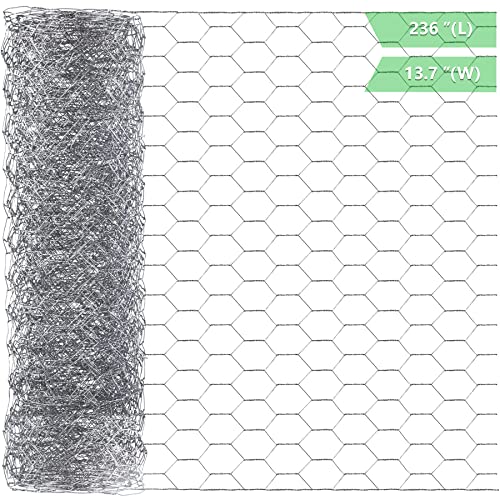
【Large Size】Each mesh is 13.7 inch (width) x 236 inch (length) / 0.35 m x 6 m, 0.8 x 1.38 inch mesh. Wire fencing is long and wide enough to enable you to cut off any shape that you need


Longth Metal Chicken Wire Fencing Mesh - 24 Rifny chicken wire mesh measures 16.5" (H) x 60ft (L), both lightweight and sturdy, making it easy to shape, spliceable and cut to your desired specifications. 1 inch hexagonal fine mesh design(even the chicks cannot pass) provides optimal protection while allowing airflow. This chicken Fence is perfect for securing a large area, whether it's for vegetable garden and yard, chicken coop, Raised Bed or any other purpose
Real Risks vs. Common Misconceptions
To accurately assess possum threats to backyard chickens, it is crucial to separate documented risks from popular misconceptions. While possums’ behavior can include attacking sick, injured, or young chicks, they rarely target healthy adult chickens. You’ll find that possums are opportunistic scavengers rather than aggressive predators, primarily consuming insects, rodents, and carrion. With their low body temperature, possums are naturally resistant to rabies, making them less of a health concern compared to other wildlife predators.
During winter or food scarcity, chicken vulnerability increases as possums may seek alternative food sources. They might raid coops for eggs or nesting materials, and in unsecured environments, possums can cause multiple chicken losses. However, they’re often wrongly portrayed as vicious predators when they actually help control pests that affect your flock. Possums can actually benefit your backyard by consuming the same insects and rodents that threaten stored chicken feed or pellets. Understanding this balance helps you make informed decisions about protecting your chickens while recognizing possums’ beneficial role in your backyard ecosystem. Implementing good management practices alongside natural pest control creates a healthier environment for your flock while maintaining ecological balance.
Essential Security Measures for Your Chicken Coop
Protecting your backyard chickens from possums and other predators requires implementing multiple layers of physical security around your coop. Start with robust coop construction using sturdy materials and elevate the structure off the ground. Install 1/4″ to 1/2″ hardware cloth instead of standard chicken wire, as it’s more resistant to predator entry. Motion-activated lights can effectively startle and deter nocturnal predators from approaching your coop.
For effective predator proofing, incorporate two-step lockable latches on all doors and seal any gaps larger than 1/4″. Install an underground apron of hardware cloth extending 18 inches deep and 3 feet outward from the run. Consider adding electric fencing with multiple strands at varying heights, maintaining at least 5,000 volts. Secure the hardware cloth with screws and washers rather than staples to ensure strong predators cannot tear through the barrier. Position your coop in a visible area away from dense vegetation where predators might hide. During times when fresh food options are limited, providing nutritious treats like ripe persimmons can help maintain your chickens’ immune system and overall health while they remain safely contained.

【Specification and Size】:Hardware cloth is 1/2 inch mesh, width: 48 inches (1.22m), length: 100 feet(30.5m), Green Vinyl PVC Coated Mesh, 19 Gauge Metal Wire,soft chicken coop fabric,mouse proof fencing,mesh screen roll
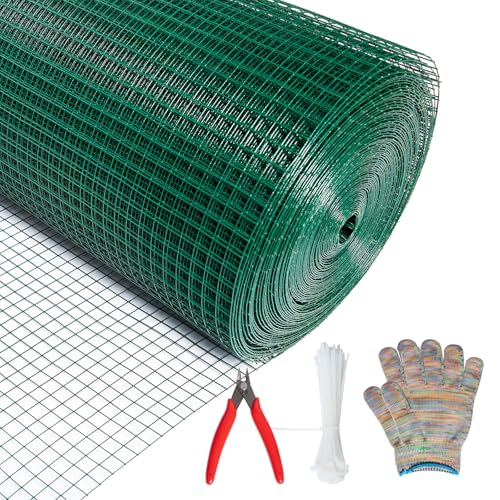
【Specification and Size】:Hardware cloth is 1/2 inch mesh, width: 36 inches (0.91m), length: 100 feet(30.5m), Green Vinyl PVC Coated Mesh, 19 Gauge Metal Wire,soft chicken coop fabric,mouse proof fencing,mesh screen roll
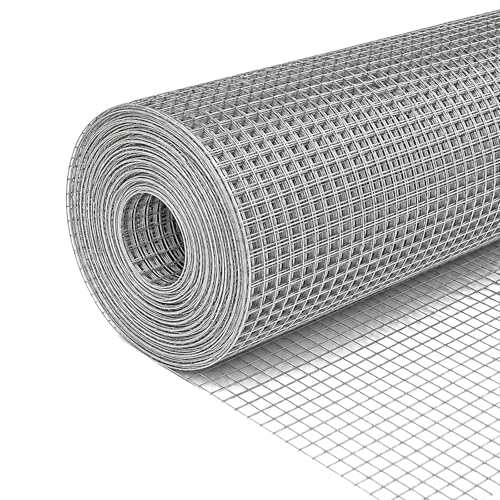
Hardware Cloth 1/2inch for Chicken Coop – 16 inch x 50 ft welded wire mesh made from 23-gauge galvanized steel hardware cloth. Provides reliable strength and flexibility for chicken wire fencing, garden protection, and general outdoor use
Natural Deterrents and Prevention Strategies
While physical barriers provide essential protection, natural deterrents offer an additional layer of defense against possum intrusion. You’ll find that strong spices like garlic, black pepper, and cinnamon create effective natural repellents when scattered around your chicken areas. Citrus peels and ammonia-soaked rags also emit scents that possums actively avoid. Since possums are primarily nocturnal creatures, implementing deterrents during evening hours is particularly important for protecting your flock.
Light and noise serve as powerful deterrents, with Christmas lights and radio sounds disrupting possum activity patterns. You can enhance these effects by strategically positioning bright lights and speakers near coop access points. When combined with proper environmental management, such as securing garbage bins and removing fallen fruit, these methods considerably reduce possum attraction to your property. If needed, effective traps can be employed under local wildlife control guidance for humane management.

100% natural mineral odor eliminator for chicken coops - contains no perfumes, additives or chemicals

Coop Freshness Made Easy: Made with calcite, citric acid, thyme, and peppermint, this powerful natural blend revitalizes and protects your chicken coop every single day.

Herbal Aromatic Freshness: Carefully crafted with a premium mix of calendula, basil, lavender, blue cornflower, lemon balm, rose petals, and rosemary for enhanced coop wellness. Our blend infuses your coop with the soothing scents, keeping it naturally smelling fresh and pleasant.
When to Take Action Against Possum Visits
Although possums aren’t typically aggressive predators, specific signs indicate when immediate action becomes necessary to protect your flock. You’ll need to respond quickly if you find birds with injuries around their vent area, missing feathers, or if eggs consistently disappear overnight. Multiple chicken deaths within a short period particularly warrant intervention.
Immediate actions should include securing your coop by reinforcing weak points and installing better latches. For long term solutions, you’ll want to eliminate attractants like food scraps and fallen fruit near the enclosure. These nocturnal creatures are most active during nighttime hunting hours, making dusk-to-dawn security essential. If you observe possums frequently near your coop after dark, or your chickens display unusual roosting behaviors, implement enhanced security measures. Pay special attention during winter months when possums may be more desperate for food. Unlike opossums, raccoons and mink are known to kill multiple birds in a single attack, making them even more dangerous predators. While possums may seem less threatening than other predators, comprehensive predator management requires vigilance against multiple threats to ensure your flock’s safety.

🐔REFINED OVER YEARS, READY FOR EVERY COOP - Not built overnight—refined through years of real-world improvements in both hardware and software. The classic side-opening design fits most chicken coops and installs with just 6 screws. Built for dependable daily use, each package includes an Automatic Chicken Coop Door, Solar Controller, Quick-Release Base, Charging Cable, Manual, and all required mounting screws.

【Valuable Package】Our chicken coop hardware kit includes 2 sets of 4" self-closing latches and 4 pcs 3" heavy-duty T strap hinges, along with all necessary screws. No need to search for different parts elsewhere, allowing you to start your project quickly and conveniently.

RECLAIM YOUR MORNINGS & EVENINGS: Stop trudging out at 5AM in freezing rain or rushing home before dusk. Set the LCD timer once (programmable to the exact minute), and the door opens and closes automatically every day. Enjoy your coffee in bed while your flock is let out right on schedule
Balancing Predator Control With Ecosystem Benefits
Since possums provide significant ecological benefits through pest control and carrion removal, you’ll need to carefully weigh their positive environmental impact against any potential threat to your chickens. These marsupials play an essential role in predator ecology by controlling populations of slugs, snails, and rodents that can damage your garden. Their scavenging behavior helps reduce disease vectors by cleaning up carrion.
When it comes to chicken predation, research shows that possums rarely target well-protected flocks. Their ecosystem functions far outweigh their minimal threat to poultry. You can maintain these ecological benefits while protecting your chickens by implementing secure coop designs and non-lethal deterrents. Focus on prevention through proper infrastructure rather than removal, as possums contribute more to your backyard’s ecological balance than they detract from it. Unlike raccoons and weasels, which kill multiple chickens and leave bloodied carcasses behind, possums are much less aggressive predators. Ensure your chickens have consistent access to water, as they can only survive 12 to 48 hours without it depending on temperature conditions. Research has shown that possums primarily target eggs and chicks when they do breach coops.