Your chicken’s expected lifespan varies considerably by breed and living conditions. While wild chickens typically live 3-10 years, domestic breeds show considerable variation. Heritage breeds like Plymouth Rocks can survive 8-12 years with proper care, but commercial hybrids often live just 2-4 years. Factors such as nutrition, housing, and disease prevention directly impact longevity. Understanding your specific breed’s needs and implementing appropriate care strategies will help maximize your chicken’s potential lifespan.
The Natural Lifespan of Wild and Domestic Chickens
While wild chickens can naturally live between 3-10 years in their native habitats, their domestic counterparts often experience markedly shorter lifespans due to commercial farming practices. The Red junglefowl, representing wild chicken evolution, demonstrates the species’ natural longevity potential, living up to 14 years under ideal conditions. A balanced diet containing layer feed protein of 16-18% helps support maximum lifespan potential in chickens.
A lifespan comparison reveals that wild breeds generally outlive their domesticated relatives, despite facing natural predators and environmental challenges. This disparity stems from selective breeding in domestic chickens that prioritizes production traits over longevity. Wild chickens benefit from natural behaviors like foraging and dust bathing, which promote better health outcomes. They’re also free from artificial stresses common in domestic settings, such as confined spaces and accelerated growth patterns, allowing them to reach their full lifespan potential. Popular breeds like ISA Browns typically live only 2-4 years due to intensive egg production demands. With proper care and nutrition, backyard chickens can achieve lifespans comparable to their wild counterparts.
Common Breeds and Their Expected Lifespans
Five prominent heritage chicken breeds consistently demonstrate exceptional longevity, with Plymouth Rock, Easter Egger, Cochin, Orpington, and Wyandotte varieties living between 8-12 years under ideal conditions. These heritage breeds considerably outlive hybrid chickens bred for commercial production, such as ISA Browns, which typically survive only 2-4 years. A well-designed coop providing 3 square feet per bird helps maximize chicken lifespans through reduced stress and optimal living conditions. Proper calcium supplementation with oyster shell grit is essential for extending laying hen lifespans.
You’ll find moderate lifespan breeds like Rhode Island Reds and Silkies averaging 5-9 years, while Australorps and Polish chickens can reach 6-10 years with proper care. Production-focused breeds, particularly Cornish Rocks and White Broilers, exhibit the shortest lifespans, often living less than a year. Breed characteristics influence longevity, with bantams and cold-hardy varieties showing extended lifespans. Docile temperaments and dual-purpose breeding also correlate with increased longevity potential. With proper nutrition and living conditions, dual-purpose chickens can achieve a remarkable 12 to 15 years of life.

Essential Calcium Supplement: Pecking Order Oyster Shell is a rich source of calcium, crucial for the development of strong and sturdy eggshells. Adequate calcium intake helps prevent common issues like thin or brittle shells, ensuring your eggs are consistently high quality.

Optimal Health and Egg Production - Enriched with 16% protein from organic grains, this feed provides a balanced and complete diet for laying chickens and ducks, promoting growth and nutritious, supports strong eggshells

May improve the hardness and durability of egg shells
Backyard vs. Commercial Chicken Life Expectancy
Beyond individual breed characteristics, the environment and purpose of chicken-keeping create stark differences in life expectancy. You’ll find backyard chickens typically live 5-10 years due to backyard benefits like reduced stress, individualized care, and proper nutrition. In contrast, commercial practices greatly reduce lifespans, with broilers living just 6-7 weeks before slaughter and laying hens surviving 18-24 months before culling.
The mortality factors also differ greatly between settings. While backyard chickens primarily succumb to predation, disease, or age-related conditions, commercial birds face early death from production-related complications. These include health issues from rapid growth in broilers and exhaustion from intensive laying. Genetic factors compound these differences, as commercial breeds are optimized for production rather than longevity. Wild chicken breeds demonstrate natural longevity, living up to seven years in freedom. Heritage breeds like Rhode Island Reds can reach impressive lifespans of 10-15 years with proper care and protection from predators.
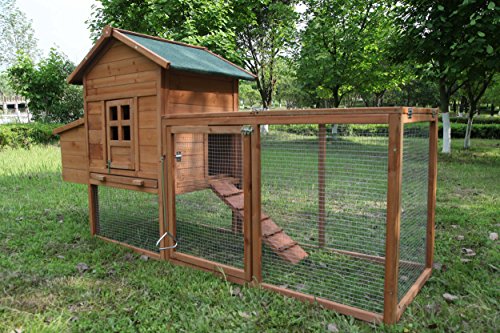
【Specialized and Luxurious Pet House】Chicken Coop Dimensions: 80.7"L x 26"W x 44.5"H, Holds up to 2-4 chickens. 80" chicken coop comes with nesting box, resting box and ramp. Your poultry can lay their eggs in the nesting box. There is sliding door and ramp allows poultry to easily enter the raised housing area. There are timber ridges above the ramp to protects your poultry from slipping back. Come with door you can watch your pets without disturbing.

Key Factors That Impact Chicken Longevity
Several key biological and environmental factors notably influence chicken longevity, with genetics, living conditions, disease exposure, and stress levels playing essential roles.
Genetic factors greatly impact lifespan, as heritage breeds with undiluted genetics typically live 8-12 years, while commercial hybrids face shorter lives due to rapid growth traits. Regular veterinary check-ups help ensure optimal health outcomes throughout a chicken’s life. You’ll find that proper housing conditions, including clean coops with adequate ventilation and outdoor access, directly affect survival rates by reducing environmental stressors and disease risks. Some breeds like Silkie chickens have unique feathering patterns that require extra attention to maintain healthy plumage and prevent skin issues.
Disease prevention through vaccinations and parasite control is vital, as infections can severely compromise immune function. Managing social dynamics and minimizing stress through enriched environments and gentle handling practices also supports longevity. You can maximize your chickens’ lifespan by selecting breeds adapted to your local climate and maintaining ideal living conditions.
Health and Nutrition’s Role in Chicken Lifespan
Nutrition plays a fundamental role in determining chicken longevity, with dietary choices directly impacting organ function, immune response, and metabolic health. You’ll need to maintain proper dietary balance through regulated protein sources, as excessive protein can strain kidneys and organs, while inadequate amounts compromise growth and egg production. Most chickens can reach 5 to 10 years with proper nutrition and care.
Commercial feeds provide balanced vitamins and minerals tailored to different life stages, but you can enhance your chickens’ nutrition through controlled foraging. This natural behavior allows them to supplement their diet with insects and diverse plants while getting exercise. Healthy hens typically produce 5-6 eggs weekly, making proper nutrition even more crucial. For optimal growth and health, provide feed containing 22% protein in starter feeds before transitioning to lower protein levels. You’ll want to avoid overfeeding treats, as obesity leads to mobility issues and shortened lifespans. For laying hens, calcium intake becomes essential for both egg production and skeletal health, particularly during their peak laying years and retirement phase.

Non-GMO, Corn & Soy-Free: Made with high-quality ingredients to support healthy chick growth. This starter chick feed is free from genetically modified organisms and soy, ensuring a cleaner and more natural diet. A great choice for poultry owners looking for chick feed that prioritizes wholesome nutrition.

MEDICATED CHICK STARTER FEED: This complete chicken feed is made with added Amprolium to aid in the prevention of coccidiosis, and contains 18% protein for weight gain, our chicken food is essential for your young birds.

PREMIUM CHICKEN FOOD FOR LAYING HENS WITH OMEGA-3: High-quality chicken layer feed made for strong egg production; fortified with chicken feed omega 3 & extra chicken feed calcium to support healthy shells & provide complete daily nutrition for your hens
Environmental Influences on Chicken Life Duration
The environment where chickens live greatly shapes their lifespan through multiple interconnected factors. Proper weather adaptation and housing design are essential for survival, as sudden temperature extremes can cause death while poor ventilation leads to respiratory issues. You’ll need to protect your flock from both heat stress and cold shock through seasonal housing adjustments. Weather-resistant coops provide crucial protection from harsh elements that could otherwise harm your chickens. Using the deep litter method can help maintain optimal coop temperatures naturally during winter months.
Your chicken’s housing conditions directly impact their immune function and disease resistance. Overcrowding, poor sanitation, and ammonia buildup from waste can markedly reduce lifespan through chronic stress and respiratory problems. While outdoor access strengthens natural immunity, it also exposes chickens to predation risks and pathogens. You’ll maximize your flock’s longevity by providing clean, well-ventilated coops with appropriate space, protecting them from predators, and allowing controlled outdoor access. Some farmers find that shared pasturing with goats can help reduce parasites while making efficient use of available space.
Record-Breaking Chicken Age Cases
While most domestic chickens live between 3-10 years, remarkable cases of chickens reaching extraordinary ages have been documented and verified through official records. Recent longevity studies highlight three notable record titles: Peanut, verified at 21 years old in 2023, holds the current world record for oldest chicken. Pearl achieved official recognition at 14 years and 69 days in 2026, while Matilda, who lived 15-16 years until 2006, gained fame for her indoor lifestyle and lack of egg production. These exceptional cases share common factors contributing to their longevity, including specialized care, protected environments, and reduced reproductive stress. Matilda’s small size of 14 ounces and indoor living, along with Peanut’s social adaptability, demonstrate how specific traits can influence extended lifespans. Pearl’s incredible resilience helped her overcome multiple health challenges including a broken leg and arthritis, showcasing the impact of dedicated medical care on chicken longevity.
Breed-Specific Care for Maximum Lifespan
Since each chicken breed possesses unique genetic predispositions and physiological requirements, implementing breed-specific care protocols greatly impacts longevity outcomes. You’ll need to tailor your breed-specific nutrition and habitat requirements accordingly. For cold-sensitive Silkies, you must provide extra protection from harsh weather, while hardy breeds like Rhode Island Reds tolerate temperature extremes better. Disease prevention measures become especially critical in crowded coops where communicable illnesses spread rapidly.
Consider your breed’s distinct needs when establishing feeding protocols. Dual-purpose breeds like Orpingtons require balanced nutrition supporting both egg production and body maintenance. You’ll maximize lifespan potential by providing stress-minimized environments, especially essential for hybrid breeds. Regular veterinary monitoring should target breed-specific health vulnerabilities, with extra attention to predator protection for smaller breeds like bantams. These targeted care strategies help your chickens reach their full genetic lifespan potential.

【Complete Kit】This chicken coop cover includes a 6.6x13 ft waterproof tarp, 1 roll of 32.8ft rope, and 20 elastic cords to secure the cover firmly. The included accessories allow for flexible installation on various chicken coop structures, ensuring a snug fit that withstands wind and weather. The comprehensive set eliminates the need for additional purchases, providing everything needed for a reliable winter setup


Waterproof Material: Crafted from tear-resistant and translucent PE material, this chicken coop cover provides protection from rain, snow, and wind during winter. The translucent design allows sunlight in for warmth and visibility, while effectively insulating the coop to keep your chickens cozy and safe from the cold
Signs of Aging in Different Chicken Breeds
As chickens progress into their senior years, observable physical and behavioral changes emerge that vary considerably among breeds. Heritage breeds like Plymouth Rocks and Orpingtons typically maintain their robustness until age 7-8, when they’ll show decreased activity and duller feathers. You’ll notice their combs shrinking and egg production declining after 4-6 years. Having proper living conditions is essential for maximizing lifespan and delaying age-related issues.
Hybrid breeds age more rapidly, displaying signs within 2-4 years. Their feather condition deteriorates faster, and they’re prone to health complications like egg binding. Size also influences aging patterns – bantams generally live longer but become quieter, while larger breeds develop mobility issues by 8-10 years. You’ll need to monitor feather quality closely, as it indicates immune function. Regular molt cycles typically begin around 16-18 months of age and serve as key indicators of overall health. In aging breeds, poor insulation and increased susceptibility to parasites become common concerns, particularly in soft-feathered varieties like Silkies.
Extending Your Chicken’s Life Through Proper Care
To maximize your chicken’s lifespan, implementing thorough care protocols across multiple domains is critical. Start by providing an enriched diet through balanced commercial feed, supplementing with calcium for layers and appropriate grit for digestion. Create a secure chicken environment with predator-proof housing, proper ventilation, and clean bedding to prevent disease transmission. Consider installing a battery-powered waterer to ensure continuous access to unfrozen water during winter months.
You’ll need to maintain consistent veterinary care through vaccinations, parasite monitoring, and prompt disease treatment. Select heritage or dual-purpose breeds known for longevity rather than production hybrids. Reduce stress by maintaining stable flock dynamics and offering environmental enrichment like dust baths and foraging opportunities. Follow a regular care routine, guarantee adequate space per bird, and monitor for signs of aggression or illness. These practices will greatly extend your chickens’ lifespan potential. With proper care and protection from predators, chickens in backyard settings can live beyond ten years.

Space-Saving Large Capacity:This spacious 80-inch coop is the perfect balance between generous living space and a compact backyard footprint. Designed to comfortably house 4-6 chickens, ducks, rabbits, or quail, it offers ample room for them to rest, roost, and move freely without taking over your entire yard. The thoughtful layout ensures your small animals have a cozy, stress-free environment, making it an ideal starter coop or a great addition for expanding flocks.

ANIMAL REPELLENT OUTDOOR - Intruder-scaring defense. Our device's performance is based on the double effect. Firstly, Dual red LED lights mimic the active presence of another nocturnal predator. Secondly, the rapid 4Hz flashing resembles the fearful for intruders glow of fire. These ensure scaring away any unwelcome visitors.
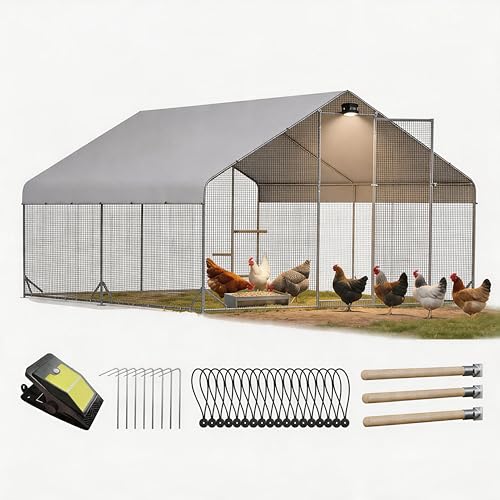
【Ultimate Safety with Hardware Cloth】 Unlike standard hexagonal wire, our chicken run uses premium hardware cloth to keep your poultry secure. This reinforced mesh is tough enough to withstand biting and scratching from predators, keeping your hens safe and sound.