You want to breed Cornish Cross chickens at home, but here’s the thing: you can’t. Their hybrid genetics mean offspring grow slow and inconsistent, making breeding futile. Obviously, these birds are designed for one-time meat production, not a sustainable flock. If you need steady birds, buy purebred lines like White Laced Cornish to cross yourself. Otherwise, just buy new chicks each season and process them by week eight before their hearts give out. Stick around if you want the real scoop on raising them right.
Can You Breed Cornish Cross Chickens at Home?
So, you’re staring at those fast-growing Cornish Cross chicks, wondering if you can just keep the cycle going in your own backyard? Here’s the thing: you can’t breed them true. They’re hybrids, not a pure breed, so mating two together yields slower, inconsistent offspring rather than those meaty giants you love. Obviously, commercial chicks come from specific Cornish and White Rock parents you likely don’t have. If you want a sustainable home market, pivot now. Consider dual-purpose heritage breeds instead. They offer reliable egg-laying capabilities alongside decent meat production, letting you maintain genetic diversity without constant repurchasing. While you miss that seven-week turnaround, you gain flock stability. Don’t waste time trying to replicate industrial genetics; it fails every time. Choose heritage birds for real backyard success, or stick to buying day-olds. Make the smart call today and save yourself the headache. Since these birds are purchased as day-olds rather than hatched on-site, successful rearing depends entirely on managing their specific needs, such as maintaining a brooder temperature of 90‑95 °F during the first week.
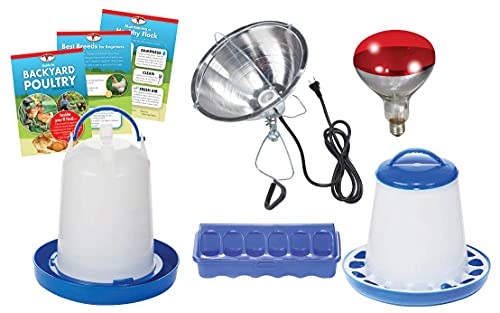
COMPLETE STARTER KIT - Double-Tuf Chicken Starter Kit includes everything you need to keep baby chicks healthy and growing
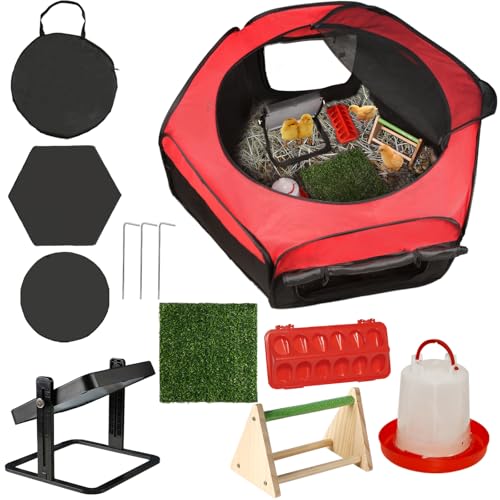
【All In One Chick Starter Kit】Chick brooder pen *1,brooder heating plate *1, chicken feeder&waterer*1,nesting pad*1,chicken perch *1,top cover *1,bottom pad *1,storage bag *1,peg *3. Designed with your chicks' health and well-being in mind, this essential set ensures they have everything they need to eat, play, and grow.

[10 POUNDS]: Premium non-medicated chick crumble feed provides balanced nutrition for young chickens, turkeys, ducks, geese, and other poultry during critical growth stages, supporting development, weight gain, and muscle building from day one
Why Hybrid Cornish Cross Offspring Fail to Thrive
You’ve probably wondered why hatching your own Cornish Cross chicks sounds like a clever shortcut until those birds barely make it past a few weeks. Here’s the thing: their growth‑rate genetics force muscles to outpace organs, creating deadly metabolic stress. You’ll watch them suffer skeletal dysplasia as heavy bodies crush weak legs, making natural movement impossible. Obviously, this leads to shocking gen mortality rates that crush your hopes for a self-sustaining flock. These hybrids simply can’t reproduce effectively because obesity prevents mating, and survivors rarely reach two years. Their offspring lack the parent’s rapid size, growing slowly while consuming expensive feed. You’re left with birds that neither thrive nor butcher well. Don’t gamble on failed biology; accept that these chickens suit single-generation meat production only, not backyard breeding projects. Save your effort and buy day-olds instead. Crucially, these birds possess no reproduction capability, rendering any attempt to breed them biologically futile.
Source Purebred Lines for Commercial Hybrid Production
Although you might feel tempted to grab whatever day-old chicks the big hatchery has in stock, that shortcut leaves you stuck with birds built for cages, not your pasture. You need robust genetics, so focus on purebred sourcing instead. Grab White Laced Cornish and New Hampshire lines to create your own F1 crosses. Obviously, maintaining fifty hens and six roosters per pen keeps your gene pool diverse over decades. While hybrid economics favor massive operations buying Ross 708s, you gain sustainability by controlling the cross yourself. Small hatcheries like Tim’s offer hardier strains if you can’t breed immediately. Don’t settle for weak legs when a Cornish sire over Rhode Island Reds gives you balance and vigor. This path requires effort, but builds a flock that actually thrives on grass, especially since the pea comb dominance from the Cornish parent ensures frostbite protection and uniform identification in your new hybrids. Start selecting your parent stock today for a truly independent meat supply.
Build Safe Housing for Rapid-Growth Meat Birds
You’ve got the genetics sorted, but tossing those fast-growing birds into a makeshift pen is a recipe for disaster. These guys balloon quickly, so your housing design must offer at least two square feet per bird immediately. Don’t cram fifty chicks into tiny totes; they’ll outgrow them by week two. Instead, partition a 10×10 space with tarps for wind protection. Now, temperature control is non-negotiable. Start at 95 degrees, dropping five degrees weekly until they’re feathered out. Avoid cedar shavings like the plague; those odors kill chicks. Use fresh pine instead. Guarantee ventilation without direct drafts, and skirt your wire three feet deep to stop diggers. Obviously, you’ll need to secure them nightly against hawks. This setup keeps them safe and moving. To further protect your flock during the day, consider using electrified netting for added security against predators. Ready to build? Let’s get those birds growing strong.

Reliable Poultry Fence:The electric netting fence is 47.2in high and 164ft long. Poultry netting electric fence can confine chickens, ducks, turkeys, geese and other poultry, protect them from predators, allow them to be more free in a safe area, promote their natural behavior and overall health

BIRD NETTING FOR CHICKEN COOP: Are you worried that hawks or owls might attack your chicken? This high-tenacity nylon netting features ultra-strong multifilament fibers—finer than ordinary coarse ropes yet with a 5.26kg tensile strength for superior tear resistance. You can keep Keep predator like hawks or owls out by simply draping your chicken run with this mesh netting. It keeps your chicken safely contained—no more jumping into neighbor's yard or destroying your garden!

Healthier, Happier Poultry: This electric netting fence is 47.2-inch-tall and 164-foot-long. The electric poultry netting creates a safe outdoor space for poultry such as chickens, ducks, turkeys, geese, etc., protecting them from predators, promoting natural behavior and healthy growth
Feed Cornish Cross for Maximum Weight Gain
Since you’re staring down the barrel of birds that can eat themselves into an early grave, getting their diet right isn’t just about bulk—it’s about keeping them alive long enough to process. You need high-protein starter feed, ideally 21-22%, for the first three weeks to match their insane growth genetics. Switch to an 18% grower ration afterward. Now, here’s the trick: strict feed timing saves lives. Let them eat freely for ten days, then switch to twelve hours on, twelve hours off. This prevents heart attacks while they still hit five pounds by week five. Obviously, they’ll consume ten pounds of feed each in that span. You’re trading constant access for living birds that reach seven pounds in eight weeks. It’s a tightrope walk, but this schedule works. Trust the restriction; your flock will thank you by surviving until processing day.

MEDICATED CHICK STARTER FEED: This complete chicken feed is made with added Amprolium to aid in the prevention of coccidiosis, and contains 18% protein for weight gain, our chicken food is essential for your young birds.

Non-GMO, Corn & Soy-Free: Made with high-quality ingredients to support healthy chick growth. This starter chick feed is free from genetically modified organisms and soy, ensuring a cleaner and more natural diet. A great choice for poultry owners looking for chick feed that prioritizes wholesome nutrition.

Healthy and Natural Growth – Our nutritionally complete whole grain starter mash with 20.5% protein promotes strong development and growth in chicks and ducklings. Fermentable. Corn-free. Soy-free.
Prevent Leg Strain and Heat Stress in Chicks
When your birds start wobbling like they’ve had too much sweet tea, you’re staring down a leg strain crisis that heat stress only makes worse. Obviously, rapid growth crushes weak legs if you don’t act fast. You need consistent temperature temperature control because fluctuations during incubation wreck tendon development before chicks even hatch. Verify those sensors with backup hygrometers; guessing costs you birds. Now, swap slick newspaper for grippy flooring immediately. Paper towels during lockdown or pine shavings in the brooder let tiny claws grab hold, building essential muscle strength. If feed sits right next to water, they won’t move enough, so separate them to force exercise. Mixing some layer feed slows their bulk-up, giving bones time to catch up. This approach isn’t perfect for everyone, but it saves your flock from collapse. Start today, and watch them stand tall. Remember that an imbalance between calcium and phosphorus absorption leads to compounded leg problems, so ensure your feed ratios support proper bone mineralization alongside these management practices.
Schedule Processing Before Health Risks Arise
Because waiting until week nine turns your dinner into a heart-attack statistic, you’ve got to lock in that processing date before the birds do. Seriously, their hearts can’t handle the extra weight, and sudden death syndrome loves late dinners. You need precise processing timing right around week eight to dodge economic losses and quality declines. Don’t wait; book your processor a year out if you must. Now, keep your eyes peeled for mortality monitoring, especially during those first three chaotic weeks. If you find birds dead in the morning, it’s often too late. Watch lagging guys closely, maybe give them an extra week on full feed, but don’t push the whole flock. Obviously, nobody wants a barn full of cardiac arrests. Get that schedule set early, stick to the eight-week mark, and you’ll enjoy tender meat instead of regrettable losses. Just do it.
Cornish Cross vs. Freedom Ranger Breeds
Look, you’re standing there staring at two very different chicks, probably wondering if paying extra for the fancy Freedom Ranger is just burning cash or actually buying you a better dinner. Here’s the thing: Cornish Cross birds hit six pounds in eight weeks, while Rangers take twelve. Obviously, the Cross grows faster but often suffers leg issues and eats constantly. Rangers forage bugs, improving fl sustainability and yielding firmer, tastier meat with yellow fat. You’ll pay more upfront for Ranger chicks, yet feed costs balance out since they hunt their own dinner. Market demand favors the premium flavor Rangers offer, though Cornish Cross remains cheaper initially. While the Cornish Cross dominates commercial production due to its high feed conversion efficiency, this advantage is less critical for small-scale growers prioritizing bird welfare. If you want rapid turnover, pick the Cross; if you value health and rich flavor, choose the Ranger. Don’t overthink it—match the bird to your specific goals and start raising your flock today with total confidence.

COMPLETE STARTER FEED FOR CHICKS: Specifically formulated for chicks from hatching to 16 weeks, this non-medicated chick starter feed delivers balanced nutrition and essential nutrients to support strong, healthy early growth and development.

MEDICATED FEED: Complete feed for chicks with added Amprolium; helping support the prevention of coccidiosis while providing balanced nutrition, essential vitamins, and minerals to promote healthy growth, strong development, and overall vitality.
Decide If Cornish Cross Fits Your Backyard Goals
You’ve weighed the flavor against the speed, but now you’re staring at your own backyard wondering if the Cornish Cross actually fits your life or just your freezer. Here’s the thing: these birds aren’t self-sustaining. You can’t hatch your own chicks, so you’ll buy new ones every single season. Obviously, that changes your long-term planning. However, their rapid eight-week growth means your spaceney suitability is surprisingly high; you only need two square feet per bird before processing. Don’t expect them to forage much, though. They eat feed, not grass, and their heavy bodies make them easy predator targets. Run a quick cost analysis on commercial chicks versus feed bills before committing. If you want meat fast without permanent housing headaches, this hybrid works. But if you desire a self-reliant flock, look elsewhere. Choose wisely based on your actual goals, not just hype. Remember that their weak hearts make temperature stress lethal, requiring constant monitoring to prevent overheating or hypothermia.