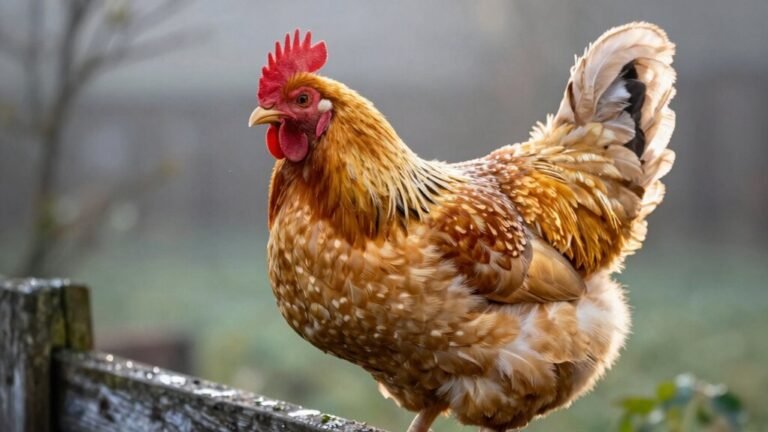
To stop chickens from eating their eggs, you’ll need to address both behavioral and environmental factors. Start by collecting eggs frequently throughout the day and providing proper nutrition with 16% protein feed and calcium supplements. Install roll-away nesting boxes 12-18 inches above the floor, and use deterrents like mustard-filled decoy eggs. Reduce stress by preventing overcrowding and offering enrichment activities. These foundational steps will lead you to more advanced solutions for permanently breaking this habit.
Understanding Why Chickens Eat Their Eggs
When chickens develop egg-eating behaviors, it’s typically due to one or more distinct causes that you’ll need to identify and address. The most common trigger is nutritional deficiencies, particularly calcium and protein shortages, which drive hens to seek these nutrients from their eggs. This behavior often begins through learned behaviors after accidental egg breakage exposes them to the contents.
Environmental stressors and boredom factors can exacerbate the issue, especially in confined spaces with limited enrichment activities. Regular protein-rich diets can actually encourage hens to consume their eggs more frequently. You’ll notice that once a hen realizes eggs are edible, their instinctual attraction to movement and leaking albumin leads to increased pecking. The behavior can quickly spread throughout your flock as other hens observe and copy the egg-eater. Breeds like Rhode Island Reds, known for their robust egg production of up to 300 eggs annually, may be particularly prone to egg-eating if nutritional needs aren’t met. Selecting feed based on your chicken breed size and specific dietary requirements can help ensure your hens receive adequate nutrition to prevent deficiency-driven behaviors. Proper coop management, adequate nutrition, and swift intervention are essential for preventing this habit from developing.
Implementing a Strategic Egg Collection Schedule
Establishing a methodical egg collection schedule serves as your first line of defense against egg-eating behaviors. You’ll need to collect eggs at least once daily, though ideal collection frequency can extend to four times per day to align with your hens’ laying peaks. Schedule your collections during early morning, mid-morning, noon, and late afternoon. Most hens will produce 5 to 7 eggs weekly, so adjust collection times accordingly.
Time your collections strategically after feeding periods when hens aren’t actively nesting. As your flock ages, you’ll need to make collection timing adjustments since laying patterns often shift later in the day. Keep your nest boxes clean and easily accessible to encourage consistent laying habits. Providing adequate coop space—approximately 3 to 4 square feet per hen indoors—can also reduce stress-related behaviors like egg-eating. While chickens can eat various food scraps, avoid feeding them moldy or spoiled food as it can weaken their immune systems and reduce egg production. Don’t stack collected eggs on litter or in hot areas, and store them pointed-end down in cool conditions to maintain freshness. This systematic approach will greatly reduce opportunities for egg-eating behavior.

Nesting Pads for Laying Hens: Made from sustainably harvested aspen excelsior, these nesting pads give your laying hens a soft, comfortable place to nest and lay their eggs

Nesting Boxes – Provide a natural, comfortable, and safe environment for the poultry during egg laying
Creating the Perfect Nesting Environment
A well-designed nesting environment forms the cornerstone of preventing egg-eating behavior in your flock. Install nest boxes 12-18 inches above the floor, using sturdy nest box materials that are smooth and easy to clean. Position them in dark, secluded corners to create a secure laying space.
Ensure ideal dimensions for your breeds: 14×14 inches for large hens, 12×12 inches for standard breeds. Add a 4-inch front lip and deep sides to prevent eggs from rolling out. Consider using salvaged materials from previous projects to build sturdy nest boxes. Maximize nesting comfort by providing at least 4 inches of bedding using straw, hay, or pine shavings. Install a 6-inch perch in front of each entrance for easy access. When constructing boxes, secure the structure with pocket hole screws to create durable joints that will withstand daily use by your flock. For optimal accessibility, design exterior-accessible nesting boxes that allow you to collect eggs without entering the coop, reducing disturbance to your hens and minimizing opportunities for egg-eating behavior.
Maintain one box per 3-4 hens and keep boxes dark inside to encourage consistent laying habits and reduce stress-induced egg eating.

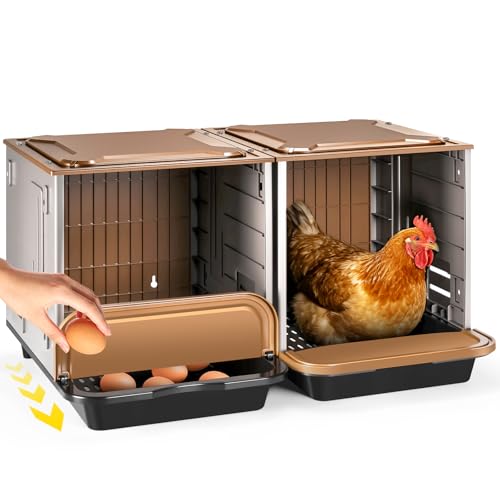
Rollout Design for Egg Safety: The slanted floor allows freshly laid eggs to roll gently into a protected collection tray. We recommend placing some soft padding in the collection trayThis design prevents hens from pecking, stepping on, or dirtying the eggs, Designed to help you collect clean, intact eggs daily every day

6 Independent Chicken Nest: Our chicken nesting box are divided into 2 layer. There are 6 rooms in total and each room is independent. The size of each room is 13.8*14.2 inches, which is enough to accommodate a hen.

2-in-1 Design to Unleash Natural Instincts: By seamlessly combining a cozy chicken nesting box with an integrated 4-tier roosting perch bar, this nesting box creates a vibrant "all-in-one homestead playground." It perfectly satisfies your flock's deep-rooted instincts to climb, roost high, and socialize, making it one of the most versatile chicken coop accessories to keep your hens active and happy
Meeting Your Flock’s Nutritional Needs
Proper nutrition forms the foundation for preventing egg-eating behavior in your flock. Your laying hens require feed containing 16% protein balance to support egg production and maintain essential metabolic functions. Guarantee their diet provides 2558-2867 kcal/kg of metabolizable energy, adjusting levels based on the laying cycle. Implement clean feed storage practices by using airtight containers and keeping feed off the ground to prevent spoilage that could impact nutritional quality.
Maintain mineral supplementation with 3-4% calcium in layer feeds, offering additional oyster shell free-choice. Keep the calcium-to-phosphorus ratio at 2:1 for maximum absorption. Provide grit and oyster shell separately in clean containers so chickens can self-regulate their intake based on individual needs for digestion and calcium supplementation. Your hens should consume 100-105 grams of feed daily when mature, though intake varies by breed and environment. Fortify their diet with vitamins A, D, and E to support immune function and proper calcium metabolism. Including prebiotics and probiotics in their feed can enhance digestive health and nutrient absorption, which supports consistent egg production. Meeting these nutritional requirements will help prevent deficiency-driven egg eating and maintain consistent laying performance.

Essential Calcium Supplement: Pecking Order Oyster Shell is a rich source of calcium, crucial for the development of strong and sturdy eggshells. Adequate calcium intake helps prevent common issues like thin or brittle shells, ensuring your eggs are consistently high quality.

Optimal Health and Egg Production - Enriched with 16% protein from organic grains, this feed provides a balanced and complete diet for laying chickens and ducks, promoting growth and nutritious, supports strong eggshells

LAYER BLEND: Our Non-GMO layer mash is a complete feed fortified with minerals and additional calcium, ensuring quality eggshells. This blend of cracked grains includes probiotic for digestive health and higher omega 3 levels from linseed (flax) oil. Ideal for supporting your flock's overall health and egg-laying productivity.
Managing Stress Levels in Your Chicken Coop
Beyond nutritional factors, stress plays a significant role in triggering egg-eating behavior among chickens. Social dynamics within your flock can create tension, particularly when new birds are introduced or when the flock hierarchy is disrupted. You’ll need to monitor your coop for signs of bullying, overcrowding, or aggressive behavior that may indicate stress among your chickens. Consider adding calming herbs like lavender to nesting areas to help promote relaxation and reduce stress-induced behaviors.
To maintain a calm environment, guarantee your coop provides adequate space, multiple feeding stations, and enough nesting boxes for all hens. Establishing a consistent daily routine helps reduce anxiety, as chickens thrive on predictability. You should also minimize external stressors like loud noises, bright lights, or the presence of predators near the coop. Identifying behavioral cues such as early crowing and excessive strutting can help you detect dominant males who may be contributing to flock stress. Providing free-choice calcium supplements alongside a balanced layer feed can help reduce stress-related nutritional deficiencies that may contribute to egg-eating behavior. Addressing these stress factors promptly will help prevent destructive behaviors, including egg eating.
Using Deterrents and Training Methods
Implementing effective deterrents and training methods offers multiple strategies to break the egg-eating habit in chickens. You’ll find success using taste deterrents like cracked eggs mixed with black pepper spread on the coop floor, or mustard-filled eggshells placed in nesting boxes. Soapy water in blown-out eggs can help you identify persistent egg eaters. Offering free-choice oyster shell ensures hens get adequate calcium and reduces their urge to consume eggs. Common triggers for egg eating include nutrient deficiencies, boredom, and an acquired taste that develops over time.
Physical barriers prove equally effective when properly installed. Install slanted nesting boxes that allow eggs to roll away immediately after laying, and place golf balls or fake eggs to discourage pecking behavior. Position your nesting boxes at least 2 feet off the ground and 4 feet from roosts, maintaining one box per four to five hens. Add 2 inches of clean nesting material to prevent breakage and reduce temptation. While some chicken keepers introduce guinea fowl to their flocks for pest control, research shows that guinea fowl’s impact on tick populations is limited and inconsistent, making them unreliable as a primary control method.
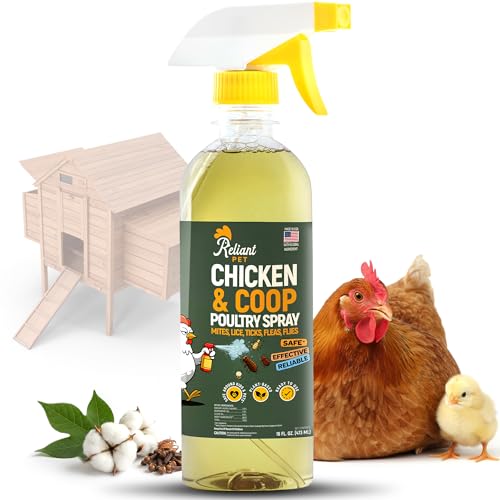
SAFE & EFFECTIVE: Our plant-based chicken mite spray delivers powerful punch without the harsh chemicals found in traditional poultry sprays. Safe to use around your entire flock when used as directed, this gentle formula is tough on mites, lice, fleas, and flies - making it the smarter, safer choice for backyard chicken keepers, small farms, and homesteaders who want real results without the risks

NATURAL AND NON-TOXIC FORMULA: Made from natural essential oils, Premo Poultry Spray is a safe alternative to harsh chemicals like permethrin and mite dusts. Veterinarian and farm approved. Apply directly on all poultry. Treat your entire flock, pens, roosts, coops, nest boxes, and yards. Enjoy peace of mind knowing that your chickens and other poultry is protected naturally and safely

Effective Flock & Coop Care: Kills mites, lice, fleas, and ticks on your chickens and throughout their coop.
Making Essential Environmental Modifications
Making fundamental changes to your coop’s environment plays an essential role in preventing egg-eating behavior. Start with proper nesting box placement, installing one box per 4-5 hens at least 2 feet above ground and 4 feet from roosts. Each box should measure 12″ x 12″ minimum and feature dark, secluded spaces with curtains to discourage pecking. Line boxes with 2-3 inches of clean bedding to prevent breakage.
Consider installing roll-away or slanted nesting systems that immediately remove eggs from the flock’s reach. You’ll also need to implement environmental enrichment strategies, including hanging treat blocks, swings, and rotating activity items to reduce boredom. Maintain adequate calcium supplies through separate oyster shell hoppers, and guarantee constant access to fresh water for peak shell strength. Ensure your coop includes hardware cloth rather than chicken wire to provide predator protection while maintaining proper ventilation. Collecting eggs two to three times daily helps minimize opportunities for hens to develop destructive pecking habits. Managing stress and temperature extremes in the coop environment also helps prevent behavioral problems that can lead to egg-eating.

【Unique Design】 Chicken nesting box with reverse roll out design allows you to collect fresh eggs from outside the chicken coop, metal strong construction nesting box with plastics chicken laying tray for lasting. Roll away nest boxes for chickens, keep eggs clean and Protect eggs from being pecked open. Plastic chicken laying tray won’t rust and are easy to clean, provide ample and comfortable room for hens, increase the egg production rate, perches for hens to stand and roost

EGGS STAY CLEAN AND DRY: Thin wood shavings draw moisture to the pad's paper backing, ensuring a clean, dry surface for fresh chicken eggs

🐤 Freestanding & Portable Design — Overall dimensions are 86 cm L × 30 cm W × 41 cm H (33.9" × 11.8" × 16.1"), and the unit sits firmly on level ground without wobbling. No permanent installation is required — simply move the nesting box anywhere in your coop, run, or yard to adapt to weather, flock behavior, or daily cleaning routines. An ideal fit for backyard chicken coops and small farm