
You worry your hens are escaping when they crater your yard, but they’re actually cleaning house. They dig to dust-bathe, suffocating mites with dirt and cooling their feet in deep soil. Obviously, this instinct also reveals protein-packed worms for better eggs. If you don’t provide a designated pit, they’ll wreck your garden borders instead. Build them a safe, covered spot now, and you’ll see exactly why this messy habit keeps your flock thriving as we explore the perfect setup next.
Why Do Chickens Dig Holes for Dust Bathing?
Ever wonder why your backyard flock suddenly turns a pristine garden bed into a dusty crater? You’re watching essential feather maintenance in action, not mere destruction. They scratch loose dirt, wiggle deep, and kick dust upward to strip excess oil and dander. This instinctive ritual keeps their insulation dry and water-repellent, essential for overall health. Now, here’s the thing: it’s also a social event governed by strict social hierarchy. Dominant hens claim the best spots first while others wait or dig adjacent holes. You’ll see them group together, enhancing bonds as they share these dusty depressions. Obviously, confined flocks need more space to avoid squabbles over prime real estate. They target loose soil because it requires less effort, often revisiting dry holes or scouting new sunny patches. Understanding this behavior helps you provide better areas, keeping your garden safe and your chickens happy. Without access to proper materials, this frustration can lead to increased feather pecking and aggression within the flock.

NATURAL CHICKEN DUST BATH FOR CLEAN, HEALTHY FEATHERS - Give your flock a premium chicken dust bath that helps remove excess oil, dirt, and moisture. Supports natural feather conditioning for happier, cleaner hens in any dust bath for chickens setup.

Cleaner Feathers and Happier Chickens - This chicken dust bath additive helps remove excess oil from feathers so chickens stay cleaner during grooming.

ALL-NATURAL CHICKEN DUST BATH MIX FOR HEALTHY, HAPPY FLOCKS – Provide your chickens with the ultimate hygiene solution with this premium chicken dust bath mix, specially formulated to keep them clean, comfortable. This is more natural, effective and loved by flocks instead of chicken sand solution. This is a must-have for any chicken coop, as this fine, all-natural blend mimics a natural dust bath, allowing your flock to roll, fluff, and preen even when dry soil isn't available.
How Dust Baths Naturally Kill Mites and Lice
When you spot your hens frantically kicking up dirt, they aren’t just making a mess; they’re launching a microscopic counter-attack against the mites and lice that drain their lifeblood. As they toss soil onto their feathers, fine particles clog parasites’ breathing pores, suffocating them instantly. You can boost this natural defense by adding food-grade parasite DE to their bath mix. Unlike chemical pesticides, DE’s sharp edges shred the pests’ waxy coating, causing fatal dehydration without resistance issues. For effective DE application, simply blend one part DE with two parts sand and dirt. Your birds will handle the rest, rolling deeply to guarantee full coverage under wings and vents. Obviously, this method won’t fix severe infestations alone, but it’s perfect for prevention. Regular dusting helps prevent mild infestations without the need for chemical treatment. So, grab that bag of diatomaceous earth today; your flock’s health depends on this simple, dusty shield you provide right now.
Do Chickens Dig Holes to Cool Down in Summer?
Since your flock can’t sweat like you do, watching them frantically dig holes when the mercury spikes isn’t mischief—it’s a desperate, brilliant bid for survival. You see them panting, right? That’s pure heat stress kicking in. They aren’t just playing; they’re hunting for cooler soil contact beneath the scorching surface. Here’s the thing: that dirt stays considerably colder than the air above. When they settle in, their feet do the heavy lifting. Chicken feet boast incredible foot vascularity, acting as natural radiators to dump excess body warmth directly into the earth. Obviously, this works best in the shade where hot air rises away. So, don’t stop them from digging those summer pits. Let them burrow deep. It’s their smartest, most effective way to beat the blaze without needing a single drop of water. However, be careful not to rely on misting systems nearby, as adding moisture to the air can raise humidity and inhibit the evaporative cooling they achieve through panting. Give them that cool ground today.

Main Design - Chicken coop ground pads is main design to raise above ground,avoid chicken direct contact with water and moisture on the ground.Keep dry and provide a comfortable area for chicken.
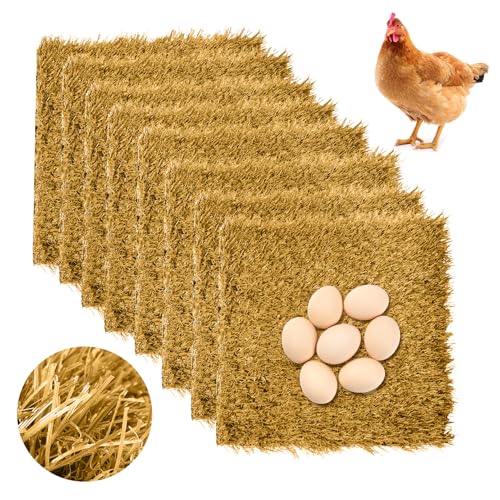
Realistic Turf Nesting Pads Mat: Laying hen nest box turfs are made of quality synthetic PE material, these grass mats feature the look and feel of real grass. Nesting pads are built to withstand regular use, add a colorful addition to your chicken coop and brings springtime

SUSTAINABLY SOURCED: The aspen used for our nest box pads are sourced only from forest product companies that are members of the Sustainable Forestry Initiative program.
Can Chickens Find Protein While Digging for Dirt?
Why does your flock keep tearing up the yard like they’re searching for buried treasure? You’re watching them scratch furiously, wondering if it’s just mischief. Actually, they’re hunting dinner. Their foraging instincts drive them to uncover worms, beetles, and larvae hidden beneath the surface. These critters pack a serious protein punch that standard feed often misses. When you let them roam, they engage in soilutrient sourcing, grabbing insects that support egg production and muscle growth. Obviously, confined birds miss out on this free buffet. Digging exposes earthworms containing up to seventy percent protein, which is essential during molting. If you see feather eating, they’re likely deficient. Letting them dig solves that naturally. So, give them space to scratch. It’s the smartest way to boost their diet without buying extra supplements. Your hens will thank you. To maintain this free protein source year-round, you should turn over the soil weekly with a shovel or hoe to expose fresh bugs and worms.

Premium Quality Chicken Treats: Specially formulated, high-quality chicken snacks for laying hens, ensuring only the best for your pet chickens
Protein for Feathers and Eggs: With 50% protein and 32% fat, dried meal worms provide the amino acids known to grow feathers faster during molt. These nutrients in our chicken treats for laying hens can also act as building blocks for larger, tasty eggs
HIGH PROTEIN POULTRY TREAT – Mealworms are a great source of all natural protein.
Why Is Digging an Instinctual Behavior for Hens?
You’ve probably watched your hens kick up a storm and wondered if they’re just being destructive after finishing their protein hunt. Here’s the thing: digging isn’t mischief; it’s deep-seated biology. Even battery hens perform sham motions without dirt, proving this drive runs deeper than mere habit. You see, instinctual foraging compels them to seek fine particles for essential dust bathing. This practice removes pesky mites, distributes natural oils, and cools them down during hot afternoons. Obviously, they aren’t trying to ruin your garden; they’re maintaining health and insulation. While nesting hierarchy dictates who bathes first, the whole flock joins in, strengthening social bonds through shared communal pits. They need this for thermoregulation and parasite control, plain and simple. So, don’t fight their nature. Instead, provide a designated sandy spot. It saves your lawn and keeps your girls healthy, happy, and bug-free. Groups of two to six chickens often share a single hole to perform this natural dust bath together.
How to Stop Chickens From Digging Under Fences
Stop chasing your hens down every time they tunnel under the fence line, because let’s be honest, you didn’t sign up for a full-time excavation supervisor gig. You need real solutions now. Start by burying wire mesh twelve inches deep, curving it outward to block those determined claws. Obviously, gaps invite trouble, so seal every inch tightly. For heavy-duty protection, install concrete footings or wrap your chain-link with galvanized hex fencing. Don’t forget your gates; weak latches ruin everything. Consider adding gatenetic fencing to secure those tricky entry points effectively. If rocks are lying around, use them! Creating Rock barriers over buried mesh weighs everything down, stopping shifts instantly. Electric wires near the base also deter persistent diggers without hurting your flock. To further secure the perimeter, you can attach chicken wire at a 90° angle beneath a wooden lip to prevent climbers and diggers alike. This approach saves your sanity and keeps chickens safe. Choose these methods today, and you’ll finally enjoy your backyard without constant repairs.

Flexible Large Size: Ideal for covering both small and large areas, this wire netting offers ample length and width. Easily cut and shape it to your desired size for a variety of applications, whether for fencing, enclosures, or crafting projects, ensuring complete customization and convenience.

Large Wire Mesh Roll: This package includes one roll of chicken wire fencing measuring 60 inches x 200 feet. The generous size offers plenty of material for a variety of uses such as fencing, gardening, and animal enclosures, making it a practical choice for farmers and gardeners.
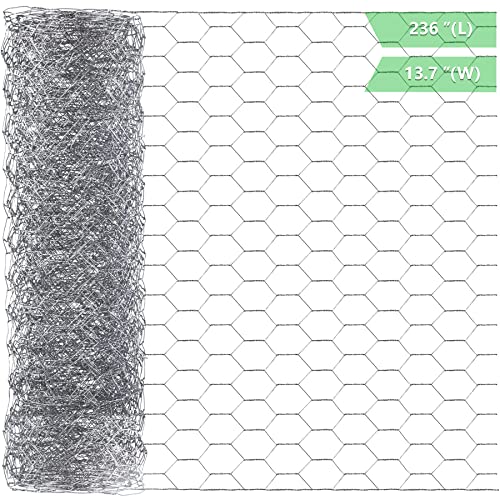
【Large Size】Each mesh is 13.7 inch (width) x 236 inch (length) / 0.35 m x 6 m, 0.8 x 1.38 inch mesh. Wire fencing is long and wide enough to enable you to cut off any shape that you need
Where to Build Safe Dust Bath Areas for Your Flock
Since you’re already tired of patching fence holes, let’s talk about giving your hens a legal spot to dig so they leave your perimeter alone. You’ll want smart dust bath placement in dry, partially shaded spots near the coop but away from heavy traffic. Obviously, muddy pits ruin the fun, so pick well-drained ground. Now, consider your substrate composition carefully. Mix loose sand with soil, then add diatomaceous earth and wood ash to fight parasites naturally. Avoid clay; it compacts too easily. Build your bath at least three by three feet and six inches deep so everyone fits without squishing. Install hardware cloth underneath to stop sneaky predators from digging up from below. Rake it weekly to keep it fresh. This setup saves your fence and keeps your flock happy. Go ahead and build one today; your chickens will thank you.

Their Daily Self-Care Ritual: dust bathing is how hens keep their own skin and feathers in shape — this fine zeolite powder works deep into plumage to lift away extra oil, dirt, and moisture.

THE PERFECT CHICKEN DUST: Lixit chicken dust gives your flock the ultimate care with our high-quality dust bath. This dust is designed to promote healthy skin, feather maintenance and keeping your chicken’s pest free. Chicken dust is perfect for coops especially when there is limited dry soil available.

Use Pampered Chicken Mama Herbal Dust Bath in your coop or chicken run by adding to dust bath areas. Combine with nesting herbs in a large bin for cooped hens and roosters. Add to your flock’s favorite dust bath spot weekly for best results.