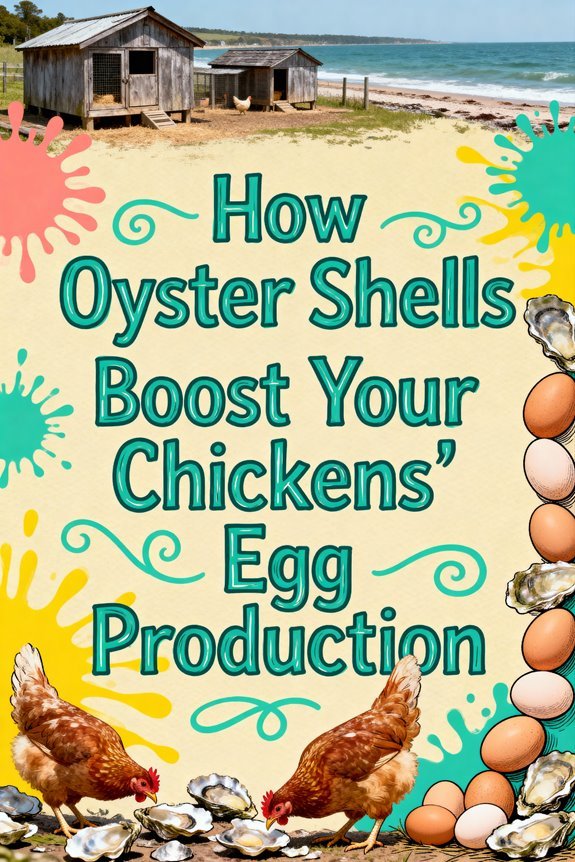
Oyster shells provide your laying hens with essential calcium carbonate that’s vital for eggshell formation, requiring 2 grams of calcium per egg. Your chickens need 4-6 times more calcium than non-laying birds, and oyster shells offer excellent bioavailability compared to synthetic alternatives. By offering free-choice access to coarse shells (1/8 to 3/8 inch), you’ll support ideal shell strength and consistent production. Understanding the science of calcium absorption and timing can maximize your flock’s laying potential.
The Science Behind Eggshell Formation
The formation of eggshells represents a complex biomineralization process occurring within a hen’s oviduct. During this 18-24 hour process, your hen’s body orchestrates a precise sequence of events in which calcium carbonate crystallizes around mammillary protrusions to create the shell’s structure.
The calcification process begins after the egg’s journey through the magnum and isthmus, where it receives its albumin and membranes. In the shell gland, approximately 2 grams of calcium from your hen’s bloodstream combine with carbonate ions to form the primary shell component. The resulting shell strength depends on the efficient crystallization of calcite and the incorporation of organic materials like proteins and lipids. This intricate process requires ideal nutrition, particularly calcium and vitamin D3, to guarantee robust shell formation. Providing large particle calcium like oyster shells ensures a slow, steady overnight release that supports both eggshell formation and bone health. During the shell gland phase, pigment deposition occurs, determining the final color of the eggshell. Hens can self-regulate their intake of calcium supplements like oyster shell, adjusting consumption based on their individual needs for egg production.
Why Your Laying Hens Need Extra Calcium
Laying hens’ extraordinary calcium requirements stem from the metabolic demands of daily egg production. Your hens need 4-6 times more calcium than non-laying chickens, with modern hybrids producing over 320 eggs annually. During shell formation, calcium is deposited at rates of 100-150mg per hour in the final 15 hours before laying.
Your birds’ daily calcium intake must account for significant losses: of 4g consumed, only 3g becomes available for egg formation, with the remainder lost through excretion or bone storage. To maintain proper nutritional balance, your hens require reliable calcium sources to sustain blood calcium levels of 20-30 mg/dL. Without sufficient dietary calcium, you’ll observe increased thin-shelled or cracked eggs, as eggshell quality correlates directly with calcium intake up to 4.7% in feed. This problem becomes more severe as hens age, with intestinal calcium absorption declining by up to 50% by week 40 of production. A complete layer feed should contain 2.75-4.1% calcium alongside essential vitamins and minerals to support both egg production and overall health. Oyster shell grit serves a dual purpose by providing both calcium for eggshells and supporting proper nutrient absorption in the digestive system.
Benefits of Oyster Shell Supplements
Supplementing your hens’ diet with oyster shells delivers exceptional calcium bioavailability, as birds absorb this natural form more efficiently than synthetic alternatives. In nutritional comparison studies, oyster shell calcium demonstrates superior qualities, being primarily calcium carbonate – the exact compound needed for eggshell formation.
Your feeding strategies should include free-choice oyster shell access, enabling hens to regulate their calcium intake throughout the day. Little Farmer Products® ensures premium quality supplements for optimal results. This approach guarantees sustained calcium availability during nighttime shell formation while preventing bone calcium depletion. The benefits extend beyond shell quality, supporting essential muscle contractions, nerve signals, and immune function. Adequate calcium is crucial because hens deficient in calcium will draw from their bones, leading to skeletal problems and compromised health. You’ll observe enhanced eggshell thickness, reduced abnormalities, and improved overall egg quality. Additionally, your flock will maintain stronger skeletal structures and display better mobility, directly contributing to consistent laying patterns and enhanced productivity.

Essential Calcium Supplement: Pecking Order Oyster Shell is a rich source of calcium, crucial for the development of strong and sturdy eggshells. Adequate calcium intake helps prevent common issues like thin or brittle shells, ensuring your eggs are consistently high quality.

Superior calcium from Oolitic Aragonite: Provides high-quality calcium sourced from naturally occurring Oolitic Aragonite for optimal poultry nutrition

Optimal Health and Egg Production - Enriched with 16% protein from organic grains, this feed provides a balanced and complete diet for laying chickens and ducks, promoting growth and nutritious, supports strong eggshells
Best Practices for Feeding Oyster Shells
Implementing proper oyster shell feeding practices maximizes calcium absorption while preventing potential health complications in your laying flock. For ideal oyster shell presentation, you’ll need to provide coarse, commercially prepared shells in a separate container from regular feed, allowing hens to self-regulate their calcium intake. Position clean feeders in accessible locations and maintain consistent availability year-round.
Your feeding frequency should be continuous rather than intermittent, as egg production requires steady calcium replenishment over the 25-hour formation cycle. Don’t mix shells directly into feed, as this risks overconsumption by non-laying birds. You’ll need to offer grit separately, as it serves a different digestive function. Monitor your flock for signs of calcium imbalance, such as shell quality changes or reduced egg production, and adjust accordingly. Just as you carefully select layer feeds formulated for egg production, choosing quality oyster shells ensures your hens receive optimal calcium supplementation. Laying hens require approximately 4 grams of calcium daily to produce strong eggshells and maintain optimal health.

The package dimension of the product is 3.3cmL x 3.3cmW x 10.2cmH

CALCIUM SUPPLEMENT: Major Oyster Shell Calcium 500 mg with Vitamin D3 5 mcg is a calcium supplement. Adequate calcium and vitamin D throughout life, as part of a well-balanced diet, may reduce the risk of osteoporosis.
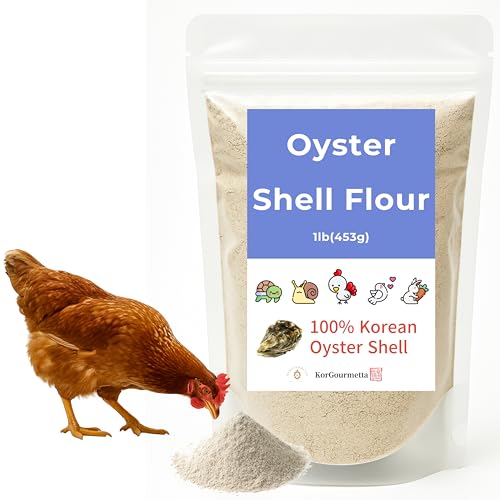
Finely Ground Oyster Shell Flour – Processed to a soft, flour-like texture that mixes well with common animal feed systems.
When to Start Offering Oyster Shells
As your pullets approach 18 weeks of age, you’ll need to introduce oyster shells to support their imminent egg production needs. The ideal oyster shell timing coincides with the onset of laying, as hens require substantial calcium for eggshell formation, comprising 94-97% of the shell’s dry weight.
You’ll want to provide continuous access to oyster shells in a separate feeder, allowing your hens to self-regulate their calcium intake based on their physiological needs. This timing is important, as it prevents calcium depletion from their bones and supports consistent egg production. While chicken age determines initial supplementation, you must maintain year-round availability, even during reduced laying periods. This proactive approach strengthens bones, enhances immune function, and guarantees top cardiovascular health throughout your hens’ productive lifecycle. In fact, laying hens require such significant calcium that they can use 20 times the calcium stored in their bones during just one year of egg production.
Each egg requires approximately 2 grams of calcium for proper shell formation, making consistent oyster shell availability critical for maintaining strong, well-formed eggshells throughout the laying cycle. When transitioning to laying age, ensure your hens receive a balanced layer feed containing 16-18% protein alongside the oyster shell supplementation to meet all their nutritional requirements.
Signs of Calcium Deficiency in Chickens
Recognizing calcium deficiency symptoms in your chickens requires careful observation of both physical and behavioral changes. You’ll notice deteriorating egg quality first, with thin or malformed shells displaying wavy lines and unusual textures. Reduced egg production often follows, accompanied by bone weakness and skeletal deformities. The average eggshell requires 2.2 grams of calcium to form properly.
Watch for behavioral indicators like egg-eating and excessive feather pecking as your hens attempt to find calcium sources. In severe cases, you’ll observe signs of hypocalcaemia including panting, wing spreading, and paralysis. Growing birds may develop rickets, characterized by enlarged joints and rubbery bones, typically appearing between 10-14 days of age. Advanced calcium deficiency can lead to cage layer fatigue syndrome, causing leg weakness and potential vertebral fractures, particularly in high-producing hens.
Choosing the Right Oyster Shell Products
To combat calcium deficiency in your flock, selecting the correct oyster shell products becomes a science-driven decision. When comparing oyster shell sources, evaluate particle sizes ranging from 1/8 to 3/8 inch for crushed varieties, or choose finely ground flour options based on your feeding strategy. Made in USA products ensure strict safety standards and reliable quality control.
Product comparisons should focus on calcium content, with flaked shells providing minimum 36% calcium levels. You’ll find heat-treated options that eliminate pathogens while maintaining purity. Consider delivery methods: free-choice feeding allows hens to self-regulate, while mixed rations incorporate 3-5% shell content. These supplemental calcium sources enable hens to regulate their intake for eggshell strength, which is especially critical for maintaining consistent egg quality. For ideal results, verify the guaranteed analysis and processing standards of your chosen product. If you’re managing a small flock, 5-10 lb bags suffice, while commercial operations benefit from 50 lb bulk options.

OMRI Listed - Cz Oyster Shell Flour is an All-Natural mineral listed by the Organic Materials Review Institute (OMRI). It may be used in certified organic production or food processing and handling according to the USDA National Organic Program regulations.

May improve the hardness and durability of egg shells

PROMOTES BONE HEALTH: Calcium is essential for maintaining strong and healthy bones. Regular intake of Gericare Oyster Shell Calcium helps prevent bone loss, reduces the risk of fractures, and supports bone density, especially important for aging adults and those at risk of osteoporosis.
Cost-Effective Calcium Management
While oyster shells provide superior calcium content at 38% calcium carbonate, their cost runs approximately double that of limestone alternatives. When conducting a cost comparison, you’ll find that feed expenses represent 60-70% of total egg production costs, making your calcium source selection essential for profitability.
Separate feeding prevents overconsumption and wastage in mixed flocks while allowing full nutritional benefit. To maximize your economic analysis, implement a free-choice feeding system rather than mixing shells into regular feed. This approach prevents overconsumption and allows hens to self-regulate their calcium intake. You’ll optimize utilization by providing 2-4mm particles, which dissolve slowly and align with overnight eggshell formation. The investment in quality oyster shells often pays off through reduced egg losses, fewer skeletal issues, and extended laying lifespans. Calcium deficiency can lead to thin or soft eggshells, reduced egg production, and more serious health problems including bone weakness and fractures. By preventing health problems and improving shell quality, you’ll achieve better long-term cost efficiency despite higher initial expenses. Supplementing with natural sources like oyster shell can be particularly valuable during molting or winter when egg production may decline.
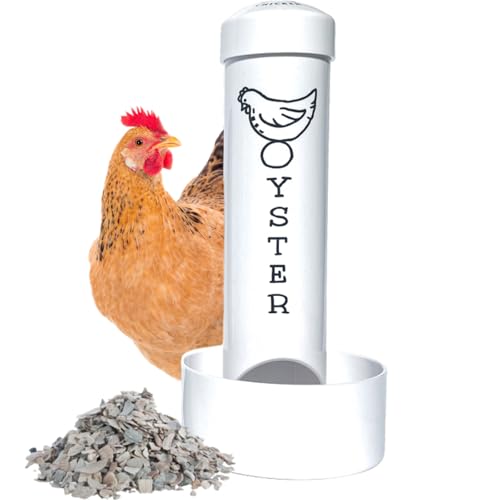
May improve the hardness and durability of egg shells

Natural Calcium for Molting Support: Provides bioavailable calcium to assist with exoskeleton development and recovery before and after molting
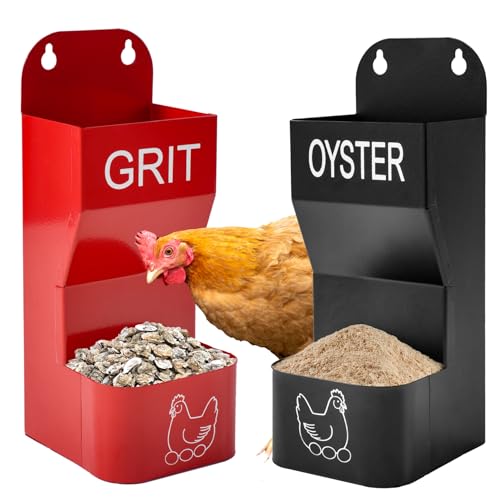
Effortless, Long-Lasting Feeding: Upgrade your poultry care with our heavy-duty Metal Chicken Feeder, designed to hold 15 days’ worth of feed for up to 6 chickens! Its gravity-fed mechanism ensures a steady, automatic flow of chicken grit, oyster shells, or grain—eliminating daily refills while keeping feed clean and dry
Maintaining Strong Bones and Healthy Layers
Because calcium mobilization primarily affects leg bones during egg production, maintaining adequate oyster shell supplementation proves critical for preventing skeletal deterioration in laying hens. You’ll notice improved bone strength when providing coarse oyster shells (2-4mm), as they enable slow-release calcium absorption during nighttime eggshell formation. This sustained calcium availability prevents your hens from depleting their skeletal reserves. The shell formation process requires approximately 20 hours to complete in the hen’s uterus.
To optimize layer health, offer oyster shells separately from feed, allowing your chickens to self-regulate intake based on their physiological needs. High-quality layer feeds typically contain 3-4.5% calcium to support healthy egg production and bone maintenance. This supplementation strategy strengthens their immune system function while reducing osteoporosis risk. You’ll see fewer fractures and enhanced mobility in your flock, leading to improved longevity and sustained egg production. The investment in high-quality oyster shells (36-41% calcium content) directly supports your hens’ long-term productivity. When providing protein treats like cooked turkey meat, ensure they’re given in moderation as part of a balanced diet to maintain optimal nutrition alongside calcium supplementation.

Bone Health Support: Designed to help support strong bones and teeth.

100% Natural Calcium Source: Pure crushed oyster shells provide essential calcium carbonate to support your isopods' nutritional needs without artificial additives or fillers
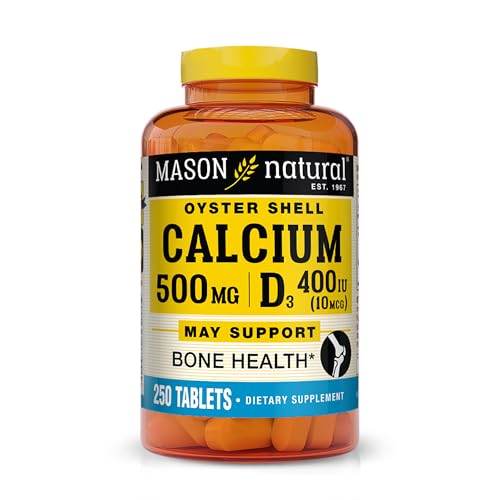
DAILY SUPPORT: For adults to take 1 tablet daily, preferably with food, as a dietary supplement and a great natural source of dietary calcium