Choose nesting pads that combine comfort, durability, and hygiene for your chicken coop. You’ll want moisture-wicking materials like aspen or hemp that measure 12″ x 12″ with 1-2.5″ thickness for the best egg protection. Consider washable options with antimicrobial properties to reduce maintenance while preventing disease. Natural materials satisfy hens’ scratching instincts and guarantee proper ventilation. While initial costs vary, investing in quality materials yields long-term benefits for your flock’s health and productivity.
Understanding Different Nesting Pad Materials
When selecting nesting pad materials for your chicken coop, you’ll need to weigh the specific advantages and limitations of each option to optimize both hen comfort and egg protection.
Aspen pads offer biodegradable, moisture-controlling properties with natural softness, while rubber pads excel in durability but lack warmth and absorbency. Plastic pads, though budget-friendly, compromise on stability and cushioning. Pine shavings provide affordable, absorbent bedding with effective odor control, available in fine flakes ideal for nesting boxes. While straw bedding appears attractive, it’s prone to displacement and offers minimal egg protection. Hemp bedding demonstrates superior absorption and odor control but comes at a premium cost. Artificial grass can be repeatedly used but requires extra attention since it tends to be hard to clean thoroughly. Consider combining materials strategically – for instance, using rubber pads as a base layer with pine shavings on top to maximize comfort and practicality.

Tear-Resistant Coconut Coir: Our thick nest box pads are made from soft and durable coconut coir. Compared to Aspen, coconut coir nesting pads for chickens are more tear-resistant, and less hassle compared to reusable pads, as you don't have to clean them

Washable & Reusable. Designed to last through repeated use, helping reduce waste and the need for frequent replacement.

Key Features of Effective Nesting Pads
Building upon the selection of materials, specific features determine a nesting pad’s effectiveness in your chicken coop setup. You’ll want to focus on ideal pad size, typically 12″ x 12″ square, ensuring your hens have adequate space to nest individually. Nesting pad thickness should range between 1 to 2.5 inches, providing sufficient cushioning to protect eggs from breakage.
Your nesting pads should offer a soft, cozy feel that encourages natural nesting behavior. You’ll achieve better results by selecting pads with proper moisture-wicking capabilities and antimicrobial properties to maintain hygiene. Consider adding a layer of straw or hay to enhance comfort and satisfy your hens’ instincts. Straw’s hollow stems trap warm air, providing excellent insulation and cushioning that keeps both chickens and eggs comfortable. Look for pads that you can easily clean and maintain, ideally with features like increased open space to minimize dirt accumulation. Modern nest pad designs like AstroTurf® NXT feature 40% more open space compared to classic versions, significantly reducing debris buildup and maintenance needs. When selecting nesting pads, prioritize options that help keep feed dry and clean, as moisture control is essential for maintaining a healthy coop environment.

Upgraded Materials: chicken nest pads are made of quality synthetic plastic grass and good backing material; The chicken nesting pads adopt synthetic plastic grass material, bright green color won't fade easily, reliable and sturdy, with TPR glue backing, easy to clean, breathable and easy to dry, convenient for pet nest mat use
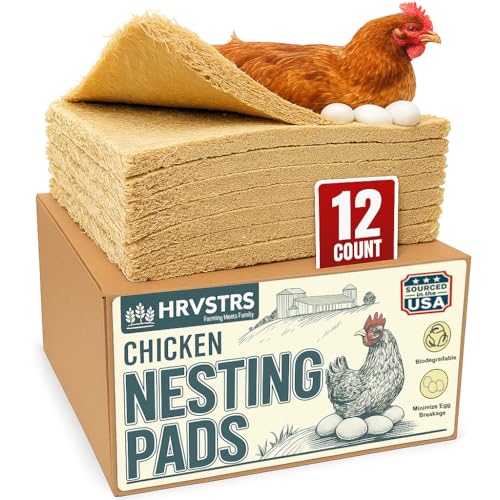
STOP SCRUBBING, START GATHERING – Stop wasting your mornings washing manure and mud off your eggs. Our moisture-wicking aspen fibers allow droppings to fall through while keeping your eggs clean, dry, and ready for the carton. These fit in a 12 x 12 nesting box perfectly!

HIGH-QUALITY PLANT FIBER - Our chicken nesting pads are made of high-quality coconut yarn using a pin cushion process. They are 7mm thick and have a thick yet soft texture that provides a cushion to the eggs laid by the hen, thus protecting the integrity of the eggs.
Maintaining Cleanliness and Hygiene
Maintaining pristine hygiene in your chicken coop’s nesting areas requires a systematic approach to cleaning and sanitization. You’ll need to implement daily cleaning routines, removing soiled bedding and replacing nesting pads every 2-4 months. For effective pest control, apply natural essential oil sprays containing lavender, peppermint, or rosemary to deter mites and insects. Add First Saturday Lime before laying fresh bedding to ensure proper sanitization and odor control.
Choose moisture-wicking, biodegradable nesting materials that allow proper air circulation while preventing bacterial growth. Install wire mesh covers to minimize bedding contamination and control pest access. You’ll want to neutralize odors using vinegar-based cleaners and maintain adequate ventilation to reduce moisture buildup. For broody hens, utilize removable blockers and dedicated nest boxes to isolate potential contamination sources. Compost used bedding materials to manage waste efficiently while maintaining environmental cleanliness.
Ensuring Hen Comfort and Safety
To create a secure and comfortable nesting environment, you’ll need to contemplate both the physical and behavioral needs of your hens. Consider that natural hen behavior includes scratching and manipulating nesting materials, so incorporating loose bedding alongside pads can satisfy these innate nesting instincts.
Select appropriately sized pads that match your nesting boxes and breed requirements. For larger breeds like Orpingtons, guarantee full body support with properly fitted pads measuring at least 12″x12″. Choose materials that prioritize both comfort and safety – aspen fiber pads offer natural cushioning while maintaining proper air circulation, whereas plastic options excel in sanitation but may feel less natural to your flock. The USA grown aspen material ensures sustainable and responsible sourcing for environmentally conscious chicken owners. Monitor your hens’ interaction with new materials and adjust placement to prevent dislodging while maintaining easy access for laying. When providing treats to your flock, avoid offering items with sharp fragments that could cause internal injuries or digestive blockages. Additionally, ensure your chickens have access to insoluble grit when feeding kitchen scraps or scratch grains, as they need these small stones to properly grind food in their gizzard for optimal digestion.

Coop Pack contents: Includes 24 individual nest pads in two wrapped 12-packs; open one bundle at a time and keep the other wrapped until needed

Coop Pack XL contents: Includes 36 individual nest pads in three wrapped 12-packs; open one bundle at a time and keep the remaining packs wrapped until needed

NEST BOX LINER: Excelsior Nest Box Pads Were Developed for Use in Nest Boxes to Provide Comfort for Laying Hens and Padding for Freshly Laid Eggs
Maximizing Egg Protection and Collection
When setting up effective egg collection systems, you’ll need to implement multiple protective measures that work in concert to safeguard your flock’s precious output. Design your nest boxes with sloped floors and single-entry openings to prevent overcrowding and minimize breakage. Install external access points for convenient egg collection while reducing hen disturbance. Fluffy grass inserts can provide a natural, comfortable environment that encourages consistent laying patterns.
Position nest boxes strategically below roost areas but protected from droppings, and guarantee one box services no more than 3-4 hens. Incorporate roll-away designs with protective barriers that guide eggs to secured collection zones. Select durable, easy-to-clean materials like galvanized steel, and maintain fresh bedding to cushion eggs and deter contamination. Consider installing automatic roosting bar systems to prevent overnight occupation of nesting areas, further safeguarding your eggs from damage. Ensure your nesting boxes measure approximately 12″x12″ for standard breeds to provide adequate space for hens to turn around comfortably without allowing multiple birds to crowd a single box. Mount boxes at approximately 18 inches high from the coop floor to ensure easy access for both your hens and daily egg collection.

Made in the USA: American-made and designed to support local food and small-scale farms, this 2-tier 6-hole brooder box offers a safe, quiet, & compact laying spaces for up to 30-40 brooding hens

Made in the USA: American-made and designed to support local food and small-scale farms, this 2-tier 10-hole brooder box offers a safe, quiet, & compact laying spaces for up to 50-60 brooding hens

Built to Last for Your Flock: Made from heavy-duty galvanized steel, this rustproof chicken nesting box stands strong against weather and wear, giving you years of reliable use so you can focus on happy, healthy hens instead of replacements
Cost-Effective Choices for Long-Term Use
Selecting cost-effective nesting materials requires careful analysis of both short-term expenses and long-term value. While rubber and plastic pads demand higher upfront investment, their long-term durability and minimal maintenance costs often justify the initial expense. You’ll find natural fiber options like hemp and excelsior strike an ideal balance, offering reusability for multiple seasons with proper care. Traditional plastic pads provide excellent protection against pest infestations while remaining easy to sanitize.
Though shavings and straw present the lowest initial costs, you’ll need to factor in ongoing replenishment expenses and increased labor. If you’re considering mixed materials like carpet scraps with bedding, be aware that potential sanitation issues may drive up replacement frequency. Clean nesting pads are crucial since dirty nesting conditions can lead to stress and disease that significantly reduce egg production. For maximum cost efficiency, invest in durable, washable materials that won’t require frequent replacement – they’ll reduce your maintenance costs while providing consistent comfort for your hens. Just as selecting premium complete feeds ensures optimal nutrition and long-term health for your flock, choosing quality nesting materials delivers better value over time.
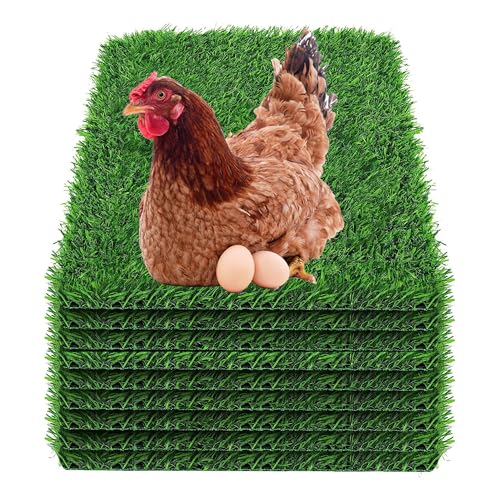
【 Product Size 】 Our Nesting Pads for Chicken Coop have a size of 13in * 13in, and the length of the grass is 1in, which conforms to the internal dimensions of most chicken nesting boxes.

Better Hen Comfort - These silicone chicken nesting pad is super soft, making hens happy and helping them lay more eggs. Each nesting box pad feels like nature, keeping hens calm. Give your hens these easy-to-love nesting box pads for chickens for a happier coop.

Better Hen Comfort - These silicone chicken nesting pad is super soft, making hens happy and helping them lay more eggs. Each nesting box pad feels like nature, keeping hens calm. Give your hens these easy-to-love nesting box pads for chickens for a happier coop.
Environmental Impact and Sustainability
As environmental consciousness grows within poultry farming, your choice of nesting materials can greatly impact both sustainability and ecological footprint. When selecting nesting pads, consider hemp-based options, which offer superior environmental benefits through complete biodegradability and minimal resource consumption during production.
You’ll find sustainable sourcing particularly important in reducing your farm’s carbon footprint. FSC-certified lumber and locally sourced materials like rice hulls minimize transportation emissions while supporting regional economies. Hemp nesting pads excel in sustainability metrics, requiring minimal water and land resources while providing natural pest resistance. The pads’ unique ability to retain body heat makes them especially energy-efficient in winter months. When combined with closed-loop farming practices, these materials create valuable compost that enriches soil quality. For best environmental impact, select certified materials with biodegradable packaging, ensuring your poultry operation maintains the highest ecological standards. Consider incorporating dried herbs like oregano into your nesting materials to provide natural antibiotic and anti-parasitic properties that support chicken health while maintaining eco-friendly practices. Additionally, sustainable nesting materials should support proper ventilation to maintain healthy coop conditions and prevent moisture buildup that can compromise both hen health and material longevity.