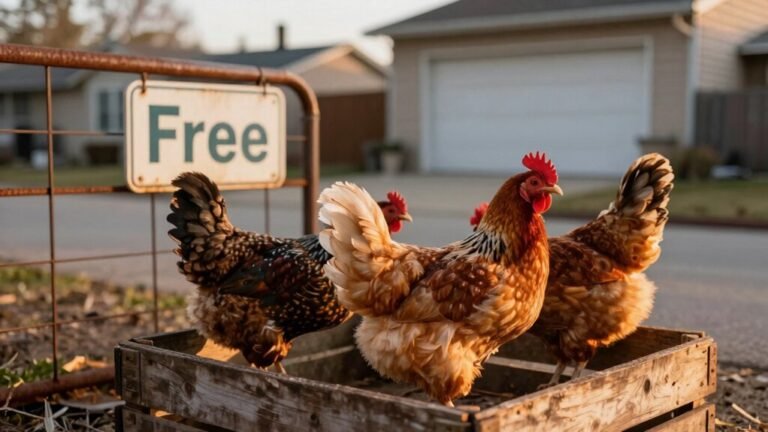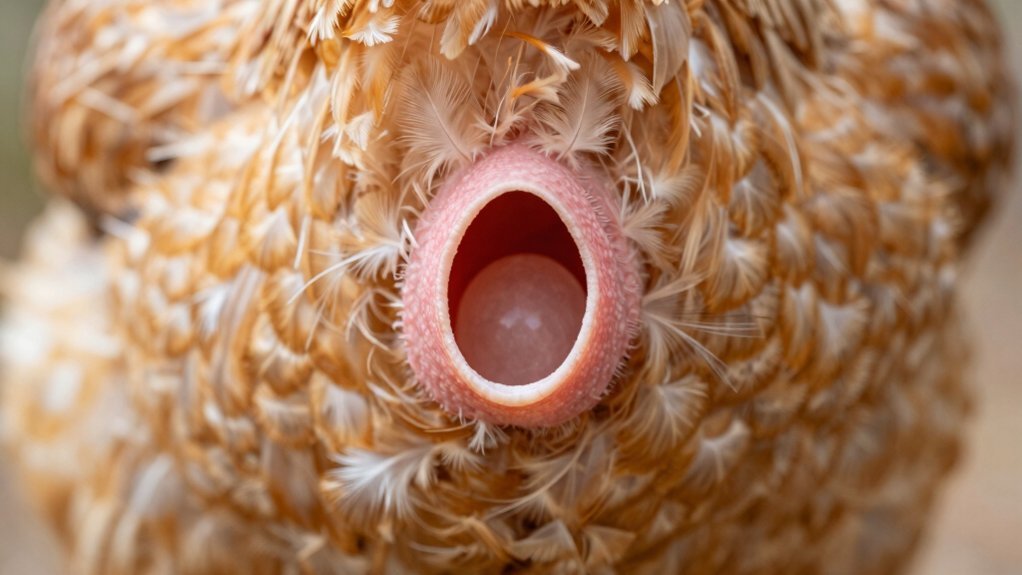
You’re right to wonder if a chicken’s “butthole” lets the egg out, but actually the egg exits through a single opening called the vent, which is part of the cloaca—a shared exit for waste, urine, and eggs. The cloaca’s internal compartments keep the reproductive tube separate from the digestive tract, so a muscle‑driven eversion closes the fecal passage while the egg passes cleanly. The shell’s bloom then seals the pores, keeping the egg safe; keep reading to see how the egg forms and why the vent stays clean.
Short Answer: Eggs Leave the Vent, Not a “Butthole
You’re probably wondering why people call a chicken’s “butthole” when they really mean the vent. Here’s the thing: chickens evolved a single cloacal opening that serves both reproductive and waste functions, so there’s no separate “butthole” for eggs. The oviduct deposits the egg into the cloaca, then the vent expels it while the digestive tract stays shut, keeping the shell clean. Egg structure includes a protective bloom that further shields against contamination. Obviously, this design reflects chicken evolution toward efficiency—one exit, multiple jobs. During mating, the rooster transfers sperm through this same opening via cloacal contact to fertilize the ovum before the shell forms. Maintaining vent cleanliness is crucial for preventing serious health issues caused by poor hygiene. Fertilization specifically occurs when sperm penetrates the yolk in the infundibulum part of the oviduct before the egg develops further.
Why does the vent matter?
Because the cloaca shifts during laying, the egg avoids fecal contact, preserving its quality.
Takeaway: Eggs leave through the vent, not a distinct anus. Next, explore how the cloaca also handles waste.
What Is the Cloaca and How It Serves as a Chicken Egg Exit?
What’s puzzling you is why chickens have just one rear opening for everything. The cloaca is that single orifice—an anatomical adaptation that merges digestive, urinary, and reproductive tracts into one vent. You’ll see the egg travel from the oviduct into the cloaca, while waste follows separate internal channels, keeping the two streams apart. Breeds like the Barred Plymouth Rock are docile and excellent layers, making them ideal for beginners who want to observe this natural process.
Now, the cloaca expands like a balloon just before laying. Muscular contractions push the egg through the vent in a swift, clean motion. You can picture it as a traffic roundabout where cars (eggs) and trucks (waste) use different lanes but exit the same gate. During this process, the hen’s vagina everts to prevent contamination of the eggs by feces. Unlike mammals, chickens rely on muscular control rather than a sphincter to manage these distinct functions within the shared chamber.
All right, the key takeaway: the cloaca’s design lets you lay a fresh egg without any contamination. The cloaca also serves as the sole exit for reproductive material and Next, you might wonder how the egg forms inside the hen.
Step‑by‑Step: How a Chicken Egg Forms Inside the Hen
The cloaca’s balloon‑like expansion lets the egg exit cleanly, but you’re probably wondering how that egg is actually built inside the hen first. This design ensures the egg passes without touching waste, preventing bacterial contamination on the shell surface. Egg production is a continuous process that begins only when hens reach maturity age.
What starts the process?
You begin with ovary development. The left ovary holds a “bunch of grapes” of immature yolks. When you reach 16‑24 weeks, a mature yolk detaches during ovulation, marking yolk maturation.
How does the yolk get its layers?
The yolk slides into the infundibulum, where fertilization could happen, then moves into the magnum. Here albumen forms in concentric layers, and spinning creates chalazae that hold the yolk centered.
What adds the shell?
Next, the isthmus deposits two thin membranes around the albumen. In the shell gland (the uterus), water and calcium carbonate inflate the egg and harden the shell over 20‑21 hours, adding pigments and a protective cuticle. The entire journey through the oviduct tube takes about 24 hours before the egg is finally laid.
Takeaway:
You now see each step from ovary development to final shell. Ready to learn how the egg travels through the hen’s tract? The shell formation takes roughly 20 hours.
How Does an Egg Move Through the Hen’s Reproductive Tract?
Understanding how the egg moves within your hen clarifies the puzzle of why it takes a full day to emerge. You question where that yolk goes after the ovary releases it. Here’s the fact: the infundibulum catches the yolk in about fifteen minutes, then the magnum adds albumen for three hours, while the isthmus builds membranes in one hour. All right, the shell gland (or uterus) spends twenty‑one hours depositing calcium and pigment, maintaining temperature control steady so the shell hardens correctly. The hen sources most of this essential calcium carbonate from her diet to ensure the shell forms with adequate strength. Providing large particle calcium separately allows hens to regulate their intake for slow release during the night when the shell is forming. Finally, the vagina gives the egg a quick rotation, and the cloaca lets the fresh egg exit. Unlike mammals that use mammary glands for nursing, hens rely entirely on this multi-part oviduct to produce eggs without lactation. Takeaway: the egg moves through five sections, each with a specific time and function, and egg rotation and temperature control guarantee a perfect lay. Ready to learn why the vent stays clean?
Why Chicken Eggs Never Mix With Feces While Leaving the Vent?
You’re probably wondering why the egg that just left your hen’s vent never ends up covered in poop. The cloaca’s internal compartments keep the reproductive and fecal tracts separate, so the egg slides through a clean channel while waste stays locked away.
How does the vent stay clean?
Now, internal muscle coordination triggers a temporary fecal tract closure the moment the egg reaches the vent. The egg itself blocks the opening, and the cloacal tissue everts, exposing only reproductive lining. This eversion presses against the intestinal opening, preventing any poop from touching the shell. The cloaca also serves as a common collection chamber for multiple waste types. Just as chickens rely on a powerful gizzard to grind food without teeth, their internal anatomy relies on precise timing to keep eggs pristine. While the lower tract manages this separation, the upper digestive system utilizes a sac-like storage organ called the crop to hold and begin breaking down food before it moves further along. Since diet significantly influences excretion frequency, understanding what creates white urates helps farmers distinguish normal waste from potential health issues during coop maintenance.
What’s the result?
Obviously, the timing and anatomy mean the egg exits spotless; any dirt you see later comes from the nest, not the laying process.
Takeaway: The hen’s design isolates egg and waste, so you can trust a freshly laid egg is clean. What will you check next—nest hygiene or egg handling?
What Is the Protective Bloom and How It Keeps Eggs Clean?
You’re probably wondering why that glossy, almost invisible coat on an eggshell matters. The bloom, or cuticle, is a thin, translucent layer of glycoproteins and lipids that the hen deposits in the last hours of egg formation. It’s water‑soluble, so it dries quickly after laying, sealing thousands of microscopic pores and locking in moisture.
Here’s the thing: that seal blocks bacteria, fungi, and dust, acting as both a physical and chemical shield. When you keep eggs unwashed, you preserve the bloom; washing strips it away, exposing the shell to contaminants. That’s why bloom preservation methods—like clean nests and prompt collection—extend freshness, especially at room temperature. If the egg is visibly soiled, using warm water prevents bacteria from being pulled into the egg through its pores during cleaning.
All right, remember: the bloom’s water‑solubility effects mean it’s fragile yet essential. Keep it intact, and you get a cleaner, longer‑lasting egg. Next, you might wonder how storage temperature interacts with this natural coating.
Common Myths About How Chickens Lay Eggs Debunked
If you’ve ever wondered why people claim eggs “come out of the butt,” you’re not alone—many myths swirl around the chicken’s anatomy.
Does the egg share the same exit as poop?
You’ll see the cloaca, a single vent, handles waste and eggs. The egg travels through the oviduct, not the gut, and the cloaca everts to keep feces away. Obviously, the vent isn’t a but anus.
Is the egg contaminated during laying?
The bird’s internal rearrangement separates egg and waste, so contamination comes from the environment, not the laying process. Ethical farming practices and strict egg regulations focus on clean nesting, not internal anatomy.
Do chickens have separate “egg holes”?
No. One external opening serves three systems, coordinated by muscles and timing. The process is a finely tuned sequence, not a crude push‑out.
Takeaway: Chickens lay through the cloaca, not a butthole, and proper handling—not anatomy—keeps eggs safe. Ready to explore how to keep those eggs clean? It is also important to remember that hens do not need roosters to lay eggs, as they will produce them regularly on their own once mature and healthy. These unfertilized eggs will never develop into chicks unless a rooster mates with the hen to provide fertilization. While the reproductive system handles egg production, the chicken’s distinct appearance is partly due to complex tail feathers that vary significantly between hens and roosters.
Practical Tips for Keeping Your Eggs Clean and Safe
Usually the biggest confusion is whether you need to wash every egg you collect. The Hygiene importance is clear: keep nesting boxes dry and tidy, one box per four hens, and use kiln‑dried pine shavings. Daily cleaning removes feathers, poop, and debris, so you avoid dirty eggs and protect Clean feed from contamination. Positioning boxes 18 to 20 inches above the floor balances hen accessibility with protection against egg contamination and damage. Now, collect eggs promptly. Picking them each morning cuts exposure to wet bedding and hen feet, preserving the natural bloom and reducing breakage. Early collection also means you rarely have to wash, which keeps the cuticle intact and extends shelf life. Here’s the thing: if an egg is visibly dirty, rinse it with warm water (90‑120 °F) and a soft brush, then dry it thoroughly before refrigeration at 35‑40 °F. Store clean eggs away from dirty cartons. Use washed eggs first because they don’t last as long. Takeaway: clean nesting, quick collection, and minimal washing keep eggs safe. Next step? Set up a daily egg‑check routine and notice the difference.