You’re unlikely to get an egg from your hen every single day. Egg formation takes 24-27 hours biologically, and the average U.S. layer produced only 0.825 eggs daily in 2024. Environmental stressors, seasonal changes, breed genetics, and age greatly impact laying frequency. Most hens lay three to four eggs weekly under ideal conditions. Your flock’s actual output depends on multiple interconnected factors that determine realistic expectations.
The Reality of Daily Egg Production
When you’re raising laying hens, understanding their production capacity is essential. You won’t achieve one egg daily from every hen, despite common misconceptions. U.S. commercial layers averaged 82.5 eggs per 100 hens daily in 2024, translating to roughly 0.825 eggs per bird—not perfect daily consistency. Daily egg variability stems from several factors: the 24-26 hour ovulation cycle biologically limits maximum output, while lighting requirements, nutritional deficiencies, and environmental stressors greatly impact laying consistency. Additionally, rat poison risks pose a significant threat to chicken health and egg production if they ingest poisoned rodents. Your backyard hens typically produce 3-4 eggs weekly with ideal conditions, and many hens can lay eggs for up to 5 to 10 years depending on care and breed. Notably, specific chicken breeds such as the Rhode Island Red and Golden Comet are recognized for their high egg-laying productivity, making them a popular choice for consistent egg production among backyard flocks. Breeds like the Red Star are particularly known for their ability to lay up to 300 eggs annually, ideal for maximizing output. Commercial operations maintain steadier output through controlled artificial lighting and managed environments. Modern selective breeding has increased egg output significantly, enabling higher production rates than wild ancestors. Recognizing these biological and environmental constraints helps you establish realistic expectations and implement strategies maximizing your flock’s actual production potential.

【Intelligent Automation】 - Automated light control for poultry with customization schedules. 【Natural Daylight Simulation】 - Simulates natural light with a color...
Understanding the Biological Egg-Formation Cycle
Because a hen’s reproductive anatomy functions as a specialized assembly line, you’ll find that egg formation doesn’t happen instantaneously—it’s a precisely orchestrated 24–27 hour process where each oviductal segment performs distinct biochemical and structural roles. The infundibulum captures the ovulated yolk within 15–30 minutes, while the magnum deposits albumen over 3–4 hours. The isthmus forms shell membranes in 1–2 hours, and the uterus dominates the timeline, requiring 19–21 hours for calcification. This uterine stage constitutes the rate-limiting step. During shell formation, you’ll need approximately 2.0–2.5 grams of calcium deposited as calcite crystals, which underscores the significance of layer feeds as they contain increased calcium levels for optimal shell strength. Your hen’s intestines absorb two-thirds of this calcium demand, with bone reserves mobilizing the remainder. The medullary bone mobilization occurs ten times faster than cortical bone depletion, enabling rapid calcium replenishment during sustained egg production. Interestingly, the importance of calcium for shell formation is similar to how chickens rely on their hard beaks for breaking open tough seeds. Additionally, ensuring access to oyster shells as a calcium source can enhance eggshell quality and overall hen health. In addition, ensuring a diet rich in quality commercial feeds can further support your hen’s reproductive health. Despite the impressive efficiency of this biological system, external factors such as breed type can affect a hen’s overall egg-laying frequency. Oviposition timing depends on circadian rhythms, making this biological precision remarkable.
How Breed and Genetics Shape Laying Patterns
Genetics fundamentally determines your flock’s productivity—the distinction between high-output hybrids and heritage breeds reflects decades of selective breeding targeting either volume or longevity. Hybrid breeds like ISA Browns and Golden Comets achieve 250-300 eggs annually, commencing lay at 4.5 months with peak weekly output of 5-6 eggs during years one through two. These genetic influences prioritize immediate production over lifespan. Heritage breeds such as Rhode Island Reds sustain consistent 250-300 eggs yearly while maintaining longer productive careers, thanks to their dependable egg production. Breed differences extend beyond volume: Marans’ broody genetics reduce output during setting periods, while Novogens demonstrate near-daily laying with fewer pauses. Novogens’ unique genetic makeup contributes to their overall hardiness and superior performance in consistent egg production. Your breed selection directly determines laying frequency, egg consistency, and seasonal reliability, making genetic composition the primary variable shaping laying patterns.
Age and Lifecycle Changes in Hens
While breed selection establishes your flock’s genetic ceiling, age determines whether hens’ll actually reach that potential. During the pullet stage, your hens won’t lay until approximately 18–20 weeks old, when laying frequency gradually increases to peak around 25 weeks. Rhode Island Reds, for instance, are known to lay consistently starting around 5 to 6 months, which makes them a popular choice among backyard poultry keepers. Your prime laying years occur between 1–2 years old, where you’ll achieve 250–300 eggs annually at 80–90 percent production rates. Incorporating small amounts of olive oil can provide health benefits that may enhance egg production during these prime years. Additionally, it’s essential to consider daylight hours since hens typically lay more eggs when exposed to longer days. Eggshell color can also indicate the genetic traits of your hens, as different breeds lay different colored eggs.
However, hen aging considerably impacts performance. By year three, production declines to under 70 percent of first-year output. Year four drops further to approximately 60 percent. Annual molting compounds this decline, forcing hens to pause laying while regrowing feathers. During molting periods, natural laying pauses are a normal part of the hen’s reproductive cycle. At five years and beyond, expect only three to four eggs weekly, with diminishing shell quality signaling retirement around years six or seven.
Environmental Factors That Influence Laying Frequency
Beyond genetics and age, environmental conditions profoundly regulate laying frequency—often determining whether your hens achieve their breed potential or underperform substantially. Lighting conditions demand ~14 hours daily minimum; insufficient photoperiod rapidly suppresses production unless you provide supplemental lighting. It’s crucial to ensure that chickens receive 6-8 hours of darkness to support their natural rest cycle and overall health. Additionally, frequent bedding management, especially with pine shavings, can help minimize respiratory issues that may indirectly affect egg production. Temperature extremes critically impact output: ideal ranges fall between 66–72°F, while heat stress above 86°F reduces feed intake, egg size, and laying rates. Chickens thrive best in moderate temperatures, and improper heating methods, such as heat lamps, can also exacerbate temperature fluctuations that impact laying frequency. Poor ventilation quality compounds these challenges—ammonia buildup and high humidity impair thermoregulation and elevate disease pressure, indirectly depressing production. Stress factors including predator threats, sudden noises, and social disruption trigger temporary laying cessation. You’ll maximize consistent egg production by maintaining stable lighting schedules, controlling ambient temperature, ensuring adequate airflow, and minimizing environmental stressors throughout your flock’s housing system. Additionally, providing a high-quality coop that features proper ventilation plays a significant role in maintaining the health and productivity of your hens.
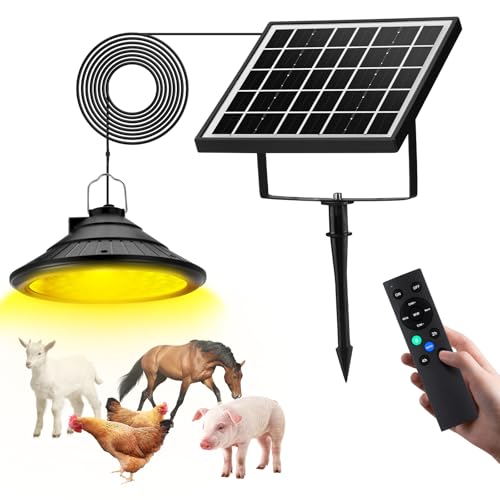
【Three-color dimmable light & four brightness levels】Solar-powered chicken coop lamp has three different lighting modes:White light+Warm white light,White light,Warm white light;Meanwhile, four different brightness levels create a soft and calming environment for poultry without harsh glare.

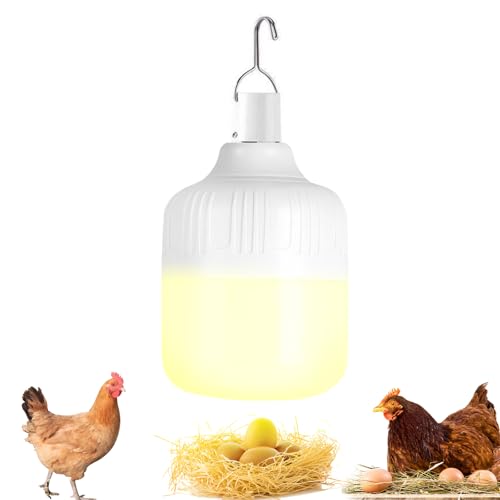
*Gentle 3000K Warm Light**:Soft yellow illumination creates a calming environment for poultry without disrupting natural routines. No harsh glare for animal comfort.
Planning for Realistic Egg Supply Throughout the Year
To optimize your flock’s productivity, you’ll need to account for production variability across seasons and the hens’ lifespan. Effective flock management requires calculating hen requirements by multiplying desired daily eggs by 1.5, assuming a ⅔ laying rate. For six eggs daily, you’d need nine hens minimum. Additionally, ensuring your hens are comfortable during winter can help maintain their consistent production rates. During winter, Buff Orpingtons are known for being reliable winter layers, continuing to produce eggs even in colder weather.
Implement seasonal adjustments by maintaining mixed-age flocks that balance production peaks and declines. Annual molt cycles in fall noticeably reduce output, so plan accordingly. Second-year production drops to 80 percent of first-year yields, declining further thereafter. Hybrid breeds typically experience shorter and less noticeable molts compared to purebred hens, making them more reliable for consistent year-round production.
Annual pullet replacement at 18–22 weeks maintains steady supply reliability. This strategy buffers against age-related decline and molting impacts, ensuring consistent egg availability throughout the year despite natural production fluctuations.

Abundant and Convenient: This 30oz blend is ideal for use throughout the coop—sprinkle it in nesting boxes, feeders, dust baths, or bedding areas. It can also be mixed with regular feed as a natural enrichment to support everyday flock routines

Natural Herb Blend for Healthy Hens: Our 10oz dried herb mix contains lavender, chamomile, rosemary, and mint to naturally support chicken health and well-being in the coop and nesting boxes