You shouldn’t feed your chickens raw potato skins due to dangerous glycoalkaloid compounds—primarily solanine and chaconine—that concentrate in the skin and subsurface tissue. These toxins can disrupt membrane integrity and cause neurological symptoms like tremors and ataxia. You can safely offer cooked potato skins occasionally, as proper cooking markedly reduces alkaloid content. Keep portions under 10% of daily calories, remove green areas and sprouts entirely, and monitor your flock closely for digestive distress. Understanding the specific preparation methods and safety markers will help you confidently incorporate this treat.
Toxic Compounds and Risk Factors in Potato Skins
Because glycoalkaloids concentrate mainly in potato skin and subsurface tissue, you’ll face elevated exposure risk when feeding raw peels directly to chickens. Light exposure and sprouting markedly increase toxin levels in skins compared to flesh. Physical damage promotes local glycoalkaloid accumulation near bruised or cut areas, heightening hazard from peelings. Older or improperly stored potatoes show higher concentrations than freshly harvested tubers, making saved peel scraps particularly problematic. Additionally, onion toxicity can complicate the overall health risks for your flock if they are exposed to multiple harmful substances. Chickens should also be monitored for other toxic plants, such as those from the nightshade family, which can present similar risks when consumed. It’s crucial to ensure that various toxic substances are avoided to maintain the health of your chickens. Small portions of green skin can deliver toxic doses to chickens because their low body mass amplifies relative toxin concentration. Chickens lack the receptor to sense the harmful effects of some compounds, but this does not mitigate the risk from consuming toxic plants. Your flock’s exposure risk escalates substantially when birds access compost piles or kitchen-waste areas containing discarded raw peels and sprouted tubers. Regular inclusion of potato skins in treats compounds cumulative exposure and risk of subclinical toxicity. Mature laying hens tolerate small amounts of solanine better than younger chicks, but this tolerance difference does not make intentional feeding safe.
Understanding Glycoalkaloids: Solanine and Chaconine
Two structurally related steroidal compounds—alpha-solanine and alpha-chaconine—account for the primary glycoalkaloid content in potatoes. You’ll find these molecules exist as a mixture within tubers, with their relative proportions varying by cultivar and environmental stress conditions. Both compounds are amphipathic, meaning they interact with cell membranes and disrupt membrane integrity and mitochondrial function—mechanisms underlying glycoalkaloid toxicity. Understanding solanine effects requires recognizing that cooking doesn’t considerably reduce these compounds unless you peel or leach the potatoes. Thermal decomposition requires temperatures exceeding typical home cooking methods. The concentration you’re exposed to depends heavily on the potato’s storage condition and variety, with sprouted or greened tubers accumulating markedly higher levels than normal commercial stock. Additionally, feeding chickens toxic foods like potato skins can lead to severe health issues due to the presence of these glycoalkaloids. Potato skins and peels contain substantially higher glycoalkaloid concentrations, with peel levels reaching 220 mg in severely affected tubers, making them a particularly concentrated source of these toxins.
Nutritional Benefits Potato Skins Offer Your Flock
While potato skins don’t constitute a nutritionally complete feed source, they do offer measurable nutritional contributions that can complement your flock’s primary diet when prepared and portioned appropriately. The macrocomposition benefits include readily available carbohydrates for energy, dietary fiber supporting gizzard function, and modest plant-based protein with complementary amino acids. Their nutrient density provides potassium for muscle and electrolyte function, B-vitamins facilitating energy metabolism, and trace minerals—iron, copper, manganese, calcium—essential for hemoglobin formation and eggshell quality. Antioxidant phytochemicals in skins may reduce oxidative stress and support immune responses. However, you shouldn’t exceed 5–10% of your birds’ diet through treats, as excessive inclusion risks nutrient dilution and compromised egg production. Cooked skins pose minimal contamination risks compared to raw kitchen waste. Always inspect potatoes for green spots and sprouts where solanine toxin concentrations are highest before offering any preparation to your flock.

100% KETO: These chicken skin chips offer the crispy and crunchy texture of potato chips (without the carbs) and the protein of jerky, this chicken skins snack is the ultimate keto friendly tasty snack.

CHICKEN DOG TREATS - Packed with the nutritious goodness of protein and vegetables, Healthfuls Sweet Potato & Chicken Wrapped treats have a natural and sweet flavor that your dog will love.

Raw Potato Skins: Safety Considerations and Risks
Although potato skins offer nutritional value, you’ll want to understand the risks they pose when served raw to your flock. Raw skin precautions are essential because solanine—a natural pesticide—concentrates primarily in potato skins, especially greened or sprouted areas. Your chickens face significant exposure risks when consuming raw peels, as solanine isn’t eliminated through standard cooking methods. Small backyard flocks are particularly vulnerable; lower absolute toxin amounts can reach harmful per-kilogram doses in lighter birds. Clinical signs include digestive upset, weakness, neurological issues, and cardiac arrhythmias. Repeated low-level exposure causes cumulative damage and subclinical effects like reduced egg production. Providing adequate space for your flock is also crucial, as it helps ensure overall health and mitigates stress-related issues. Cooking peels through baking is the preferred method to remove toxins and make potato skins safer for consumption. Without standardized toxic thresholds for chickens, you should treat all raw skins—particularly green or sprouted material—as high-risk and avoid feeding them entirely.

Rich yellow yolks - A high level of xanthophyll, a coloring agent derived from marigolds, produces deep yellow egg yolks

Boosts Growth and Vitality - Packed with 16% protein from organic grains, this feed promotes rapid muscle growth, strong bones, and fluffy, vibrant feathers for your chickens and ducks, ensuring a thriving flock.

Healthy and Natural Growth – Our nutritionally complete whole grain starter mash with 17% protein promotes strong development and growth in chickens and ducks. Fermentable. Corn-free. Soy-free.
Cooked Potato Skins: Preparation and Digestibility
Cooking potato skins through boiling or baking considerably reduces solanine content and makes them safer for your flock compared to raw preparation. You’ll find that boiling drains excess moisture, while baking prevents solanine-related complications entirely. Both cooking methods preserve valuable skin benefits, including potassium for metabolism, vitamin B3 for recovery, iron for red blood cell production, and flavonoids for disease protection. Boiling is believed to destroy up to 90% of pesticides and toxins that may concentrate in potato skins from non-organic sources. Additionally, feeding cooked potato skins can provide a nutritious treat for your chickens, similar to how cabbage is beneficial. Incorporating cooked potato skins into your flock’s diet can serve as a boredom buster while offering essential nutrients.
Research demonstrates that 5% potato peel inclusion with enzymes achieves 96.83% dry matter digestibility and 78.75% crude protein digestibility. However, you should limit inclusion rates to 5%, as higher quantities (10-20%) considerably reduce nutrient digestibility. You’ll maximize nutritional benefits while maintaining your chickens’ overall dietary quality by respecting these parameters and avoiding replacement of primary feed sources.
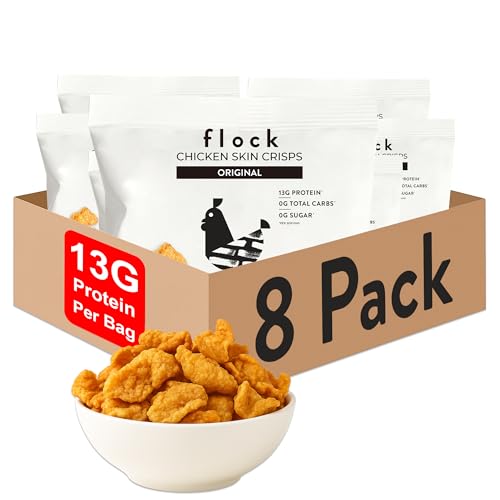
100% KETO: These chicken skin chips offer the crispy and crunchy texture of potato chips (without the carbs) and the protein of jerky, this chicken skins snack is the ultimate keto friendly tasty snack.

DANGEROUSLY ADDICTIVE FLAVOR: Experience the unique, irresistible taste of real salted duck egg yolk blended with aromatic curry leaves and a hint of chili, creating a multi-sensory crispy, crunchy, and flavorful snack.
100% KETO: These chicken skin chips offer the crispy and crunchy texture of potato chips (without the carbs) and the protein of jerky, this chicken skins snack is the ultimate keto friendly tasty snack.
Safe Preparation Practices for Feeding Peels
Since solanine concentration in potato peels poses genuine toxicological risk to your flock, you’ll need to follow deliberate preparation practices before offering them as feed. Start with safe washing using a vegetable brush under running water to remove soil and pesticide residues that concentrate on skins. Your trimming techniques should include cutting away all green areas, sprouts, and eyes—these harbor elevated alkaloid levels. Remove at least a thin layer of underlying white flesh beneath discolored zones. Discard any peels showing mold, rot, or off-odors since microbial toxins resist brief cooking. Additionally, incorporating sprouted lentils into your chickens’ diet can provide an excellent source of nutrition and balance out other feed items. Chickens can also enjoy a variety of healthy treats like chopped celery, making it important to include diverse foods in their diet. Cooking eliminates the toxin, making it safe to offer prepared potato peels as an occasional treat. It is essential to ensure a balanced diet for your chickens, as feeding them too much of any single item can lead to health issues. Chickens can safely tolerate colder temperatures if they have access to proper shelter, making it vital to ensure their living conditions are warm during the winter months. Additionally, you should maintain adequate coop ventilation to prevent moisture buildup that can chill the birds. Finally, inspect peels for bitterness, which signals unacceptably high solanine content. These preparatory steps substantially reduce toxicological risk before cooking occurs.
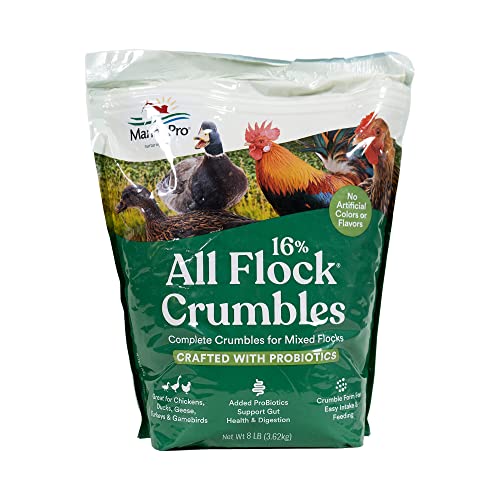
COMPLETE ALL FLOCK FEED FOR MIXED BACKYARD FLOCKS: Versatile poultry feed & all flock feed designed to support chickens, ducks, turkeys, geese, & more; a balanced bird food that simplifies feeding a diverse species in your backyard or homestead

Healthy and Natural Growth – Our nutritionally complete whole grain layer mash with 16% protein promotes optimal health in laying chickens and ducks. Fermentable. Corn-free. Soy-free.
Boosts Growth and Vitality - Packed with 16% protein from organic grains and sustainable grub protein, this feed promotes rapid muscle growth, strong bones, and fluffy, vibrant feathers for your chickens and ducks, ensuring a thriving flock.
Health Monitoring and Clinical Signs of Toxicity
How do you recognize solanine poisoning before it becomes critical? You’ll observe early toxicity symptoms like inappetence, weakness, and lethargy within hours of consumption. Watch for neurological health effects including ataxia, tremors, and loss of coordination. Gastrointestinal signs emerge rapidly—depression, vomiting, diarrhea, and greenish droppings indicate solanine exposure. It’s also important to monitor for mites or their eggs at the base of feathers, as infestations can compromise overall health. Monitor your flock’s physical appearance for ruffled plumage, pale combs, and emaciation. Additionally, ensure their diet is safe and free from toxic vegetables that can exacerbate health issues. Respiratory distress signals advancing toxicity. Behavioral changes like isolation and excessive thirst warrant immediate investigation. Convulsions or paralysis indicate severe poisoning requiring urgent intervention. Examine your birds’ mucous membranes and check for dehydration. Track mortality rates closely—increased deaths suggest acute toxicity. Document symptom onset timing and severity to confirm solanine involvement. Contact a veterinarian immediately upon noticing these health changes to improve outcomes. Early detection enables prompt flock management and prevents catastrophic losses.
Practical Feeding Guidelines for Your Flock
Once you’ve confirmed your flock’s freedom from solanine toxicity, you’re ready to incorporate potato peels safely into their diet through careful preparation and portion management. Implement feeding strategies that limit peels to 10% of daily caloric intake, distributing small handfuls per bird to prevent digestive upset. Monitor your flock preferences closely during initial introduction, as acceptance varies among individuals. Serve only thoroughly cooked peels cooled to safe temperatures, never raw material. Integrate potato peels as complementary treats alongside balanced commercial feed rather than dietary staples. It’s important to note that cooked white potatoes are safe for chickens once toxic compounds have been neutralized by heat. Observe consumption patterns and adjust portions based on observed flock preferences. Always discard green parts of potatoes before cooking to eliminate any remaining toxins. This methodical approach guarantees nutritional benefits from fiber, potassium, and vitamins while maintaining digestive health and preventing overconsumption-related complications.
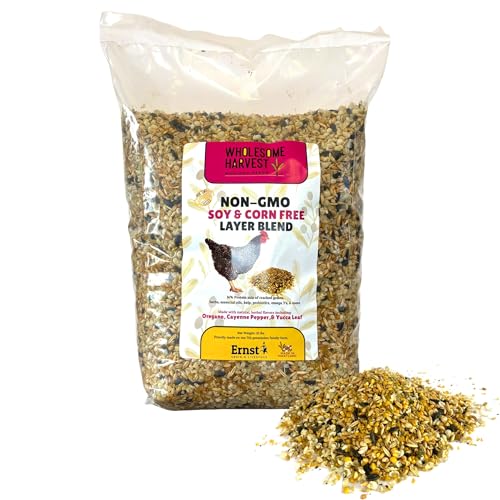
LAYER BLEND: Our Non-GMO layer mash is a complete feed fortified with minerals and additional calcium, ensuring quality eggshells. This blend of grains includes probiotic for digestive health and higher omega 3 levels from linseed (flax) oil. Ideal for supporting your flock's overall health and egg-laying productivity.
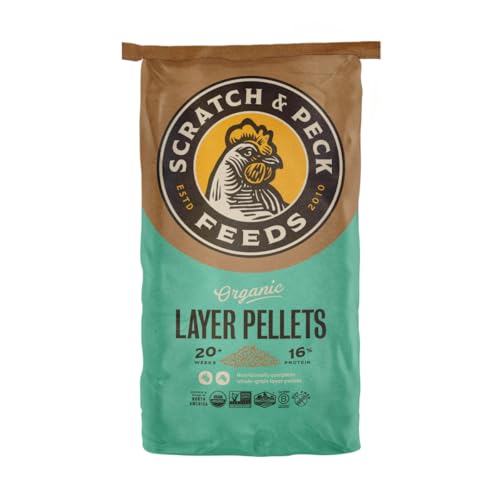
Nourish to Flourish - Our premium pellet feed for laying chickens and ducks is packed with cracked grains and whole food ingredients, free from soy, medications, and fillers. This natural feed supports healthy egg production and flock vitality.

100% USA GROWN, ORGANIC, NON-GMO GRAINS: 100% of grains are certified Organic, certified Non-GMO, corn-free, soy-free (soy & corn fillers can lead to vitamin & mineral deficiencies), non-medicated, grown on local, U.S.A. family farms & milled fresh
When to Remove Potato Skins From Your Birds’ Diet
While careful preparation and portion control establish a safe feeding foundation, you’ll need to recognize when potato skins become unsafe for your flock and warrant immediate removal from their diet. Persistent green or sprouted peels necessitate complete potato skin removal due to solanine levels exceeding safe thresholds. If your chickens exhibit repeated digestive upset, vomiting, or diarrhea within 24-48 hours post-feeding, discontinue potato skins immediately. Rotten or moldy peels demand permanent avoidance due to compounded mycotoxin risks beyond solanine. Cooked potato peelings reduce solanine by approximately 40% through cooking, though complete elimination remains impossible. Additionally, if potato skins comprise over 10% of their diet or you observe neurological symptoms and weakness, cease feeding entirely. Explore feeding alternatives like leafy greens, squash, or commercial supplements to maintain nutritional balance without toxin exposure.