You’re examining a creature classified squarely within Aves, the avian class. Chickens belong to order Galliformes and family Phasianidae—making them unmistakably birds despite their domestication. They’ve descended from the red junglefowl, retaining avian characteristics like specialized digestive systems and diurnal activity patterns. Their anatomical features, reproductive biology, and behavioral traits all align with avian classification. Understanding their evolutionary journey and biological distinctions reveals why poultry are fundamentally birds, not exceptions to that rule.
The Scientific Classification of Chickens
Five major taxonomic divisions establish where chickens fit within the animal kingdom. You’ll find them classified in Kingdom Animalia, Phylum Chordata, Class Aves, Order Galliformes, and Family Phasianidae. Their genus, Gallus, they share with wild jungle fowl—the source of their domestication history.
Scientists designate chickens as Gallus gallus domesticus, recognizing their domesticated status through this subspecific designation. The USDA formally recognizes G. domesticus, distinguishing farmed birds from their wild ancestors. This chicken taxonomy reflects ongoing debate among researchers, since domesticated chickens interbreed successfully with wild Gallus gallus populations.
Understanding this classification system reveals how selective breeding transformed wild fowl into the billions of chickens you see worldwide today, fundamentally reshaping their biological and behavioral characteristics through deliberate human intervention. Chickens remain diurnal animals, meaning they are active during daylight hours and roost at night, a behavioral trait preserved from their wild jungle fowl ancestors.

Visual Guide to Taxonomy – Clearly illustrates the biological classification hierarchy from Domain to Subspecies using the taxonomy of the dog as a relatable example.


Professional Knowledge and education posters can be gifts for children, biological lovers, adults, or decorated for your home, hung in museums and any place
Evolutionary Origins and Domestication
Now that you’ve grasped where chickens sit within modern taxonomy, understanding how they arrived at that classification requires examining their wild ancestry and the domestication process that reshaped them over millennia. You’re tracing lineage to the red junglefowl (*Gallus gallus*), your chicken’s principal ancestor, with minor genetic contributions from gray, Ceylon, and green junglefowl species. Domestication occurred roughly 7,000–8,100 years ago in Southeast Asia, driven by expanding rice agriculture that created suitable habitats. You’ll find that early domestication pathways emerged through commensalism—birds scavenging human settlements—rather than intentional breeding. Genetic analysis reveals that multiple domestication events across different regions contributed to the genetic diversity observed in modern chicken populations. This gradual process fundamentally altered genetic diversity within chicken populations, enabling subsequent dispersal across Eurasia, Africa, and beyond through human trade networks over subsequent millennia. Additionally, the reproductive system of modern chickens, involving processes such as fertilization occurring inside the hen, showcases their biological adaptability. Moreover, offering homemade chicken treats has become a common practice among poultry keepers, reflecting their adaptability to human agricultural practices. Additionally, domestic chickens’ diet has evolved to include a variety of foods, including bananas as nutritious treats, reflecting their adaptability to human agricultural practices. Interestingly, many poultry keepers also provide their birds with cooked chicken meat, demonstrating how these birds have adapted to leveraging various protein sources available through human activities. Scientists have demonstrated that these birds share striking genetic and anatomical similarities with their dinosaur ancestors, illustrating the deep evolutionary connection between modern chickens and their prehistoric lineage.
Key Biological Characteristics
Because understanding chickens’ capacity to thrive across diverse environments and production systems requires examining their fundamental physiology, you’ll benefit from surveying the key biological characteristics that define modern poultry.
You’ll find that chickens possess specialized digestive adaptations enabling omnivorous foraging. Their muscular gizzard grinds ingested food and grit, compensating for absent teeth, while the crop provides temporary storage during variable feeding patterns. This system supports efficient nutrient extraction across diverse dietary compositions. The single comb is the most common comb type found across various chicken breeds and serves as an indicator of breed classification and individual health status. Additionally, providing essential herbs such as oregano and garlic can enhance chicken health by boosting immunity and controlling parasites. Furthermore, enriching their environment with engaging DIY toys can further benefit their mental health and overall wellbeing. Furthermore, grit is crucial for the digestive process as it helps in grinding food in the gizzard, aiding nutrient absorption and preventing digestive blockages.
Their respiratory efficiency distinguishes avian physiology fundamentally. You’ll recognize the unidirectional airflow system utilizing anterior and posterior air sacs alongside rigid lungs, enabling continuous oxygen extraction during both inhalation and exhalation. This adaptation supports the elevated metabolic demands required for sustained activity and thermoregulation, distinguishing chickens from comparably-sized mammals through enhanced cardiac output and blood oxygen affinity.

ESSENTIAL POULTRY GRIT FOR CHICKENS & GAMEFOWL: Premium grit for chickens made from natural granite grit for chickens, essential for grinding whole grains and improving digestive health for poultry; a must-have to include in your chicken coop accessories
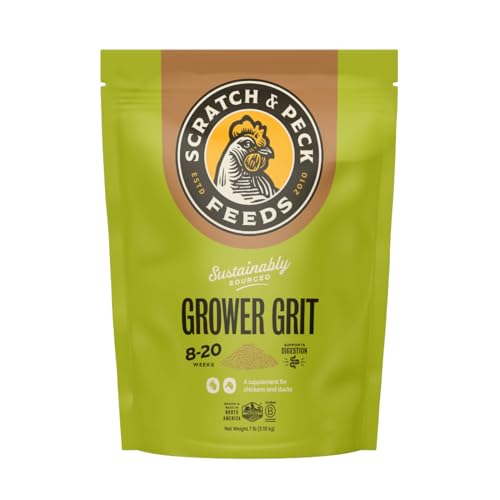
Necessary For Digestion - Made up of insoluble crushed quartzite or granite, grit remains in the bird's gizzard to help with digestion. Grit is an essential part of your bird’s diet and should always be provided.

The information below is per-pack only
Anatomical Features and Sexual Dimorphism
As chickens mature, pronounced morphological differences emerge between males and females across skeletal, integumentary, and reproductive systems. You’ll observe that males typically weigh 21.5% more and display larger skeletal dimensions, particularly in leg bones and keel development. Sexual dimorphism extends to plumage, where males exhibit elaborate saddle, sickle, and hackle feathers compared to females’ protective plumage. Their skin appendages—combs, wattles, and earlobes—appear larger and more vascularized due to testosterone influence. During the pullet stage, young hens begin to undergo significant hormonal changes that prepare them for reproductive maturity.
Reproductive anatomy showcases the most significant anatomical differences. Males possess paired testes producing sperm and testosterone, while females develop a single functional left ovary and specialized oviduct regions. You can distinguish these systems through embryonic gonadal differentiation patterns. Secondary reproductive traits like venereal spurs manifest mainly in males, supporting mating behaviors and competitive interactions. Research on White Plymouth Rock chicken lines selected for body weight has demonstrated that genetic modification of sexual dimorphism remains challenging with conventional breeding tools.
Behavioral Traits and Social Hierarchy
The social structures you’ll observe in poultry flocks emerge from organized hierarchical systems that develop through ritualized agonistic behaviors. Within one week post-hatch, you’ll witness pecking, chasing, and resource competition establishing dominance rankings. By six weeks, the pecking order stabilizes into a linear hierarchy.
You’ll notice distinct sexual hierarchies: roosters maintain separate rankings from hens, with top males enforcing flock protection and peacekeeping. Dominant individuals secure priority access to food, water, roosting spots, and mates. Excessively aggressive individuals may attack the lower-ranked birds, which causes stress and can intensify dominance behavior within the flock. Subordinate birds exhibit submission behaviors—avoiding eye contact, deferring positioning, and accepting pecking from higher-ranked members. These subordinate birds often seek roosting on perches to avoid continued harassment from dominant flock members. Additionally, a balanced diet is crucial for maintaining overall well-being, as it provides the necessary nutrients to support health and behavior in established hierarchies. Providing adequate high-protein feed along with alternative chicken-friendly zones for them to engage in their natural behaviors away from the garden can further support a healthy hierarchy. Furthermore, incorporating nutritious treats like kale for chickens can enhance their diet and promote overall health.
You’ll find this social hierarchy remains stable until you introduce new birds or experience flock losses. The largest, healthiest individuals naturally ascend to top positions, while established birds outrank newcomers regardless of individual size.
Reproductive Biology and Egg Production
While social hierarchies govern flock dynamics and behavior, the biological mechanisms underlying reproduction and egg production operate independently of rank and social status. You’ll find that reproductive timing follows a precise 24–26 hour cycle controlled by hypothalamic-pituitary signaling. FSH promotes follicular growth and estrogen production, while progesterone from mature follicles triggers the LH surge necessary for ovulation mechanics. The yolk completes development 24 hours before release, then progresses through the infundibulum—where fertilization occurs—before entering the magnum. Here, albumen accumulates around the yolk over 3–4 hours. The shell gland subsequently deposits calcium carbonate, additional albumen layers, and protective coatings during its 19–21 hour residence. This systematic process yields a complete egg every day, with the entire egg formation taking place through several distinct stages, including the formation of the shell. Each egg starts as an ova released one at a time from the left ovary, which remains the only active reproductive organ throughout the hen’s productive life.

BLEND OF SOURCES OF CALCIUM : Chick’N Calcium from the Chick’N Swell product line is made from a blend of sources of calcium: calcium chloride and calcium propionate to provide essential calcium for all laying poultry including chickens, ducks, and quails; from backyard flock to commercial farms, our product is the perfect addition to your chicken water.
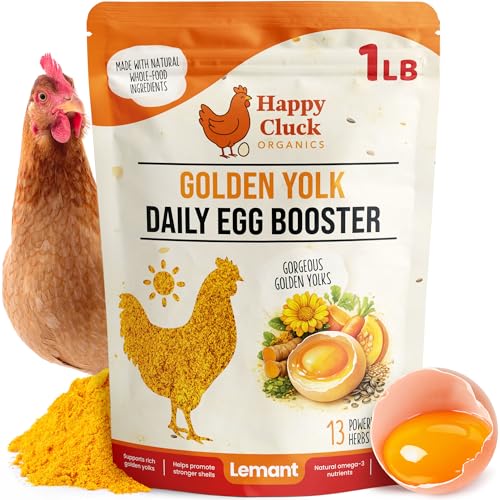
13 WHOLE-FOOD HERBS IN EVERY DAILY SCOOP - This Daily Egg Booster for Chickens packs 13 functional whole-food ingredients into every daily scoop. Each 1 LB pouch blends pumpkin powder, carrot powder, turmeric, milled calendula flowers, stabilized flaxseed, black oil sunflower meal, brewer's yeast, dual-grade calcium carbonate, kelp meal, chili flakes, rosemary extract, and standardized marigold extract into a single premium chicken vitamin and supplement for daily backyard flock nutrition.

STRONGER EGGSHELLS, FEWER BREAKS – Eggshells are 94–97% calcium carbonate; this crushed oyster shell replenishes what laying hens lose daily, reducing cracked and thin-shelled eggs.
Popular Chicken Breeds and Their Traits
Because breeding objectives fundamentally shape a bird’s productive capacity and behavior, you’ll find that modern chicken breeds fall into five distinct categories, each optimized for specific agricultural or ornamental purposes. Layer breeds—Leghorns and ISA Browns—produce 250+ eggs annually with distinct egg colors ranging from white to dark brown. Broiler breeds like Cornish Cross reach market weight in 6–9 weeks. Dual purpose traits characterize traditional breeds such as Plymouth Rocks, balancing egg production with meat yield. Bantam varieties offer compact alternatives for limited spaces. Temperament differences vary greatly: docile Orpingtons suit families, while flighty Mediterraneans excel in free-range systems. Rhode Island Reds are renowned for hardiness and remain popular choices among backyard flock owners seeking reliable egg production. Notably, young chicks engage in coprophagy to establish their cecal microbiome, which is vital for digestion and nutrient absorption. Foraging abilities differ across heritage breeds. Growth rates depend directly on breeding lines, from rapid commercial hybrids to slower heritage meat breeds requiring 16+ weeks development.

STOP BUYING LIVE WORMS EVERY WEEK — Live mealworms from the store cost you again and again, and some don't survive shipping. This complete starter kit lets you breed a self-sustaining colony at home — set it up once, and keep a steady supply for months.

30 milliliters of Backyard Chicken OXY E-100 water treatment drops
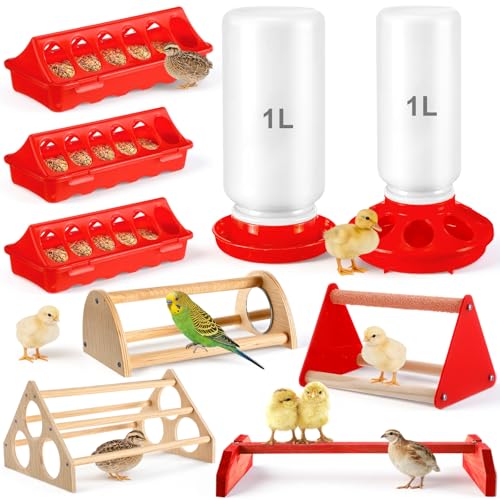
Ideal Chick Feeder Waterer Kit for Raising Chicks: the small chick starter kit offers everything your chicks need for a healthy start; Included are 3 pcs 12-hole chick feeders, 1 pcs chick waterer, 1 pcs 1L feeder and 4 pcs roosting perches; This brooder box set ensures all essentials are covered during the critical early weeks of your chicks' lives; The roosting perches add extra fun for your chicks, making them an ideal choice for new poultry enthusiasts
Chickens Within the Galliformes Order
Modern chicken breeds you’ve just explored—from efficient Leghorns to dual-purpose Plymouth Rocks—represent selected variants within a far broader avian order. You’re examining members of Galliformes, an order encompassing roughly 250–290 species distributed across four to five recognized families. Galliformes diversity reflects adaptations spanning forests, grasslands, and deserts across all continents except Antarctica.
Domestic chickens belong to Phasianidae, the largest family, alongside pheasants and partridges. You’ll recognize shared galliform traits: heavy-bodied frames, powerful leg musculature, and short, rounded wings enabling only brief flight bursts. The order’s digestive specializations—including muscular gizzards and paired ceca—process coarse plant material efficiently. These blunt wings are distinguishable features that set Galliformes apart from other bird orders.
This taxonomic context clarifies how domestic chickens inherit behavioral and morphological characteristics refined through millions of years of galliform evolution, making them quintessential ground-foraging birds adapted for terrestrial life.
Why Chickens Are Definitively Birds
When you classify domestic chickens taxonomically, they’re unmistakably situated within Class Aves—not merely as poultry or livestock, but as legitimate avian organisms sharing fundamental biological architecture with all birds. You’ll find them positioned within Order Galliformes and Family Phasianidae, designations that anchor them firmly within avian phylogeny. Their chicken evolution traces directly to Red Junglefowl ancestry through monophyletic relationships confirmed by mtDNA analysis. The domestication timeline, spanning 7,000-10,000 years ago in Southeast Asia, hasn’t altered their avian classification despite selective breeding. You’re observing organisms that retain characteristic avian traits: feathered bodies, egg-laying reproduction, and skeletal structures identical to wild junglefowl. Notably, they lay eggs through their shared exit point, the vent, which also serves waste elimination. Chickens can also safely consume catnip as an occasional treat, which highlights their adaptability to various environmental resources. Moreover, it’s essential to provide them with balanced layer feed as they start laying eggs to ensure optimal health and egg production, including options that contain organic ingredients to promote their health. Domestication modified behavior and appearance, but couldn’t reclassify them as anything other than birds—they remain quintessentially Class Aves members. Research utilizing chicken eggs and embryos has become instrumental in advancing developmental biology studies while maintaining regulatory compliance under established animal welfare frameworks.