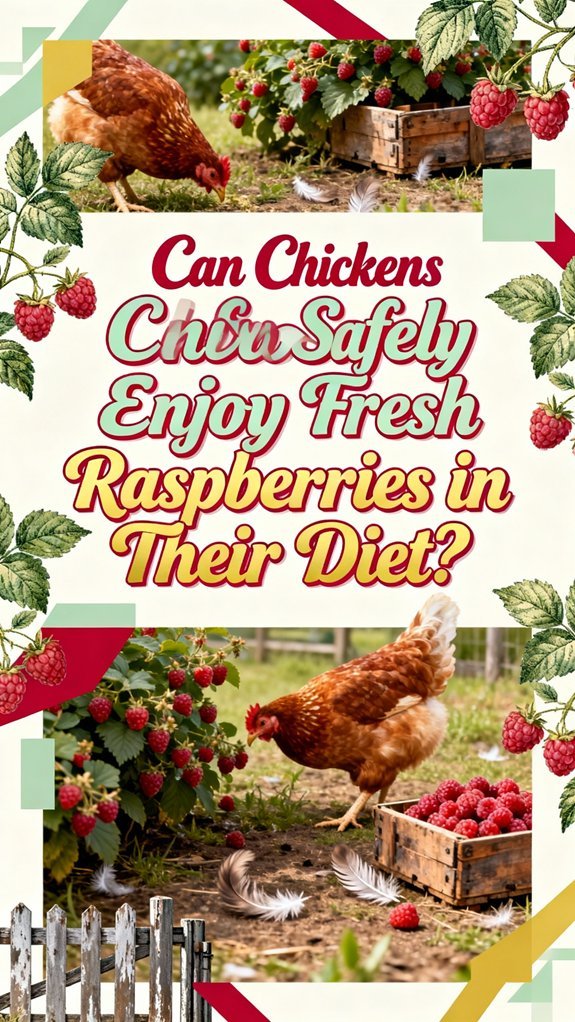
You can safely feed your chickens fresh raspberries as occasional treats in moderation. Limit portions to one or two berries per bird, once or twice weekly, and remove all stems, calyces, and leaves beforehand. Raspberries contain no known toxins and provide beneficial hydration, vitamins, and fiber. However, you’ll want to guarantee treats don’t exceed 10% of their total dietary intake to prevent nutritional imbalances and digestive issues. Understanding proper preparation methods and feeding guidelines will help you maximize these benefits.
Safety of Raspberries for Chickens
Raspberries are safe for chickens to eat as an occasional treat, though several factors determine whether they’re appropriate for your flock. Raw raspberry flesh contains no known toxins harmful to chickens when given in moderation. Most chicken preferences favor berries offered as enrichment scattered for natural foraging behaviors.
However, you’ll need to address pesticide concerns. Commercial raspberries often retain absorbed residues that washing alone won’t eliminate. Organic varieties or home-grown raspberries substantially reduce this risk.
You must discard stems, calyces, and leaves—they’re indigestible and concentrate residues. Remove any spoiled or moldy fruit immediately, as mold causes serious digestive illness. The high moisture and sugar content can trigger diarrhea if you overfeed. Raw raspberries preserve maximum nutritional benefits including essential vitamins and minerals that support bone health and egg production.
Limit portions to one or two whole berries per bird, offered once or twice weekly maximum.
Nutritional Benefits Your Flock Will Enjoy
Five key nutritional categories make raspberries a worthwhile supplemental treat for your chickens. First, the 85.8% water content supports chicken hydration during hot months while maintaining laying cycles. Second, vitamin enrichment—including vitamin C for immunity, vitamin K for blood clotting, and B-complex vitamins—strengthens flock health and can help boost overall chicken health. Additionally, incorporating a variety of fruits like raspberries into their diet can diversify nutrients and enhance palatability, enriching their overall experience with a nutritious treat. Third, minerals like manganese, magnesium, iron, phosphorous, and calcium support essential bodily functions. Additionally, raspberries are generally well-liked by chickens, making them a healthy treat that your flock will eagerly enjoy. Fourth, 6.5 g of fiber per 100g promotes digestive wellness without excess sugar at 4.4 g per 100g. As part of a balanced diet alongside homemade chicken treats, raspberries can help further improve chicken well-being. Finally, antioxidants including ellagic acid and quercetin enhance metabolic processes and feathering. At only 52-57 kcal per 100g with 11.9 g carbohydrates, raspberry nutrition delivers substantial benefits without dietary imbalance, making raspberries an excellent nutritional supplement for your flock. These nutritional compounds work synergistically to support immune function and overall vitality in laying hens and young pullets alike.
Understanding the Risks of Overfeeding
While raspberries offer substantial nutritional benefits, you’ll want to understand the significant risks that accompany overfeeding this treat to your flock. Excessive raspberries overwhelm your birds’ digestive systems, disrupting gut microbial balance and triggering enteritis and chronic diarrhea. This digestive upset increases dehydration risk and nutrient malabsorption, potentially causing weight loss despite high caloric intake. Additionally, providing adequate space in the coop can alleviate stress and support overall digestive health.
Beyond digestion, the high sugar content promotes obesity, predisposing your hens to fatty liver hemorrhagic syndrome, reproductive issues, and foot problems. Overfeeding treats also displaces balanced layer feed consumption, creating deficiencies in protein, calcium, and trace minerals that compromise egg quality and laying cycles. Since treats should comprise no more than 10% of a chicken’s diet, maintaining this ratio prevents nutritional imbalances and supports overall flock health.
Practicing strict portion control guarantees your flock maintains digestive balance while maximizing nutritional benefits without metabolic or production consequences.
Best Preparation Methods for Raspberries
Now that you’ve established proper portion control to prevent digestive and metabolic complications, you’ll want to focus on preparation methods that maximize nutritional retention while ensuring safety for your flock.
Raw raspberries represent the ideal preparation technique, preserving maximum vitamins and minerals while requiring no cooking. Their inherent softness eliminates choking risks for chickens of all ages. You should rinse raspberries thoroughly to remove dirt and residues, then inspect for mold or spoilage before serving. Additionally, avoid serving raspberries with toxic nightshade plants like tomatoes or peppers that may be present in your garden.
For serving suggestions, combine raspberries with chopped peas, corn, and apples to create nutrient-dense fruit salads that enhance feeding interest. During hot months, you can freeze raspberries as cooling treats—crush or slightly thaw them to prevent choking hazards. These preparation techniques maintain your flock’s balanced nutrition while providing supplementary variety.
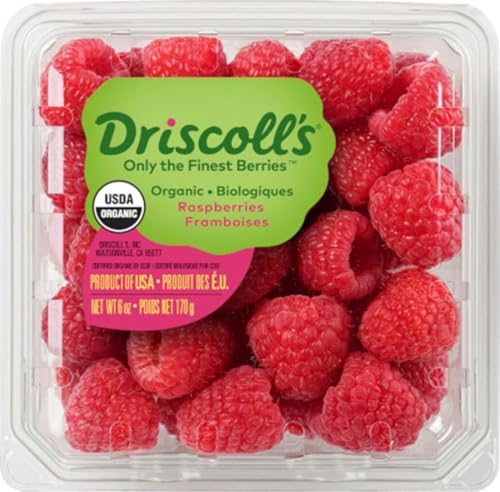
Wash before consuming

USDA ORGANIC WHOLE RASPBERRIES – Our organic freeze-dried whole raspberries (Rubus Idaeus) are made from real whole red raspberries and nothing else. No added sugar, no preservatives, no fillers, and no artificial ingredients - just pure organic fruit in a convenient, crunchy form.

Delicious and Juicy: These fresh raspberries are bursting with a sweet, tangy flavor that is sure to delight your taste buds.
Pesticide Concerns and Organic Options
Because conventionally grown raspberries receive routine applications of multiple pesticides—at least 28 distinct active ingredients appear on U.S. tolerance lists—you’ll want to understand the potential risks before incorporating them into your flock’s diet. Chickens consuming unwashed fruit face pesticide exposure through surface residues, and their smaller body weight amplifies dose concentration relative to humans. Certain compounds used on raspberries—neonicotinoids, pyrethroids, organophosphates—exhibit documented avian toxicity. Additionally, many toxic foods can pose serious risks to your flock, underscoring the need for safe treat options. Simple rinsing reduces but doesn’t eliminate residues, particularly systemic compounds penetrating thin skins. Furthermore, adding nutritious treats like organic raspberries can support chicken health and well-being, aligning with overall dietary goals. Regularly including herbs like oregano may enhance their immune systems, complementing the benefits of fresh organic raspberries. Chickens can safely eat berries without the concern of harmful chemicals when you choose organic options. Additionally, 12 pesticides used on raspberries have been identified as contaminants of streams or groundwater, meaning agricultural runoff from raspberry cultivation can affect local water sources that your chickens may access. To promote natural foraging behaviors, consider providing fresh organic raspberries as a safe and nutritious treat for your flock. Organic alternatives eliminate this concern entirely. You can source certified organic raspberries, which prohibit synthetic pesticides, substantially lowering your flock’s chemical exposure. This approach aligns with precautionary feeding practices when safety data gaps exist.

Brought to you by Whole Foods Market

100% Organic Whole Dried Raspberries with Crisp, Crunchy Texture

These short-sleeve baby bodysuits are 100% combed ringspun cotton jersey for your baby's comfort. The reinforced three snap closure makes diaper changing a breeze.
Appropriate Feeding Guidelines and Portions
Once you’ve sourced safe raspberries—whether organic or thoroughly washed conventional fruit—you’ll need to establish feeding guidelines that prevent nutritional imbalances and metabolic complications. Limit raspberries to 2-3 berries per chicken per feeding session, restricting chicken feeding to 2-3 times weekly maximum. This moderation protocol guarantees treats comprise no more than 10% of total dietary intake, with balanced poultry feed remaining your foundation.
Space feedings strategically to monitor digestion and prevent sugar overload. Adjust portions based on flock size, observing consumption patterns carefully. Integrate raspberries within your broader diet variety strategy, alternating with other approved fruits and vegetables throughout the week. Raspberries are rich in antioxidants, making them a nutritionally beneficial addition when offered appropriately. Feed whole berries when possible—chickens safely consume tiny seeds without removal. Separate portions to minimize competition and allow individual observation during consumption.

[𝐍𝐚𝐭𝐮𝐫𝐚𝐥 𝐎𝐫𝐠𝐚𝐧𝐢𝐜 𝐈𝐧𝐠𝐫𝐞𝐝𝐢𝐞𝐧𝐭𝐬] De La Rosa raspberry and pomegranate vinegars are made from all-natural organically grown fruits, ensuring they are free from chemicals and sprays. This commitment to organic farming ensures that you receive the purest and most natural vinegar possible.

ORGANIC & SIMPLE: Whole, organic raspberries, freeze-dried with nothing added — no sugar, no preservatives, no artificial ingredients.

ORGANIC DRIED RASPBERRIES NO SUGAR ADDED: powbab Dried Whole Raspberries are crunchy and unsweetened. Naturally low heat dried raspberries organic rather than freeze dried raspberries for optimal taste and nutrition.
How to Introduce Raspberries to Young Chicks
Introducing raspberries to young chicks requires patience and careful timing, as their developmental readiness—not arbitrary age—determines safe consumption. You’ll observe key feeding milestones when chicks display active foraging behavior and completed feathering around 6–8 weeks. Begin with single trial sessions once weekly, offering only a few grams of mashed or finely chopped raspberries on a shallow dish. Monitor crop behavior for 24 hours post-introduction and track stool consistency over 48–72 hours for digestive upset. It’s essential to remember that treats should remain limited to about 10% of their overall diet to maintain their health. Additionally, ensure that the chicks have access to adequate nutrition and hydration at all times. Cucumbers, like raspberries, are a low-calorie treat that can contribute to a healthy diet for chickens. Remove uneaten fruit within 30–60 minutes to prevent spoilage. Thaw frozen raspberries completely and drain excess juice before offering. Like babies, individual chicks respond differently to new foods, so adjust portions based on each bird’s tolerance. Maintain raspberries as supplemental treats only, ensuring starter feed remains your chicks’ primary nutrition source.

7 GRAINS: Our scratch grains for chickens offer a high-protein, high-fiber blend of corn, wheat, milo, barley, oats, sunflower seeds, and millet, delivering essential vitamins and minerals to keep your birds healthy, energized, and thriving every day.

PREMIUM SNACK: Provide your feathered friends with a delicious and wholesome snack experience. Packed with protein-rich mealworms and real fruit, these treats offer a perfect balance of nutrition and flavor for your flock.

PREMIUM SNACK: Designed with the goodness of real vegetables and protein-packed worms. Designed to offer both exceptional taste and nutritional benefits, this blend will have your chickens clucking with joy.
Alternative Safe Berries for Your Chickens
While raspberries offer excellent nutritional benefits, you’ll find that other berries provide similarly valuable healthy alternatives for your flock’s diet. Blueberries serve as nutrient-dense superfoods rich in antioxidants and vitamins, with their small size promoting enrichment and cognitive function. Interestingly, chickens that consume a diverse diet—including blue egg layers—may produce a greater variety of egg colors. Strawberries deliver concentrated Vitamin C and antioxidants, supporting immune response and laying performance. Blackberries contain fiber, B-vitamins, and phytonutrients that prevent paralysis and enhance cellular functioning. You can also explore rose hips, hawthorn, and blackthorn berries—all exceptionally high in Vitamin C. Additionally, offering berries in moderation ensures chickens can avoid health risks associated with a diet too rich in treats. Elderberries offer nutritional benefits while providing shade within runs. Ground cherries represent another accessible option. These varied berry varieties function as natural multivitamins, proving particularly beneficial during autumn and winter months when fresh fruits become scarce. Remember to offer berries as occasional treats rather than dietary staples to maintain a balanced nutrition plan for your chickens.

Monitoring Your Flock’s Digestive Health
Beyond selecting nutritious feed options like raspberries and alternative berries, you’ll want to actively track how your chickens’ digestive systems process what they consume. Implement microbial monitoring through qPCR-based gut health assays measuring host-to-total bacterial DNA ratios from cloacal swabs. This biomarker reveals digestive efficiency and potential dysbiosis. Simultaneously, conduct weight assessment using automated scales like BAT2 Connect, which monitor 24/7 weight variations indicating subclinical gut issues. Studies across multiple flocks demonstrate that weight monitoring detects welfare problems earlier than traditional veterinary visits. In addition, ensure that your chickens receive a balanced diet, as factors such as egg production can be influenced by their overall health and nutrition. Additionally, incorporating supplements like diatomaceous earth may support digestive health by providing beneficial trace minerals. Furthermore, providing alfalfa pellets can enhance gut health by boosting nutrient intake and supporting strong bones. Combine these approaches with HTSi’s Intestinal Integrity score, which evaluates over twenty lesion parameters. Together, microbial monitoring and weight assessment provide thorough, non-invasive diagnostic tools for optimizing your flock’s digestive health and dietary responses. A healthy gut microbiota forms a critical barrier on epithelial walls that prevents pathogenic bacterial colonization and supports the overall resilience of your flock’s digestive system.
Making Raspberries Part of a Balanced Diet
To optimize your flock’s nutritional intake, you’ll want to incorporate raspberries strategically rather than as a dietary staple. Limit servings to a few berries per bird, ensuring treats don’t exceed 10% of daily calories. This approach prevents nutritional displacement of complete layer mash while maintaining balanced micronutrient intake.
Rotate raspberries within your treat schedule alongside vegetables and kitchen scraps to sustain dietary diversity. Introduce them gradually, monitoring acceptance and tolerance before regular offering.
Fresh raspberries stimulate natural foraging behavior, enhancing environmental enrichment and reducing boredom-related vices. You can incorporate simple raspberry recipes by scattering whole berries across the coop floor, encouraging pecking activity. Raspberries contain vitamins and minerals that support overall chicken health and productivity.
Always wash thoroughly and remove moldy specimens immediately to prevent mycotoxin exposure. This measured integration supports digestive health and overall flock condition.