You can safely offer your chickens fresh mint in moderation—it’s non-toxic and actually boosts egg production and eggshell quality when properly dosed. Stick to about 2% of their total feed by weight, and avoid pennyroyal, which contains toxic compounds. Don’t confuse fresh mint with concentrated essential oils, which pose serious health risks. While mint’s pest-deterrent reputation persists, that benefit remains largely anecdotal. Understanding the nuances between mint varieties and ideal dosing practices guarantees you’re maximizing these herbs’ potential benefits for your flock.
The Safety Profile of Fresh Mint for Chickens
Fresh mint’s safety for chickens rests on solid research foundations: multiple sources confirm that mint isn’t toxic to your flock, making it suitable for all chicken breeds. You can confidently offer fresh mint leaves as an occasional treat without concern.
Different mint varieties—including common garden mint and spearmint—are safe when provided appropriately. However, you should avoid mint essential oils entirely due to ingestion toxicity risks. If you’re seeking safe alternatives, consider basil, thyme, and oregano, which complement mint in nesting box blends. Mint also contains essential vitamins A and C, calcium, and magnesium that support your chickens’ immune systems. Additionally, incorporating herbs like oregano can enhance your chickens’ overall health and protection against diseases.
The key distinction lies in preparation: fresh leaves and dried mint are safe in moderation, while concentrated oils pose genuine hazards. You’ll maximize benefits while minimizing risks by treating mint as a supplemental offering rather than a dietary staple.
Understanding Pennyroyal and Other Toxic Mint Varieties
While most mint varieties are safe for your flock, pennyroyal stands as a notable exception within the mint family. Pennyroyal toxicity stems from pulegone, which metabolizes into menthofuran, causing severe hepatic damage. Research demonstrates that even modest supplementation increases ALT levels and reduces egg production markedly within four weeks. In addition, many experts recommend prevention of exposure to toxic plants to ensure flock safety. Additionally, when ensuring the health of your flock during winter, it’s essential to provide constant access to unfrozen water to prevent dehydration. Certain plants like foxglove can pose significant dangers that every poultry owner should be wary of.
Unlike common culinary mints—oregano, thyme, and basil—pennyroyal poses serious health risks. The essential oil proves particularly dangerous at low doses for poultry. Clinical symptoms include neurological complications, seizures, and potential organ failure. Chickens with unique head feathers may have varying tolerances, but all must avoid toxic plants. Essential oils in general are extremely concentrated and powerful, requiring precise dosages or professional training to use safely around your flock. Providing your flock with high-protein diets can further support their overall health and well-being.
Fortunately, your chickens instinctively avoid pennyroyal. Free-range birds naturally prefer greens and grasses, ignoring mint family plants entirely. This behavioral avoidance provides natural protection, making accidental consumption unlikely. When supplementing your flock, stick exclusively to established safe mint varieties.
Why Essential Oils Are Dangerous for Poultry
Though mint itself poses minimal risk to your flock, essential oils derived from mint and related plants present serious toxicity concerns. Essential oil toxicity in poultry stems from their extreme concentration—you’re exposing your birds to compounds in dangerously potent forms. The effects of these oils can significantly contrast with the benefits of fresh herbs that chickens can safely consume. Additionally, various mites and parasitic infestations can exacerbate the overall health risks faced by your flock.
The Pearl White Leghorn, known for its outstanding egg-laying capabilities, showcases how health and diet significantly influence poultry productivity. Undiluted oils cause neurological damage, respiratory failure, and organ dysfunction. Tea tree oil induces paralysis and ataxia; eucalyptus triggers nervous system collapse. Even diluted applications risk adverse reactions including skin irritation, tremors, and lethargy. High-quality, pure oils from reputable sources are essential for preventing harm, though even properly sourced essential oils require careful dilution and monitoring. It’s safer to offer chickens homemade treats that incorporate safe, fresh herbs instead of risky concentrated oils. Unlike the gradual decrease in egg production associated with higher levels of inbreeding, immune responses in chickens can weaken due to essential oil toxicity.
Your chickens’ susceptibility to poultry health risks intensifies through inhalation and topical absorption. Rather than experimenting with concentrated oils, provide fresh or dried herbs instead. Always consult your veterinarian before introducing any supplemental treatments, and discontinue immediately if symptoms appear.
Proven Benefits of Peppermint in Laying Hen Diets
Unlike the concentrated dangers posed by essential oils, peppermint leaves and extracts deliver measurable nutritional benefits when incorporated into laying hen diets. Research demonstrates that supplementing 0-20 g/kg peppermint leaves linearly increases egg production and improves feed conversion ratios in Hy-Line Brown hens aged 64-76 weeks. Providing essential nutrients like large particle calcium alongside these natural supplements further supports optimal eggshell quality. Additionally, it is important to ensure that any other treats given, such as tomatillos, are safe and not toxic, as some plant parts can contain toxic compounds. Constructing a durable roosting bar for the hens can also enhance their environment, contributing to their overall well-being.
The peppermint benefits extend beyond production metrics. You’ll observe significant egg quality improvements, including enhanced eggshell thickness and elevated Haugh unit scores. Dietary peppermint extract boosts serum total proteins while decreasing cholesterol levels, creating favorable biochemical profiles. These metabolic improvements support long-term flock health and sustainability, complemented by the benefits of improved immune function from natural supplements like turmeric. Furthermore, incorporating safe fruits like plums into their diet provides additional nutritional benefits for overall health.
Additionally, peppermint supplementation enhances antioxidant capacity through increased superoxide dismutase activity and modulates cecal microbiota positively. At ideal levels—20 g/kg peppermint leaves or 0.2-0.4% extract—your late-phase laying hens experience sustained performance improvements alongside better overall health outcomes.

Earthborn Elements Peppermint Leaf Capsules

𝗚𝗠𝗣 𝗖𝗲𝗿𝘁𝗶𝗳𝗶𝗲𝗱, 𝗟𝗮𝗯 𝗧𝗲𝘀𝘁𝗲𝗱 & 𝗩𝗲𝗴𝗮𝗻 𝗙𝗼𝗿𝗺𝘂𝗹𝗮: Crafted in a GMP-certified facility and third-party lab tested for safety and purity, these vegan, cruelty-free capsules are made in the USA using 100% natural peppermint leaf, completely free from gluten, caffeine, and synthetic additives.

4-BOTANICAL DIGESTIVE COMFORT BLEND Each 2-capsule serving of these peppermint leaf capsules delivers Peppermint Leaf Powder 400mg, Fennel Seed 300mg, Ginger Root Extract 200mg and Chamomile 100mg. This peppermint capsules 1000mg formula brings four traditional botanicals together in one bottle, so you get a complete herbal digestive supplement instead of stacking separate products. Every amount is printed on the label for easy comparison.
The Truth About Mint as a Natural Pest Deterrent
Peppermint’s documented benefits for laying hen productivity and health don’t automatically translate to pest control efficacy around the coop. While homesteaders commonly plant mint varieties around coops hoping to deter ants, flies, and rodents, controlled evidence remains limited. The volatile oils in mint—menthol and menthone—theoretically irritate pest sensory receptors, yet field tests show inconsistent results. Flies remain largely unaffected by simply growing mint nearby, while rodents sometimes nest in mint rather than avoiding it. Additionally, the presence of chickens may disrupt rodent activity, but they are not reliable hunters of mice. Effective physical barriers such as sturdy fences can also help manage pest issues. Chickens and pigs can offer a more harmonious approach to pest control when managed together. Pest preferences vary by species; concentrated preparations like essential-oil sprays deliver higher volatiles than whole plants, though effects remain transient outdoors. For enhanced pest deterrence, concentrated herb preparations such as bundled dried herbs or essential-oil sprays are more effective than relying on fresh plants alone. Extension services recommend mint as complementary to sanitation, exclusion, and targeted treatments—not as standalone pest management for established infestations.
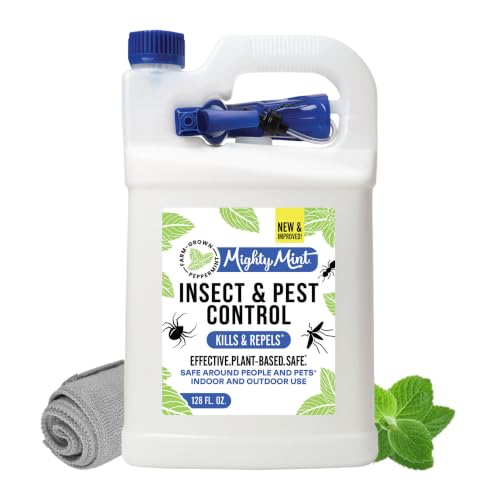
Pet-Friendly & Family-Safe Formula – Mighty Mint is a top pick for pet parents looking for a natural, pest control solution. Safe to use around dogs, cats, and kids when applied as directed—no harsh fumes or dangerous chemicals, just powerful peppermint protection you can trust.
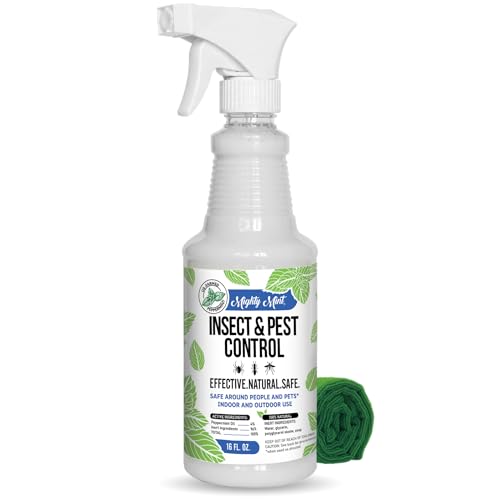
Pet-Friendly & Family-Safe Formula – Mighty Mint is a top pick for pet parents looking for a natural pest control solution. Safe to use around dogs, cats, and kids when applied as directed—no harsh fumes or dangerous chemicals, just powerful peppermint protection you can trust.

Botanical Name: Mentha Piperita. Plant Part used: Herb. Processing Method: Steam Distilled.
Optimal Dosage and Feeding Guidelines
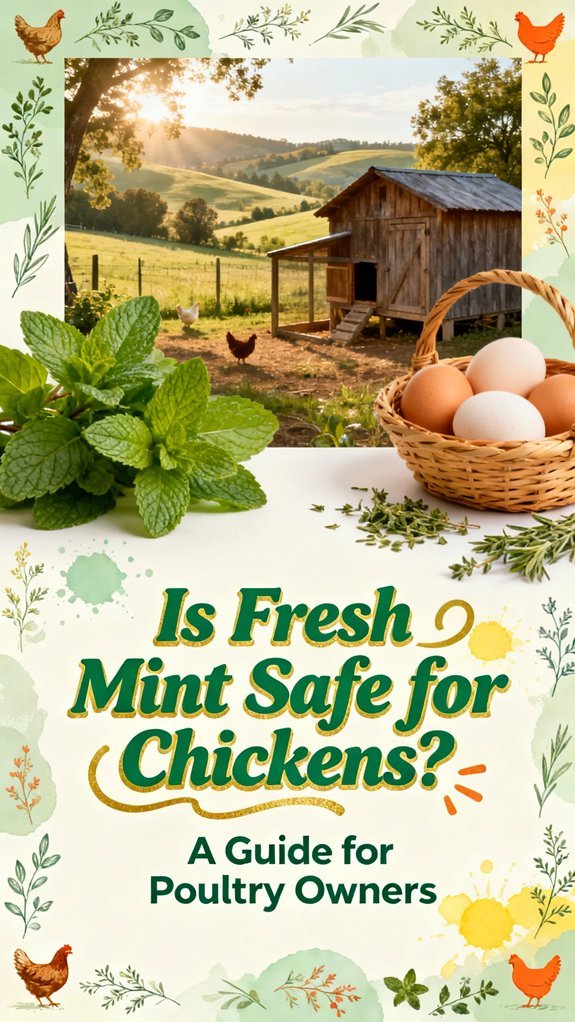
Is Fresh Mint Safe for Chickens? A Guide for Poultry Owners
Optimal Dosage and Feeding Guidelines
Safe mint supplementation for chickens depends on distinguishing between fresh and dried forms, since drying concentrates volatile oils and dramatically alters appropriate inclusion rates. You’ll want to limit fresh mint to approximately 2% of total feed by weight, while dried mint requires lower ideal inclusion—typically 0.5–1.5% depending on source quality. Additionally, incorporating natural cover in the environment can further protect your chickens while they enjoy their forage. Fresh greens, alongside mint, are important supplements for optimal chicken health.
For measurable production benefits, you should target 10–20 g/kg dried peppermint leaf (1–2% of diet). Feeding frequency matters: offer fresh mint occasionally as forage rather than a daily staple to maintain nutrient balance. Mix dried leaf uniformly into mash to guarantee consistent dosing across your flock, avoiding clumping. Like other spice supplements, mint serves to enhance wellness but does not replace the protein and calcium balance in formulated feed. Chicks under eight weeks need particular caution; introduce mint at less than 0.1% initially while monitoring droppings and behavior closely.
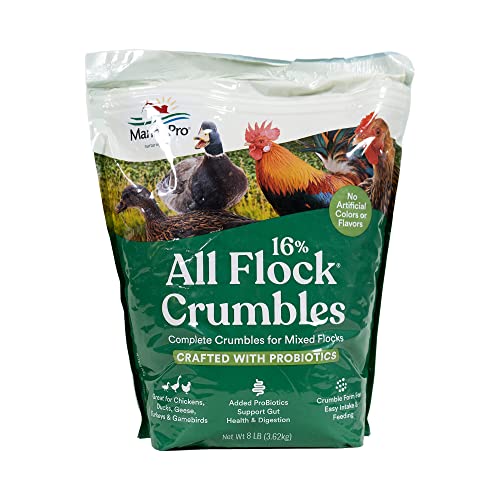
COMPLETE ALL FLOCK FEED FOR MIXED BACKYARD FLOCKS: Versatile poultry feed & all flock feed designed to support chickens, ducks, turkeys, geese, & more; a balanced bird food that simplifies feeding a diverse species in your backyard or homestead

Toothbrush-Shaped Dental Treats: Our toothbrush-shaped dog dental treat features textured ridges that help provide physical scrubbing during chewing. They work to clean teeth thoroughly, freshen breath, and cut down on tartar buildup, letting you snuggle up with your furry buddy comfortably and deepen your sweet bond.

Common Misconceptions About Mint and Chicken Health
How much do you actually know about mint’s effects on chickens? You’ve likely encountered claims that all mint varieties work identically or that fresh mint is inherently toxic. These misconceptions don’t hold up under scrutiny.
Different mint species—peppermint, spearmint, apple mint—contain varying menthol concentrations and essential-oil profiles, producing different physiological responses. Mint nutritional content and potency vary considerably across varieties, so research findings on one species shouldn’t generalize to others.
Fresh mint isn’t toxic at appropriate levels; controlled studies show neutral or beneficial effects. Toxicity concerns typically stem from concentrated essential oils at high doses, not modest fresh-leaf use. When added to nesting box mix, mint provides natural protection from parasites while keeping the environment fresh.
You’ll also encounter claims about parasite prevention and heat stress relief. Evidence supporting these assertions remains limited and largely anecdotal. Mint functions best as a complementary measure within integrated management strategies, not as a standalone solution.
Other Toxic Plants to Avoid in Your Coop
While mint poses minimal risk to your flock, your coop environment contains far more dangerous botanical threats that warrant immediate attention. Your toxic garden likely harbors severely hazardous plants like oleander, yew, and castor bean—all capable of causing sudden death through alkaloid poisoning. Furthermore, it’s important to ensure that any fertile eggs produced by your hens come from healthy, non-toxic environments to prevent further health issues for your flock. Moderately toxic species including foxglove, azalea, and bracken fern produce progressive symptoms ranging from cardiac damage to anemia. Additionally, plants in the Allium family—like onions and garlic—are also toxic to chickens and should be avoided. Nightshade family members—potatoes, tomatoes, eggplant—contain solanine compounds that prove toxic unless properly processed. In fact, parts of these nightshade plants can lead to serious health issues for your chickens. Common ornamentals like daffodils, hydrangea, and delphinium present significant risks. Additionally, poisonous herbs and plants containing cyanide, persin, or aspergillosis spores demand removal. It’s crucial to remember that some plants, such as avocado skins, can be particularly lethal to chickens if ingested. Different parts of plants may contain varying toxin levels, so thorough removal of all plant material including roots is essential for complete safety. Accidental ingestion of these poisonous plants can lead to severe health complications for your chickens, underscoring the need for vigilance in your poultry environment. You must systematically eliminate these botanical hazards by extracting roots completely, isolating your chickens during removal, and monitoring for poisoning symptoms post-exposure.

100% natural mineral odor eliminator for chicken coops - contains no perfumes, additives or chemicals

GOODBYE ODORS – Effectively breaks down waste and helps maintain a cleaner, healthier environment for your flock & also, Pig Pens, Rabbits, or any animal!

NEUTRALIZES AMMONIA & ODORS NATURALLY: Effectively reduces ammonia and unpleasant smells in chicken coops, helping maintain a cleaner, healthier environment for your poultry so they stay comfortable and happy.
Best Practices for Safely Offering Mint to Your Flock
Because mint offers genuine nutritional and health benefits to your flock, you’ll want to implement a strategic approach that maximizes these advantages while minimizing digestive risks. You’ll protect chicken digestive health by introducing mint gradually to birds unfamiliar with it, preventing initial intolerance. Your mint serving methods should remain occasional—treat-based rather than daily dietary staples. You can offer fresh leaves chopped into regular feed, dried and crushed leaves mixed into portions, or cooled mint water during heat stress. Orpingtons, known for their fluffy feathers and winter resilience, thrive in various environments and can also benefit from the soothing properties of mint. Additionally, offering mint as a treat can encourage hydration, which is crucial during hot weather when turnips can also be a refreshing option. In fact, mint, like cucumbers, is considered a hydrating treat for chickens, helping them stay cool and refreshed. Cap dried leaf inclusion at 20 g/kg of diet for 84 days to enhance egg quality safely. You’ll monitor your flock for allergic responses including itching, swelling, or breathing difficulties. The menthol content in mint naturally helps soothe respiratory issues while supporting your birds’ overall wellness. This measured approach guarantees your chickens benefit from mint’s antimicrobial and insect-repellent properties without compromising their health.

ONLY NATURAL LEAVES: Only mint leaves cut, no stems parts. No additives or preservatives. The mint has been dried, cut and sifted.

ONLY NATURAL LEAVES: Only mint leaves cut, no stems parts. No additives or preservatives. The mint has been dried, cut and sifted.
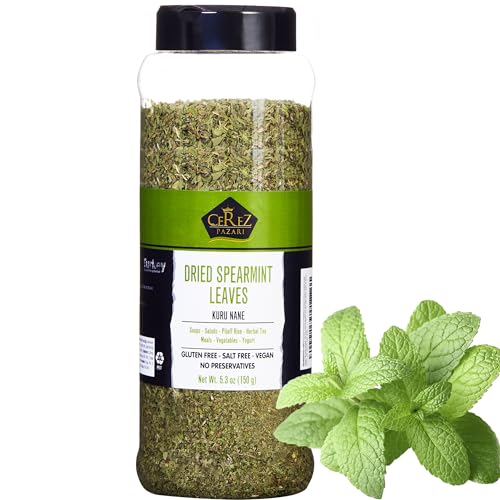
%100 NATURAL DRIED SPEARMINT LEAVES: Premium Quality, No Additives or Preservatives, Sealed Plastic Pet keep the product fresh, Easy to Use Flapper Spice Cap