You’ll master raising Frizzle Cochin Bantams by understanding their unique curly plumage genetics and ornamental value. You’ll need specialized housing with minimum 4 square feet per bird, draft-proof conditions, and dust baths to maintain feather health. You’ll provide 15-17% protein layer feed, fresh water, and regular vitamin supplements to prevent obesity-related illnesses. You’ll implement selective breeding practices avoiding homozygous pairings, manage their docile temperament carefully in mixed flocks, and prepare exhibition birds according to APA and ABA standards. Mastering these competencies positions you for extensive flock success.
Understanding Frizzle Cochin Bantam Characteristics
If you’re considering Frizzle Cochin Bantams, you’ll want to understand their distinctive physical traits and how these characteristics influence their care requirements. The frizzle gene produces curly plumage that grows outward, creating their characteristic puffy appearance. This unique feather structure reduces insulation effectiveness, compromising cold and wet weather tolerance compared to smooth-feathered breeds. Homemade chicken treats can help improve their overall health and provide essential nutrients. Using appropriate plastic nesting boxes inside their coop can also significantly enhance their hygiene and comfort. Additionally, like Pekin Bantams, Frizzle Cochins have a gentle temperament that makes them easy to handle. Feeding grass to Frizzle Cochin Bantams can provide important micronutrients and support their natural foraging behavior.
You’ll find size variations between bantam and standard Frizzles, with bantams weighing approximately 32 ounces for hens and 36 ounces for roosters. Their compact frames feature feathered legs, broad tails, and pronounced neck feathers. The frizzle trait doesn’t always breed true, so you may encounter non-frizzle offspring within Cochin Bantam lines. These characteristics make them primarily ornamental birds suited for backyard settings rather than production-focused operations. Frizzle Cochin Bantams exhibit a docile temperament that makes them excellent pets for families seeking friendly and sociable companion birds.
Creating the Ideal Housing and Environment
Now that you understand what makes Frizzle Cochin Bantams distinctive, you’ll need to accommodate their special requirements with thoughtfully designed housing and outdoor space. Your housing design must prioritize 4 square feet per bird minimum, accounting for their fluffy feathering that demands extra movement space. Make certain your coop remains dry and draft-proof while incorporating perches at varying heights for natural roosting behaviors. Allocate 8-10 square feet per bird in outdoor runs, ideally covered to prevent predation. To further enhance their wellbeing, consider creating an ideal dust bath where they can engage in natural behaviors to keep their feathers clean and reduce parasites. Additionally, ensure that your hens have access to adequate nesting boxes to promote comfortable laying conditions. Environmental enrichment greatly reduces stress and behavioral problems—add mulch, pebbles, and construction sand to prevent muddiness. Include shrubs and small trees for shelter and utilization. Additionally, be mindful of special dietary needs, as certain treats like commercial cranberry sauce should be avoided to maintain health. Their naturally broody temperament means providing quiet, secure nesting areas encourages them to settle into maternal behaviors. It’s also crucial to ensure that bedding material, such as pine shavings, is properly managed to avoid respiratory issues and other health concerns. In winter climates, provide radiant heating and monitor feathered feet for ice accumulation. This thorough approach creates conditions where your bantams thrive.

4X ABSORBENCY – Old Dominion Hemp bedding absorbs up to 4x its weight, keeping your chicken coops, small animal enclosures, and keep reptile habitats fresh. Ideal for a low-maintenance and fresh-smelling environment.

Our Product Includes: 1 lb of poplar wood shavings pet bedding, this product is compressed packaging, please rub the wood shavings with your fingers before use.

Highly Absorbent: Industrial hemp can absorb up to 7x its own weight in liquid, ensuring your pets have a dry and warm environment.
Nutrition and Health Management
Since your Frizzle Cochin Bantams depend entirely on you for proper nutrition, you’ll need to carefully calibrate their feed throughout each life stage to support their unique physiological demands. Feed composition requires 20-23% protein during the first four weeks, shifting to 16-18% protein during the grower phase at 6-12 weeks. Layer feed containing 15-17% protein with added calcium supports laying hens from 16 weeks onward, and providing large particle calcium separately helps ensure hens can regulate their intake and avoid deficiencies. Incorporating safe fruits and vegetables into their diet can provide essential nutrients and variety. Additionally, selecting feeds that are organic and non-GMO can enhance the overall quality of your chickens’ diet. However, it’s important to be cautious about certain foods, such as mashed potatoes, which may contain harmful additives. Chickens can be susceptible to external parasites, and appropriate measures should be taken to ensure they remain healthy and productive.
Nutrient timing proves critical for preventing Fatty Liver Hemorrhagic Syndrome, a fatal condition linked to obesity and fat accumulation. Monitor weight carefully and provide daily green food to prevent excessive fat buildup. Supply fresh water continuously, grit, and calcium supplements. Add vitamin electrolyte powder monthly and LifeGuard blend to support digestive and immune health, ensuring peak development and sustained productivity. Regular health check-ups with a veterinarian experienced in poultry care help identify early health issues before they become serious problems.

ALWAYS PREMIUM NUTRITION: Our corn-free and soy-free chicken food is a complete diet for laying hens, boasting a guaranteed minimum of 17% protein. Your feathered friends will thrive on this super premium blend, producing top-quality organic whole chickens.
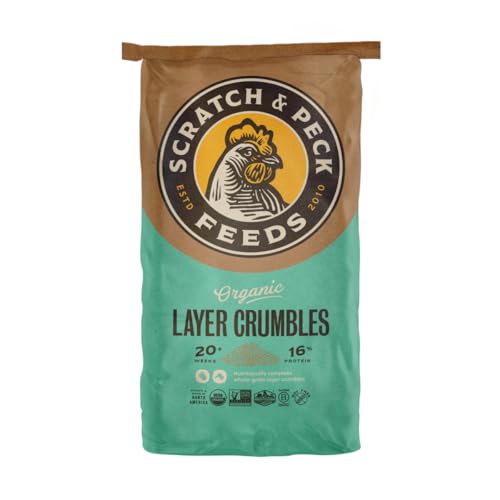
Boosts Egg Production - Packed with 16% protein from organic grains, this feed is a great way to lavish your laying ladies and fully support their overall health and happiness, ensuring a thriving flock.

Healthy and Natural Growth – Our nutritionally complete whole grain layer mash with 16% protein promotes optimal health in laying chickens and ducks. Fermentable. Corn-free. Soy-free.
Breeding, Genetics, and Selection Practices
Once you’ve established robust nutrition and health protocols for your flock, you’ll turn your attention to the genetic foundations that define Frizzle Cochin Bantams and determine breeding outcomes. You’ll employ heterozygous Frizzle (F/+) to homozygous smooth (+/+) crosses as your primary breeding technique, avoiding homozygous pairings that produce undesirable frazzle phenotypes. Maintaining genetic diversity through rotational mating systems and backcrossing strategies can enhance gut health by optimizing the overall vigor of the flock while preserving frizzle expression and diluting cumulative F-allele risks. Additionally, incorporating plantains as a nutritious treat can provide essential vitamins that support the chickens’ immune systems, while also ensuring that any additional treats, such as crab shells, are properly prepared to avoid health risks. Interestingly, while Frizzle Cochins are heavier breeds with limited flight capabilities, some lighter breeds can achieve greater heights for short distances. You’ll select breeding stock for balanced feather quality—pronounced yet durable frizzling without brittleness—alongside breed-conforming body type, leg feathering, and comb standards. Monitor inbreeding coefficients carefully, implement strict culling protocols for feather integrity and conformation, and record performance metrics including egg production and broody behavior to advance your line systematically. Always avoid breeding Frizzle Cochins with each other to prevent the genetic complications that arise from doubling the frizzle mutation.
Temperament, Behavior, and Socialization
As you refine your breeding program and establish health protocols, understanding the temperament and behavioral traits of your Frizzle Cochin Bantams becomes essential to flock management and keeper satisfaction. These birds exhibit docile dispositions and low social hierarchy aggression, rarely competing dominantly within flocks. However, their gentle nature makes them vulnerable to bullying by assertive breeds—pairing them with similarly calm birds mitigates this risk. Vocal tendencies vary individually; some bantams demonstrate persistent calling behavior, and changes in the environmental factors can also impact their vocalization frequency. Maternal instincts run strong, particularly in hens that readily go broody and exhibit attentive chick care. Understanding flock dynamics allows you to anticipate broody hen protectiveness and temporary social shifts. When handled regularly from chicks, these bantams can become affectionate lap chickens that develop strong bonds with their keepers. Early, consistent handling transforms these birds into responsive, handleable companions while respecting their inherent calm temperament. Additionally, understanding the breed characteristics of other chicken varieties, like Orpingtons, can enhance your overall flock management strategy.
Showing, Exhibition, and Special Care Requirements
When you’re ready to exhibit your Frizzle Cochin Bantams, understanding how they’re evaluated within the American Poultry Association (APA) and American Bantam Association (ABA) frameworks is essential for competitive success. Judges assess your birds against the underlying Cochin bantam standard rather than treating frizzles as a separate breed. You’ll enter the color class matching your bird’s recognized variety, with evaluation focusing on even outward curl without over-frizzling or brittleness. Exhibition preparation demands meticulous grooming: pre-show bathing with mild poultry shampoo, gentle blow-drying to arrange feather curl, and thorough cleaning of feathered shanks and toes. Your showing techniques should emphasize proper wing and tail alignment while maintaining feather integrity during transport to prevent damage before judging. Keep in mind that the frizzle gene does not breed true, so approximately 25% of offspring may not display the characteristic frizzled plumage even when both parents exhibit the trait.

✔️USE TO PREVENT PASTY BUTT BUILD UP: Unlike other baby chick supplies, Fluffy Feathers shampoo is gentle enough for chicks. Use to gently remove poop caused by pasty butt.
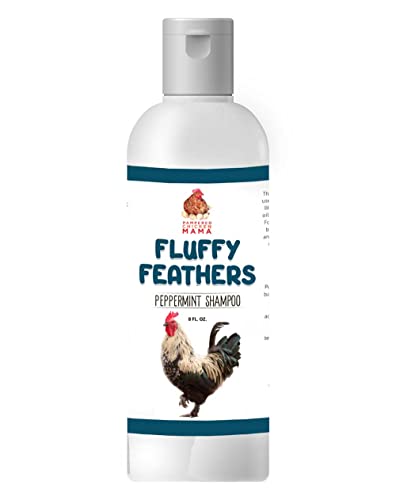
✔️USE TO PREVENT PASTY BUTT BUILD UP: Unlike other baby chick supplies, Fluffy Feathers shampoo is gentle enough for chicks. Use to gently remove poop caused by pasty butt.