Yes, rats’ll attack and kill your backyard chickens, especially targeting chicks and eggs under normal conditions. However, serious infestations escalate to juvenile and adult birds during nighttime raids when your flock’s roosting and vulnerable. Rats kill by targeting the head and neck, often dragging prey away. Beyond direct predation, you’re facing disease transmission, parasites, and chronic stress that’ll compromise your flock’s immunity and productivity. Understanding the full scope of rat threats reveals extensive strategies you’ll need to implement.
The Rat Attack Risk: What You Need to Know
Because rats typically target chicks and eggs under normal conditions, you might assume your flock faces minimal danger—until a serious infestation develops. When food scarcity strikes, rat behavior shifts dramatically. Rats escalate attacks on juvenile and adult birds, hunting at night when your chickens roost vulnerably. They kill by targeting the head and neck, often dragging prey into burrows. Notably, rat poison poses a significant risk to chickens, as they can consume it directly or through eating poisoned rodents. Additionally, unlike hens who have a fixed number of ova from birth, male chickens known as roosters have the ability to continuously produce sperm, making them an important part of chicken reproduction. To prevent these suppressing events, ensure your coop is secured with strong materials that deter both rats and other predators. A well-maintained coop with heavy-duty wire mesh can effectively keep both rats and other predators at bay.
Skunks, like rats, can also pose a risk to backyard chickens when they seek out vulnerable prey, indicating the importance of comprehensive protections. Understanding rat behavior enables better chicken defense strategies. Young birds remain especially susceptible until they reach roosting age. Nocturnal raids occur when your flock can’t escape. Multiple rats coordinate attacks, overwhelming chicks through simultaneous biting. You’ll notice missing birds, mysterious wounds, and nervous behavior at dusk. Rats are prolific breeders that adapt quickly to new food sources, making rapid population growth a serious concern for backyard chicken operations. Recognizing these signs helps you intervene before infestations spiral beyond control, protecting your investment in backyard poultry.

High-Quality Anti-Rust Process This hardware cloth is made from high-strength low-carbon steel wire, combining excellent strength with flexibility. After precision welding, the entire product undergoes a premium anti-rust treatment—hot-dip galvanization—with special reinforcement at all seams and corrosion-prone areas to ensure uniform, dense coating and outstanding rust resistance. This process grants the product superior weather resistance, making it an ideal choice for wire mesh fencing and long-term outdoor applications.
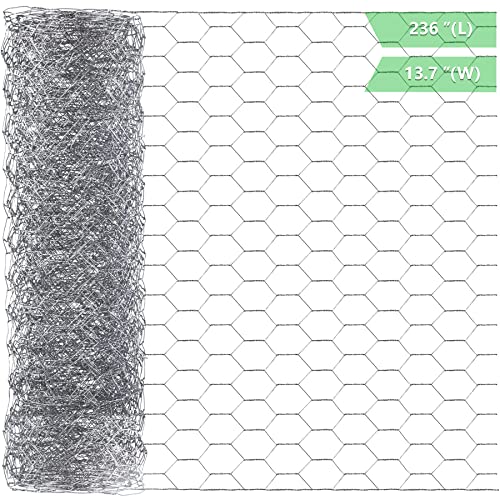
【Large Size】Each mesh is 13.7 inch (width) x 236 inch (length) / 0.35 m x 6 m, 0.8 x 1.38 inch mesh. Wire fencing is long and wide enough to enable you to cut off any shape that you need
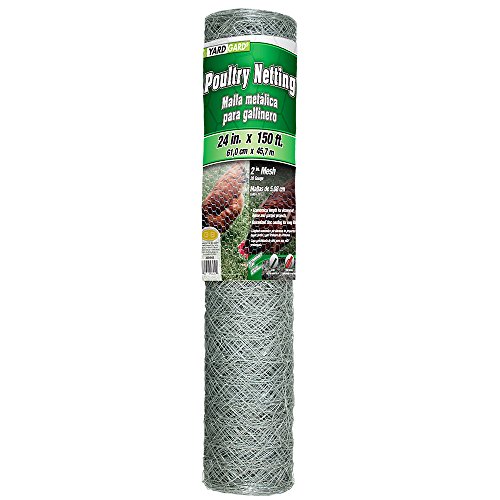
HEAVY DUTY MATERIAL – Made from strong yet lightweight 20‑gauge galvanized steel designed to endure outdoor conditions and long‑term farm use
How Chickens Attract Rats to Your Backyard
Your chicken setup itself creates the perfect environment for rat invasions. Spilled feed attracts rats opportunistically, especially at night when your chickens are inactive. Understanding rodent behavior reveals they’re drawn to easy food sources—uneaten scraps, accessible eggs, and improperly stored feed. Your feed management practices directly determine infestation risk. Rats exploit unsecured storage bins, scattered debris, and accumulated organic material in runs. They’ll consume uneaten feed rapidly, accelerating population growth. Additionally, gaps and shelter opportunities near coops provide ideal nesting sites for burrowing. An effective prevention strategy includes making coops rat-proof by implementing barriers and securing feed storage. Missing eggs often signal active rat presence before you notice other damage. Uncovered trash cans and fallen fruit from nearby trees compound the problem by providing additional food sources that sustain rat populations. Notably, an inadequate food supply for your chickens may lead to increased spillage, creating a cycle that attracts more rodents into your backyard. By recognizing these attractants—poor feed management, accessible food sources, and suitable shelter—you can implement preventative measures. Metal dustbins, nightly feed containment, and scrap removal markedly reduce your yard’s appeal to rodents.

NO WASTE CHICKEN FEEDER SAVES FEED & MONEY: Equipped with 6 deep feeding ports and internal flip-down baffles, this chicken feeder helps prevent birds from raking feed out and scattering it onto the ground. Unlike removable port covers that can easily get lost, the integrated cover design stays attached to the feeder for hassle-free use. The gravity-fed system minimizes waste, keeps feed clean and dry, and helps reduce long-term feeding costs.

【Funny Chicken Toys】7 Pcs chicken coop accessories contains: 2 x chicken swings, 1 x chicken xylophone, 1 x chicken pecking toy, 1 x chicken mirror with bells, 2 x hanging chicken feeder
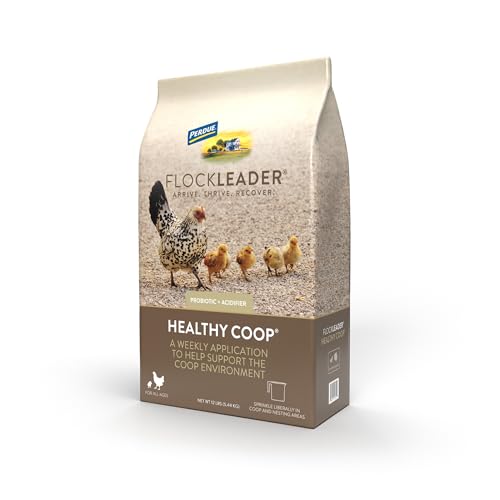
KEEPS YOUR COOP SAFE: The probiotics, acids and moisture absorbers in Healthy Coop help to keep your coop safe, neutralize odors, and keep bedding dry.
Recognizing the Signs of a Rat Infestation
Early detection of rat activity is critical to preventing full-scale infestation in your backyard chicken setup. You’ll identify droppings identification as your first line of defense—rat feces resemble dark, shiny raisins measuring 1/2 to 3/4 inches long, typically scattered near feeders and nesting areas. Keeping a dust bath nearby may help distract chickens and provide them with a natural behavior outlet, potentially reducing the appeal of rat activity. Furthermore, ensuring a clean and organized coop environment can help minimize the attraction of automatic waterers to pests. Additionally, the Austra White breed, known for its productivity, can be particularly vulnerable to predators if not properly protected; this vulnerability can also be heightened by attracting opportunistic chicken predators like rats due to food accessibility. This vulnerability is exacerbated by the presence of rat infestations which can threaten the safety of your flock.
Behavioral clues provide additional confirmation. You should monitor for food disappearing faster than your chickens consume it, along with nighttime scratching and squeaking sounds. Check for gnaw marks on wood, chewed feed bags, and greasy smears along travel paths indicating established rat runs. Rat droppings and strong-smelling urine are key indicators that warrant immediate investigation.
You can verify activity through simple inspection methods: sprinkle flour around suspected areas to reveal footprints, install motion-activated cameras, or conduct nighttime torch inspections. Missing eggs or injured chicks signal escalating predation. Addressing these signs immediately prevents serious damage.

Herbal Aromatic Freshness: Carefully crafted with a premium mix of calendula, basil, lavender, blue cornflower, lemon balm, rose petals, and rosemary for enhanced coop wellness. Our blend infuses your coop with the soothing scents, keeping it naturally smelling fresh and pleasant.

Waterproof Material: Crafted from tear-resistant and translucent PE material, this chicken coop cover provides protection from rain, snow, and wind during winter. The translucent design allows sunlight in for warmth and visibility, while effectively insulating the coop to keep your chickens cozy and safe from the cold

Eat Anywhere To Supplement Nutrition: You can pour chicken nesting herbs in the chicken house; litter; nest box; feeder; dust bath area, and the chickens can eat it anytime and anywhere. Nesting herbs for chicken coop can be mixed with other chicken feeds to make a perfect snack supplement, supplementing chickens with multiple vitamins; minerals; calcium and trace elements, etc., which is beneficial to the health of chickens and improves the quality of eggs
Health Threats and Stress-Related Production Losses
While rat infestations threaten your flock’s immediate safety through direct predation, they’ll also compromise your chickens’ long-term health and productivity through disease transmission, parasite introduction, and chronic stress. Contaminated feed and water facilitate bacterial, viral, and parasitic pathogen transfer to your birds. Additionally, regular application of treatments like diatomaceous earth can help mitigate the impact of new parasites introduced by rats. Furthermore, maintaining effective hygiene practices can significantly reduce mite populations and other parasites brought in by rodents. Rats are known to attract and enable other predators, particularly domestic dogs and other animals seeking an easy meal, thereby creating an even greater risk for your flock. Parasite spread occurs rapidly when rats introduce lice, fleas, and mites into coop environments, particularly through bedding and nesting materials. Nighttime rat activity exacerbates these transmission risks considerably. Rats can chew through wooden structures and wire barriers, creating additional entry points that intensify pathogen exposure for your flock.
It’s also important to note that chickens can be affected by external parasites such as lice, which can lead to increased stress and reduced productivity. Your flock’s stress response to predator presence directly reduces egg production. Startled chickens exhibiting nervous behavior at night experience disrupted roosting and compromised immunity. This chronic anxiety, combined with disease and injury effects, compounds production losses greatly. You’ll observe fewer eggs alongside visible rat activity signs, signaling declining overall flock health that requires immediate intervention.
Damage and Feed Losses From Rodent Infestations
Beyond the immediate health consequences rats inflict on your flock, they’re simultaneously draining your operation’s profitability through feed consumption, contamination, and infrastructure damage. Your feed theft losses extend far beyond what rats actually eat—they’ll destroy up to ten times more feed than they consume through contamination and spillage, causing your birds to refuse it entirely. Additionally, it’s crucial to consider that nutritional value may decline if feed is contaminated, further impacting the health of your chickens and their productivity. Meanwhile, structural damage compounds these costs as rodents gnaw insulation, electrical wiring, and coop materials, increasing energy consumption and risking dangerous power failures. A modest infestation of twenty rats causes approximately 0.18 tons of annual feed loss alone. These rodents can consume up to 10% of their body weight daily, rapidly escalating feed depletion across your operation. The USDA estimates $25 per rat yearly for combined feed waste and egg damage, making rodent control essential for maintaining profitability in your backyard operation.

See-through feed window: Instant feed level checks without opening; this metal chicken feeder makes knowing when to top-up easy. With this extra large chicken feeder, you won't be left guessing everyday if it is time to refill

Prevent Predators:2 roll chicken coop predator proof apron total about 11-5/8in W x 65 ft L, expertly designed to effectively block predators.Extending the wire mesh to the bottom of the coop prevents predators from digging their way in
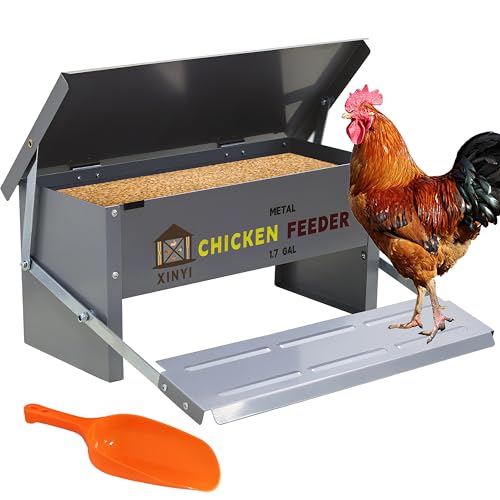
Treadle chicken feeder:This metal chicken feeder is made of high quality galvanized steel plate,built to last.
Proven Prevention and Control Strategies
Since rodent damage threatens both your flock’s health and your operation’s bottom line, you’ll need a multi-layered approach combining exclusion, sanitation, and targeted elimination.
Your cooping strategies should prioritize hardware cloth barriers, buried skirts at least 12 inches deep, and automatic coop doors that close at dusk. Raise structures off the ground to eliminate shelter spaces underneath. Additionally, supplementing your chickens’ diet with high-protein treats can help support their overall health and resilience against pests.
For feed storage, use only metal or sealed rodent-proof containers with tight-fitting lids—rats easily penetrate plastic and cardboard. Install treadle-style feeders with limited access and remove feed nightly to deny food sources.
Deploy snap traps along walls and run edges using peanut butter as bait, checking daily. Maintain clear perimeters around your coop and remove debris, brush, and tall grass that provide harborage. Seal utility gaps with steel wool or cement to block entry points. Remember that rats steal eggs, which reduces flock productivity and creates additional stress on your operation.

High quality raw materials: Our hardware cloth chooses the strength, toughness and ductility of low carbon steel wire as the inner core. This determines the basis of the high quality of our products.23Gauge Galvanized After Welding Wire Metal Mesh Roll Use this to protect vegetables and flower roots, bulbs, rhizomes, etc from tunneling animals. pack:A roll of hardware cloth

Material and size: The size of the hardware cloth is 16 inch×50 ft and 1/2 inch×1/2 inch thickness, adopt 19 guage hot-dipped galvanized material

❶ EXACT SIZE — 4" X 10FT ROLL,NOT A FULL-SIZE SHEET A 4-inch-wide, 10-foot-long narrow strip for gaps, vents and fence bases — not a full sheet you'll never finish. Also in 8、12 and 16-inch widths for full-coverage fencing.