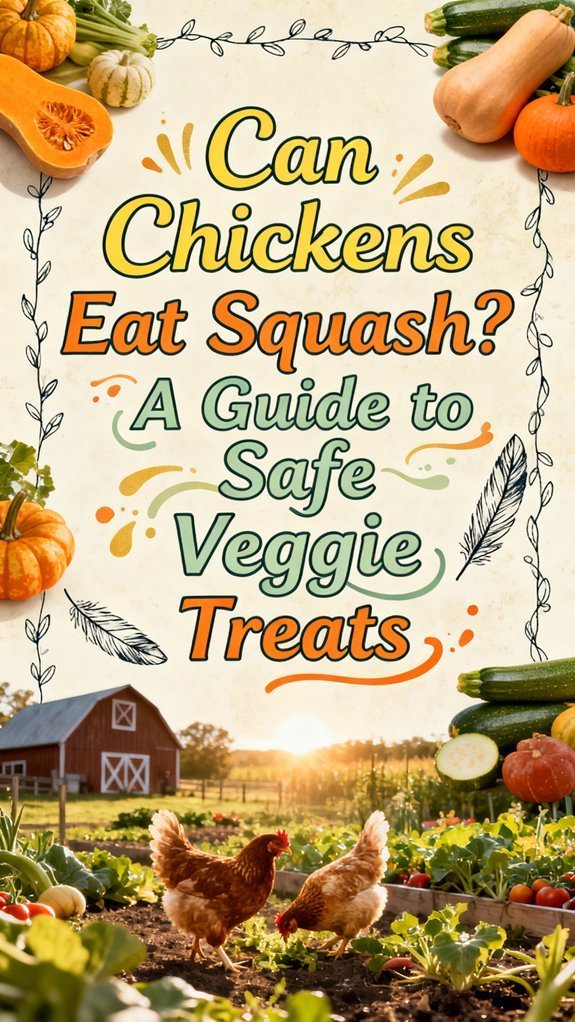
You can safely feed butternut squash to your chickens as a nutrient-dense treat providing over 300% daily vitamin A, vitamin C, E, B vitamins, and essential minerals like potassium and magnesium. Cook it by baking or boiling to retain nutrients, then serve 5-15g per bird in 1-5cm pieces depending on breed size, limiting treats to 1-3 times weekly. Avoid bitter-tasting homegrown squash indicating potentially toxic cucurbitacins. Monitor droppings and egg quality for digestive health. Understanding preparation methods, portion control, and health indicators will optimize your flock’s nutritional outcomes.
Nutritional Benefits of Butternut Squash for Chickens
When you’re looking to optimize your flock’s diet, butternut squash delivers substantial nutritional value across multiple micronutrient categories. You’ll find over 300% of the daily recommended vitamin A in just 100g of raw squash, which your hens convert from beta-carotene to support eyesight and nutrient absorption. The vitamin C content reduces stress hormones while antioxidants regulate cortisol levels, creating a calmer flock. Vitamin E at 1.06mg per 100g further protects against oxidative damage. You’ll also benefit from B vitamins—folate and pantothenic acid—that support metabolic functions. The mineral profile, including 352mg potassium, calcium, iron, and magnesium, provides extensive immune support while the 2g fiber aids digestive health. Additionally, the high water content in butternut squash keeps your flock properly hydrated during warm months, which is essential for regulating body temperature and maintaining optimal organ function. This nutritional synergy makes butternut squash an evidence-based dietary addition for laying hens.

One (1) 32 oz carton of Pacific Foods Light in Sodium Organic Butternut Squash Soup


WHAT'S INSIDE: 12 ounces of frozen diced butternut squash
Safety and Toxicity: What You Need to Know
While butternut squash offers impressive nutritional benefits, you’ll need to understand the plant compounds that can pose risks under specific conditions. Cucurbitacins—bitter steroidal compounds—occasionally accumulate in squash varieties, particularly when plants experience stress from drought, pest damage, or excessive nitrogen fertilization. Effective prevention methods against these stresses can help ensure the safety of the squash for your chickens. Cucurbitacin toxicity causes gastrointestinal irritation, vomiting, and diarrhea in chickens; high doses may damage organs including the liver, pancreas, and kidneys.
To maintain the health of your flock, it is essential to bathe your chickens as part of their overall care routine, especially if they become dirty from foraging. Importantly, it’s crucial to ensure that chickens do not consume toxic foods that can exacerbate health issues. Young hens, such as pullets, may be more sensitive to dietary changes, emphasizing the importance of cautious feeding practices. You can identify risk through taste: bitter fruit indicates elevated toxin levels. Commercial butternut squash is selectively bred for low bitterness and poses minimal risk. However, homegrown or stressed plants warrant caution. Discard any bitter fruit before feeding your flock. Importantly, cooking doesn’t reliably eliminate cucurbitacins since some remain heat-stable. Your best defense is sourcing reliable produce and conducting a simple taste test.
How to Prepare Butternut Squash for Your Flock
Once you’ve selected safe butternut squash, proper preparation guarantees your flock receives maximum nutritional benefit while minimizing texture-related feeding issues. You’ll employ two primary cooking methods: baking and boiling. For baking, halve the squash lengthwise, scoop out seeds and pulp, then position cut-side down on a baking pan at 350-400°F for 30-45 minutes until fork-tender. Alternatively, boil smaller chunks in minimal water for 15-20 minutes to retain nutrients. You can leave seeds intact for added fiber or remove them for uniform texture. After cooling to warm temperature, lightly mash if desired and serve in shallow dishes. The butternut squash puree can also be mixed into their regular feed for easier consumption. Store refrigerated leftovers for up to two days, ensuring your preparation techniques deliver ideal nutrition and palatability to your chickens.


ORGANIC BABY & TODDLER FOOD – Created by a neurosurgeon mom, made with organic whole food ingredients for brain and body development

Best Practices for Serving and Portion Control
Because improper portioning can displace essential nutrients and compromise flock health, you’ll need to establish clear serving guidelines based on bird size, frequency, and monitoring protocols. Adjust portion sizing according to breed: offer 1–2 cm cubes for pullets, 2–4 cm chunks for standard adults, and up to 4–5 cm for large breeds. Limit treat frequency to 1–3 times weekly, providing 5–15 g per bird per serving to maintain the critical ≤10% daily treat threshold. Space servings across non-consecutive days to reduce digestive upset. Monitor egg production, shell quality, and body weight over 2–4 weeks; decrease portion size or frequency if you observe weight gain or decreased egg output. Since butternut squash is packed with essential nutrients like Vitamin A, fiber, and potassium, it serves as a beneficial supplement when offered appropriately. Additionally, ensuring that your chickens receive adequate calcium from their primary feed is essential for maintaining optimal health and egg production. Remove uneaten squash within 4–6 hours to prevent bacterial growth and pest attraction.
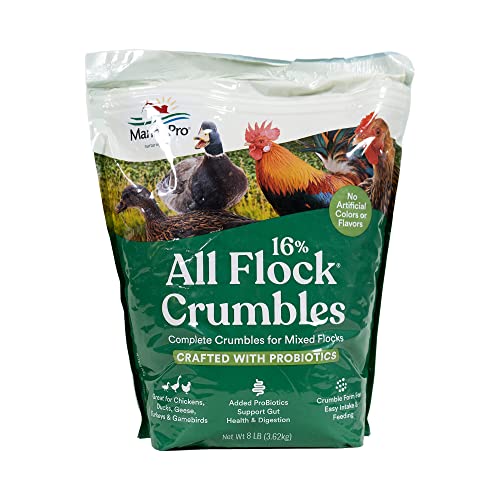
COMPLETE ALL FLOCK FEED FOR MIXED BACKYARD FLOCKS: Versatile poultry feed & all flock feed designed to support chickens, ducks, turkeys, geese, & more; a balanced bird food that simplifies feeding a diverse species in your backyard or homestead

Enrichment and Behavioral Benefits
Beyond nutritional support, butternut squash serves as a powerful enrichment tool that engages your flock’s natural behaviors while simultaneously delivering stress-reduction and immune-boosting compounds. When you present whole squash, you stimulate instinctive pecking behavior as chickens work to access the flesh and seeds. This foraging activity provides hours of mental stimulation and physical engagement that combats boredom-related vices. Additionally, engaging with fresh foods like squash can stimulate testes size and overall reproductive health in male chickens as they thrive in an enriched environment.
You’ll observe your birds systematically dismantling the squash, consuming all edible components—flesh, seeds, and skin. Seeds offer additional deworming properties, enhancing flock health during these extended interaction periods. The soft, cooked texture encourages prolonged engagement, while the squash’s low-calorie profile permits frequent offerings without nutritional excess. Butternut squash is not a nutritionally complete food for chickens, so it should complement rather than replace their primary feed sources. This combination transforms a simple treat into a multifunctional enrichment source that promotes natural behaviors and sustained flock activity.
Seasonal Feeding and Storage Guidelines
Butternut squash’s exceptional storage capacity makes it an ideal seasonal supplement for your flock, particularly when you time feeding around the late-summer and fall harvest glut. Proper storage techniques extend usability: cure squash in warm, dry, well-ventilated conditions for 7–14 days, then maintain temperatures between 50–55°F with 50–70% relative humidity. Whole, uncut squash stores for several months; once cut, refrigeration shortens shelf life to weeks. Additionally, provide social interaction to your chickens as they can become stressed if isolated when not foraging for food. Rotate stock using first-in, first-out methodology and segregate damaged specimens to prevent decay spread. During winter, offer halved or whole squash as slow-release enrichment when fresh greens are scarce. In summer, feed smaller portions lightly cooked to minimize coop moisture. Like the balanced macronutrient profile found in quality poultry feeds, butternut squash provides fiber and essential nutrients that support flock health throughout the year. Furthermore, high-protein layer feed is crucial for ensuring your chickens remain productive and healthy. Additionally, offering other vegetables alongside squash promotes a healthy diet for your chickens. Always discard specimens showing soft spots, mold, or off-odors before feeding your birds.
Monitoring Your Chickens’ Health and Digestion
While proper storage and seasonal feeding lay the groundwork for your flock’s nutrition, you’ll need to monitor how your chickens respond to butternut squash and other dietary components through regular health assessments. Conduct systematic health monitoring by observing droppings consistency, which directly reflects digestive health. Well-formed, solid droppings indicate proper digestion, while watery stools or visible undigested material suggest dietary issues. Additionally, feather loss can indicate underlying health problems that may arise from dietary imbalances or stress, including possible mite infestations. Chickens like the Speckled Sussex are known for their friendly temperament and can also show signs of dietary distress if their nutrition does not meet their needs, making balanced nutrition crucial. It is essential to note that egg production rates can also be impacted by what you feed your flock. Examine your chickens’ physical condition weekly, noting body weight stability and crop function—crops should empty overnight and refill during the day. It’s also important to remember that chickens typically resume laying eggs as daylight hours increase, which can affect their overall health and dietary needs during certain times of the year. Watch for behavioral changes indicating digestive distress: lethargy, reduced appetite, or abnormal posture. Track egg production and quality as additional digestive health indicators. Early intervention improves recovery rates and ensures butternut squash remains appropriate for your flock’s nutritional needs. Any sudden changes warrant immediate dietary adjustment and veterinary consultation to guarantee butternut squash remains appropriate for your flock’s nutritional needs.
Common Concerns and Misconceptions
Despite butternut squash’s safety record for poultry, several persistent myths circulate among chicken keepers that warrant clarification. You’ll encounter claims that squash poses toxicity risks comparable to avocado or rhubarb—misconceptions lacking scientific basis. Squash contains no persin or oxalates that make other foods dangerous. Additionally, butternut squash offers a diverse array of nutritional benefits that can contribute to your chickens’ well-being, including vitamins C and A, which are vital for immune support. Chickens especially benefit from vitamin-packed vegetables like butternut squash, which can help promote overall health. Furthermore, chickens thrive on hydrating foods such as squash due to its high moisture content. Chickens can also safely consume many spicy foods like chili peppers without adverse effects, as they do not sense spiciness in the same way mammals do.
Your dietary preferences regarding preparation methods don’t reflect your chickens’ feeding habits. You might assume cooking’s necessary, but chickens readily consume raw, sliced butternut without issue. The hard skin won’t cause choking once you cut it open, and you can also serve vegetable trimmings to minimize waste.
You’ve likely heard that squash seeds possess deworming properties through cucurbitacin content. However, no peer-reviewed poultry studies validate this claim. Variable cucurbitacin levels across varieties make this approach unreliable for parasite control. Like other vegetables such as carrots and bell peppers, butternut squash provides beneficial vitamins and fiber that support overall flock health.
Finally, you needn’t fear nutritional imbalances from appropriate squash quantities—your flock self-regulates consumption naturally.
When to Consult Your Poultry Veterinarian
Recognizing when your flock needs professional veterinary care protects your birds from preventable suffering and death. You’ll want immediate vet consultation if you observe acute hemorrhage, head trauma, seizures, open fractures, or extreme respiratory difficulty. During health monitoring, watch for swollen, hot, or fluid-filled areas beneath scabs; crepitus with pain in hocks; or abnormal joint presentations suggesting infection. Digestive issues warrant veterinary evaluation, particularly crop motility problems, diarrhea with abnormal consistency, or concerning fecal changes. Neurological signs like drooping wings, head tilts, or unusual postures demand prompt attention. Additionally, abnormalities persisting or worsening despite initial observation necessitate professional assessment. Resources like the Poultry Vet Guide provide veterinary professionals with diagnostic and treatment references to support effective bird care. Don’t delay—early intervention through vet consultation prevents complications and supports your birds’ long-term welfare and recovery.