You’ll find that ISA Brown chickens typically live 2–3 years under commercial conditions due to intensive selective breeding for egg production exceeding 300 annually. However, you can extend their lifespan to 5–8 years through superior management practices including proper nutrition, hydration, biosecurity protocols, and environmental enrichment. This breed’s shortened lifespan stems from metabolic debt created by high production rates, which compromises immune function and triggers health complications like fatty liver syndrome and ovarian disorders. Understanding the specific interventions that counteract these physiological challenges reveals substantial opportunities for improving longevity.
Typical Lifespan Range
When you consult breed guides and major poultry retailers, you’ll find ISA Brown chickens consistently listed with a lifespan of 2–3 years, a figure that reflects their commercial breeding history and selection for high egg production rather than longevity. This published range represents the productive laying period under industry conditions, where 93% livability during production cycles prioritizes egg output over extended biological life. However, longevity factors greatly influence actual outcomes. Backyard keepers report exceptions where individual birds live 5–8 years with superior husbandry, healthcare, and reduced production pressure. The variance underscores that breeding practices optimized for commercial performance inherently compromise extended lifespan potential, whereas improved backyard management can substantially extend survival beyond industry-standard estimates. With proper care and nutrition, ISA Browns can recover some of the biological longevity that their intensive breeding has suppressed. Additionally, offering apple cider vinegar in their water can further enhance their overall health and longevity.
Why ISA Browns Have Shorter Lifespans
Because ISA Brown chickens have been selectively bred as commercial layer hybrids optimized for maximum egg production rather than longevity, they’re inherently predisposed to shortened lifespans compared with heritage breeds. Their breeding practices concentrate genes for fecundity while sacrificing genetic diversity for disease resistance and robustness. You’ll observe that the intense metabolic demands of producing 280–320+ eggs annually strain reproductive and organ systems, triggering fatty liver syndrome, kidney disease, and oviductal prolapse. These production-related pathologies accumulate rapidly throughout their laying careers. Additionally, suboptimal health management—including inadequate calcium and protein supplementation, high-density housing stress, and vaccination gaps—exacerbates their inherent vulnerabilities. Regular health monitoring and kidney issue surveillance are crucial for detecting early signs of decline, as antibiotics may aid recovery but generally only delay the onset of complications. Furthermore, providing a comfortable nesting box can help reduce stress and improve overall well-being during their laying phase. It’s noteworthy that offering nutritious fruits like plums can provide additional vitamins and hydration, which may support overall health. A proper transition to layer feed before they begin laying can also enhance their nutritional intake and potentially support their longevity. Research indicates that well-cared-for hens can produce more eggs, which can increase strain on their health; without compensatory husbandry practices, ISA Browns deteriorate faster than genetically diverse breeds adapted for longevity rather than peak output. This is particularly pressing since chicken allergy can also pose additional challenges for those raising them in proximity to sensitive individuals.
Egg Production and Its Impact on Longevity
The extraordinary egg production demands placed on ISA Brown hens directly precipitate their abbreviated lifespans through relentless physiological strain. You’ll observe that selective breeding techniques have engineered these birds to produce 300+ eggs annually, forcing continuous reproductive cycles without adequate rest periods. This year-round output overwhelms their systems—particularly their kidneys and reproductive organs—accelerating cellular deterioration.
When you examine egg quality metrics, you’ll notice shell density issues emerge if hens breed prematurely, compounding internal stress. The toll mirrors patterns in other hybrid layer breeds: production intensity inversely correlates with longevity. While heritage breeds sustain 8-10 years with modest outputs, ISA Browns exhaust their physiological reserves within 2-3 years. This metabolic debt represents the biological cost of intensive breeding techniques prioritizing yield over lifespan. In contrast, dual-purpose breeds experience slightly longer lifespans because they are not subjected to the same extreme reproductive demands as layer hybrids.
Strategies to Extend Your Bird’s Life
While ISA Browns’ genetic predisposition toward abbreviated lifespans remains largely immutable, strategic management interventions can meaningfully mitigate the physiological deterioration accelerated by high egg production. You’ll extend your birds’ lifespan through nutritional balance—providing 16–18% protein, supplemental calcium via oyster shell, and consistent hydration to prevent metabolic strain. Additionally, a well-rounded diet should include crushed oyster shells, as these are essential for maintaining consistent calcium levels critical for strong eggshell formation. A properly balanced layer feed contributes to stronger eggshells and overall health. Feeding meat chickens early with adequate nutrition can also be beneficial, as it sets a foundation for stronger development. Furthermore, chickens require essential vitamins and minerals to support their immune system and overall well-being. Environmental enrichment reduces chronic stress: guarantee adequate spacing, predator-proof housing, and proper ventilation to minimize immunosuppression and respiratory disease. In fact, these enhancements can be particularly vital for breeds known for high egg production, such as Rhode Island Reds. Implement scheduled production breaks and natural molts to allow reproductive recovery. Since ISA Browns typically experience strain from high egg production, monitoring for signs of reproductive stress such as soft-shelled eggs or sudden production drops can alert you to adjust feeding programs or provide rest periods. Establish preventive biosecurity protocols, including quarantine procedures and parasite monitoring based on diagnostics rather than presumptive treatment. These coordinated interventions address the compounding physiological demands that typically curtail ISA Brown longevity, supporting extended productive life.

Superior calcium from Oolitic Aragonite: Provides high-quality calcium sourced from naturally occurring Oolitic Aragonite for optimal poultry nutrition
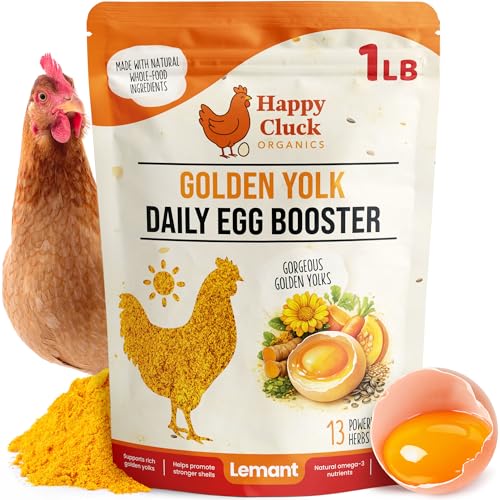
13 WHOLE-FOOD HERBS IN EVERY DAILY SCOOP - This Daily Egg Booster for Chickens packs 13 functional whole-food ingredients into every daily scoop. Each 1 LB pouch blends pumpkin powder, carrot powder, turmeric, milled calendula flowers, stabilized flaxseed, black oil sunflower meal, brewer's yeast, dual-grade calcium carbonate, kelp meal, chili flakes, rosemary extract, and standardized marigold extract into a single premium chicken vitamin and supplement for daily backyard flock nutrition.

Dual Nutrient Blend of Vitamins & Minerals: Formulated with scientifically matched vitamin and mineral ingredients to support balanced nutrition intake for your poultry. Essential vitamins help support steady growth status, while included minerals assist normal feather development, offering all-around daily nutritional support for your flock.
Common Health Issues That Affect Lifespan
Even with ideal management practices in place, ISA Browns face distinct physiological vulnerabilities that directly shorten their productive years and overall lifespan. You’ll encounter reproductive strain from selective breeding for intense egg production, including ovarian disorders, egg-binding, and dystocia complications. Nutritional deficiencies compound these challenges—sustained calcium mobilization predisposes your birds to osteoporosis and fractures, while inadequate protein or micronutrients compromise immunity and organ function. Interestingly, chickens enter adulthood around 18 to 25 weeks old, which affects their reproductive health as they age.
Chickens often benefit from harmonious sounds that mimic their natural acoustic environment, which can influence their overall well-being. Common diseases notably impact survival rates. Respiratory pathogens like Mycoplasma and infectious bronchitis spread rapidly in high-density environments, while parasitic burdens weaken already-stressed birds. Chronic production stress suppresses immune responses, making your flock vulnerable to secondary infections. The average lifespan of about 4 years can be significantly reduced when these disease pressures accumulate without proper management intervention.
You’ll need robust biosecurity protocols, vaccination programs, and dietary formulations to mitigate these interconnected health challenges and extend your ISA Browns’ longevity.

FOR CHICKENS OF ALL AGES: Electrolytes plus Vitamins & Trace Minerals for Poultry of All Ages

Formulated for Chickens, Effective for All Poultry: Specially developed to provide balanced nutrition support for chickens while remaining effective for ducks, turkeys, and other poultry. This E+S blend (with selenium for chickens) helps maintain vitality, balance, and overall condition in diverse flocks of all ages.
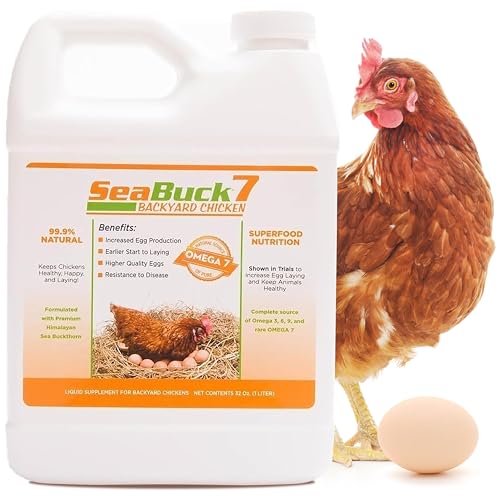
BOOST EGG PRODUCTION – SeaBuck 7 Backyard Chicken (BYC) increases egg production by 50-100%, resulting in larger, harder-shelled, and better-tasting eggs. With SeaBuck 7, you can reduce your chickens and maintain the same egg quantity or increase egg supply for sale & share with neighbors.
Planning for Long-Term Flock Management
Because ISA Browns’ productivity declines sharply after their second year of lay, you’ll need to establish a structured replacement planning strategy that balances sustained egg output with flock health and financial viability. Implement staggered pullet additions every 2–3 years to maintain peak production while avoiding simultaneous loss of high-laying hens. Incorporate pullet acquisition costs and reduced revenue projections into your financial planning.
Simultaneously, optimize housing management by providing adequate space per bird, robust ventilation, and predator-proof structures. Design nesting and roosting areas accessible to older birds, minimizing injury-related culling. Maintain dry bedding and seasonal environmental adjustments to reduce respiratory and parasite burdens. Establish quarantine protocols for incoming replacements to prevent disease introduction that’d force unplanned turnover. These coordinated practices extend productive lifespan while sustaining operational efficiency. Additionally, be mindful of factors like stress management that can impact the overall health and longevity of your flock.
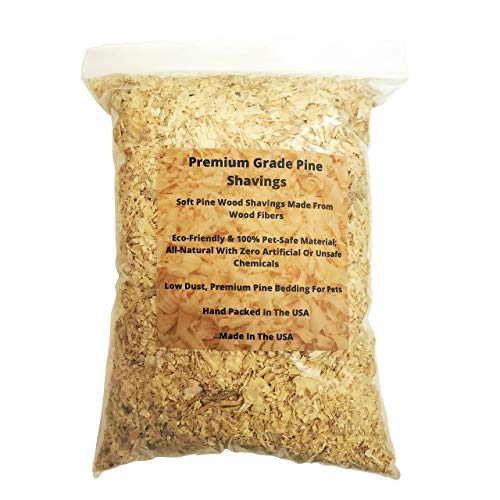
*Premium Quality Small Pet Bedding. Soft and Comfortable - The rabbit litter is soft, free of chemicals, has no irritants and won't irritate the skin of your tiny pets. Our animal bedding prevents allergic reactions and provides a cozy, dry and warm environment to your small pet animals.

Nesting Pads for Laying Hens: Made from sustainably harvested aspen excelsior, these nesting pads give your laying hens a soft, comfortable place to nest and lay their eggs

4X ABSORBENCY – Old Dominion Hemp bedding absorbs up to 4x its weight, keeping your chicken coops, small animal enclosures, and keep reptile habitats fresh. Ideal for a low-maintenance and fresh-smelling environment.