Wood shavings aren’t perfect for every setup, but they’re the closest thing to a universal solution you’ll find. They absorb moisture efficiently, suppress ammonia odors, and support natural scratching behavior. Pine shavings offer strong performance at a lower cost, while aspen is safer for sensitive flocks. You’ll need to choose the right wood type, manage depth correctly, and avoid common health risks — all of which become much clearer as you work through each factor.
Why Chicken Keepers Choose Wood Shavings for Bedding
Wood shavings have become a go-to bedding choice for chicken keepers, and it’s easy to see why. They strike the right balance between performance and cost effective sourcing—you can grab bulk bags from agricultural suppliers, carpenters, or furniture shops without straining your budget. Pine shavings, in particular, cost less than alternatives like aspen while still delivering strong absorbency. They pull moisture from droppings efficiently, cutting ammonia buildup and reducing disease pressure from coccidiosis and respiratory issues. Their dense composition insulates the coop floor during winter, keeping your flock warm and productive. Beyond function, they’re soft underfoot, cushioning your chickens’ claws and supporting natural behaviors like scratching. Their sustainability impact is straightforward—longer replacement cycles mean less waste and lower ongoing maintenance demands. Pine shavings are also lightweight and easy to store, typically sold in compact plastic bags that take up minimal space between uses. Additionally, incorporating alkaline wood ash into dust bathing boxes can help control mites and lice, further supporting flock health. Using hemp bedding in nest boxes can also improve odor control and antibacterial protection.
Which Type of Wood Shavings Is Safest for Chickens?
Not all wood shavings are created equal, and picking the wrong type can seriously harm your flock. Cedar tops the danger list—its phenolic oils cause respiratory damage and tank egg production fast. Pine sits in the middle ground; it’s widely used and offers some allergen control, but its VOCs and surface-migrated abietic acid from kiln-drying raise real concerns. Aspen shavings consistently outperform both, showing lower cytotoxicity and reduced liver enzyme activity in studies. For cost-effectiveness without compromising flock health, aspen or dust-extracted kiln-dried pine are your strongest practical options. Hardwood shavings bring mould risks and sourcing headaches, making them a poor trade-off. Always confirm the wood type with your supplier before buying in bulk. Pine shavings contain abietic acid, which research has linked to direct damage of the respiratory system in exposed animals. Pine dust can also be carcinogenic, emphasizing the need for regular cleaning and dust control.

Natural Aspen Shavings:Made of natural aspen wood and processed to reduce dust, these shavings have a fresh woody scent, are fluffy and comfortable, making them ideal for chicken coop bedding

Natural Pet Bedding – Made from 100% natural materials with no additives or fragrances. Soft, fluffy, and safe, providing a healthy bedding option for your small pets.

Aspen shavings: Using aspen wood, without any additives, with a nice odor, fluffy and comfortable, good for use as pet bedding
Are There Real Health Risks With Wood Shavings as Bedding?
Choosing the safest wood species gets you only halfway there—even aspen shavings carry real health risks if you’re not managing the bedding correctly. Dust health risks are constant regardless of wood type. Fine particles irritate airways, accumulate in lung tissue, and worsen dramatically when chickens dust bathe directly in their bedding. Young chicks face the sharpest danger since their respiratory systems are still developing.
Beyond respiration, ingested particles cause crop impactions in young birds. Contaminated shavings introduce heavy metals like arsenic, lead, and cadmium that transfer into eggs and meat, creating food safety concerns you can’t ignore.
If dust and contamination concern you, bedding alternatives like sand, hemp, or straw offer fewer respiratory and toxicity risks while still managing moisture effectively. Regular lime application can also increase litter pH and reduce pathogen load, further protecting flock health. Using food‑grade DE can provide an additional natural method to control mites and parasites in the coop.
How Well Do Wood Shavings Control Moisture and Odor?
When moisture management matters, wood shavings consistently outperform most alternatives. Their absorbency metrics are strong—particle sizes between 1–15 mm optimize moisture uptake, and kiln‑dried shavings maintain controlled moisture content up to 12 %. You’re looking at a material that handles continuous manure output from day and night droppings without breaking down quickly. Lime’s alkaline environment further enhances microbial control when combined with shavings.
For odor reduction, the results are measurable. Pine shavings carry natural antibacterial properties that suppress ammonia buildup directly at the source. Users typically notice significant improvement within two weeks of switching to a layered system. Start with a 12 cm base, add 2–3 cm monthly, and turn it regularly to promote aeration. That loose texture lets air circulate, which slows bacterial growth and keeps your coop smelling noticeably fresher longer. Chicken manure mixed with wood shavings creates a nitrogen‑carbon mix that breaks down into compost rather than producing the foul odors typically associated with chicken‑keeping. Construction sand’s coarse texture also offers excellent drainage, making it a safe alternative for dust baths.
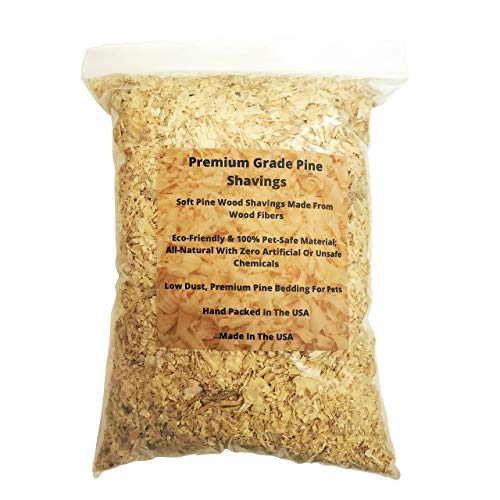
*Premium Quality Small Pet Bedding. Soft and Comfortable - The rabbit litter is soft, free of chemicals, has no irritants and won't irritate the skin of your tiny pets. Our animal bedding prevents allergic reactions and provides a cozy, dry and warm environment to your small pet animals.

Elevate Your Coop with Our Premium Pine Bedding—meticulously crafted from 100% natural radiata pine. Super absorbent (3x+ its weight), low dust, and naturally odor-controlling, it keeps the coop dry, comfortable, and fresh. Compostable, fluffy and gently cushioning, it turns your chicken house into a clean, forest-fresh haven.
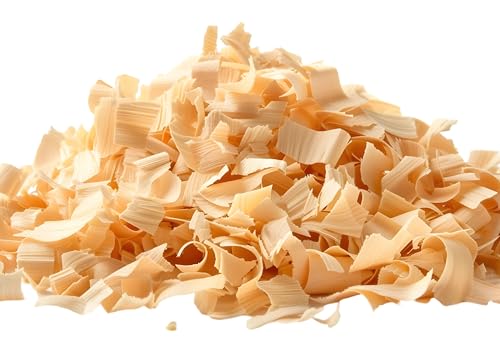
🌲 Natural Pine Large Flakes – Made from 100% kiln-dried pine, these large flake wood shavings are soft, clean, and naturally aromatic—perfect for garden mulch or comfortable animal bedding.
Do Wood Shavings Keep Chickens Comfortable Year-Round?
Wood shavings deliver reliable comfort across all four seasons, and the mechanics behind that performance are worth understanding. In winter, the deep litter method generates heat while the shavings themselves insulate chickens from the cold ground. That season insulation prevents stress from sharp temperature drops. In summer, the same material keeps birds cool by staying drier than straw, reducing moisture buildup that would otherwise trap heat. You’ll also get consistent seasonal comfort through pine shavings’ naturally antibacterial properties, which limit mold and bacteria growth regardless of the weather outside. Their soft cushioning supports healthy resting and nesting throughout the year. Whether temperatures swing high or low, wood shavings maintain a stable, dry environment your flock can depend on every single month. However, unlike cedar, pine shavings lack the respiratory toxins that can harm chickens. The deep litter method also reduces cleaning frequency by allowing the bedding to decompose gradually.

Our Product Includes: 1 lb of poplar wood shavings pet bedding, this product is compressed packaging, please rub the wood shavings with your fingers before use.

100% Natural and Biodegradable: These pine shavings are entirely natural and fully biodegradable, ensuring eco-friendly use and easy composting.

Highly Absorbent & Odor Control: Superior absorbency to keep cages or coops dry and clean by locking in moisture. Natural pine scent helps neutralize unpleasant odors, reducing the need for frequent changes
How Do Wood Shavings Compare to Straw and Cardboard?
Knowing how wood shavings hold up across seasons is useful, but picking the right bedding also means weighing it against your other options. In an absorbency comparison, pine shavings outperform straw because straw mats when damp, trapping moisture and causing odor. Cardboard durability holds up well too—chopped cardboard resists compaction better than straw and stays dust-free, unlike finer shavings. For composting, straw breaks down fastest, but wood shavings and cardboard both compost reliably with time. Cost-wise, straw wins on price, cardboard costs little using recycled material, and shavings fall in the middle. If you’re prioritizing odor control and airflow, wood shavings lead. If dust sensitivity matters most, chopped cardboard is your strongest alternative. Chickens can experience uni‑hemispheric sleep while roosting, allowing them to stay alert to predators. Rice hulls also generate a beneficial dust that helps dry waste quickly, supporting a deep litter system.


Cozy, soft pine wood shavings made from wood fibers; allows pets to tunnel and nest comfortably
How Deep Should Wood Shavings Be and How Often Replaced?
Getting the depth right from the start makes a measurable difference in how well your bedding manages moisture and odor. Start with 4–6 inches of wood shavings, then build toward 12 inches as manure accumulates. Your depthing frequency should follow a consistent pattern—add 2–3 inches every two weeks, or top up twice weekly when moisture becomes visible. Pellet bedding the wet clumping to dry out waste, which can further reduce odor. Don’t follow a fixed replacement schedule. Instead, replace or turn bedding when it stops absorbing effectively or shows signs of mold. Chickens naturally turn litter daily, supporting decomposition, but you’ll still need to stir and add layers regularly. Maintain at least 6 inches at all times. Letting depth drop below that compromises ammonia control and increases the risk of foot problems. When you do your annual cleanout, always leave a portion of the bottom layer behind, as this preserved material contains beneficial bacteria that give your fresh bedding a head start on breaking down new manure. Pine shavings, a common alternative, offer moderate absorbency and help keep the coop dry while being cost‑effective.

Material and Size: our chicken coop bedding made from quality poplar wood shavings, free from chemicals such as spices and additives, it is very healthy; The 2lb chicken coop filling is compressed into a pack, with a suitable volume and very convenient

Baby Chick Formulated White Poplar Shavings: crafted from high-grade white poplar for newly hatched chicks, featuring soft wood texture and low resin content with mild natural wood scent; the natural fiber structure creates a gentle nesting space, well-suited for the delicate respiratory systems of young chicks and crafted as a softwood bedding alternative

35 POUNDS: Pine shavings designed for flexible use across different animals and environments. 100% high-heat processed pine. Made for high ammonia animal environments, this bedding naturally neutralizes odor.