
You’re frustrated watching smaller hens lay while your giant Brahmas just grow feathered feet, but here’s the thing: their massive frames need 6 to 9 months before that first brown egg appears. Obviously, dual-purpose genetics prioritize skeletal growth over speed, so you won’t get early returns like hybrid breeds. Now, if you provide 16% protein feed and 14 hours of light, you’ll secure steady winter production later. Stick with this patient breed if you value quality over haste, and you’ll uncover exactly how to maximize their unique laying timeline ahead.
When Do Brahma Chickens Start Laying Eggs?
Look, you’re probably staring at those fluffy Brahma giants wondering why your neighbor’s hens are already dropping eggs while yours are still acting like oversized teenagers. You’re waiting, but these big girls take their sweet time, usually starting between six and nine months. Some early birds hit twenty-five weeks, yet others lag until a full year passes. Obviously, their massive size delays things, but don’t blame yourself yet. Your breeding genetics play a huge role here; slow developers exist in every flock. Also, check your coop lighting. If days are short, their internal clocks pause production until spring arrives. They prefer cooler weather anyway, often peaking from October to March. So, relax. You aren’t doing anything wrong. Just give them time, add some light if winter hits, and soon you’ll hold those large brown treasures. Trust the process.
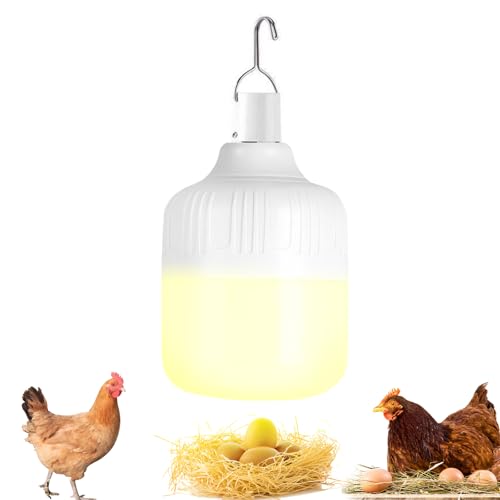
*Gentle 3000K Warm Light**:Soft yellow illumination creates a calming environment for poultry without disrupting natural routines. No harsh glare for animal comfort.

【Boost Egg Production & Accelerate Broiler Growth】Maximize your flock's productivity! Our solar chicken coop light features 2 upgraded warm LED light heads that simulate natural sunlight. For laying hens, it extends daylight hours to maintain peak egg output in winter. For broilers (meat chickens), the extended illumination encourages more frequent feeding, significantly accelerating weight gain and shortening the market cycle. The 3000K soft warm light provides a stress-free environment, ensuring healthy growth and faster turnover for your flock.
Why Do Brahmas Start Laying Later Than Other Breeds?
Since you’re already frustrated watching smaller hens beat your giants to the punch, let’s cut through the noise about why Brahmas drag their feet. You’re raising massive birds weighing up to ten pounds, so obviously their bodies prioritize building huge frames before producing eggs. This slow maturation stems directly from their gen heritage as dual-purpose Asiatic breeds selected for meat and hardiness, not speed. Unlike modern hybrids engineered for quick returns, your Brahmas need six to nine months just to reach reproductive readiness. They allocate nutrients to skeletal growth and those fancy feathered feet first. While you wait, remember this delay guarantees the impressive egg‑size you actually want later. Modern layers rush; your giants take their time to build quality. If you value substance over haste, this waiting game proves your smart choice. Embrace the pause; great things come to those who wait for big hens.
How Many Eggs Do Brahmas Lay Per Week?
Now that you’ve accepted the wait, you’re probably wondering if the payoff matches the patience. Honestly, don’t expect a factory line. You’ll grab three to four eggs weekly per hen, totaling roughly 150 annually. Obviously, their massive size limits sheer volume compared to Leghorns, but their winter reliability is unmatched. While other breeds quit when frost hits, your Brahmas keep clucking through October to May. Sure, eggage genetics play a role in this moderate pace, yet feed optimization can squeeze out every possible brown gem. You need four hens for a dozen weekly, which feels steep until you see them thriving in snow while others shiver. This steady consistency suits patient keepers wanting year-round breakfasts, not just spring bounties. If you value hardy reliability over frantic production, these gentle giants are your perfect, low-stress match. Keep in mind that hens typically do not begin this production cycle until they are 6-7 months old, which is later than most standard breeds.

PREMIUM CHICKEN FOOD FOR LAYING HENS WITH OMEGA-3: High-quality chicken layer feed made for strong egg production; fortified with chicken feed omega 3 & extra chicken feed calcium to support healthy shells & provide complete daily nutrition for your hens
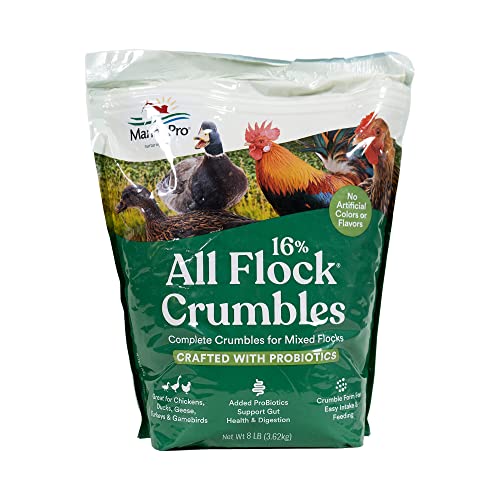
COMPLETE ALL FLOCK FEED FOR MIXED BACKYARD FLOCKS: Versatile poultry feed & all flock feed designed to support chickens, ducks, turkeys, geese, & more; a balanced bird food that simplifies feeding a diverse species in your backyard or homestead

Nourish to Flourish - Our premium pellet feed for laying chickens and ducks is packed with cracked grains and whole food ingredients, free from soy, medications, and fillers. This natural feed supports healthy egg production and flock vitality.
What Size and Color Are Brahma Eggs?
Why stress over egg aesthetics when you’re just trying to fill a carton? You want reliable brown eggs, not a rainbow mystery. All Brahmas, whether Light, Dark, or Buff, lay consistent brown eggs. The egg shell is smooth, matching those yellow shanks and feathered legs you love. Size varies from medium to large, sometimes even extra-large, which makes sense given their massive breed size. A ten-pound hen produces substantial eggs fitting her stature. Obviously, bigger birds lay bigger eggs. Buff Brahmas offer smooth shells while Light varieties stick to medium-brown standards. You get up to 200 quality brown eggs yearly, perfect for dual-purpose homesteads. Don’t worry about color variation; it’s reliably brown across the board. If you need steady, large brown eggs from gentle giants, this breed fits your coop perfectly. Go ahead and commit; your breakfast will thank you.
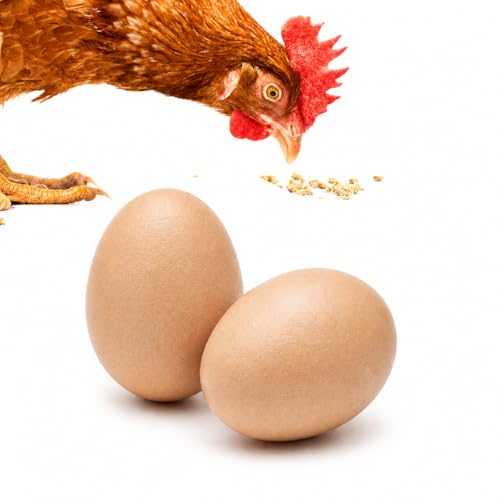
Encourages Hens to Lay Eggs in Nesting Box --- When a broody hen sees other eggs, she identifies that area as an ideal place to lay her own eggs. Place these SunGrow wooden chicken eggs inside the nesting box to encourage hens to lay eggs in a clear, cozy area instead of on the ground or chicken coop floor.

Size: Every Wooden Easter egg is 6 cm x 4 cm (2.36" x 1.58"), about the size of a real egg

Size: 2.36 inch x 1.58 inch(6 cm x 4 cm). It looks like real eggs, Wooden eggs weigh almost as much as real eggs
Do Brahmas Lay Eggs During the Winter?
While you’re staring at an empty carton because the rest of your flock quit the moment the frost hit, Brahmas are just getting warmed up. Unlike other hens that shut down when temperatures drop, these giants actually thrive in the cold. Their dense winter feathering acts like a built-in parka, keeping them toasty without needing extra heat lamps. You’ll see them chugging along from October through March, producing those large brown eggs while everyone else takes a nap. Sure, they might pause briefly during the deepest freeze, but they resume long before spring arrives. Just guarantee your coop insulation is solid and ventilation stays high to prevent moisture buildup, which truly halts production. If you need reliable winter groceries without buying specialized equipment, this breed solves your problem perfectly. They’re the obvious choice for cold-climate keepers who hate empty nests. Even with their natural resilience, you must keep coop dry to ensure they remain healthy and productive throughout the season.

Waterproof Material: Crafted from tear-resistant and translucent PE material, this chicken coop cover provides protection from rain, snow, and wind during winter. The translucent design allows sunlight in for warmth and visibility, while effectively insulating the coop to keep your chickens cozy and safe from the cold

Reliable Chicken Coop Insulation for Winter—You will receive a chicken coop cover measuring 6x10ft,14pcs 7.8in elastic ties and 33ft rope.The tarp cover is pretty durable and have grommets all the way around,rope and elastic ties ensures you can install and secure more quickly.
Waterproof Material: Crafted from tear-resistant and translucent PE material, this chicken coop cover provides protection from rain, snow, and wind during winter. The translucent design allows sunlight in for warmth and visibility, while effectively insulating the coop to keep your chickens cozy and safe from the cold
How Do Diet and Light Affect Laying?
Even if your coop is perfectly insulated, you’ll watch production plummet the moment you slack off on their feed or let the days get too short. You need a balanced diet with sixteen percent protein and constant calcium access via oyster shells. Skipping this causes immediate drops. Sodium deficiency also kills your yield fast. Now, consider light. Brahmas naturally slow down when days shorten, so you must manage lighting duration carefully. Aim for fourteen to sixteen hours daily to keep ovulation consistent. Don’t mess up the lightcium timing by switching schedules abruptly; consistency prevents stress. Obviously, treats are fine, but don’t replace their layer feed. If you ignore these basics, your hens simply won’t lay. Get the nutrition and light right today, and you’ll see eggs tomorrow. It’s that simple.
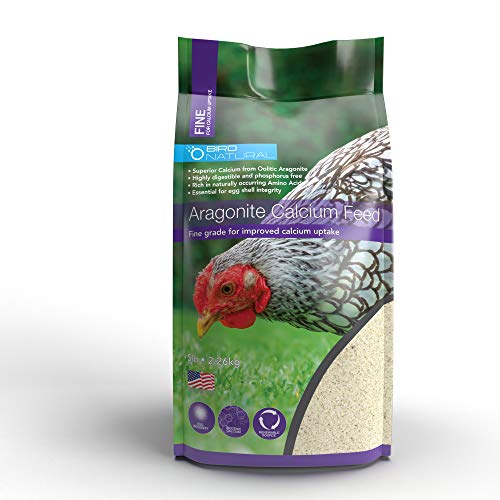
Superior calcium from Oolitic Aragonite

Rich yellow yolks - A high level of xanthophyll, a coloring agent derived from marigolds, produces deep yellow egg yolks
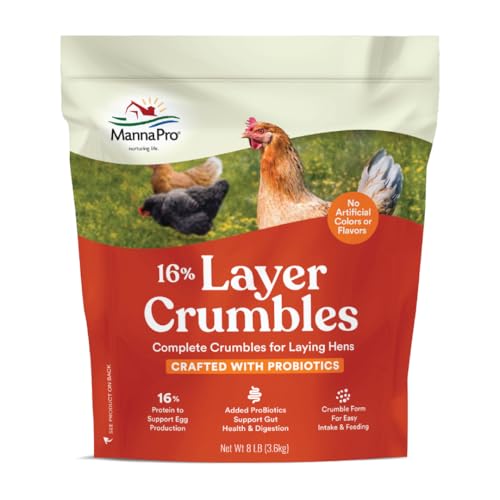
COMPLETE CHICKEN FEED FOR LAYING HENS: Manna Pro Chicken Feed delivers complete nutrition designed for laying hens, supporting strong egg production, healthy feathers, and overall wellness; balanced formula helps maintain optimal health in backyard flocks
When Do Brahmas Reach Full Egg Production?
Since you’re probably tired of waiting for those first eggs while your neighbors’ hens are already filling cartons, let’s get real about the Brahma timeline. You’ll see sporadic laying until they hit one year old, but don’t panic. Your giants truly hit their stride between twelve and sixteen months. Obviously, their massive size slows things down initially. While some kick into beast mode at seven months, consistent production demands patience. You can’t rush gen genetics management; it dictates their slow burn. Also, monitor egg temperature closely during those early, irregular weeks to guarantee viability. Once established, you’ll grab three to six large brown eggs weekly, even in winter. They aren’t the fastest layers, but they’re incredibly reliable steady producers. If you want a long-term partner rather than a sprinter, this breed fits your coop perfectly. Trust the process, and soon you’ll enjoy that steady supply.