You’re watching soft shells form because a single egg demands 2 grams of calcium, far more than bones can safely spare. Stop mixing supplements into feed; instead, offer crushed oyster shells in a separate dish so only laying hens self-regulate their intake to about 5 grams daily. Obviously, roosters and young pullets skip this to avoid kidney damage, while layers grab what they need. Trust their instinct here. Stick around to see exactly why grit won’t cut it.
Why Do Laying Hens Require Free-Choice Oyster Shells?
Since you’ve probably noticed your hens laying eggs that crumble like stale cookies or, worse, not laying at all, let’s cut straight to the bone—literally. Your girls deposit twenty times more calcium into eggs annually than their bones store, so layer feed alone often fails during peak production. When diet lacks supplements, their bodies pull calcium directly from skeletal reserves, causing fractures, lethargy, and terrible shell formation. You need free-choice oyster shells because hens instinctively regulate intake based on immediate physiological needs. This approach supports healthy calcium metabolism without risking excess intake for roosters or chicks who don’t need it. Obviously, forced feeding creates imbalances, but free-choice lets smart birds detect deficiencies accurately. They’ll consume exactly what they require, averaging nearly five grams daily. Stop watching your flock suffer preventable weakness; offering separate shells is the simplest, smartest move you’ll make today. Excess calcium can lead to kidney issues or abnormal eggs with coarse deposits, which is why self-regulation through free-choice stations is critical for long-term health.

SUPPORTS STRONG EGGSHELLS – Calcium is essential for eggshell formation; our crushed oyster shells give laying hens supplemental calcium to help support strong, healthy eggshells.

STRONGER EGGSHELLS, FEWER BREAKS – Eggshells are 94–97% calcium carbonate; this crushed oyster shell replenishes what laying hens lose daily, reducing cracked and thin-shelled eggs.

Backyard Flock Calcium Support: Designed for backyard chicken keepers and small flocks, this oyster shell for chickens provides a reliable calcium for chickens source during peak laying season, helping laying hens naturally maintain strong eggshells while supporting daily nutrition in chicken coops, feeders, or free-choice feeding setups
How to Offer Oyster Shells for Self-Regulation?
You’ve seen the cracked shells and felt that pang of worry knowing your hens are borrowing from their own bones to make breakfast, so let’s fix that without turning you into a calcium accountant. Simply offer crushed shells in a separate bowl right next to their feed. This smart cal placement guarantees they grab what they need, exactly when they need it, mimicking natural foraging habits while preventing dangerous kidney issues in non-layers. Never mix it into their main ration; keep it detached so hens ignore it unless laying. Larger flakes dissolve slowly in the gut, optimizing calcium absorption during shell formation without overwhelming their systems. You might hang a dish in the run or use a divided feeder alongside grit, but always keep them distinct. Obviously, powder in water is a bad idea, so stick to bowls. This method lets your flock self-regulate perfectly, supporting production without your constant math. Just fill it up and watch them thrive, knowing you’ve solved the problem simply. Only laying hens require this supplemental calcium source, as excess intake can harm the kidneys of roosters and younger birds.
How Much Oyster Shell Do Laying Hens Need?
Three distinct numbers dictate your entire calcium strategy, and ignoring them turns your hens into brittle bone factories. You need four to five grams daily because each shell demands two grams straight from diet. Obviously, missing this target ruins Eggshell quality fast, leaving you with soft, sad omelets. Your flock actually self-regulates perfectly if you offer free-choice access, consuming roughly 4.8 grams per bird when laying hard. Don’t stress over exact shellcium dosage since hens grab what they need, unlike kids sneaking candy. Regular layers eat more, but even molting birds require constant availability for bone strength. Excess calcium just creates speckled shells, so trust their instincts rather than mixing it into feed. Keep a separate bowl full year-round to guarantee strong bones and perfect eggs without the guesswork. Just fill it up and let nature handle the math for you today. This approach reduces labor for owners by eliminating the need for strict feeding schedules.

Optimal Health and Egg Production - Enriched with 16% protein from organic grains, this feed provides a balanced and complete diet for laying chickens and ducks, promoting growth and nutritious, supports strong eggshells

Essential Calcium Supplement: Pecking Order Oyster Shell is a rich source of calcium, crucial for the development of strong and sturdy eggshells. Adequate calcium intake helps prevent common issues like thin or brittle shells, ensuring your eggs are consistently high quality.

PULLET-SIZE CRUSHED OYSTER SHELL: Crushed to pullet size for easy consumption; providing a natural source of calcium to support strong eggshell formation, bone health, and overall wellbeing for young laying hens and growing poultry.
Which Chickens Should Skip Oyster Shells?
Although you’re itching to scatter those shells everywhere, dumping calcium on birds that aren’t laying eggs is a fast track to kidney disaster. Young pullets haven’t started laying yet, so their bodies can’t handle that extra load. Roosters definitely don’t need it either; too much calcium wrecks their kidneys since they aren’t building shells. If you run mixed flocks, forcing everyone to eat layer feed harms your non-layers instantly. Instead, offer shell free diets to your growing birds and keep supplements separate. Your laying hens will self-regulate perfectly if you provide options freely. Even other poultry like ducks suffer from excess calcium without egg production needs. Don’t let cal flockers confuse you; just remember that only active layers require this boost. Keep it optional, keep it safe, and watch your whole flock thrive without unnecessary health risks looming over them today. Furthermore, relying on marine shells can introduce variability and safety concerns compared to mined sources, making consistent quality even more critical for vulnerable birds.

BLEND OF SOURCES OF CALCIUM : Chick’N Calcium from the Chick’N Swell product line is made from a blend of sources of calcium: calcium chloride and calcium propionate to provide essential calcium for all laying poultry including chickens, ducks, and quails; from backyard flock to commercial farms, our product is the perfect addition to your chicken water.
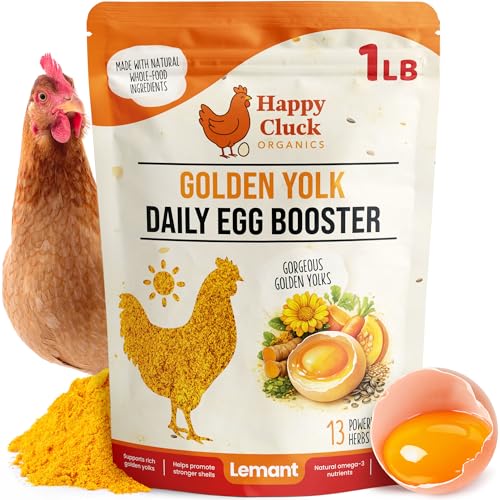
13 WHOLE-FOOD HERBS IN EVERY DAILY SCOOP - This Daily Egg Booster for Chickens packs 13 functional whole-food ingredients into every daily scoop. Each 1 LB pouch blends pumpkin powder, carrot powder, turmeric, milled calendula flowers, stabilized flaxseed, black oil sunflower meal, brewer's yeast, dual-grade calcium carbonate, kelp meal, chili flakes, rosemary extract, and standardized marigold extract into a single premium chicken vitamin and supplement for daily backyard flock nutrition.
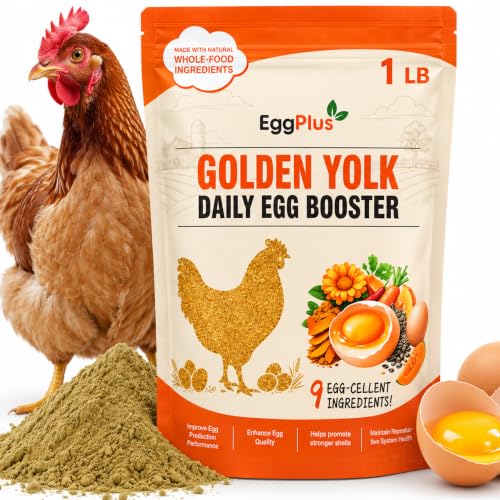
DAILY SCOOP FOR LAYING HENS – 9 WHOLE-FOOD INGREDIENTS: Looking for an easy way to add variety and nutritional support to your flock’s daily feed? This daily egg booster for chickens combines 9 carefully selected whole-food ingredients in every serving, including pumpkin powder, carrot powder, turmeric, flaxseed powder, sunflower seed powder, brewer’s yeast, eggshell calcium, chili powder, and marigold extract. Simply mix the measured serving into regular chicken feed for a simple daily feeding routine.
What Is the Difference Between Oyster Shell and Grit?
You’ve probably stood in the feed aisle staring at two bags of crushed rocks, wondering if grabbing the wrong one will turn your henhouse into a digestive disaster zone. Here’s the thing: they look similar, but their jobs differ wildly. Grit acts as insoluble teeth, grinding food in the gizzard for mechanical digestion. It offers zero nutrition. Oyster shell, however, dissolves completely to supply essential calcium for strong eggshells. You can’t swap them. If you ignore the calcium texture hierarchy, your hens suffer. Confusing shell grit leads to soft eggs or impacted crops. Obviously, free-range birds find some grit naturally, but confined flock owners must provide both separately. Don’t stress over the choice; just remember grit grinds, while shells build. Grab both bags today, keep them in distinct dispensers, and watch your ladies lay perfect, hard-shelled eggs without any digestive drama whatsoever.